How I Onboard & Retain Client Successfully For My Digital Lead Generation Agency - Free SOP
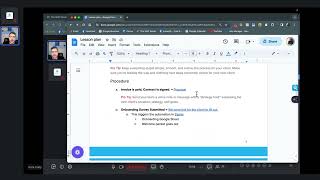
Nate Tilley shares a five-step client lifecycle for a lead-generation agency, from contract to retention. The onboarding funnel includes an SLA, welcome packet, and three scheduled calls. He covers automated workflows using GoHighLevel, Zapier, and Slack, plus scripts for kickoff calls, launch checklists, and retention tactics like upsells and monthly performance reviews.
Chapters
I thought it was just from my perspective, so that's. I was like, okay, that makes more sense now. Cool. Yeah, I didn't know for sure, but now we know. What's up, everyone? What's up, man? Nate, we're live. Oh, sweet. Okay, so I can't see anybody that's in here right now. We got. Oh, I see. Okay, it says 12 people over here. What's up, everybody? How are you guys? Glad to be here today. It's just a different view, so I didn't see you guys all jumping in here. So just give everybody. We'll give everybody 60 more seconds to get logged into here, and then we'll get started today. Guys, I've got some heat for you, so. And real quick, too, just in the chat. Any questions you have today related to client onboarding, client success, making sure you retain your clients, get them not as much, get them results, but just managing the relationship and getting them onboarded smoothly. Any questions that you have for that, so go ahead and let me know. Okay, cool. So just give everybody one more minute to get signed, started in here, added in here, and then we will jump right in as well. Any questions you guys have related to onboarding, clients, launching clients. I'm going to go over my whole process today, so I'm excited for you guys. It's the last week of the year, basically, so, you know, I know we have a little bit of time in between Christmas and New Year's, but most people aren't doing much that time. So I'm excited to be here, spending it with you guys and. And diving into this stuff. So let me just. Let me just get what I need here and we'll dive right into this document in just a second. Okay, here we go. All right, cool. All right, guys, so let me share my screen and. And I'll show you what we're going to get into today. It's going to be. Should be a pretty sweet lesson. Hopefully you guys enjoy it. Let me just go ahead and share and we'll dive right in. There'll be a couple assets I'll have to grab throughout the call, but we'll just get them as we go. Okay, so let me just share. Look, let's see who we got in here. What's up? What's up, everybody? The usual suspects and a couple new people, too. Good to see you guys all in here. So let's get right into it today. I'm going to teach you how you can give your clients a great experience and retain clients for, you know, up to three and a half years. Plus I got a client that's been with me for three years and counting. So I'm going to show you exactly how I do that and that whole process. And, and we'll dive right in from there. So let me see. All right, so you guys should be able to see my screen, right? Just confirm in the chat that you can see this document when I do it like this. Just check over here with you guys. Looks like it. Yeah. That's cool. Okay. Yeah, perfect. No, no problem, guys. So I'm going to be rocking through this document today. So it's just kind of like a training. So that's, that's just a setting on, on there, but that's, that's normal. So it's all good. So if you guys can see me, then we're gonna be good to go. So let me, let me, let me dive right in here and go over this. So today, guys, we're gonna be going over. And I'll check the comments periodically too. So if you guys have anything, just drop it in there and I'll hover over here every so often. Okay, you guys can see my screen. Perfect. All right, guys, so today we're gonna be going over a client onboarding and retention training. This is gonna show you how you can keep your clients longer and how to give them a great experience. So just to dive straight into this, the summary of how we do things is we have our onboarding flow and everything that's attributed with that. And then we have our kickoff call. And then after our kickoff call, we do the campaign creation and launch the campaigns out. And then I'd say campaign creation and tech build out. I'd say as well, this and launch. Okay. And then we. And then it's all about developing the account and retaining the clients. Okay. So some of this I'm going to be building out live. Guys. I had an old SOP just like this for my team, but it was outdated, so I'm redoing it. But just so you guys can see what we're dealing with here, I'm going to show you this process is proven, it's dialed, and I'm going to show you where you can actually see this whole process. So we've got it on the whiteboard. We've been going super, super hard late night whiteboard sessions. So I'm now just transferring that over to this document. But this is years of our process and I'm going to show you guys exactly how that works. So, yeah, let's get into It. So yeah, guys, this is the basic five steps, okay? 1, 2, 3, 4, 5. How to be successful with clients. You're going to onboard them, you're going to do a kickoff call, you're going to create the campaign, you're going to do the tech build out. That's your fulfillment pie piece. And then you're going to develop the account and retain the client. And really that's develop the account, build the relationship. And retain the client. Okay? And pro tip with this is always think about when you're onboarding a client, how you're going to impact your clients, what the potential upside is for them and consider how you want them to feel when, when they get signed up with your services. So you don't want somebody to sign up and then just feel like they're another account and just get thrown to the wolf pack of your team. And they're talking with this person and they're bouncing around to this person. That's exactly what you don't want to happen. What you want to have happen is for them to feel like everybody's in line, for them to feel supported, for them to feel nurtured. And you want really to congratulate them for taking the step and assure them that it was the right decision, the right chance to move forward. And you're always selling in this process. Okay? Always be selling. Okay? So right after you sign them up, that's only the first deal you closed. Okay. But you have to close them on a whole lot of other things. The easy thing to do after you've been doing this a while, it's easy to sell somebody on the investment and get them to put their dollars into a proven system. The hard part is to get them sold on the entire process and how they're gonna have to change their habits and do things differently in order to be successful with this. So like simple stuff, even like logging into a Slack channel for communication. Okay. Some people will say, ah, we don't want to do that. I used to allow this and I would let my clients walk all over me. Now we draw very firm lines in the sand. Look, if you're going to work with us, you're going to do the process exactly how we have lined out. Because this is the way that our client XYZ was able to get 17 car sales in September because they did this process, they followed it to a T and it's not that hard. Oh, but my team doesn't know how to use Slack. It's just another app to download. Okay, well, do they know how to use TikTok? Do they know how to use Instagram? Can they use Facebook Messenger? Can they DM someone on Instagram? Then they can use Slack. Okay, this is for business. You know, we're professional here. If, if, if you can't do this process, like if you can't even do the simple stuff, how am I going to expect you to really change your, your whole follow up structure like we're going to need to do in order to get you to 80 car sales a month, which you shared with me. That was what was important to you. When you said that that was important to you. I made that important to me. And so now I'm showing you the pathway to get that. You're going to go through all these steps and it's going to make you successful, right? So that's like a tough love conversation. And usually that happens in the selling process where you really lay it out to them and you say, hey, you're going to have to do a lot more work. So the point of that is always be selling them, always be closing them on the work that they're going to have to do. Hey, we want to do this viral video framework. You tell somebody that they should run video ads, they're going to have hesitation, they're not going to want to do it. They're gonna say, I am not somebody that gets on camera. Okay? So you have to sell them on it. You have to sell them on actually why they would want to do that. Hey, we've had a client have a lot of success with this. This is a huge asset for your business. There's nothing better to put your money into. You're getting your face out there, you're getting your name out there, you're connecting with different people and it's a really clear messaging, you know. So always be selling them on it when, when that thing comes and then they're going to want to do it. Another example of something you have to sell them on is increasing their budget. So I'm going to talk about that. I'm going to talk about how retain clients by selling them on, increasing their budget by selling them on other services. You have other channels like if you're running just Facebook ads, you can also offer them Google Ads or TikTok ads or SEO or press or websites or anything else. You're always going to be selling them and sales. This is under the predetermined assumption that sales is service. Okay? We're not just selling just for the mere factor of just sell them and close Them, these are the things that they're going to need. Okay. You're going to be offering them and serving them. You're going to be building a relationship with them at such a high level that they're going to open up to you about the things that they need. And if you as a service provider can come and provide those things to them, that's going to be highly beneficial for all parties involved. And that's why we're always selling them, we're always serving them to another level. We're always taking it a little bit more. So a lot of times you walk before you run. You start with a lower ad budget, you start with one service, you start with a foot in the door product, and then you start to gain the trust and work with them over time and build up those retainers as they, you know, and there's always going to be, you know, with marketing and with business owners, there's always going to be multiple cooks in the kitchen and you want to avoid that as much as possible. You want to be the only cook in the kitchen. So if they're going to be paying for Google Ads, you might as well get that spend just making sure that you can deliver on that service. You should be the only cook in the kitchen and you can use that to their benefit, saying, hey, we get to own all the data. I'm looking at it at a higher point and, you know, all this stuff has to work in order for me to be secure in this position. So plus you can save money with the fees, you can run it all under us. You know, there's a lot of benefits to that. So you guys all with me so far? How. Okay, that's. We're just getting started on the summary. Make sure you guys are just following along in the chat. Send me any questions that you guys have. Any, any insight that you guys have or any, any thoughts that you have on this stuff. And so yeah, always be selling. And five, step five. The time allotment that it takes is about seven days. We try to have a campaign live in about seven days and sometimes it can be a lot faster than that and sometimes it takes more. And this is based on the average. Okay, so the average based on clients that don't get us the stuff right away and the clients that do, it's about seven days. So we tell our clients that. Now let's go into the onboarding experience. Okay, what, what happens? So the context here is going to be to keep everything stupid simple, smooth and outline the process for your client. Okay? As easy as a third grader to understand, make sure you're leading the way and outlining next steps extremely clearly for your new client. Okay? So even if the salesperson broke down the whole process, you're going to have to break down the whole process again. You guys want to be saying the same thing, singing to the same tune. You want to be really dialed in on that front so everybody knows what the process is. If not, things will get dropped. You. Because what this really is is once you get a team, you get a lot of people that all have to coordinate and stuff. And you want it to be like a relay race, right? One person's running to the, they've got the baton, they give it to the other person. They see them coming, they start running, they grab it, they start going. You want to be like a relay race. You don't want your team to be like a, like a game of telephone with like third graders, right? Because that's how it can easily get if nobody's very clear on what the process, the 1, 2, 3 for success is. So outline this client facing first, and then you'll be able to outline it in your team for how that's actually going to look. Okay, so here's the procedure, the actual nitty gritty. All right, so the invoice is paid and the contract is signed. And for those of you that have been with us for a little bit have probably seen my service level agreement and my automated proposal that I do. So a client wants to sign up with me and they say, yes, Nate, your system looks great, your pitch deck is awesome. Why don't you send me an email with the breakdown of all that? I say, awesome. I click a button and then it sends them this automatically in email and in text. I say, hey, I just sent you that information over, take a look at it. And they'll say, well, I'm looking at it now. Okay, they'll go through here. They'll see. This is everything that we talked about, the investment, three month minimum commitment, 3,000amonth. You know, we have the guarantee in writing right here. And then we have the process, the timeline for the client, everything that they should expect. And then we have the terms and conditions right here with the guarantee. In order to keep it valid, you must follow up with every lead within five minutes. Allocate the agreed upon budget and time to the campaign, give us back end access to your CRM, communicate with us, allow us to mass message your dms, CRM cooperation. Understand that not all attribution will be directly Attributable there will be things that we won't be able to prove but they'll still be heavily impacted from us. If you're. Because that's how marketing works. If you're unable to sell vehicles because the factors out of our control the guarantee T doesn't apply, you know. And then setting the expectation. All the marketing department can do is run ads and to the system to sell interest, prospect. But your dealership and team will still need to do your due diligence to convert and work those deals to maximize the system effect, effect effectiveness and efficiency. Allow us to create a freedom. If you want to copy you want us to tell you want to tell us how to run your ads then the guarantees off the table because at that point you're taking the, the control of our proven system out of our hands. Okay. And then need from them. It's a lot about setting expectations guys because you want everything lined out on the table. If somebody's going to sign up, you want to start. Especially if they're really like when somebody's really excited I like to like really like push them away a little bit. Like hey man, there's going to be a lot of things you guys can do. Are you sure? And then I get them even more committed because they don't only commit to the, the money part but they also commit to this stuff. Okay, what we need from you, you know, we go through all this. Okay, so we won't go through all this but yeah, essentially that's it. And then we do some, some legal terms, some service level agreement stuff. 30 day cancellation notice is ready and we do the credit card authorization. Right, right through here. Everything through one. Okay. Then they go through here. They put their, their information, their company name, their phone number, their email, the date. They check here to agree to the above statement and they can sign right here. And I run this actually through Jotform guys. But you can do this now. You can build all this out internally and go high level. Okay. And then I put down here I've got my, my packages so they can come here and it's. It automatically checks the main package but then they can go over here and they can check out for any other package they want to add to. And I've been super surprised. There's literally been times where people have done this. They've just checked out everything. Okay. One guy, one guy literally checked out for everything except social media management. What's more common is for somebody to, to just get the regular guaranteed subscription and then add social Media management. Okay. I didn't even have social media management filled out or figured out how we were gonna do it. I just threw this on there and one day I got a new client and it said 3500. And I was like, sweet, let's do some social media management management for them. So you can just add upsell bump products right on your proposal. You to get the, the service level agreement signed, the proposal and the contract over to them when they ask for a custom proposal. Here's your proposal. And some people would say, don't put multiple prices on here. Sure. If you don't want to, that's fine. I'm just a little bit lazy. So I'm like, here's everything laid out. Most of the time if they commit to the 3k, they just go for that. It's very rare when somebody goes on here and they're like, oh, a 2K package, let me go for that. If, if they go for the 2K, they were already going for that in the first place and we had already worked that deal out. Okay, so, so that's everything that's on the, the service level agreement side. Guys. Once that's paid and the contract is signed, here's a pro tip. Right after the sales call, you're super fresh. You know a lot of information. You know exactly what your client is wanting now. You know about their goals. You know, kind of a rough strategy of what you, you can do for them. And if you did a good job, you should have notes on that. So what you're going to do is you're going to go into your team Slack channel their communication channel and you're just going to send a voice note and you're gonna say, hey guys, I just closed down XYZ Automotive sales. These guys are great, really awesome team. It's Tony, he's the owner and his son Steve is gonna be running all the ads. So what we're gonna do for them, it's gonna be a heavy based subprime campaign, which means we're gonna be getting low credit people. We're gonna want to do an application with the filtration. They said that they can basically approve anybody and they want to do a $500 down payment assistant kind of campaign on that. We're going to do English and Spanish. They want to run about $100 a day ad budget and they told me they're in a rural area. So we're going to want to run that campaign out about 50 to 100 miles. Okay. And watch for their onboarding form to come through and then start the process. Guys, thanks. You're awesome. Boom. End that out now. Your team's going to have a lot of context. So right when this client comes out. Oh, and the other. The last thing that you would want to mention on that, you know, you tell them the strategy. You tell them stuff like that is you also want to mention, like, yeah, Steve said that the reason that they're wanting to invest in this is because third party advertising hasn't been working. And they want to actually develop a new system of advertising so that they can increase their sales to about 100amonth because his dad wants to retire so they can open up another business and stuff like that. So they're looking at other dealerships. Oh, and they have a son named Larry, and he's 10 years old. You know, tell them that stuff too. Get that stuff to your team so they can know it. Because when you get really savvy at this, like, we're not at this point yet, but we will be. I'm gonna start sending out a box right away. Every client, I'm gonna start sending out a box. Handwritten card, little, little kit. We're gonna do this kind of stuff. And it would be really impactful for sending gifts and stuff like that in the future. This is one huge thing I love to do for clients to know, oh, they have a kid, they have a family, they'd love some Disneyland tickets or whatever you want to do, depending on what kind of level you have with your client. But I got people that have been with me three, four, five years at a 5,000 to $7,500 retainer. This year, they'll pay me almost 100 grand. I mean, some people don't even make that in a salary after going to school for years, you know, so that's why I love the agency model so much. So, yeah, guys, I. Let me check the chat here and see what we got. Rocking Loretta. I'll make a template of this, and we'll make it available. This is actually my internal team teams copy. So this does have all of our stuff. So I'm gonna make a blanketed one that you guys can use. And I'm gonna put in here. I'm gonna put some screenshots of what we do. I just don't want all my links to be hanging out there. So I will make sure that you guys get a direct copy of this as well, though outcomes for that. So. So, yeah, guys. All right, so once that's going now, after they signed the SLA the service level agreement, they filled out the invoice. Now we're going to send them the onboarding form for them to fill out. Okay, so let me show you guys what this looks like from a client facing perspective. This is what my clients are seeing. Okay. And is this valuable to you guys so far? Just drop in the chat A1 or you know, if this is so far, if this is helping you kind of see how the onboarding process goes and what we're trying to accomplish throughout this. And I'm going to take a big old swig here. Excellent. Okay, good guys, I'm really glad, I'm really glad to see you guys all here. All right, so check it out. Let's keep jamming on this. This is intense stuff. This is, this is taking years, guys. It seems simple probably, but a lot of this stuff took a long, long time. Like I don't know how many nights I can tell you that I've stayed up till four in the morning working on just one part of this, this thing. So we send them this link once they sign up, it says get started with your new lead lead generation machine. And if you're in the MBA program, you should have access to an onboarding funnel that's going to be kind of like this and if not, we will update this into there. Something kind of like this. But you I put a welcome video and on this welcome video I take them through the process, I run through the whole client facing process. I show them the Slack channel and then at the end of it, oh, I show them how to share Facebook access. Most people don't make it all the way through this, but some people do. So I have the whole process lined out there. Most people don't even this, they just click the start now. But the way it goes is they're gonna fill out the pre onboarding survey and then they're gonna schedule three onboarding calls. Sounds crazy, but we do three. And I'm gonna explain why in a little bit. But yeah, so this is how we do do things. They go to start now. Once they go to start now. Thanks guys, I appreciate it. So they're going to go in here, they're going to fill out their basic contact info and they're going to fill out their business info. Okay, so we're going to get all this information from them, we're going to get there. Who's their CRM provider? Where should their leads get sent to all this. Okay, so we want all this as much as we can up front and we even get some information that's going to help us for just creating a really dialed approach to our snapshot. So through custom value. So I might lose some of you guys here that are a little bit newer to go high level, but those of you that are savvy with go high level. So through custom values, what you can do is you can build a snapshot that's so brilliant. All you have to do is you fill out this form, and the form will literally take the custom values inputs from the client and input it into the custom values fields in a snapshot, which will then, if you have your campaigns, your workflows, your surveys, your funnels set up through custom values will automatically add all that client's personal information to those custom values. And their CRM account will be almost fully set up on Autopilot, like almost 100% autopilot. So if you get this stuff all in here, you know, you get the ein number, you get their business logo. This is crazy too, because when you get the logo, you're actually able to like, automate the logo getting added to their funnels because it's a link. Okay? So I'll show you guys that. I'll show you guys how that works. So I just put all this information in, and then you have all your Facebook, your. Your social media URLs you can put. I make these optional fields to fill out because most people, you know, they don't have them all handy. If they don't, if they're not sitting down, just make it fast for them. And then this is the important part here, guys. Okay, so what are your goals for this program? I want to add 25k worth of gross profit in the next 45 days. Daily Ad budget. Hundred dollars. Okay, this is getting us. I want to go Denver or Target demographic. Young skateboarders with hoodies and daddy money. Okay? Some random, you know, whatever. But this is where you get everything, right. Target 50 miles from my business. Let's do a few main competitors, okay? So we can research what the competitors are doing, what makes your product or service unique and better than competitors, okay? We have a guarantee. This goes right into the ads, okay? So when somebody answers this question, there's nothing better that you can get for your ad creative. I mean, a lot of business owners aren't marketers, so a lot of them won't fill this out very fully. But the ones that do, you're actually able to just use this data that they give you and use that in your marketing campaigns. So they could say, we have a Guarantee, family owned, been in business 100 years, whatever. You know, you can put all that. What are some of your ideal client desires that you help them achieve? I help them to cut their hair and look amazing while skateboarding. You know, just some random stuff. But like, whatever they put in there that goes right into your campaign. So then my campaign would be like, really clear who I'm going after, what problem we solve, what makes them different than the other, you know, whatever companies out there. Right. I hope I'm following. Hope you guys are able to follow it. Just like random companies, I throw those in there to show like the framework is, is the same for all of this. Okay, lead generation promos, what have you used in the past? List what has worked and what has not worked. Worked. Okay, $500 off, not worked, 20% off. Okay? So now if you know what's worked for them, like a lot of business owners are kind of silly guys. They'll be running some ads that'll be getting them some results and then they'll just make an emotional decision to turn them off. And then six months later they'll go and sign up with another company. And if you ask them like, this is a red flag that I check for on calls. You ask them like, hey, tell me a little bit about your past experience with marketing agencies. Or maybe you're just asking them like, hey, so what are you guys doing for marketing advertising? And they tell you, and then you're like, well, what have you done in the past? What's worked for you? And they tell you, and they're like, well, why did you guys stop doing that? And it's usually like from a lot, a lot of the times I've heard reasons that it was just purely, it was just. They just stopped it for whatever reason. They just decided to. And then now they're trying to get it back going because their business goes into a slump. People don't realize the marketing that they're doing with these companies actually a lot of times does drive them a lot of results, but they just don't even know how to quantify it or feel it. So they make emotional decisions. So if you know that another agency crushed it with an offer, 500 off and whatever else, and you can see that you can build off of what worked and you don't have to reinvent the wheel and come up with an offer because the offer is going to be the most important part of a lead generation campaign. Okay. So you get the data from the client and then you can do your industry research to Find other proven offers, and you can present an offer to them that combines what they said here, what they said here, and what they said here. Right. And then qualifying questions. This is how I set up my lead form. So time on job, credit score, whatever their the qualifications are, need to make 1800amonth. So I would use this information to now set up my lead form on that campaign. And I would say, how long have you been on your job? What's your estimated credit score? Do you make at least 1800amonth? So now I know what the client considers a qualified lead. So I tell my clients, hey, you're actually able to select your own lead quality. Okay. Some people want them all. Some people want them really specific. Yeah, you just tell us what criteria you want the leads to come through, and we'll only send you leads that meet criteria. That's what we do. Okay. And then we just make a landing page or a lead form that aligns with that and disqualify people that are outside of that criteria. Do you agree to follow up with all the leads we generate in a timely manner? Yes. How did you hear about this? This is important. As you get bigger and you start running different channels, you need to be able to try to track how people heard about you. Sometimes they won't even know, but it's nice if somebody was a referral or word of mouth or, you know, they came from LinkedIn, and you didn't expect it for you to see that. So once they submit that we have all the campaign information we need now you just put in a couple more details here where you want notifications. Which address would you like to send marketing emails from? Wants a real number. Okay, now they go to schedule their launch call. Okay, once they go to schedule their launch call, we just say, hey, we're thrilled to have you here. You'll meet the team, and we'll go over our custom strategy as well as get access to your Facebook ad account account page to set up the campaigns under. Bring anyone under your team management that will be helping with or handling this, and let's get ready to dive in. Okay. And then click right here, they put in their information, and they schedule the meeting. Okay, Now, I just got a couple things. Okay, check this out. So it sends me. Hey, Nate, got you locked. Your kickoff call appointment is for whatever time. Then it sends my team some slack. Excuse me. Okay, it just sent me a slack message that says, new client, please give them a quick welcome call and congratulate them from getting. Okay, let me just show you Guys, this in Slack, I think that'll be easier. And basically after this, guys, the clients book two more calls, okay? The tech call and the training call. And I'll go over those. But let me show you before we get into the, the two calls and what the client's going to go in. Let me show you now what happens when somebody fills out that, that zapier or that onboarding form that I just filled out. Okay, so this is our super, super zap. Okay, guys, and this is actually, if we look and edit right here. Let me see what this is called. Let me see if this will tell me. I think this is like version version 10. Okay, so this is 10 iterations of an onboarding zap. And this is what we've got now. So first it's going to catch the hook by Web hooks and Zapier. So if you want to connect a onboarding form or survey and go high level, you can use a go high level trigger or now it's a workflow and you can use that workflow and create a web hook. And then you're going to put that web hook inside of Zapier. And Zapier is something that can integrate multiple different platforms for you. So it can integrate all sorts of stuff and automate things like, you know, Google Sheets to Gmail, you know, go high level, which they call lead connector in here. So it's white labeled. They can connect to, you know, a lot of different things. So I'm going to show you guys what, what ours looks like. But yeah, what a webhook is is you just create a workflow and you create a trigger event which would be the survey getting submitted, the onboarding survey. And then that's going to trigger a webhook, which is basically just like a random link that active that, that syncs it up somehow, the data from there. And then you just put the web hook into the zapier and then that's going to trigger this whole automation. So first thing that's going to happen is we're going to create a spreadsheet row in Google Sheets. Okay, so that's going to be right here, onboarding Google Sheet. And I'm going to show you guys what that looks. Let me just, let me just scroll this way a little bit. Okay, cool. So now you guys can see this is my onboarding form. And we've got all these different clients in here. And you guys see me at the bottom here. Young skateboarders with hoodies and daddy money. I help them, you know, whatever, right? So We've got all my information right here. And then what my team can do is they can come in here and they can know where leads are going to go. They can also know what the criteria is and they can see the client's information and they can give them a call. So we just do this to track client accounts. Yellow are clients that have already been onboarded or that we need to onboard that are new clients. Green are live clients. Orange is like a different service that we're doing that we don't have to onboard them. And then green is all the launched clients. Okay, so that's how our sheet works. We just do that for technical reasons. Real quick, let me just grab that link. Okay, that's that part is the Google sheet. And guys, I used to build and the reason I do an OG Google sheet is because I used to build full marketing campaigns just off of Google sheets. And I'll show you what that actually looks like. So check this out guys. This is pretty wild actually. But I have in here. Let me see what I got. See what I got. Can't show you guys everything because I don't want all this data is going to go. But I've got the og, some of the OG onboarding forms from early agency bodies. And you can see people looking to get phone call appointments, looking to sell homes fast. The client's goal is to get people who are interested in buying or selling homes. I would make entire lead generation campaigns off of just a couple things like this. Okay. So you don't need as much as you might think. You get a little bit of context and that you can build a whole strategy off that. All right. And I show you guys so you can see that you don't need all this extra stuff. If you just get the client's basic information, you can use that to build a whole marketing campaign, create graphics, do all the things you need to do. Okay, so next step in the, in the process here is it's gonna add an account in my lead connector account in my go high level. It's gonna go in there and automatically create an automated account for this client with all their information. And so that's created for them automatically. And then it's going to update an opportunity in my client management channel. Okay. And I'll come back to that and I'll show you guys what that looks like. So onboarding sheet comes in. Ghl CRM account created update opportunity in ghl pipeline. Okay, client management. Okay, welcome packet goes out. So I'll show you guys what that looks like let me just go right here real quick for you guys. Okay, cool. So I'll show you guys what this looks like a little bit later, how we've got it built out right now. Okay, so we'll come back to that. Let's keep moving through this. Create channel in Slack and then find user by email in Slack. Invite user to channel in Slack and send channel message in Slack. So these things for some reason 6 and 7, I haven't really been able to get them to work that well. But what it's supposed to do is create them an automated Slack channel or create a Slack channel automatically and then, and then it's supposed to send them an invite but the invite never really goes out. So channel automatically. So my team usually has to manually add them and we've just gotten used to that. But that was a slipping point for a while. So now. Okay. Create Slack panel automatically and send welcome message. Okay, so that goes out and then send channel message in Slack. Send channel message notifying them in Slack. All right, now I'm going to show you guys what those Slack messages actually look like. Buckle up, let me see where we're at here. Okay, it's the fulfillment channel. I believe it's in. 1SEC Guys, somebody's at my door. I will be right back. Do a sign for a package real quick. Just kind of random. Okay cool. Let me see anything in here. Okay, cool guys. So let's just keep continuing down this. Hopefully this is cool showing you guys this back end process and how much you can automate of this. So okay, just go into Slack. Boom. I think it's. Let me see. No, it's internal. So in my Slack channel, basically what Slack is is we use it for communication with, with the clients and everything like that. So we have internal channels and then we have ads channels which are the clients channels. So in the internal channels we have an internal chat where my team talks about stuff. We have internal client wins where we talk about client wins and stuff like that. Screenshots of them having success, content posting and then client discussion, shift sales team, internal fulfillment and our follow up team as well. So in the internal fulfillment channel, this, this is the message that goes out and it says new client alert and let me just verify you guys can see my screen when I'm over there. Can you guys see my, my Slack channel when I share it? Oh, thanks Alex. Thanks. I didn't know I stopped sharing. I'm glad that I checked that. All right now you guys should be able to see my screen right now. You can, right? Let me know if you can see slack when I share slack right here. Can you guys see slack? Let's check. All right, cool, cool, cool, cool. All right, so back to what I was saying. So we have the. So I was just showing here we have internal channels. These are all of our internal channels. These all have the subject of discussion, like client wins. We'll have, you know, clients are selling stuff, Clients are leaving video testimonials. You know, all that stuff we post in here. We make sure our sales team's in here so they can see all the wins and they can use that stuff to highlight on sales calls. Then we've got the shift social media content ideas or my graphic designer, our content, you know, that she makes for the. The shift. And then we have our team client discussion. This would be like, you know, developing a client and then the sales team. And then we have fulfillment. And in the fulfillment channel, when a new client comes, we have the new client bot that's through that automation that I showed you guys. And it says new client alert. They just filled out the form, shows my information, and then it says, please give them a welcome call and congratulate them for getting started with us. More about building rapport and less technical. Show your excitement. Here's the guide on this. Also make sure to invite them to the Slack channel and let them know to join there and download Slack. Let's get after it, guys. The dream team is here. Time to execute. Then you would just go to their channel like, you know, so I just joined in here. I have a Now I'll have a Shift Social Slack channel. Let's see. Oh, this isn't the one. Oh, it'd be ads. Shift Social. Okay. So I just filled out that, that form and so it made this automatically, this channel. And so then it automatically sends this welcome message as well, says, welcome to Shift Social. It introduces the team. It sends them the link to log into the CRM. It says, please, if you haven't already, schedule your time for your kickoff call. Send them the kickoff call link, all that stuff. Okay? And then what I would do is I would come in here or my team would do is they'd come in here and they'd add people and then they would just add the email right here and they would add them directly in the channel. And one thing about doing that when people do that is they have to make sure when you invite someone, you want to invite them directly to your organization. If they don't have Slack and if there's somebody like an agency or a vendor you're working with, they probably have their own Slack and you can do an external organization. It's just a little thing, but makes a big difference. If you do an external organization for somebody who doesn't have Slack, it makes them try to set up their own workspace and that just gets froggy. So you don't want to do that. So you get them in their channel and then you have your team. This is a pro tip, guys. We'll talk about or we talked about the having your team give a welcome call right when the onboarding form is submitted. So your team can call right here and this is the script. So. Hey Nate, this is Bella from the shift social and I just wanted to take a minute to call you and make a connection with you, welcome you to our scale program. Am I catching you at a good time to talk for a minute? For a few minutes? Tiny bit of chit chat. How's the weather? How's it going for you guys? Perfect. We're looking forward to helping you grow your dealership. This is a phone call, guys. Just very chill. Okay? Just want to next steps. We need to get all the access for you and my team needs. We should have got you booked on your kickoff call. Want to make sure that you're in the Slack. So let's just do that stuff now. And then there's some valuable onboarding questions that you can ask in here. How many years have you been in business? How long have you been stagnant? What's the most ideal client for your business? And those things you can just get it. You, you can do this either on the kickoff call or you can have your, your CSM run through a couple of these just to build rapport. But usually the welcome call is pretty fast. It's, it's like a couple minutes and then you just ask them to join the Slack channel. You can send them the link and you can resend them the email invite to join Slack as well. Okay, so now we are up to this point where the welcome packet goes out. So in the zap that looks right here. So we're going to create a folder in Google Drive for all their assets. We're going to add all their assets in there and we're going to create a card in Trello which is what we use for project management. So at this point right here where the opportunity is connected in the lead connector we have that adds all the clients into this opportunity stage, what we have here. And so it would say it would put them in the onboarding form submitted until they book their kickoff and then once they book their kickoff, they're going to go over here into this section and then once they complete their kickoff, we're going to just drag and drop them into kickoff completed. So Scott, we actually did just complete his kickoff. So I'll drag them over here and then what's going to happen is it's going to send out a text now to Scott and it's going to say great strategy and kickoff call today. We've got the notes over for your team and now we will finalize everything for you. Did you feel like everything went well? Is there anything we need to focus on? Let's go. Thank you for your time today. And an email that sends the same thing. Okay, so this is where we manage the communication mostly through Slack. But a lot of people, they like to use email, they like to use text. So we make sure that we've got that supported as well. Then when a campaign is ready to launch, we just drag and drop somebody over here to add draft sent. And what that stage is going to do is that stage is actually going to send them this message. Hey Zach, great news. Your address are completed. They have been dropped in your Slack channel. Go through them and let us know of any revisions that you prefer. Once you approve them, we will publish everything, check them out and then we, we send them an email that says the same thing and then we just tell them to jump on the Slack channel. Okay. And Scott already? Yeah, Scott already texted back. Perfect. Just text me when you send the drafts over so I can look at them on my email. I don't always check my emails. Perfect. You know what I'm saying? Like he wouldn't have messaged back in the Slack channel. A lot of people don't. So that's why we also do text and people are pretty responsive there. So you wouldn't even need to do Slack. If you have a good internal team process figured out. You could just go without slack and just do all this management through go high level. Okay, that would be totally fine. So you get them to approve the ad drafts and then once the ads are launched, you put them in campaign launched and then when they're in campaign launched it sends them the automated message that's going to be right here that says, hey Steven, shift team here. We just launched your new ads. Be ready to have your team start following up with incoming leads and working through our system at the Shift Social. And keep an eye out in your email for new leads and appointments. Let us know in the Slack channel if you have any questions. Okay. And then we move them through the retention and this is automated. So after campaign is launched, 30 days, then they go to month one to two retention. After 30 days of that, they go to month two, three retention and then they keep going through. And we've got clients one to two years plus retention. Some clients that have been with me for three and a half years. Okay. So that's how, that's how the management process looks. Then you can use this and you can have in your contacts list, you can actually have a list of all your active clients in retention and you can just go and scroll to those people and you can send them all blast text messages and stuff like that, along those lines. All right, so that's how the CRM follow up process works. And the automated systems that are through there now at this point, they've got their calls booked, the welcome packet has gone out. So just when they fill out just the onboarding portion, it's going to send them a welcome packet that's going to recap a lot of this information via email. Hey, here's the next steps. Save this email, stuff like that. Right? And then so we went over the welcome call to connect with them and then we invite them to Slack. Okay, so client books three calls. The launch call is where we get access to their Facebook page and ad account. We touch base on the strategy, we overview what the Slack channel is, we confirm the lead routing process. Okay, this is. How do you guys handle leads? Do you guys have a call center team already? Do you guys already have a CRM? How are we going to send these leads into your CRM? Can you just integrate fully with our process? That's what we encourage people to do. But some people, bigger teams, bigger dealerships, they won't do that. So you have to just route your leads into a different CRM sometimes. So we want to know that from the beginning, recap their goals. So I heard you want to make 100 car sales this year, is that right? Well, that's awesome. Well, we're ready to get to work so that you can retire your dad and you can, you know, spend more time with, with Leo, you know, your, your son or whatever. If you know that information and your team knows that information, you guys are going to be literally retaining clients for years based off just that. Okay. A lot of this comes down to building a relationship. All right, so then what you're going to do is you're going to answer their questions. Hey, did you, did you guys have any questions about this process. Was there anything that you were expecting or hoping for that you want to make sure we include in the ads, you know, that kind of stuff. Build some rapport. That's what I was talking about with their kids. And, you know, find common ground. It's all about finding common ground. Hey. Oh, you wrestle? Oh, I do jiu jitsu or. Oh, you. You guys are from Tennessee. My aunt lives in Memphis. You know, whatever. Give access to training and resources. Okay, so I'll show you guys a little bit more about that. But you, as the CEO, as the leader of your team, you want to build out resources and trainings both for your prospects and more importantly, for your clients. So an ebook, it's not always an ebook. If you build an ebook and it falls flat and nobody clicks on it for your prospecting efforts on the lead generation on the front end, you can always just run it on the back end. Just give it to your clients. You know, just put the work in to have some resources to give them. And I'll show you some examples of the resources we do. They're down here. So talk about that. The CRM tech call. And we've also got some examples of onboarding calls that I've linked here, recorded zooms of me and my team doing example calls. So if we bring somebody new on, they can just follow this. All right. The reason we do three different calls is because the first call you see, we have a lot to do, and that's not even getting in to go high level at all. So we do two more calls. One is a CRM tech call, and that is just connect your Facebook account, connect your Google account. This is how we build out the phone number, filling out all the information. That's all that is. Okay. And during that time frame, my team has already started the launch call process. So we're already working on strategy. We're already setting up their snapshot, installing the tech into their account, and now they're helping install the process as well, making sure everything's good from the get go. Because if you do this all together, it's just a mess. And if you ask them to do it on their own, it's also a mess. So we take 30 to 45 minutes to do a tech call. Okay. The launch call can be 30 minutes. Okay. It's. It's usually launch calls 30 minutes, 30 to 60 minutes. Sometimes it does take 60 minutes. All of it just depends on your client. The tech call is 30 to 45 minutes. And then the training call is 30 to 45 minutes. Okay. So the training call, after they get it all integrated, you don't want to try to train them and install things at the same time. They're going to get frustrated. So the training call, you go through and train the client on the CRM process and, and do some. And by this time your team should be have a test lead, test lead through outline, whole process, show them everything we have set up and this gets us ready to launch. Okay. So now they know what they're going to do. Their team's got the mobile app downloaded. They've got the, they've got the, you know, the other app downloaded, everything like that. Okay, cool. So now the team is going to go through this check, checklist. Okay. And I'm gonna have, I'm gonna just jot a couple things down, drop any questions you guys have in the chat. I've got a couple more minutes here and I'll check that out. One second. Let me just go. Like notes and resource and channel. Okay. Start creative mock up, Right? Copy build ad campaign, build lead form. Set up landing page. Okay. And then we're going to. Send ad work as launched. Okay, I showed you guys how these processes work already. Oh, send address Marquez drafts. Okay, guys, so I'd love to take any questions that you guys have. Just looking at what else we need in this process to make sure, get feedback from the clients. It gets pretty simple from here. Like at this point, you've done most of the work, done most of the work at this part. And Mark as campaign launched. All right, guys, cool. So let me just, just open this up and see what, what we got here. And yeah, I'm going to provide you guys with a, with a copy of this too. It's just going to be, it's just going to have more like screenshots and not all my links because this is, this is, my team's going to use this directly. So then there's one more cycle that goes on here after you launch, And that's going to be. You want to be really communicative with them in the beginning. Remember, always be selling. So you want to make sure that you're always being super communicative with them in the process. After you've launched ads, this is what you want to do. This is how you want to follow up with them. So you want to do send. So basically, after you launch ads. Send these messages, connections. All right? This is super, super important. A lot of times you'll connect with the client a bunch and then you'll Launch your campaign. Then you'll forget to connect with them. So this needs to be done too. So send campaign launched and we have a graphic that we actually do. Graphic slash text in Slack. Send first lead in message in Slack and ask client to confirm they received them on their end. Okay. Make sure they actually got the lead that you see. You see a lead came in, you message them. Hey, we just got our first lead in Cindy Lou. Her phone number is this. Did you get her in your system? Awesome. Go connect with her. Go knock them dead, you know, and let's do it right. So right there you send them the first lead in and then send one week in review. And I like to do this. You could do a message or loom video. Like to do like a 4 minute, 3 to 5 minute loom video. Like a 4 minute loom video is what I shoot for. Okay, that's. Hey, this is. We're getting these appointments, we're getting these. Your cost per lead is this. This is looking really good. I see you got some messages here. Did you. It looks like Cindy Lou, you know, you guys had a connection. Did you make it in? Blah blah blah blah. All that and then phone call or performance or, or Zoom. Mostly a phone call two, two weeks in to see how they are getting used to everything. Performance review on Zoom monthly. Okay, so you want to have a performance review monthly. Okay. And I'm gonna, I'm gonna give you guys some, some help on the campaign creation and launch on the actual campaign side. But I did a separate training on that. So I'm going to link that here up above. But this one's purely based on just how you're going to handle the client and then developing the account and building a relationship. This is my favorite part, guys. This is the, the actual fun stuff. So. We've talked about this before. Red, yellow, green. Status with KPI sheet. Oh, okay, there's one. There's. So I might break this into two parts but there's there's a couple other things that I want to show you guys. There's one for sure that I want to show you guys right here. Onboarding survey. Okay, Team goes through this checklist, send follow up messages and monitor performance. Okay, so check this out. So we have a perform project management system that we use and we just use Trello. You can use Monday.com. you can use Trello. You can use anything. And the way we have our setup is we have team, office and resources. We've got the team member roles and responsibilities, everybody on the team. What they do, how they do it, whatever. Then we've got SOPs. So we've got the onboarding launch list, the one that we're working on right now, the KPI sheet, that's what I was just looking at before, which talks about how we maintain a red, yellow, green status with clients. So that would go right here. Okay. And that's just basically you can feel how a client is if they're, if they're going red. You can feel that they told you that they either told you something's up, they're not happy, you know that things aren't working out, or they just went ghost on you. Those put somebody instantly into a red or green. Okay. So where we organize that is over here on our launch pad. Okay. And you see, we've got some, we've got some reds, we've got some yellows, we've got some greens. And what this is, is this is all of our active clients in an overview list. So we can just see them right from the get go. And then if we have a project, we put the project in, hey, we just got this project, we need to finish it up. And then if they're working on it, they move it over to here. And then once it's done, we move it over to there. Okay, so we've got these things done already, so we just move them to project finished. And you can also keep note of projects throughout the card as well. So each client has their own card the day that they launch. They just launched this guy. Today, they just mark this due date as complete. Okay. So they launched three days late. I set this to go out for one week and it took them 10 days for this one. So I'll just let them know. But then I'll come in here and I'll write the date that he got signed, the campaign's launched, and some information about the client. And keep that here. And then what we have is we have this checklist that goes out for every single client. Okay. So I'm going to uncheck these so I can take a screenshot of this and I can put this in the document. Let me actually make it as big as I can too. Okay. So these are a lot of the things that we just talked about, but this is just a checklist that my team goes through. That's gonna go right, That's gonna go right. Doesn't want to go where I want it to go. We'll put it right here for now. There's. Perfect. Okay, So I got this list in there as well guys, there, there we go. That's where we want it right here. Okay, so this is the list of my team goes through. We went over a lot of this stuff guys. This is everything you need in a lead generation campaign to be successful. And then obviously it goes into the first lead in and the one weekend and all that stuff in. And so that's you know, once the post campaign launch but pre campaign launch we do all this other stuff here. Okay, boom, right there. All right, so there's that and then I'm gonna, I'm gonna share on this document how we do the campaign creation, launching of the ads we went over and then developing the relationship. So on the back end of this there's some other KPIs here that I will also add in here. So after the campaign is launched, whoops, let me get a better one than that. I hope this helps guys see the backend system of how this all works. Because I know this is stuff I didn't really understand how people made this work and made it efficient. But we've got it set up now where we can onboard clients super efficiently and, and, and pretty fast overall. So I'm super happy with that. Okay, now, now we talk about here, here's some steps to developing the relationship. So send them the resources like lead management training, leads portal training. Three weeks in, schedule a zoom review for next month. Good results, get a Google review, sell them on increasing their budget. Great re results, get a video testimonial, ask for a referral. Do you know anyone else you could benefit upsell, cross sell services like video content, other channels, GMB optimizations, etc? Always be developing the account, continue to stack campaigns on for them and to deliver results. So getting them to increase but budget, send referrals and. Leave, write reviews and testimonials, use their results in case studies and then we repeat the whole process with another client and that's it. So there's other things that we can add to this list for retaining clients. So like you know, sending gifts is one thing that we're, we're getting into. And, and then the, the frequency right here is like TLC calls are just TLC phone calls. A quick check in call. Okay, TLC phone calls, we've got tracking and reporting wins. Check TLC phone calls, performance review, zoom calls and. Tracking and reporting wins. Slash sales. You want to track their sales, the attribution and because in go high level you can track it down to the exact ad that they clicked on and then yeah, that's, that's those Are those are a lot of things I'll include down here. I'll work on this a little bit more with some, some problems that can happen, what to do when client reports, low quality leads, that kind of stuff. And then the only other thing that I skipped on here, guys, that I didn't tell you about is the resources to send clients. Okay? So the resources that we send our clients is we send them, we send them a follow up training video that teaches them how to be more efficient with their follow up, where I go over an infographic and I explain everything to them. Actually, at the end of, after they book their kickoff calls, they go back to this page right here and I have like a, I say bookmark this page and I have like a 15 minute video right here of us showing our process, case study, how we did it, how you need to be calling your leads. Here's the statistics, here's the lead response time, here's how you can be successful. Super excited for you. And then if they haven't already, we allow them to grant Facebook access here, account access here, log into Shift Leads portal here, or subscribe to Shift's YouTube channel. And actually I use a tool called Leadsy for Facebook access. So they just go in here and they're able to use Leadsie and they're able to, you have your account connected and they can just go right in here and choose the page they want to share with you, choose the ad account, they just log into their Facebook account and then they can choose all the assets they want to share with you and they can just share those directly with you and confirm the access. And then once they do this now you don't have to go in their business manager and you can just automatically get all that access shared with your business manager. And if you want to share an ad account that maybe they don't have access to yet, like, you know, a random like, like a test ad account that I've got here, sometimes the ad account doesn't automatically share all the way over. Okay. It looks like it is okay because access was previously granted. But if you don't get full access, then it'll go on here and it'll give you full instructions on how to go into the business manager and get the access and everything like that. And it'll send you, you can even send the email with whoever's got the access with instructions. So that's how we handle the Facebook access stuff. 90% of the time, I'd say 75 to 90% of the time, we still have to go into their business manager to confirm things. But this makes it a lot easier on the front end. Links them to everything, stuff like that. So yeah, so then they go through, they got the training. The other resource that we send them is a follow up daily playbook. This has how to follow up with leads, answer the inbound calls, call every new lead, respond to messages. It has all this stuff in here, shares the PDF with them and it links them back to the training. Okay, and then there's a couple other things we also give them. Like we give them a loom video that, that walks them through how to use the CRM. So leads portal 101. Okay. We have this video that we send them as well. Okay. It's pretty long, it's pretty lengthy, but it goes over everything. So we send that to them usually like the first week when things are launched. And yeah, guys, that's pretty much it. And then as we make new trainings and stuff, we continue to share that stuff with them too. So leads portal training. Like we have these viral videos. We started having clients make viral videos and then send them to us. And basically once we had one client, had one that was successful, we took that and we turned what they said into a script. And so we send them these videos and we tell them to make videos for us and we send them some of the best, best performing videos of all time and different examples. So we're really pushing them to send us video content and just upload that directly into our Slack channel, you know, and then we'll edit for them and then we'll push it out into the campaigns. So this is, this is the whole thing, guys, that's, that's really like all you need to do to be successful. If you do all these things, you know, like this is, this is the whole process that it takes for. This is how I've retained clients eight months over a year, two years, three and a half years, you know, so. And the resources has really helped. Guys, when you start sending resources, then you start becoming more of an asset to them. Way more of an asset to them. Okay. You're like a chief marketing officer at this point. So I'm gonna, I'm gonna come back and I'm gonna take a couple questions, but I just wanted to get through all this stuff with you guys so we could have a real complete training here today. And it's the end of the year, so I want you to be thinking about this, this whole system that you build and everything like that. This doesn't Go over the who does what or the workflow or your org chart or anything like that. This just goes over what needs to be done and how does it need to be done in order to have success. So the, the only last part of this is troubleshooting. So low performing campaigns, low connection with clients when clients say the lead quality is low, how to handle those things, how to audit a client's lead management process, sneaky surveys, secret shopping. All right, so I'll go over those things a little bit in a different, in a different capacity so we can really dive into them. Once you guys start getting clients, you're going to deal with all this stuff, you know, even, even when a client wants to cancel or. And then we'll do one more outside of that and we'll do an off boarding SOP portion of this. So you guys will have everything offboarding, SOP how to offboard a client. Right? So yeah, so as this grows, guys, I'm gonna really be working hard to get all, everything in here that you need. So like, you know, I've got some resources on how to do a kickoff call right here I want to include also like, you know, how we do a check in call and those kind of things. So I'm gonna link this all up for you guys. So everything's here. But yeah, this is, this is super complete. This is our whole process. This is exactly how we onboard and retain clients. So I'm gonna jump back in the skillshare now and say what up to you guys. I hope that this was a valuable training just going through all this stuff. Stop the sharing and let me see if anyone's got any questions. I got about 10 more minutes here, so let's see where we got here. What does the process look like if we run the client through the fulfillment center? If you run them through the fulfillment center, then we do basically all this for you. So if it's lead gen, then we do all this stuff for you. Basically what you do is you get them onboarded to a certain level and then we take over from there on the campaign creation, stuff like that. You're still retaining the crop, the process, the client and everything. Though filming has been very slow and follow through for us personally. Okay, not sure. Can we fill out the onboarding form for the client if we have some of the info or let the client fill it out as much as they can for your accuracy? Always either have them fill it out, Mia, or you can fill it out while you're on a call with them and have them Run through it and answer their questions. You can get on a phone call with them and have them. I've done that in the past. Have them fill it out like that. So. But usually I want the client to fill it out. Is this form applicable to include all AB services or just for ad space in your examples? I assume you can customize this on Zapier. Yeah, you can customize the form. The form's actually made in Go High Level itself. So you can just make an onboarding form. And actually, in the MBA snapshot, there is. If you go into Go High Level and you go to forms, there's an onboarding form that's already in there. And so you just add the questions or take out the questions that aren't relevant to your service, and then you set up the Zap and Zapier after that. Oh, yeah. So the three calls. So the launch call I have. Me and my team are on the launch call. And it starts out like this. I'm like, client, what's up? Thanks for getting on today. I got my team here. This is my main guy, Salman. He's gonna be taking care of you. Someone's like, what's up, sir? Great to be here. And the guy's like, awesome. And then I just drop a little brief. So these guys want to blow up in Miami. They want to sell a bunch of cars. This is what they're doing. This is what we got to do. So today, I'm gonna have my team get you guys all set up. We're gonna get access to your accounts. We're gonna go over strategy a little bit and answer any questions that you have. I gotta run. I got a call right now, but if you guys have any questions, I'll be. My team can buzz me in at any time, so I'll be like a fly on the wall. And I'll let you guys get started here today. So thanks for getting on, and I'll see you guys soon. And I do the handoff, and I bounce out. And usually I just listen to the call, take some notes, or sometimes I literally do have a call, but I just pass them off to my team. At that point, I don't just show up and have my team on there. I found that it's best for me to introduce them, and that works out really well. And then the tech call is with. Yeah, with my team, they do all the tech. We have a guy that just sits there, and onboards go High level accounts all day. And same with training. So none of those calls are with me. Sometimes I'll run the launch call if my team isn't available and I book it fast. After I close somebody, sometimes I'll just run that call myself. So that's it. Who do we call first when we're ready for onboarding? Just send an email to the support team? Yeah, I think so. Or the. For the fulfillment portal? Not exactly sure. Hey Nate, great info. Do you have a customer service person that does follow ups or assist with the questions and assistance for the clients? Yeah, I do, I do. Alex. We're looking to hire another customer service person, client success manager, account manager, that can really help with all the stages of this process and just making sure they're super smooth. But I do have somebody right now that does a pretty good job already. We just need more. This is great info, Nate. What is missing in the ability learned by hands on training? Do you hire interns? Yeah, I mean we're, we're definitely open to it. Like I said, I'm trying to staff people that can do good quality work and stuff right now. And there hasn't been a lot of that lately. I've been finding a lot of people that just want to work part time or they want to just join my thing so they can learn how to do it so they can do their own thing, which I respect that, I get that. But it's hard to find good help. How do you track the follow up in five minutes with a prospect? We, we have them do all their follow up through our go high level system. So they download the mobile app and then they dial the phone calls out of there. Or we send what's called a, a force call where it's going to call the salesperson with the forwarding number. He's going to dial out. It's going to dial out to the lead on a scheduled timeline and then we can, that call is going to be recorded as well. So we track all the recordings. Okay. And call recording guys, if you want to know if you can do call recording, you just have to look up the state that you're running marketing in and you have to make sure that it's a one con, one consent, one consent state. Okay. One party consent state. Okay. If it's a two party consent state, then that means that both people have to consent, which is fine. But then your client has to say something like this call is being recorded for quality insurance purposes. And sometimes that can, you know, affect quality or whatever. But states that have a one party consent law, you can just, you can just put a space bar and you can just record because you're the one. Your business, the business you work with is the one party that consents to recording the message. So you can record a lot of calls and track them, and that's a huge service that you can offer people, call recording, call reporting, all that stuff. So that's how we know if they follow up within five minutes. Looking forward to working with you more as well, Todd. Excited. Happy holidays, Loretta. Happy holidays to all you guys. Thank you guys so much for staying on, hanging out with me a little bit later. You know how that we go when we get into stuff. So I like to show you guys the ins and outs. I hope that this value, this training was really valuable to you. I hope that, you know, for you guys that are in here with me, you guys have a Merry Christmas, Happy New Year, enjoy some time with family and, and, you know, take some time to reflect over this year and reflect on the goals that we have for the next year. So appreciate all you guys. It's been a great jam, it's been a lot of fun and I'm excited to keep going, keep learning and keep growing together. So I'll see you guys in the new year and best wishes and God bless all of you. You. Thank you.










