Jeremy Miner Changes Everything We Know About Sales
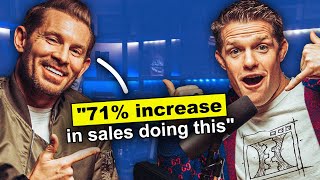
Jeremy Miner teaches NEPQ, a sales method built on listening to what prospects actually mean and using five specific tonalities to shift how they think. He made millions using it and now trains others through his company Seventh Level.
Questions this video answers
Neuro Emotional Persuasion Questioning
About $2.9 million (straight commission)
Chapters
My biggest year as a salesperson that I made commission was about a little bit over 2, 2.9 something. 2.9 million strike commission. My background in college was behavioral science and like social dynamics, how human beings make decisions. If you want to be like top 1% salesperson, you have to view that selling is collaborative. It's like you working with the prospect to help them find and solve problems that maybe they didn't know they had. So if the prospect had problems and your solution solves those, then what's the missing link? Why are they not buying from you? Well, the missing link is you. All selling is is change. That's it.
There is a direction you're taking somebody. Is there a script they're working off of?
There's five tonalities you really have to master. You have to master the, you know, curious tone. Like, then there's the confused tone, like a playful tone, the challenging tone, concerned tone. I might lean in, be like, what's really holding you back? So it's like how you shift your tone like that really cause a prospect to actually engage with you. Do I believe in scripts? You? Yes. Do I believe in sounding scripted?
What's up, everybody? Welcome back to the channel. Today I'm excited to be interviewing one of my friends, Jeremy Miner. And I'm excited because I feel like in the last hundred years, there's a lot of people who have taught sales, but the most part, it's just kind of been the same thing. And you popped up, started popping up in my newsfeed probably two years ago, started seeing it. And at first I was like, oh, no. Someone teaching sales, like, what's going to be new from here? And then as I started digging into your stuff and watching your training and going into it, I was like, oh, this is actually unique and different and. And really cool. So much so that I know I'm under NDA, but like, we're using everything he's doing inside of our for our sales teams and stuff like that.
I know when you announced that yesterday in the. In the mastermind, I'm like, I thought we had an NDA. I'm not really sure. Okay.
They're keeping secrets.
I know. Matt's like, do not say anything. We're under in India. I'm like, lips are sealed. There's only like three or four people in the whole company that know we're doing this. And then Russell comes like, oh, yeah. By the way, Jeremy, you know, some levels training are about to start training our salespeople. I'm like, oh, well, sure. Okay. Yeah, there we go.
It was interesting too. Like just you guys have context. Like we build a sales team, man, probably 15 years ago, made 60 full time sales guys. Like we were one of the first in this industry who were doing like sell something online, call them on the phone.
Okay.
And nowadays a lot of people are doing that, teaching it, talking about it. But again, like I said, what you guys are doing is a different level. Which is why I wanted to talk to you.
Yeah.
Here. So.
Yeah.
But to begin with, like, I want to. I want to get context for you. So before you started doing sales training.
Yeah.
You were doing sales and I know.
Basically, hopefully I would have been in sales before I did sales training.
How good were you? Let me like brag about yourself.
What would you like to know?
I saw stats somewhere. I don't know the exact number, but like your actual sales commissions in the year, which is ridiculous.
My. My best year, like commission only because I only like negotiated commission only jobs. So like after my first year, because I started like selling door to door, like for what would. What you would now known as Vivint in Salt Lake City, Utah. Started with Pinnacle Security, then moved to Apex, it went to Vivint. And then so I was used to like, like straight commissions. So then I got into the B2B world after that. And then everybody like, we'll pay you like, you know, this huge salary and like tiny commission. I'm like, no, no, no, no. I don't want any salary, but I want like this percentage of commission, you know. And they're always like, that's great. And I'm like, yes, really great. See, of COVID in my sales process, but my biggest year as a salesperson that I made commission was about a little bit over 2.2.9 something. 2.9 million straight commission. But there were several years in a row where I was making over like 2.4, 2.5 every year w 2 or 10 and 99.
It's crazy cuz like I see like the. The top tier salespeople and rightfully so. They're like, brag, I. I did a million dollars in sales this year or.
Whatever, which is a seven figure closer. I'm like, no, you're really not.
But you know, yeah, in my world.
You'Re not, but yeah.
So how did you get. I mean, outside of negotiating commissions, but like what were you doing differently, do you think?
To. Well, I probably had an unfair advantage. So my background in college was behavioral science and like social dynamics. So it's like really Like I don't want to give all the nerd stuff, but it's really the study of the brain and how, how human beings make decisions. So I started learning just, you know, just how to work with human behavior, I would say. So I started taking like courses from like people like you would probably know, like Robert Calledini and stuff like that. I started taking like advanced courses from just, you know, weird stuff like psychologists and stuff that really didn't have anything to do with selling. I started taking like, I wanted to learn like advanced tonality and body language. So I would hire like acting trainers and stuff that would like train you how to use your facial expressions to like convey a different tone. And so that really probably set me apart than just like reading a traditional selling book. Like you got to set goals, you got to work harder, you know, like that stuff was really boring.
Closes.
You could. Yeah, like here's the 1365 closing techniques. I'm just like, it's so transactional and so like non human that it triggers sales resistance. So I learned how to like the one thing that we really train salespeople in any industry is how do you get the prospect to let their guard down, like initially where they become open to what you're even talking about. So I started learning how to do that and selling became pretty easy at that point. Yeah, yeah.
And then you coined the, I don't know if you coined the phrase of the term, but NEPQ is your methodology, right?
Yeah, that is our methodology. So NEPQ stands for neuro Emotional Persuasion Questioning. So it's just my methodology that I developed over like about an 18 year sales crows in four different industries to B2C to B2B. Made seven figures a year in commissions in all of those industries. Multiple seven figures in three of those industries per year. And that's why we say like when people come back and they're like, oh, I'm a seven figure closer. I wanted to go back to it because there was like, I'm a seven figure closer. I closed 2 million in sales. I'm like, so you made 250 grand? That's great. But like to be a seven figure closer, you like in my mind, like you have to be earning that much per year in commission. So yeah. So if you comes from like my behavioral science background, I'm like a nerd. Yeah, yeah.
So I think in my world is two. There's two types of people who are probably listening. This one is like the marketing nerds like me who are like we said, we market Something that we had a phone call in the back, and there are people who are doing sales or want to do sales. And so maybe start from the sales standpoint. So give us some basic. Understand the principles of any pq, like, yeah, some core things that someone could grab onto and, like, start applying right away.
I mean, the biggest thing with. With. With us, with any PQ is like, you know, just one core principle that we would teach is to listen to what the prospect means, not just what they say. And that's a big difference. I think most salespeople just conceptually don't understand. Like, I might ask you what we would call a commitment question. Like, to get you to commit, to take the next step. I might say, you know, do you. Do you feel like this could be the answer for you? And you were like, yeah. I mean, yeah. I mean, that tells me that you're uncertain, that you've got concerns, whereas most. Most sales people be like, okay, he said, yes, let's go. Let's sign the agreement. But that, to me, like, I'm hearing your tone, and that tells me you're uncertain, you're concerned. I might just don't seem. You don't seem. You seem a bit unsure, like, what's going. You know, what's behind that? You know, I want them to open up. So that's just one concept that we would teach. Like, listening to what they mean, not just what they say.
Interesting. We had. This was a sales position, but one of our top customer support people had a conversation with them, and I was.
Like, how are you so good?
Like, you answer everyone's. Everyone loves you.
Yeah.
And they said the same thing. Like, they. I don't respond what they ask me. I respond what they're actually saying.
Yeah.
Like, I don't know how to teach that or how to coach that, because it's like, right. It's, you know, human dynamics. Like, how do you actually know what they're saying? But, yeah, that's why he was so great, because he was able to look at that. And how do you teach that?
It's something that. That everybody. I think there's. There's this myth out there in the world of selling and I think even marketing, that. That people are born with these skills. You know, Like, I grew up on a freaking, like, cattle ranch in the middle of Missouri outside of a town with less than 800 people. And, like, you know, I wasn't born out of my mother's womb with, like, advanced questioning skills. You know, I wasn't born out of my Mother's womb. Like, advanced tonality. Like, I wasn't born with advanced, you know. Objection. Prevention or handling skills. Like, I just acquired those skills. Like, I learned those skills. So if, if I can learn them right, Coming from a farm, that means anybody can acquire those skills. And in fact, we always hear, like, sales. We, like, I'll do a keynote and like, somebody will be like, oh, I've got the gift of the gab. You know, like, I'm so, you know, I'm going to be so great. It says, I remember I'm training this, this pest control company over the east coast here about six months ago. And, and I asked him some question and one guy randomly sit in the back and he's like, I'm brand new. I haven't started, but I got the gift of the gab. My mom said I could sell anything to anybody. And I'm like, actually, the gift of the gab is probably going to hurt you because you heard of that, that same set, you know, telling is not selling the gift of the gab. Actually, we have to train salespeople, like, actually, like, stop talking so much. Like, how to like, slow down, like verbal pace the questions that you're talking about. Because a lot, a lot of times, like, salespeople ask questions, they're good, but they ask them so fast that the prospect has no time to internalize what they're actually asking. And so that's why they get like a knee jerk, like, surface level answer. Let's say you go into a car dealership, right? And the salesman comes up, hey, how's it going? How can I help you real quick? You're like, oh, just looking.
Yeah, right.
It's a knee jerk reaction. But if I slow down my tone, if I'm, Let me get, try to get the right tone. So say they walk in, I might say, hey, hey, welcome into the dealership. Are you guys out just maybe kind of looking around today or what's going on? You know, I just slow down my tone. Are you out, you know, looking around? Yeah, we're looking around. Do you know what you're. Do you know what you're maybe looking for? Like, I'm kind of confused, right? So I draw them in. So it's like how you shift your tone, like how you slow down, like verbal pace your questions out that really cause a prospect to actually engage with you.
Super interesting. So I, I'm not a good one on one salesperson. I'm probably the worst.
No, because you're, because you talk really fast. Well, just you're obviously the best marketer.
But I'm great on one to many.
Right. Like, I.
And so it was interesting because then when I was trying to learn how to do that, like. And again, people watch me, like, you talk too fast, Russell. Which I do. But at the same time, like I was studying, I was sitting. When I try to learn how to speak from stage, like really good presenters, it wasn't just people selling. It was like religious leaders and it was other people. And that was a thing I noticed a lot was like their ability to use tonality, like speed and like loud and quiet.
And so. Yeah, it's like I start fluctuating your tone.
Yeah, I would practice that. I go and then I stop.
Yeah.
They come back quieter. You see the audience. So they lean in, lean out. It's like I say that from that standpoint.
Yeah. It's kind of what Tony Robbins does. Yeah. If you, you know, I mean, you know Tony. Right. So if you watch Tony, like, he'll like, he'll get really fast and like really emotional. Then he like slows down, like verbal pause. He's a master that, you know, obviously that's not something he was born with. Somebody taught him that, like President Obama. I'm not into politics, but like, President Obama was really good when he was speaking and that's why he engaged so many people is he would say something really, you know, prophetic or whatever his beliefs were. Then he would kind of like verbal pause and like slow down his sentences and like let people internalize and think about it. You know, I love him, you know, so that's, that's. Those type of things, like make the difference in influencing somebody or like somebody buying something from you compared to just, you know, asking scripted questions where you sound like a robot. Yeah.
So with your. When you do work, people talk about. Because obviously there is a direction you're taking somebody is there a script they're working off of or not or how does.
Yeah. As a typical. I believe in like sales structures. Like, you know, you go back to like Hollywood, you see like the best actors and actresses and you watch your movies and everything they say is pretty much 100% scripted. But does it sound scripted? No, that's because they memorize their line. So as a salesperson, you have to have a structure in your mind. You have to have questions you've got memorized. Now, that doesn't mean. Because let's say if I'm what we would ask. It's called an INPQ situation question to find out what Their situation is. And if, if they say something different, you know, that I'm not necessarily used to, I'm going to have to kind of change that next question I'm asking on the run. But I'm still in my framework, if that makes sense. So that's why in NBQ we have everything from connection questions to situation questions to problem awareness to solution awareness to consequence and so that's why we've been able to go into any industry, we're in 161 industries now and be able to duplicate that process. And it doesn't matter if it's selling insurance to, you know, you know, coaching and consulting or, you know, cars or cybersecurity, doesn't really matter. The industry we're able to duplicate because we have all these salespeople on this framework where they know what they're looking for. And sometimes they have to relanguage the question based on the answer they're getting from the prospect. Makes sense. So do I believe in scripts? Yes. Do I believe in sounding scripted? No. Yeah, that's.
I've seen. I mean, you know, you get on phone with salespeople and the worst ones, ones where you like throw a little detour in and they're like.
And they don't.
They come back and then they just.
Go to the next question. Yeah. They're like, ask you the same question again. You're like, I just, you know, they sound like a telemarketer. Right. And it's. That's bad. But it's, it's also, it's kind of like it's both are bad. It's like the ones that just kind of wing it and don't really know where they're going. Like that's not going to work. And you can't sound scripted. So that's where your tone comes across. You know, we, we train. Like there's five tonalities that you really have to master. You have to master the, the, you know, curious tone. Like, walk me through what do you guys do to, you know, generate new leads and clients now, like, if I'm selling leads to, say, a real estate agent, whatever, you know, then there's the confused tone. Like, I'm not understanding how, how did you mean when you said xyz? That's a confused tone. Right. So why do I use a confused tone when I want them to clarify or probe? Because that would cause the prospect's brain to be like. And they don't even know what's going on, but it causes their brain to be like, oh, I didn't, like, really tell him. I didn't really explain that really well. I need to clarify it better. So that causes them to go deeper into that, like, maybe problem they're talking about. So it gives them to relive their pain. Right. So a confused tone would do that. If I didn't use a confused tone there, you know, if I used a curious tone, like, oh, what. What happened when you said that? I think it doesn't do anything, right? It doesn't get them to internalize. Then there's like a, you know, a challenging tone. So you're not going to use a challenging tone at the beginning of a conversation. But I might be halfway through and I might be saying, so, so what happens if you don't do anything about this and the situation gets worse? See, that's a kind of a challenging tone where they kind of push back, like, no, I need to do it now. Right. But if I didn't use that tone, I wouldn't get that emotional reaction. And then there's like a, you know, a concern tone. I might lean in, be like, you know, what. What's really holding you back? You know, that tone, that shows empathy, right? Because then that communicates. See, my tone is how the prospect interprets the intention behind every question I ask, right? So they feel I'm concerned, they will typically trust me more and start to emotionally open up more. If they don't feel I'm concerned, they shut down. So. And then there's like a playful tone. You know, let's say if. If somebody, like, comes to a call and they're late, you know, I might say, well, what are we going to do with you, man? What's going on? Or I might, you know, like, if they're like, hey, how are you doing today? I'm like, you know, just hanging out, being the boring guy. What about you? You know, playful tone. So, like, all these type of tones influence the way the prospect's brain will react.
Do you try to hit all of them in every conversation, or is it. Is it based on the type of question or just kind of depends?
Based on the type of question. Right. So typically, if I'm in, and it depends on the industry, like, so if I'm, let's say, am I asking connection questions to, like, take the focus off me and put it on them? I'm going to use more of a curious tone, like, oh, you know, you saw the ad. Like, how long have you been following Jeremy for? Oh, you follow him on ig. You Know, just. That's a connection question, you know, so I'm going to use more of a curious tone there. Confused tone would probably be more used, like if I'm probing, you know, like if you tell me a problem. Hold on. How long has that been going on for? See, that's a confused tone, right? So if I'm probing, I'm probably using more confused tone. And it's something I. It's something I actually learned on the. I know it's crazy, but it's something I learned on the doorstep. So when I started selling door to door, there just wasn't much training, right? They give you a script. Here's two books by, you know, some gurus who haven't sold anything for 40 years. You know, they're like 90 years old. I'll. And I'll be 91 day too. So I'm making fun of myself. But they're like, hey, just go out there. It's going to be easy. And so I learned when I knock on the door and be like, hey, you know, it's. It's Jeremy, I'm with XYZ company. And the reason why we're out here. And they'd be like, slam, not interested. You know, just really quick because I would just go into, like, talking. And that's what every other salesperson that was knocking on the selling anything was saying every day. So I'm like, okay, what am I supposed to do? And this is when I first started learning, like, the. What we would call pattern interrupts. I didn't call it that back then, but I'm like, how do I break this pattern where they, where it triggers curiosity? Because I was learning about, like, how do you trigger curiosity in the human mind? So I knock on the door and I started, like, changing even everything I wore. So I started wearing, like, khaki shorts. And everybody wears them now. It's like, I don't know if they got it from me, but khaki shorts, regular, like, T shirt. I would wear like, the old man New Balance shoes. You know, the white old man shoes, the comfortable ones. I wear that I put a tape measure on the side because you got. You got to tape, you know, measure where the alarm is going to go. And then I would wear like these weird, like, just regular glasses. I'd wear like a $10, like Walmart watch. And then I would have like, this, like, those metal clipboards type of thing. Like, you're taking a survey, right? I wanted them to view me as like the survey guy or the meter reader. And then I bought like this construction, this is back. So I'd buy like a, I bought like a lime green one or like an orange one. I knock on the door and so I'd be like, like looking around the roof and everything knocked on and they come out and they're like, how, how can I help you? I'm like, yeah, are you guys the, are you the, the, the property owners here? And they're like, yeah, we're the property owners. What's going on? Like instantly pattern triggers curiosity. And so I learned just how to do that. And I, instead of knocking 100 doors to get a sale, I literally could knock on five and I would sell three out of five. And everybody's like, you know, this guy doesn't work hardly at all, and he makes five times more money than all of this. Like, what the hell's going on? So that's kind of how I started learning how to I trigger curiosity from the interesting.
That reminds me of a Dan Kennedy or no Gary Halbert story. Gary Halbert was doing direct mail campaigns and like he was doing, he go to the seminars like this how you do direct mail, you do this. And so he would like do the same thing. And then one day someone asked him a question like if, if your family's life depended on somebody actually getting the mail, opening it, what would you do different? He's like, well, I wouldn't have body copy on the envelope. I'd make the stamp crooked. I'd use blue ink. And so he like went to exercise and he's like, what if I did a campaign that way? And so he wrote this one page sales letter, it's famous, called the coat of arms sales, that if you want to see it, had a whole team of people who hand write in blue ink, put a crooked letter on it, mailed it. I think that letter got mailed like 100 million times. Like the most male direct sales letter of all time. Made him a multi billion, you know, whatever. But it's because that thought of just like everyone's doing this. How do I do the opposite?
Yeah.
And see what happens.
It's always the opposite because like when you, you know, like I'll do a real on like cold calling. You know, there's this, like, there's this one industry where we've like really dominate. I mean it's the, you know, the second largest injury train now is real estate. So that's like commercial real estate agents, you know, residential real estate, and then investors that call distressed properties. And so there's this huge company. You probably know them, but anyways, I can't say who they are. There's this huge company. There's a huge company that we train. And they were like, you know, we suck at cold calling. Like, we have these list. And so I wrote this cold clients group. We're actually getting a 71%. So when a prospect answers cold, straight cold call, 71% now moved from them answering to booking a next step appointment, which is unheard of in cold calling. And so what I did is I'm like, okay, I've got to learn how to. I've got to do a pattern interrupt. So I can't sound like all the other cold callers calling these properties. Like, hey, I'm with xyz, you know, real estate, and we like your house. And would you be willing to accept a, you know, a cash offer, 30 days, you know, and they're like, yes or no? And then that's it. And like 99.9% say no, right? Because they're just salesperson selling me something. So, like, I'm like, okay, so here's what I want you to do. I want you to go print off the property tax records of these homes you're calling. They're like, what? I'm like, no, just do it, because you gotta be authentic. I want to literally print off the property. You can get property tax records over these homes you're calling. And so when you're calling them, I want you to hold them in your hand and I want you to, like, make noises with them. So, like, when you call. So it's. It's like. It's red. It's like a total pattern. Like, because when. When you call. You want me to do it? Yeah, I have to do it. Okay. I got to get the right. You got to.
Yeah.
I need actually some papers that actually be better, but paper back here. Anybody got any papers? We got any papers? Oh, yeah, perfect. Give me some papers here, see if I get it. So when they call, let's see if I can remember this. They're like, you know, this is Jenny. Yeah, Jenny, it's Jeremy Miner with XYZ company. I'm holding a copy of your property tax records of your home there and five. Five Will in Savannah. I was wondering if you could help me out for a moment. They're always like, yeah, sure. Because nobody's gonna be like, not interested when you say, I'm holding a copy of your property tax records of your home, 75 Willis Street. And see, I'm doing this. They're hearing that, they're like, yeah, what's going on? I'm like, well, and I'm not even sure if it would make sense for us to talk. So that's like a push them away type of thing. But I'm not even sure it would make sense for us to talk. I represent a group of buyers that are. They're actually looking to acquire. There's like five or maybe six different properties there by your Willow Wayne property. And they were having me go through your property tax records on that home, and they asked me to call you to see if you would be opposed to having a conversation about possibly even selling it. Should we, should we be talking about that 71%? Yeah, sure. What's going on? You know, and it just triggers curiosity. So a couple of things that I just said there when you're doing this. So I did, I remember I did a real. On this one time. Like, that would never work. I can't believe it. But then people in the company that we were training, they're like, dude, we're getting like 71% response rate. Like, you guys just keep doing what you guys are doing. Like, it's not going to work. But it's just an example of a pattern interrupt because nobody's going to hang up the phone because you're holding a copy of their property tax record. So it triggers curiosity. How do you get my property tax record? Who are you guys again? What's going on? And that's all I have to do is I just have to trigger that pattern erupt to get them to want to engage back and forth and then just build the gap. So that's just an example.
So. So the last set of questions I kind of ask you now because obviously from the sales standpoint, this is insane. Like, all these are such cool things. But after you were a salesperson, you went and you built your company now where you're doing sales training, stuff like that. So a lot of the people who follow me are marketers or funnel builders are doing stuff like that. And so, um, yeah, but I remember for me, like, I. I was an Internet nerd. And so before we ever had people on the phones, like, I was like, you sell things through email and through. Like, that was how we did things. I remember the very first time I actually had a friend working with me who'd worked at a call center. And he was like, he was kind of shocked the other way. He's like, I can't believe people buying things through email. Like, we had to on the Phone.
Yeah.
And this is. Man, almost 18 years ago. That's collapsing. Yeah. And I was like, how do we save this? And he was like, let's figure out a way. So I sent an email and I sold. I remember it was a free dvd. People would buy the dvd. And then he called him on the phone. He's like, hey, you bought the dvd. And then he sells something. And we did that in the very first month. We made a 50, 500 offer. And first or see, the first week he sold it, we sold 11 of them. And I remember I was like, we made more money here. And he was like, anyway, so it was like this yin yang of, like, the funnels and online marketing and the phone sales. I just love you to talk about, like, for people who are primarily just doing the Internet stuff, like, yeah, adding this piece on the back end, like, how can you transform a business?
Yeah, I think. I think you have to have the. The. The. I think you have to have the right. You have to know what to do. So there's so much, like, there's so much out there. Like you said, like, everything's been the same for 100 years. Like, to me, communication goes all the way back to, like, the dawn of mankind, you know, Like, I'm. I'm, like, very philosophical. But, like, if you look at, like, you know, you study the Bible, like, the war of heaven, right? Everybody's like, oh, there's a war of heaven. But, like, do you really think about what that means? Like, there. Was it a war of, like, tanks and, like, guns and, like, swords and, like, fist fights? No, it was a war of words. It was a war of influence. It was a war of persuasion. So to me, like, selling, like, when you understand what selling means, it's not, like, adversarial. Like, it's not you against the prospect, trying to win them over so you can make money. Like, that's what average salespeople do. Like, if you want to be, like, top 1% salesperson, or if you want to, you know, company that scales, you have to view that selling is collaborative. It's like you working with the prospect to help them find and solve problems that maybe they didn't know they had. Like, you heard me in there talking about, like, well, how are you seeding a problem in their mind? Like, you know, because a lot of people just don't know what they don't know. So I think a lot of marketers out there, I think you're so great at seeding problems. I think if you just took what you're doing in marketing and actually applied it to sales because you're good. All these marketers are so great at seeding problems in their copy that the prospect starts to internalize and maybe didn't think they know they had. But then when their salespeople get on there, it's like they ask two questions. You know, what's your biggest problem? What are you looking for in a solution? And then the prospect tells them a problem. They're like, oh, well, let me tell you how we solved that. And they go right into their pitch, right? It's like, exactly opposite of what you're doing in your marketing. So, like, once you. Once you learn how to, you know, ask the right questions the right time at the right tone, and you help the prospect find problems in their mind that they didn't know they had, they start to view you more as like the expert, right? Like the authority. That's how they view you in marketing. Right? So if you transfer that into sales, which. That's what we do, you know, human behavior, it's actually really easy to sell. Because what I always say here is, like, when I. When I. When we train salespeople, companies, we're like, who has the problem? You are the prospect. And they're like, well, the prospect has it. I'm like, yeah, the prospect has the problems. Who has a solution to solve those problems? You do. So if the prospect have problems and your solution solves those, then what's the missing link? Why are they not buying from you? Well, the missing link is you. It's what you're saying. It's what you're not asking. It's. It's how you don't understand how to use your tone. Because the prospect has the problems, your solution solves those. It should be a pretty good match, right? And so what we train salespeople is like, how do you. How do you get the. Since the prospect has the problems, how do you get them to do all the work? See, I don't have the problem, right? The prospect has the problem. So how do I get the prospect do all the work? How do I get the prospect to sell themselves? How do I get the prospect to overcome their own concerns? And how do I get the prospect to pull me in? Whereas traditional sales training would be like, you got to do the work, you got to do the convincing, you got to do the persuading, you got to overcome their own objections. Like, you got to push and pressure, and that's only going to get you to, like, a certain level. And I Think that's where a lot of marketers just, you know, they don't know what they don't know because they're so great at marketing that what they're doing in marketing, if they just learned how to put that into their sales team, they would actually blow up times 10. And that's. That's what we do. Yeah. Yeah.
So cool.
Bunch of boring stuff, you know. Yeah.
Tons of money. Well, I appreciate you coming out and, and sharing the stuff. Like I said, I talk about marketing with my people, but never talk about sales. And like I said, I'm super impressed with just how unique your angle and direction is on it.
So I think, like, like I said, it's like so many marketers, like, I see your stuff and everybody stuff is so good at seeding doubt in the prospect's mind through just things they say and they ask and framing and looping. And I'm like, they just don't understand how to do it on the sales side. And they're just so used to, like, you know, our salespeople are going to buy this book from the sales trainer that hasn't sold anything for this book and figured out it's like, you know, like, boy in the room selling type of techniques. And it's such a disconnect from the prospect going from their company, which seeds that and, like, sets them up. And then they get on a sales call and it's like, you know, they're trying to, like, you know, push and pressure them. Now, that doesn't mean you get to the end of a call or a zoom appointment or in person, you're like, well, let me know if you're interested. You know, email me back. Like, that's not going to do anything as well. You have to, like, we always say you have to build a gap. Right. It's like you have to help the prospect understand what the real situation is. Because as you know, when you do copy, most prospects don't really understand what the real situation is, do they? Right. It's your job as a marketer or salespeople to help them understand as a salesperson, you can't tell them what their real situation is. You can't tell them their problems because you're biased. That's just going to go in one ear, out the other. Your questions have to get them to start to internalize and tell themselves what their problems are. And what that does is it starts to build a gap. So we call this like their current state or current situation, building a gap to what we would call their Objective state. Like what does their future look like once the newfound problems are solved? How do you build a gap? Like I said, you can't tell them what the problems are. You're questioning. Your tone allows them to internalize and to tell themselves their problems. And what that does, like you guys do in marketing, is it builds massive urgency for them to want to change. You know, what's the biggest emotional driver in a human being that causes them to want to change? Pain or the fear of future pain. So if you can help the prospect relive their pain or at least have the fear of future pain, like what are the consequences? If they don't do anything, then they don't feel like they need to change. And if they don't feel like they need to change, there's no urgency for them to do something. So, you know, that's the biggest, that's the biggest thing. And I always say selling is about change. There's nothing else. But how do you get a pro, a human being to change? Because human beings don't like change is you have to help them overcome that fear of change to actually get what they want. Yeah.
So good.
Crazy stuff. Yeah. So you started following me two years ago, huh? We were, I mean we weren't even that big too. Well, we were decent size two years ago.
But yeah, very first time you come in your circle, I was like, hey, oh really? I remember because you kept coming through ndpq. I kept seeing that over and over and over again. And first I was like, oh, she's ra. He's rapping something different. But then like I kept seeing. So consistently when people are consistent, I start, I'm always like they're doing something or they're not going to be this consistent. I started looking deeper and I was like, oh, this is actually different. This is really cool.
Yeah, I, I, like I said, I hu, you know, behavioral science, social dynamics, like there's not, you know, there's not much out there on that. So we, we have a little bit of an advantage, you know, but there you go.
Well, essentially as I, I've been, you know, we started down this journey with you guys are working with you just finding other people I knew were like, oh yeah, they're, they're training our whole team and they're doing like this, like it's really fascinating.
They're everywhere. Yeah.
How many people's hands you're in, applying the stuff and just making the, the sales world better inside out.
Which is amazing. I mean it's really fun for me, like it's I really like it. Like, you know, it's gonna be fun to see. Like, we had an offer to like, you know, for a company to. To buy us. And we're like, Chad. But I mean, it's just money. Like, I actually really have better have fun.
You know, I think for me, like, when I started teaching funnels to people, my favorite part was seeing all these other industries apply it like that I'd never been in, but I was like, I knew this. They still work.
Yeah.
Probably similar for you. It's like, I can't. This works here.
Here. Yeah. Because I was only in four industries. I was in 2B to B 2B. I mean, there. So I was in like, financial Debt Relief Services, B2B. I was in network marketing. Made a lot of money there. B2C. You know, door to door, B2C. And then I sold, like, financial events stuff, B2B and B2C. So I was only in four industries. So when I started seventh level, like late 2018, which was just me and my assistant, I actually won that two comma awards. You want me to tell you a funny thing? So that year that I started as me and my assistant from my job, and I did three webinars, made like 1.3 million in sales, and I spent 1.8. So I'm like, I lost 500 grand my first year. I'm like, oh, it's not good to keep losing 500,000 every. I'm like, how many more years can I keep losing half a million a year and like, unretire and go back to work? So I'm like, you know, then I started like, figuring out, like, oh, I need a team and I need to learn how to do some stuff, you know, because you could, you can have, like you said, you can have the best product or service in the world, but if you don't have a team around you to. To market it and to, you know, to get a great CEO to run the business and those type of things, you're really. You're going to struggle, you know, so it takes a while to. Yeah, it takes a while to grow. It's. It's frustrating, right, because you, like, you have a successful career, like, oh, I'm just going to go in here and like, in a month we'll. We'll be up here. And it's like, oh, well, you have to build, like, an infrastructure and like, all this stuff, you know, that I didn't know about, you know.
Thanks, man, for being here. Appreciate you. Thanks for having me on More about APQ and you. And everywhere's the best place for them to go.
Let's have them go. We'll give them one of our free Facebook groups. Let's have them go to Sales Revolution Pro. We'll get about a hundred thousand people in there, sales people, all different industries, and they can go there. You know, we'll give them little nibbles and we go live in there two or three times a week. Two or three times a week. Different trainings and interviews with clients from all industries. It's kind of fun. And if they want to purchase one of our books, they can go to barnes and noble.com we have a Barnes and Noble bestseller and Wall Street Journal bestseller. Amazon bestseller. Don't buy from Amazon. We have a deal with Barnes and Noble. I will get upset and type in the new model of selling Jeremy Miner or Jerry Acuff New model of selling Barnes and Noble.com. it's a good book. Yeah.
Bezos has gotten money. Don't go to Amazon.
I know. Don't go to Amazon, please. You know, I think it's like 50 cents more from Barnes and Noble. So, you know, we have a deal with them. The more books they sell online, the more shelves in their bookstores over the United States they put. So no Amazon. I like Amazon. I'm sure we have book sales there, but there you go.
That's awesome. Thanks for having me on. Appreciate you and hope you guys enjoyed this interview.
I've been enjoying, like, just doing the. The. Just walk around of your office and seeing like, all the books you collect and all that stuff. Like, I'm an avid historian. I'm like a geek. I like watching like the History Channel and like, documentaries all night long. Saturday night. I'm like, oh, man, this is great documentary on like the German collapse of the. The World War II, like in Bulgaria, you know, like, people are like, why do you watch that weird stuff? I'm like, I don't know. I just really like history sounds so cool. So I love seeing all your stuff, you know, especially with the LDS church and stuff. That was pretty cool. Yeah. Good stuff. Very cool.










