The Unconventional Truths Of Wild Scale - Sabri Suby & Dain Walker Podcast
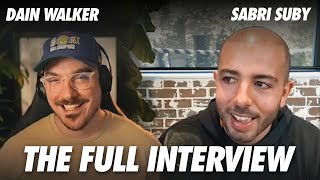
Interview (YouTube) with Sabri Suby, founder & CEO of King Kong and author of Sell Like Crazy, discussing digital marketing, sales, and entrepreneurship. Key themes: COVID-driven acceleration of online attention, value-first content and email as enduring channels, the primacy of sales skills, building polarizing authentic brands, company culture, and global expansion. Practical advice for founders includes focusing on psychology over platform, leading with value, and ‘selling yourself’ and your vision.
Chapters
Founder Sabri Subhi joins me now in the studio. I really look at business as an incredible vehicle to really make good and make change in the world.
You're listening to the Devour podcast where we discuss strategy, sales, branding, marketing, and tactics for the seriously hungry entrepreneur with myself, Dane Walker. Today we have Sabri Subie, sales genius and CEO of King Kong, one of Australia's fastest growing companies. Author of the book Sell Like Crazy, which I'm going through round three of. I love the book. He's generated over a billion doll in revenue for his clients and that number is certainly growing. Sabri, welcome to the podcast.
No problems. Thanks for having me on. I appreciate it.
Excited to have you here, man. This is our second conversation. We dived a bit more into your story last time and I guess understood a bit more about where you came from, your background and so on, which I think is fantastic. But what I would certainly love to pick your brain on today is just what's happening today in the market with COVID going on, it feels like, you know, a lot of feathers have been ruffled and a lot of people want to know how can they make the most of this opportunity and what are some things they could be aware of? So the first question I have is for those that are listening, you know, and starting off in business, what are some things that people should be aware of? I guess if they're starting things or they want to expand themselves in the digital format, what are some things that people should be aware of when they're approaching online branding, online marketing and online sales?
Yeah, well, I think that really what Covid's done is kind of fast forward the growth of what's happening online. Like if you have a look at, you know, people, time on screens on people's mobile phones has doubled since COVID and since lockdowns and social distancing. So you'll literally have like twice as much inventory to reach eyeballs, you know, using digital marketing. So it's kind of taken what would be maybe, you know, a slower kind of trajectory over maybe the next five years and kind of compressed that down into a 12 month period. And, you know, that's like forcing a lot of adoption upon people that, you know, would be reluctant to adopt these things. They don't really have any choice. Like people like, oh, I don't want to put my credit card online or I don't want to engage in this. Like, I want to meet someone face to face. Well, tough luck. That's. You can't do that. Right? There's A lot of countries in the world that you can't do that in right now, or you haven't been able to do that over the last 12 months. So that's kind of. They've had to kind of cross this barrier and this hurdle. And once they've crossed that, that adoption is there. Right. And that habit is forming. So there's. There's one part where it's kind of compressing all of that down into a concentrated period. And then just the amount of time that people are spending on social media, like literally smartphone usage has doubled, meaning that you can reach a lot more people, they're spending a lot more time on these channels, and they're going to be consuming a lot more content. That's just kind of like what it is that you need to be aware of. And now more than ever, like, people are bored out of their brain, right? Just in general. And with lockdowns, that's just amplified that like crazy. So people want to be entertained. And if you're putting out content that is very dry and dull, like, you're going to have a hard time in getting any traction at all. And that's just something that people, they don't really think about. They're like, oh, I'm in this business environment. I need to actually a certain way. I need to button up, I need to act professional, I need to not swear. I need to do all of these things. And it's like, dude, you're selling to human beings. These are people that are watching Netflix shows, they're looking at memes, they're on Reddit. Like, they're, they're already engaging in this way. You just need to speak to them how they like to be spoken to. Right. And that's just one of the things that's even more apparent. There's this. A lot of people spending time online, more than ever, they are boreder than they've ever been. And if you're trying to serve them up boring content, you're really not gonna get any traction.
Yeah, I gotta agree because, you know, you just go for a walk through Instagram, Facebook, even YouTube now, and it's just there's so much content that feels a little bit dry, generic, useless. And I think one of the pitfalls I've seen a lot of new business owners fall into is they try to come from a very corporate approach. And they try to, you know, they try to be very formal about launching their company. And I think, like you just said, you just gotta be real, gonna be human. I mean, Gary Vee is the most sought after speaker and the guy wears a hoodie and sneakers on stage. And one thing I love about you, Sabri, is that you use very polarizing copy. You know, I love your emails. You know, for those that want to know what I'm talking about, subscribe to Sabri's email list. But yeah, I find that the way you deliver yourself is very strong. It's very punchy, and you kind of don't really care what people. If people have rebuttals, I think you just, you speak the way you intend to help people and that attention comes through. But yeah, what would you say the reason behind that is? Is there any strategy behind how you write that copy or is it just you just, you know, being disruptive and being yourself?
Yeah, like, one of the things, I guess that's like, you know, one of the pros of being an entrepreneur is that like, you know, you can kind of do what the fuck you want, right? And that's something that, like, I love it that I don't have any investors to like, you know, tell me that I have to act a certain way or I need to be this different person. Like, the same person that I am on this podcast with you is the same person that I am, you know, with my videographer who's filming us, or with, you know, my family at home. Like, it's like, I don't need to worry about what I say because I speak the truth. So I never need to remember what I say. And that doesn't mean that I'm not gonna poll, I'm not gonna be polarizing, I'm not gonna rustle some feathers. But that's just the kind of person that I am. Like, I'm not everybody's cup of tea, but I'm some people's whiskey, right? And, and, and it's that relationship with those people where they know what they're gonna get when they tune in with me, and it's just gonna be having a raw conversation. It's not like, oh, I've got, you know, billion dollar clients and I can't speak this way because it's gonna upset them. Like, I really believe in, like, meritocracies and being rewarded by the merit and the value that you bring to a relationship, not what you wear or, you know, how you speak. It's ultimately the intrinsic value that you provide to.
I love that. And I think that, like what you said before as well, you're not trying to speak to everyone, you're trying to speak to those that are Willing to listen, those that are willing to do something, and I guess those that are willing to understand the value that you give. You know, one example I grew up with recently, and I know you've met him and you're a fan of him as well, but Grant Cardone, you know, and I guess here in Australia, some people don't like him. But it's interesting. I talk to people all the time. They go, hey, how did you pick up all these sales techniques? And I go, well, you know, I went to Great Cardone's university. I've read his books, I'm a fan of his. And they asked like, oh, I hate Grant Cardone or whatever. But even if you dislike maybe his approach on some things, it's interesting how people don't look at, well, look at the immense value that he's created, the empire that he's built, the sales techniques that he has, the charities that he runs. It's interesting. What do you think it is that I guess, blinds people from seeing the true value behind things? And I think entrepreneurs, they dig deeper on things, but do you think there's something blocking people from, from taking value out of those situations?
Well, look, it's those same people that you rustle the feathers who would not even know you if you didn't rustle their feathers, right? So, like, you have to be polarizing. Like, you look at, like, you know, the highest paid, you know, podcast and radio personnel and all of these people, like, they've got polarizing views. And the very, very first 101 rule in business is to get intention. I get attention. And the quickest way to become invisible is to try and cater to everybody and to try and please everybody. The moment that you do that, you are dead. It's it. There's nothing to even talk about. There's no way. At least people are talking, you know, about Grant and they're talking about people that are polarizing. The worst thing that you want is to be like vanilla plain rice cake and for no one to know anything about you. And that's just, you know, you are going to upset some people. It's impossible to please any. Everybody, right? Even in the best restaurants in the world, food is being returned to the kitchen. So it doesn't matter what it is that you're doing. It's just, it's going to be something that you. It's impossible to please anybody and it's a fool's errand to do it. And you'll just go broke because no one will know your name.
I love that, yeah, it's really sound. And again, it's, it's a matter of. Yeah, be being your own voice and not trying to be vanilla, you know, not trying to be for everyone. Sabri, looking back at the previous few years and I know that you've had quite, quite a rapid acceleration in your career and I know that it wasn't always that easy. What do you think the moments were where things started to shift for you? Because again, I believe that you've been like this since the start. Yeah. And I think that people have connected with you for this reason. They go to other marketing agencies and they get the vanilla corporate suit approach. They come to you and you're just dropping this amazing value and things that they've probably never heard of before. What were some of the moments where I guess, you know, you didn't have luck but you kind of created fortune or created opportunity for yourself. What were those, those, those moments where things really started to pivot for your agency and your career?
Yeah, for me there wasn't any like clear like distinct ascension point where it's like this moment in time happen and like the clouds parted and the angels sing. And it was just this amazing moment for me. Like, you know, I've been at this thing grinding, getting my teeth kicked in since a very early age. I've been running businesses since I was 22 years old. You know, it's like that thing that Warren Buffett says. We're like, you know, everything great in the world happens from compound interest. And I believe that like I have been certainly earning my stripes and paying my due since, you know, I got my start in sales when I was 17 years old. And it's really just a compounding effect. If anything, if I was to kind of pick one point, it would probably be when I transitioned from doing one to one selling and cold calling people and drumming up business that way and took that sales message and started to put it on Facebook ads and all these other different delivery vehicles that would basically expand the reach of my sales pitch to multiple people. And I wasn't limited by the clock and that linear kind of relationship with that one to one conversations.
Yeah. So you and I have a similar background in the sense that we both grew up in sales. For those people that particularly might not have that background, what are your advice to the folks that are starting a business, but they've never done phone calls, they've never done door knocking because sales is crucial. We gotta agree that sales is, it's the heartbeat of running a company. So I Find oftentimes people that don't have that background, they struggle. So, like, do you have some advice for those folks? Do you have some things that they can start executing immediately?
To find someone, find a business partner that can sell. Otherwise you're gonna have a hard gig, right? You basically, the way that I look at it, there's two ways to go about it. One, either you find a business partner that knows how to sell like crazy, or two is that you really dedicate yourself to becoming a master at sales. Because it's not one of those things where you can outsource. Like, you have to understand, understand how to do it. Even if you're going to hire salespeople, how do you know what they're doing well, how do you coach them? How do you train them? And unless you know how to do that, you're going to have a very, very tough gig, right? Because that is like, sales is the lifeblood. It's the oxygen that fills the lungs of a business. And it's not like, oh, let me just go and just focus just on the product. Like, there's people that have the best products that are broken, right? And that's more common than people who don't have a great product that then know how to sell that product. Right. And I'm definitely not of the belief of, you know, you should just be really good at sales and you should be peddling a shit product. That is the opposite of what I'm about. I'm all about how do I create a product that is 10 times better than anybody's product on the market, right. And really, really think about that and meditate on it and make it incredible, then aggressively market the living shit out of that product. Right? So it's not either or in my book, it's both. And you have to know how to do both. But if I had to only pick one, it would be the sales piece.
Yeah, yeah. So you're saying that, yeah, sales is the north star of a business. It's. It's the, it's the main thing that's gonna put money on the table. And again, like, again, sales skills comes with a lot of ability to negotiate. You know, you're not going to get pushed around by clients as much. You're not going to get. People aren't going to shortcut you on the price and things like that. So I think that general sales tactics and methods are going to help anyone in business. And I think anyone that runs a business that thinks that sales is not helpful, like you said, is like A blind squirrel trying to find a nut. You know, it's not.
Yeah, and let's clarify on that, right? It's not like when we're talking about sales, we're not just talking about going out into the marketplace and doing a transaction for money. Like, we're talking about recruiting people into your company when it's just you working out of your bedroom, right? We're talking about, like, negotiating contracts for your offices. And there's so like, it all comes down to communication and sales. And it's not like even once somebody is within your organization that your job stops. Like, you need to always be selling your vision. You need to be selling the future and what's to come down. Like the pipeline stuff that you're working on and where you're trying to take that company and keeping people sold and engaged on what it is that they. But there's one thing that trumps all of these things that we're discussing, and it's really having the ability to sell yourself. Right? Because, you know, all entrepreneurs suffer from the shiny object syndrome. They're looking at their other friends business and going like, oh, like that would be so much easier. That E Comm business would be so much easier to run to this business, or that consulting business would be so much easier to run. Or what about Bitcoin or Dog Coin? Let me get, let me go all in on these things. It's like people always looking for that easy path that shiny Object to take themselves. And the people that do that, they haven't sold themselves on what they're doing. And that's the most important thing to do every single day, is to get sold on the opportunity that you're working on right now. Because if you're not sold, you can't sell your. Your team, you can't sell clients, you can't sell anybody because you're not sold. And that's realistically the most important thing that you can focus on.
That's powerful words. I think. Yeah, you're right. Because if people don't have the conjecture to follow through and they're seeking external appraisal or people to approve what they're doing, I think that that's not an entrepreneurial way of living. And I agree with you. You're seeing all these kids going, I want a Lamborghini by 23 and I want to run an E commerce store like Gymshark. And I think that, yeah, shiny object is certainly getting in the way of what maybe real entrepreneurism is. What would you define a real entrepreneur to be? Like what do you think of the traits that make someone a legitimate full force entrepreneur in the marketplace?
Look, by definition really an entrepreneur is somebody that, you know, takes risk and it's somebody that takes, you know, a good or a service and at a lower value and sells it at a higher value. Right. But there's so much to read in between the lines of that. For me, you know, you, that you can, you can get short lived success. Like it's, it's, I'm not going to say that it's easy but you can get opportunities where you might just hit the market at the right time with the right product and it might be like a fad that you ride and you launch some drop shipping shop and you run that for nine months and you know, you sell the business for one or two million dollars. Effectively you are an entrepreneur. Right. But for me, in my mind it's somebody that's got a lot of grit and determination. And the thing that I look for is people that can withstand the hottest fires and go through a lot of adversity and still get success in a long period of sustained time. That's the biggest thing that I'm looking for, somebody that can rack up multiple wins or can really withstand the test of time for generations and still be successful. Not just have a lucky exit or flip a business or sell some custom printed T shirts or whatever those things might be. Yeah, like to those people they're making money, they could label themselves as an entrepreneur. But the thing that comes to mind to me is like grit. Someone that can go through a lot of adversity and still stick to the path and get the job done.
I love that. And I know you've worked with some of Australia's biggest companies, real estate companies, mortgage brokers and so on. And I know you're working with a lot of new companies. What are you seeing happening right now in the marketplace? Because you work with a lot of people from a lot of different walks of life, a lot of different backgrounds. What do you see is changing right now? Have you seen a dramatic shift anywhere in the marketplace of the past 12, 24 months?
Look, there's definitely some industries, there's like, you know, a lot more search traffic on Google. As I mentioned before, you know, there's a lot more people spending time on Instagram, on Facebook, but there's a lot of fluxes out there in the market like cpms on Facebook and certain advertising channels are going up. But then also to combat that, you're getting way more time on site. So look, digital and the home, like landscape in general is there's always lots of changes. And that's the one constant thing that you can, that you can say, and that's one of the reasons that I say, don't focus on the technology, focus on the psychology. Because, you know, things are changing every day, like ad targeting, like attribution, windows, all of these things change all day long. So, you know, you get these geeks that are just on their computer focusing about like the most pristine ad structure and their whole business model is built around that. But that's going to be, that's not going to be the same in 12 months, right? So you're building a house on quicksand. But the thing that hasn't changed in the last 150 years is human psychology, and it won't change in the next hundred and fifty years. So for me, I look at the timeless things that I can like, focus my energy on that I will collect compound interest on, right? So I know that, you know, if it's TikTok ads or whatever that medium is going to be in the future, I can apply what I've been in my dungeon focusing on in the depths of mastery and then applying them to all of those new channels that are going to pop up and just crush it on those mediums. Like, if you asked me, like, what am I the most excited about, it would probably put most people to sleep because it's still email, right? Because email is still the workhorse and all these things come and go and chat bots and blah, blah, blah, blah, blah, and Zucks is out there and ad accounts are going down and Tim Cook's murdering attribution and all this stuff's happening, right? But the one thing that's true is that Captain Subi still has his email list and I'm in control. I'm in control of that. And I can use these channels and funnel people off onto my list and then I can bombard them with value and I can start a relationship with them. So for me, I'm always going to be focused on what are those big needle movers that aren't going to change next week.
Yeah, that's a really good point because like you said, you don't want to build a house of cards on quicksand. It's just, you know, maybe gonna make quick bucks now, but six months from now, maybe that platform is not gonna integrate the right way. You know, people are talking about clubhouse this, TikTok that, Twitter this. You know, all these new things that are happening but you're saying that perhaps zone out and maybe look at things from 80,000ft above and go, okay, well, looking from the top down, this is human nature. These are people in the marketplace that are driven by certain distinctive qualities and certain behaviors. And I know that you study psychology, you studied the history of marketing, the history of advertising, and so on. What are the things that you think carry across any platform? What are the main items that you look to use as tools across any social platform, any. Any method? What are those things that you take and apply in every situation psychologically?
Yeah. So, you know, the fundamental one is the currency of value, right? And there's so much skepticism in the market right now. And you do have those kids that, you know, standing in front of the rented Lamborghini. You know, people. You know, all these people online, the Internet is littered with these gurus, right? So what that does is it just. I imagine that when somebody arrives on a piece of collateral, of marketing collateral that I have put in front of them, that their bullshit and skepticism rating is at 100%, right? They're already topped out at 100%. So whatever claims that I'm going to be making in my copy is going to just constantly fill up that bucket and overflow, and we're going to get up to 120, 150% of like, their bullshit detector going off. And the only way to bring that down is to provide value to those people. Value is really the antidote to skepticism. So regardless of what the channel is that I'm really playing on, I'm always looking to bring value to that equation, to show these people that I can help them and not just tell them that I can help them. And that's like the core thing that everything is pinned on. And then there's just looking at how do you get attention, right? And looking at all the different stages of the funnel. Like, you know, the ad is to get attention, right? It's to get someone to read the rest of the ad, and then it's to get them to click over to your landing page, and then your landing page is to get them to take the next action. And then it's all engineered in a path and not just coming out and thinking that the delivery vehicle that I'm on, it's there. It's the job of that thing to make the sales for me. Like, everyone is complaining, you know, complains about Facebook or Google when there's all of these changes. It's like you need to look at the things that aren't going to Change, don't look at the things that are changing because they're going to be changing at a rapid rate and it's never going to stop. So ask yourself what is not going to change and then really focus on those things and double down on those things.
Yeah, it reminds me. Do you know Jim Rohn?
Yes.
Yeah, there's a, there's a famous story he has. People can look it up on YouTube where, you know, I think it was, I think it was Shell, like the Shell fuel company hired him to come in and advise them on how to, how to grow the company. And the first thing he says when he gets up on, in front of the board is he says things are going to change. And the board were like. And he's like, that's what people need to understand is that change is inevitable. It's never going to go away. Things are forever going to, I guess, be built and disintegrate. But what you're saying is that human nature and the way people, I guess, operate psychologically is always the same. People always want value. Like you said, people want entertainment. They're getting bombarded by entertainment right now. Video games, Netflix, Reddit, you know, online forums, social media, and so on. What are some ways that business owners can execute value? What are some things that, that you would prompt your, your, your consumers, like your clientele, like how, how can, how can people really get a grip of what value really is? Because I see it happen all the time where people think they're giving value, but they're just filling their page up with ads. Yeah. What's your suggestion around that for business owners?
Yeah, it's a very simple answer. And the way that you really want to think about it is in your mind. You want to draw like a little stick figure of where your prospect is. Right. And we'll call him Larry. Like where Larry is. And this is where he is. This is what's keeping him up at night. This is what he's Googling it for. 3am in bed, up, worried, toss and turning, unable to sleep, to find the answers to the pressing problems that he's experiencing. Right. I call them hair on fire problems. And then you draw a straight line and then you draw another Larry. And that's where Larry wants to go, right? And you think about where he is right now and where he wants to go. And basically you make sure that every bit of communication that you have takes Larry one step closer to what his dream destination looks like. He does not give a shit about how long you've built been in Business that does not help Larry get to his dream destination. Right. Or any of those things. He, he's got a problem and he wants a solution to that problem. So if it's a Facebook ad, if it's an email, if it's a funnel, if it's, you know, a high value content offer or a webinar or whatever it is that you're offering, how does that piece of information help Larry? Because Larry does not give a shit about you. He only cares about himself and solving the problems that he has right now. So you need to get out of your own way and really deliver value to Larry before he gives you money. Because you need to treat your prospects as if they were paying customers and you need to leave all of your prospects better than when they found you. Right? And if you're not doing that, then you will simply lose. And the common objections to these things is like, oh, like how I can't just give away all my services, sobri or I'll go broke or blah, blah, blah, blah, blah. And my, my, my question to these people immediately is what is the conversion rate on your website? Right? And they're inevitably, it's like 3% or 5% or 1% or whatever it might be. And then I'm like, well, what's happening to the 95% of other people that you're paying to get to your, to your landing pages and to offers?
Yeah, yeah, well, yeah. So you're saying, you're saying they're missing, they're missing that entirety of that 97% of people that not interested yet in buying. And you're saying give them something of value to expand that number maybe from 3% to.
Yeah, well, they were interested enough to click on your ads, right. And to come there so you know that they've got a problem otherwise, like you don't click on, you know how to get a cheaper rate on your mortgage for fun on a Friday night because you just wonder what mortgage brokers have been up to. You do it because you have a problem, right?
Yeah.
But whatever it is that you're asking is not matching the temperature of where I'm at right now. I don't want to get on the telephone and speak to a mortgage broker and have him try to come out to my house or to, you know, to ask me about my financial situation. I'm not ready for that yet. Just chill out, baby. Right? Just chill out and meet me where I am right now. Most people will ignore that. 95% of people aren't doing what they Want to do what they're paying to get those people to do in the first place, and they'll just swim upstream against this raging river, against the mass desires of a marketplace.
Yeah. So you're saying that maybe, maybe consumers, like business owners, I mean, for the most part, they go on, I'm spending $5,000 a month on this ad spend. I'm only getting 3% conversion. It's not worth the money. I see that happen a lot where people just give up immediately. They've been running ads for a month or two. What do you think are some tips for people that guess. Do you want to run effective ad campaigns, drive people to a funnel, collect their email, and so on? What are some things that people can, I guess, implement immediately to start getting some type of traction with that type of thing?
Yeah. So instead of saying, get in contact with us, get a quote, speak with our team, just lead with value. Give them, you know, a free ebook that answers the 10 most common questions that all of your prospects have when they pick up the telephone and they ask your receptionist or they ask your salesperson, just lead with that straight out the gate and give them some value and then make offers to those people to get even more help to help them solve it. So instead of just going through with the like, let's get married, get a quote, buy from us, We've got the biggest range, the cheapest prices, and then heckle back and forth on price and then do a deal on the 1% that everybody's favorite fighting for tooth and nail and go out to just give people value and see what happens.
Yeah. So you're saying, like, hypothetically, someone sees your adsabri. I've seen many of your ads on YouTube. That's how I ended up with this book. And it spoke to me because, again, you're not asking people to do anything crazy. I think from what I've seen in your funnels, it's typically something entry level, like, hey, here's a free webinar. Or here's like, here's a free book. I know you gave give away this book for free. So for those that are listening, just Google sell like crazy or go to Sabri's Instagram. You can get a link to it and get his book for free, but you're saying give something for free. And is your intention to build a relationship over a duration of time? Is it to capture the email so you can continue talking to them, warming them up, if you will, before you go for the big ask, before you ask them to marry You.
Yeah, definitely. Like, you know, a business owner makes a sale. Right. To try to make a profit off that relationship where, like, an entrepreneur makes a sale to start a relationship. So, you know, I'm not. I, like, I lose money on every book that I send out. Right. But it's a. It's a part of a bigger picture of starting a relationship and being able to address and cancel the amount of skepticism that is out there in the marketplace. Right. It's much better to have a compelling offer than a convincing argument. So I really try and lead with my best foot forward and to try and help people. I know that, you know, the vast majority of people that I send out a book on my own dime to, we're never going to transact again. Right. And that, you know, that book is not some thinly veiled sales pitch to try and get people into my agency or my programs or anything like that.
So he's thick.
Yeah. Like, you can take that alone. And. And I get, you know, emails and letters every single day from people that have applied that information, and it's changed their business and changed their life. So it's like I'm. I'm completely fine with delivering that amount of value and pushing that amount of value out into the world and into my marketplace and understanding that if you continue to do that, you will paid handsomely as a percentage of the value creation that you provided to your marketplace.
Yeah, I love that. And like, I agree, this book is thick. It's not a vanity thing, guys. Like, this is legit knowledge. I mean, Sabri, how long did it take you to put this together? Like, how much time have you invested in this book?
I wrote it for a year, so it took me about a year to put together and a lifetime to figure out.
Yeah. So you've again, it's probably, what, like, a decade of your knowledge wrapped up. And maybe, maybe it might take you five hours to read this. Maybe six hours if you're. If you're a speed reader like me. Maybe 12 if you're slow. And that's okay, Sabri, Like, I think, you know. Yeah. You're saying, okay, develop a relationship, connect with your audience, and even if they don't want to buy anything from you, you're saying, still focus on nurturing them, giving value. Are you finding that this is building your brand? So, like, you know, are you seeing that maybe someone gets your book for free? They don't buy anything from your agency necessarily. But are you saying that maybe there's a lot of brand value because that person might tell their brother in law who tells his workmate and then before you know it, words got around town and maybe that person's reaching out to you. Are you seeing a lot of that play out? Like maybe not directly from those that get the value from you, but are you finding that the community, I guess, impact that your brand has through the value is reverbing back leads from places that you don't expect? Are you seeing that happen?
There's definitely second and third order consequences when you go downstream. Right. But it's still based on that same premise of like if you bombard the market with value, like the word will spread because it's genuine value. Like it's not you're just trying to sell someone or close someone on this thing that's not good for them. It's about getting something that is really good for people and then getting it into the hands as many people as physically as possible. And if you continue to do that and you can do that for long periods of time, it compounds. Right. And then people wake up and they're like, well, where did this dude come from? Right? Like, you know, how come everywhere. He's everywhere. And it's because of, it's a compound effect of just bombarding the market with value. And that's, that's, that's just like this. The sole things that, that I look at, like if you look at any marketplace and if you think that if you were looking at like five providers, there was just one dude who was front loading the value to just a ridiculous level, it's a logical conclusion of what's going to be the best for you. Yeah.
And I think that, you know, that's, that's certainly, it's. You got my attention and I was attracted to your company because again, I'm not seeing any other companies in Australia that, that would even come close to being a competitor to you because no one else is vocalizing themselves in the same way. So I think it's really interesting because you've taken this market and you've evolved it and you've just been giving value for the past three years that I've been watching for those that are listening and thinking to themselves, like, yeah, but I don't have time or yeah, but I don't want my competitors to steal my fantastic ideas and how do people execute this value? And I know that giving it away is one thing, but what's your rebuttal when you have clients starting to say these things? Because I have clients from my agency say similar things as well, but yeah, but then like our competitors are going to see our stuff and so on. Like, how do you, how do you rebuttal those things?
Yeah, my, my, my thing would just be. And so what? Like, yeah, yeah, your competitors, like your competitors are going to steal it and what. Yes, like if I can steal your idea and have your business model, then you don't have a business model. Like there's, there's, you know, there's people that are printing my books in markets in Nigeria and India and Pakistan and selling them and that I have videos for. There's people bootlegging my shit. Like there's all of that stuff. There's people taking my concepts and renaming them and, and so what? Right? Like, obviously it's not a great thing, but it's a casualty of being successful and spreading your message far and wide is that people are going to copy your shit. You are going to get haters. You are going to get all of these people the per. If you don't have haters, if you don't have people copying you, then your shit ain't popping. Nobody knows about you, right? So you can stay in your little hidden corner of the world and have no one copy you and be broke your whole life, right? But if you want to have a message that's felt by the masses, there are going to people that throw stones at you, that talk shit about you, that copy you, that bootleg your shit. It's just unfortunately the casualty that comes with the territory of getting your message out there.
Yeah, that's awesome. I got goosebumps. I think, I think you're so accurate in saying that. And for the moment, where people say, I'm struggling with time, for those that are like, they're working a full time job, let's just say someone's working eight hours, they live in the city, they're commuting two hours a day, that's 10 hours gone. They had to cook dinner, spend time with their fiance. For those people that very short, they're very time poor. Like, what's your advice for those folks? Should they just work on the weekends? Should they just work late into the night? What's your, what's your advice for those folks?
Whatever it takes is the advice, right? Like basically, entrepreneurship is not for everybody. And I don't subscribe to the belief that it's the only way to, you know, have impact or to get wealthy. I think that you attach yourself to a company that is growing and has a lot of opportunity, there's a lot of upside in being an intrapreneur within that organization. And you really need to look at what is the dream life that you're trying to achieve for yourself. What does that dream day look like for you? And then figure out how much money that you're going to need to basically get to live that dream day. What day are you going to, what time are you going to wake up? What are you going to eat for breakfast? Who are you going to work out with? What are you going to do in the evenings? Who are you going to be married to? Are you going to have children? Are you not? Where are you going to go on holiday? What does that thing look like? And then figuring out what is the financial number that you would need to attain in order to basically reach that, that dream day. Not the dream life, but the dream day. And then think about is the best path to get that through entrepreneurship or is it to work for a company? And if you decide that it is to go down the entrepreneurial route, you need to understand that you are going to need to sacrifice huge amounts of things that you hold very dear to you in order to, you know, cross the valley, slay the dragons, climb the mountains in order to get to whatever that place is of success looks like for you. But you know, working eight hours a day, commuting, you know, like when I started my business, I was working 18 hours a day, like, and I don't recommend that to anybody. Right? It's, it's definitely not a good thing for your health. But it comes down to I am willing to do whatever it takes to get to that destination. And you know, too many people talk about, it's just, you do this side hustle and you go live in Phuket, on the beach and you're just flipping dog coins and T shirts and drop shipping and doing all of this stuff. And again, that's the short lived, that's the short lived stuff. Show me where those people are at in a decade.
Yeah. And you know, I think that that resonates really well because again, I worked 18 hour days. I've worked, you know, there's days where I worked 48 hours straight and I never, I never encourage anyone to do that. Like you said, it's bad for your health, but I get it, I can, I can relate to that. What were some moments where you, you were sacrific in order to get ahead in the business? Were there moments where things were really difficult but you persevered? Like you said, you did whatever it takes despite some things happening in your life? Have you had any moments like that?
Yeah, I've had a lot of moments like that. And, you know, when I, when I started my business and I was selling by day, you know, making 150 cold calls in the day, and then I was doing the work too late at night, that was definitely difficult. Right. And especially in the beginning where you're like, shit, like, I gotta make rent, like, what's. And there's all these building pressures that come up. But in terms of sacrifices, like, I still make a lot of sacrifices, and there's a lot of things that I would, like, love to do that I still don't get to do. And that's just something that I'm at peace with, that I understand that this is, you know, have to pay the cost in order to get where it is that I want to go. If you don't come to terms with those things, it would be very difficult. Right. It's very easy to give up things that you don't really care about, but it's very difficult to give up things that you really care about, but you still understand that that's just a casualty of what it is that you need to do. And there's all types of stuff, whether it's like just shooting the shit with your buddies or going and play a game, pick up basketball, or, you know, watching the UFC or whatever it might be. There's those things and then there's time, you know, with the family, like, and like getting up and getting after it, like before my daughters are awake and just those things that naturally would be beautiful to be able to do those things. But I understand that in order, you know, to be able to pay the cost, you have to pay the cost.
Yeah. And I know you're married and you have children, you know, what. What type of conversations have you had, you know, recently or in the past with. With your wife? Like, obviously you guys have, you know, a great relationship. I've seen a lot of videos and photos of you guys. But. Yeah, and it's never, it's never easy. I have a fiance and. And it's never easy. You know, we're raising a baby, got an eight month old, and still, you know, still spending 16 to 18 hours a day sometimes on my business because, you know, it demands it. And one quote I'll throw at you, which I think is really funny, which is, Elon Musk was talking about entrepreneurship sometimes is like chewing on glass and staring into the abyss. You know, it's. It's not always sexy. It's not always Glamorous. There's so many moments where you're not on a beach in Bali, you know, you're eating shit for the most part. So, you know, what are some tips people, I guess, can implement with their spouse, with the people they're in a relationship with? Is there some things that you think that are important dynamics there that people need to implement to make sure that they can have a good balance in the home, in their relationship, and then also succeed and work long days?
Yeah, I think that the very first step is obviously getting on. On the same page. And a lot of people, like, you know, every single business has a co founder and it's the partner of the founder. Mm. Right. And you need to understand that right there. It's like, you know, that's regardless of if they're on the paperwork, it's there. They're the co founder because you. You need to be in a place where you guys both understand where you're trying to row the boat and where you're trying to get to and have those difficult conversations or at least having the open conversations. Right? Where the thing that usually with relationships where things break down, whether they're intimate or professional, is the communication piece and you just not being clear on what success looks like and what the journey looks like, and just being like, baby, like, this is what I'm going to be doing this year. This is what the quarter looks like. This is what. Where the biggest time demands are going to be required from me, and what is it that you need from me? What can I do for you? How do I show up as a father? What is the other support that you need in order to be able to help you run the business. That's our household. Right. And just being clear on what those. What those things are, and sometimes they don't align. And you need to make sure that you come to some kind of middle ground or something that does make sense. Or you need to come up with a plan where, you know, maybe something's not forever, right? So maybe not like I need to, you know, work 16 hours a day forever, but I do need to do it for the next 24 months. Right. And then. And that this, this is going to allow me to hire a general manager or an operations manager or this person or this team will build this thing out. Right. And just getting clear on what those. What those things are, rather than just operating your business like a madman and working all these hours and not having the relationship that you're going to need with your partner and with your spouse because the success doesn't mean anything if you're a horrible father or you're a horrible mother or you neglect all of these things. Like that's not success to me anyway.
No, I agree with that and thank you for being vulnerable on this. And I think that this is, this is something that a lot of people get uncomfortable about and they don't like to talk about, but I see it a lot. You know, my partner says this and they're ending up in arguments. They want to build their business but their spouse doesn't support them and so on. And I think that, you know, like you said, communication and I like how you said that they're like your co founder, they're running the other part of the business which is your children, your household. You know, maybe they're taking care of the bills, maybe they're taking care of the food. You know, it's looking at that as just equally as important as your business. You got to, you got to have everything squared away and communicate. I think that that's beautifully said. I got to agree with that and I like that. And life comes in seasons like you said. Sometimes, hey, 24 months is going to suck. But here's the light at the end of the tunnel. Here's the rainbow and riches and leprechauns that are going to result in us going down this road. Sabri, just to shift gears here for a little bit, looking down the future 2022, 2023 and beyond, there's a lot of rumbling and talk right now about they're launching up to 200 satellites per day. And Elon is in the process of creating a global Internet infrastructure and turning places online. Like, I know a lot of Nigeria and Africa don't have access to the Internet. A lot of places in the world are going to get turned online for the Internet which means that we're going to have another 2.8 billion people joining us online in the next three years. Do you see that implementing any change in the way you're operating your business? Do you see any additional opportunity on the horizon for people? What are your thoughts on. Yeah, yeah.
So we're actually, you know, in the, you know, come fresh off the press. We are, me and my team have been working very diligently over, you know, the last couple of months and years really. And we're, we're kind of launching globally next month. So we're, we're launching into, you know, five of the big English speaking Geos and it's just, you know, there's more of a focus on global than there is just in one geography now. And I think that, you know, certainly with COVID and with everything that's, you know, we've got country, we've got customers in 135 different countries as an agency. And people, people don't know that. And that's just. We're not limited by geography. Right. And it comes down to if you've got value, people will travel to every corner of the earth to get that value. So realistically, with more people coming online, yeah, that's going to continue to happen, and it's just going to break down the walls of barriers and reaching people and getting out in front of people. And the people that are going to win are the people that provide the most value. It just comes down to really, first principles and constantly boiling things down to those first principles. Right. Like, I have clients all over the world. Why would somebody hire an agency in Melbourne if they're located in Pasadena in California? It's like there's no shortage of digital agencies in America. It's the value. It's the value transaction that takes place.
That's really interesting. I'm glad you brought that up because, you know, we have clients in, I think, currently 18 different countries, and we do more business in the US than we do here in our own backyard. And we're finding that, you know, culturally, there's, There's a. There's a few differences between ourselves and America. But one thing that we're finding is that, you know, people certainly don't care about where you live geographically. Anywhere near as much. Maybe five years ago, I think it might have been different again. I wasn't running an agency five years ago. I know you were. So what have you seen shift over the past five years? Have you seen this increase in international clientele recently? Or has this been happening for a while for you?
It's been happening for a while and it's just gotten to the point where, yeah, it's just tipping. Where there's just way more demand overseas than there is domestically. And that's not that there's not like a lot of demand here. There is, but there's 2 million small businesses in Australia, right. And there's 60 million in America. So, like, once you, once you start to. Once you start to look at the world scale and you start to think, wow, like, there's more people in California than there are in Australia, there's this. There's so much opportunity out there in the world. And typically the thing that holds people back is the entrepreneur's vision and their think is just not big enough of, you know, where they want to go? And once I feel like once you have, you know, a good formula dialed in of how you can really help people and how you can drive a lot of transformation, it's really, you know, your obligation as an entrepreneur to get that into as many people's hands as possible. Otherwise, that you're just being selfish. Like, I get, you know, like when people say, like, stupid shit, like, how much is enough? And it's like, oh, so you, like, you're just a selfish person. Right. If you think that I'm doing this for the money, then all. The only thing that that shows me is your thinking. Yeah, right. Because, like, it's, you know, what about everybody that you want to help? What about your family? What about the people that are in need and all of these other charitable courses that you could be giving for if you were just not so selfish to think so small? So thinking small is the most selfish thing that you can do. And I think that the bigger you think, the more opportunities that provides for everyone in your company, for yourself, for the people that are in your life, for the people that you're getting your content or your solutions in the hands of, and then they're getting transformations that they never would have got unless, you know, some dude in Australia wrote a book and sent it, you know, overseas to another place. Right. And that's just to use me as one little example. But there are countless examples of people, you know, just thinking small and thinking about themselves and how much money do I need to make in order to live the lifestyle that I want and not. Well, what kind of impact am I able to drive in my lifetime?
Yeah. And it's certainly obvious, Sabri, that you love what you do and you genuinely enjoy running your company. And, you know, you're an amazing CEO. You take good care of your team. One of my favorite things was a video that you put out where, you know, rather than going buying a Lamborghini or a mansion or a yacht or anything, you reinvested your money into creating as cool of a workspace for your team as you possibly could, which I admire. And it's. I put a picture on my wall, by the way. I'm trying to stretch my vision because, again, you know, we only have 14 people in our team. But I'm trying to think like you. I'm, like, down the road, where could we be in a year, two years from now? So you're saying that you're expanding. I'm Imagining probably into Europe, into America and, you know, are you going to have physical locations or are you going to do this all remote?
Look, we will usually like, for the time being, we're going to be building all the talent in house in Melbourne because that's where we can control, you know, the culture and we can make sure that everyone's kind of, you know, all sold in on the vision. But we've already got team members in other parts of the world to obviously, you know, service the demand that's going on. But yeah, like, I think that, you know, I. We've got something very special with our team and, you know, thanks for bringing, bringing it up around, you know, I guess, you know, our team and the culture and the amount of emphasis that I put into that, that that's for me, I always wanted to create a place that I would be really proud to come in and work and that I would want to jump out of bed in the morning and come and work in. And I'm thankful to say that's still the case. And just last week we actually got ranked in AFR's best places to work, which is also kind of a bit of a hat nod to kind of that and what we're doing. But yeah, like, in terms of, like, we're going to be building our capabilities in house, we are going to be having people remotely as well. But like you said, like, people just, they don't care where you are. They don't. They really don't. It's like, if you're the best designer, then that's who they want. They don't want the dude that's around the corner that subpar at his talent. They want the result. Right. And that's just what it comes down to. And people just don't understand that. It's like it is all about the result and where they want to go.
I love that. And what are things that you put into your company's culture? Because again, I know from our previous conversations that you've been the same since the beginning when it was a team of three to the now team of 60 plus. What are things that you do actively every week to make sure that you're instigating and installing the best possible culture into the company.
Yeah, it's a great question. I think that realistically, the underlying thing is to make sure that you're putting up work that you're proud of. Right. And I was like, it's something that I often say to my team is, you know, I want you to put out work that you're so proud of. You'd show all of your family and you'd sign with your name and show your grandchildren, and if I put you on stage in front of 10,000 of your peers at a conference, that you would be very proud to show the work that you're putting up. Right? So it's not about coming in and just going through the motions. It's about doing way better than you did the day before and constantly being in love with the game and getting better at the game. Because I'm fortunate enough to attract a lot of people, you know, in. Within our organization that this is stuff that they would want to be doing whether or not they were getting paid. Like, most of the people that come for a job with us, they're already watching YouTube videos and doing courses and doing this stuff in the evenings and on the weekends because they love it. And then I'm in a fortunate position where I can pay them to come and do something that they love to do. So there's those things they're celebrating every little win. Every time we get client, we ring the gong. We've got a big ancient gong in our office. Every time a client gets their first new lead or a sale, we've got this cowbell that we ring. It's just about instilling those things where you don't let those things just become the normal and you celebrate all of those little wins and you constantly just fall in love with the game and try to do the best work possible.
Yeah, I love that. Has there been moments where, I guess maybe you're. And I think people get this, depending what's going on in their lifestyle, but have you had moments where you've seen dips in the company's culture or maybe dips in your. In your focus where you've had to correct yourself or, you know, or try and correct a staff member maybe when they've gone a bit way with the culture? How do you handle those moments when things aren't as, you know, when you don't have that energy, perhaps, and maybe it's a tough moment for the team and things like that.
Yeah, yeah. I think that, you know, one of the times where, like, it was probably the first time that I've witnessed, you know, a dip in the culture is just what I call, like, you know, culture debt that we. That we collected during COVID and, you know, you see a lot of people's numbers go up and productivity in the business is still running, but it's a very unnatural thing for people just to be at home on their computers like human beings are tribal animals, right? And basically working remotely removed the tribal elements of what you're able to do. So we definitely did accrue some cultural debt throughout that process, which we are paying back right now. And we will have to continue to pay back over the next six to 12 months. But, you know, as long as the foundations are strong, you're able to pay that price and pay it back. But other than that, you know, we've been fortunate to have an incredible run and to really, you know, have an incredible culture. And I look at myself as like, kind of like the symphony director, right. And the culture is like, it's not just driven from me, it's like it's the song that everyone plays within the organization. And we are, we're always doing things to make sure that that is a beautiful symphony and that everything is in harmony. And that often means cutting people, even really smart people. But like, we have like, you know, a no asshole policy where it's like, I don't care how smart you are, I don't care, you know, how talented you are, if you're an asshole to work with, you won't be one getting a job here or if you somehow wiggle your way in here and we don't know that you're an asshole and then it comes to light, we will definitely, you know, be getting rid of you. Because the culture is just such an important thing and it's something that I'm absolutely not willing to compromise regardless. And that means if you're going through stresses and you there's all these growth pains within the business and some person applies that has a warm body and a heartbeat and you looks like you could put them in the role and they got the skills to do the role, but they're not a cultural fit. That means saying no, right. And not being able to soothe that burn and withstand the fire for a little bit longer to wait out to get the person that is the right fit.
I like that. And you know, I think that it's so important. Just, just out of curiosity, what, what would you, what would you define as. As someone. As. What would asshole behavior be? What are some of the red flags, if you will, people should be aware of if someone is starting to be.
Someone not being a team player, right? Cause like, you know, it's really like, you know, really good players win games, but teams win championships. So if you want to win a couple of games and have some short term success, like put some people in that think they're really smart and like, they think that they're above everybody else and they're not willing to treat those people nicely or to talk down to them or any of that kind of, of stuff, then what you'll do is you'll just accrue some short term wins and your cultural, your culture will suck higher than Dyson and your business will die. Right? So like, that's just what happens. So realistically, like, you know, I, we've had people come in that have been really smart and you know, and then it's come to light that they're not a team player and you just need to kind of say, hey, like, this is not going to be tolerated. Like, you can't, you can't do this. Everybody knows a dickhead, you know, when they see them and how they're operating and it's like, we wouldn't want to sit down and, you know, have lunch together down in our cafeteria here, then it's probably not going to be a great fit because I'm going to be like seeing you and working with you for like, you know, nine to ten hours a day. Like, there better be like some chemistry. You better be a nice person.
I like that. And really simple. Yeah. Sabri, you've been very generous with your time. For that I am grateful and I do appreciate it. Thank you. And, you know, what are some last words for, you know, entrepreneurs that are hungry, they're out there, they're trying to make things happen. Some, some parting words for those folks.
Yeah. I just say, like, the ultimate thing is getting like, you know, people talk about getting clear on your why and it's like, it's something that's kind of loosely thrown out there a lot. And it's a very difficult, esoteric thing to do. It's like when you're finishing high school and they're like, what do you want to do for the rest of your life? And you're like, for the rest of my life? I'm 17 years old. Like, I don't know what I want to do the rest of my life. Like, it's just such a loaded question, right? And it's like what they should have told you in high school is like, what you choose to do now is not what you're gonna be doing for the rest of your life, bro. So you can relax, right? You can go down a few paths and find out if they're not for you and then navigate and go down a few different paths. This is not like some crossroads where you decide the destiny of Your life. Like, you're gonna have multiple points in your life where you're gonna change. There's gonna be different seasons, there's going to be different chapters to the game. So just understand that, right? It's the same thing in. In business. The thing that I just think about is, like, even if you ask somebody, what does your dream life look like it is, how do you answer that? It's so esoteric. It's like, it's such a big question that you don't even begin to tackle it because it's so difficult. I like to kind of pull it back a little bit and just think about, like, if you had all the resources that you need in the world, what would you choose to do with your time? Like, what would you. What would the best day in your life look like? Think about what that would be like. Think about the financial resources that you'd need to live that. Then come up with a plan of, this is the amount that I would need. How do I back into that goal? What would I need to achieve? That's where most people will stop, even if they can do that exercise. But then also think about. But let's just say that you don't do any of those things, right? And let's just say that you become the person that wasn't capable of doing any of those things. What would they look like? What attributes would they have? What time would they go to bed? What time would they wake up? What would they eat, and what would they look like? And then imagine that that's who you become, right? And you meet that person in some alternative universe, and you basically meet the shell of what you could have become, right, in terms of, like, all the negative stuff, and you let that pain sting and you imagine that you're, you know, 65, 75 years of age, and that's the life that you've created for yourself. And it's like at the crossroads of that pain of you not wanting to become that person, and then where you want to go, and it's where those intersect that should really light you on fire and get you charged up to kind of go out there and get it and just think about, what are all the things that I'm capable of doing if I was going to live up to my full potential, raw potential, what would that person look like and let me go out there and chase that?
What are those things for you right now? Like, what are you envisioning for your future, Sabri? Like what? Like, what are those things that. Are you trying to challenge Yourself with now I know you're expanding globally. Do you have anything that's. That's kind of scaring you on your goals?
Yeah, look, everything like, like when I, when I look at my goals, I'm like, holy shit. Like, I better get moving. Like, I get going, like, jump out of bed and get after it immediately, right? It's like, it's something that magnetically pulls me towards it. But the thing is that I think about is who is the leader that I would need to be in order to lead this organization in two years from now and what attributes would they have? And let me just step into that role right now and just become that person right now to get ready for what I'm going to need to be doing in two years. So that's like, everyone wants to be like, successful and they think that success will dawn on them. There'll be some moment in time where the perfect business opportunity comes up or the market shifts and it opens up this extremely lucrative opportunity for them to ride this wave. You just need to become somebody that is worthy of being successful, successful, and then the success will come to you. And don't worry about the success part of it. Just what would you need to do to become somebody that would be worthy of being successful and just be that person and pay that. And you will see that success will come to you. You will wake up one day and you're like, I guess I am successful now, right? Because I've achieved this.
So when you're talking about the attributes, and again, because in a lot of people's minds, Sabri, they're looking up to you and going, sabri's got it all. He's got to figure it out. And I think it's interesting that you're looking at the next version of yourself and the attributes that person needs to have. What are some of those attributes? I'd love to know, like, what, what are you trying to forecast in the future version of yourself in two years from now? What are some of the things that you're trying to.
There's a lot of things, right? It's not just like, oh, I just need to be like, you know, more diligent, numbers wise, or I need to dedicate this time. It's like, well, like, I need to be fitter. I need to be, you know, I need to have a lot more energy to push out into the marketplace. I need to be, you know, even on more on the same page with my partner, or I need to be more engaged with, with my children, or I need to invest more time into the leadership component of my company or into the leaders and the managers within my organization. And I look at it as being, you know, a polymath and having all the different areas in your life balanced so you're able to be that person. You can talk about it on the high level, you can talk about it on the low level. Being more disciplined, cutting out more screen time, going to bed earlier, you know, having your own personal renewal ritual to get you revitalized. Reset energy. Because entrepreneurship is a long game. It's not like, you know, football or basketball or the UFC where people come in and it's like a sprint, right? It's like a short period of time. Most of these people, they're hitting their prime in their late 20s, and then that's kind of it. They're meant to kind of accumulate most of their wealth and their success and be at the peak of their game in their mid to late 20s, maybe if you're lucky, early 30s, if you don't have any injuries. Entrepreneurship is a long game, man. Like, you can roll this thing in for a long time. Like most people in entrepreneurship see most of the success when they're 45, 55 years old and beyond, right? So in order to be able to be in a position where you can play that long game, you can't neglect your health, you can't neglect your relationships, you can't neglect all this other stuff that's outside of the business world is you want to play the long game. So a lot of the stuff that I'm doing right now is planting the seeds for 15 years down the track, right? Like I'm trying to plant some big sequoia trees right now that are going to grow for a long amount of time. I'm not worried about like planting trees and harvesting them and eating the fruit right now. Because the day that you plant the seed is not the day that you eat the fruit. So, like a lot of the things that I'm doing right now is willing to give up like that short term gratification and have deferred gratification further down the track. And there's, there's a lot of dispositions, discipline that needs to go into making that a reality.
Yeah, I agree. And like you said, sometimes entrepreneurship, it's not sexy. It's that laborious, relentless, dry, methodical pursuit. I like that you embrace that. I like that you have that gritty determination. I love your story and I'm grateful that you're in our marketplace doing this and you're doing a great job of it.
No problems. Thank you, man.
Yeah, thank you for being here. Thank you for your time, Sabri. Really appreciate you. We're dropping some serious nuggets today and I'm excited to share this with our community. I'm excited to have this time with you and we would certainly love to have you back in the future if you ever have time again. But yeah, thank you for being here and see you in the future.
No problem. Thanks for having me on. More than happy to come back on and thanks for everything that you do and giving back and adding value to your marketplace. And if you keep doing that, it will come back around in spades. If you enjoy enjoyed this video, please like and subscribe. We're dropping a video like this almost every single day on YouTube and if you've got any questions, leave them in the comments box below with heysubri and I'll do my best to get in there and get that answered.










