Top 5 Super Bowl Ads 2024 (Full Breakdown)
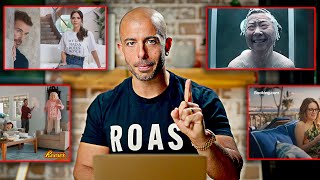
Nate Tilley breaks down five 2024 Super Bowl ads using a framework that measures attention, hook, retention, and conversion. He estimates production costs, the $7 million 30-second airtime, and first-year return-on-ad-spend for Booking.com, Bud Light, Popeyes, Uber Eats, and Reese's.
Questions this video answers
$7,000,000
$156,400,000
15% commission → $23,460,000
$14,000,000
~67% return on investment (12 months)
Chapters
These are the five best Super bowl ads of 2024. And I am going to break down how much they cost to make, how much they could potentially make, and I'm going to give them my spice rating. Each year, 50 companies compete for 115 million pairs of eyeballs in the attention Hunger Games that is the Super Bowl. What does it cost? Well, a 30 second ad in the Super bowl will set you back $7 million. So with that said, let's dive in with ad number five. First up, we've got an ad from booking so com as I could be.
So I hired body doubles to help me out. Spurgy. Tina loves a hotel.
Oh good. Good amount of scene changes, comedy, lots of different locations to keep you engaged.
Glenn Close with millions of possibilities. You can book whoever you want to.
Be more famous people.
My line booking.com booking D. Yeah.
Alright. So first of all, let's look at the framework that we're gonna be judging these ads off and it's gonna be their ability to first catch attention, then to hook the attention and then to retain it and to convert that attention. First of all, the things that I do like about this is I've obviously used Tina Fey. So immediately that is an identity trigger from a famous celebrity that you know. So immediately they get you in and then they don't waste any time in letting you know who the ad is for by just smacking a big booking.com right in your head like a bee sting in your eyeballs of like, hey, this is what it's about. Then you can notice from the scene selections the pace of it. They catch you by using a celebrity and then they hook you by starting to tell you I can be multiple different team to face like okay, what is she talking about? And then they keep on changing the attentions and the scenes throughout it as a way to retain your attention. Overall. There is a lot of stimuli. So. So a lot of the reason why these super bowl ads sometimes don't work is that they just think that they only need to catch and retain people's attention and they don't need to actually get into the part where they convert that attention. So if we go through all of this, the only thing that I really remember is tina fey and booking.com there's not any kind of offer, there's not anything that's really promoting me that's time sensitive urgency to go through to the website. Let's just take a look at one, how much this ad could have cost to make and to how much it could potentially generate. For booking.com take a look at the TAM, the total addressable market for this ad. People that go away on holiday, which is everybody. So out of the 115 million people that tune into the super bowl each year, we're gonna say that the people that this is speaking to is all of those people. All right? So we know on average that Americans take 20 vacation days per year. And stats also show us that what they spend is $136 per night. So we have 115 million people that are tuning into the Super Bowl. From average stats, the response from a TV ad will be.05% all the way up to 1 2%. It is absolute fire. So we're gonna estimate based on this, this ad doesn't really have a strong offer. There's nothing compelling us to go to booking.com right now and to book a holiday right now. So we're gonna say that have a.05% response rate, meaning out of the 115 million people that are tuning in to watch the game, that would generate 50, 67,500 bookings on booking.com. if we take the 57,500 bookings times by the $136 per night, times by the total number of 20 days that people book per year, that's going to give us a total top line gross sales of $156,400,000 in gross sales. Now, let's just say that the ad and the talent and the production of this ad is going to cost six, $7 million. That's from a bit of research that I've done. And typically these actors get paid anywhere between 2 and $5 million to appear on the ad, and then we're going to chuck in another $2 million for production of this ad. So we take that 7 million, and then we also know that it costs $7 million just to buy the airtime. So the total cost to produce the ad would be 14 million, and that would be to generate $156,400,000, which, in other words, is an 11 ad spend. However, not all of that revenue goes to booking.com because they have a 15% commission fee that they collect off the merchants that use their platform. So we look at 15% commission, that brings that number down to $23,460,000 in sales. If you look at, okay, they spent 14 million to produce the ad, and it generated 26 million as well. So from a return on investment standpoint, it's 67% or so return on investment within 12 months. So when it comes to my spice rating, overall, I would give this ad a mild heat level. Alrighty. Next up is an ad from Bud Light. Let's let this puppy play and see what they're cooking up in the kitchen. Are you the Bud Light genie? Yeah. So we get wishes. It's my thing. Gimme 80s metal hair. Great comedy.
Filthy ray.
So filthy. Invisible. Predictable. Giant bicep. Big one. Lots of multiple characters keeping me engaged on different fronts. Scene change, transitions. Always. They use these weird visual elements, like people with lots of hands and big heads. Celebrities. Famous athletes. I'm a genie.
Well, look at you.
No.
I wish I was at that fight. He's gonna need another bicep. More celebrities.
I wish for a T. Rice.
Guilty. Let's go to super bowl lvii. Now we're talking. So what I do like about this ad is how they grabbed my attention immediately. There was some weird little intriguing thing going on with, like, the fridge vibrating and then the genie popping out of it. And then it was just multiple bits of comedy that would be relatable to the people that this ad is talking to straight out of the gate. They use sports, athletes, multiple celebrities. Dana White's in there. They're picking all these figureheads that this market kind of addresses, and it's going to speak after they went through a huge hiccup last year or the year before, and they completely took the wrong direction with the brand. And there was massive, massive recall on it. Everyone was up in arms. So they're trying to bring that red hot blooded American kind of vibe back into this ad. But even though they catch my attention, they retained it. They weren't able to convert it because I'm left walking away from that. It's like not really knowing what they want me to do next. And that doesn't mean that you need to have like a go to our website and buy. But there needs to be either a new flavor, there needs to be go in store. There needs to be some kind of urgency or limited edition that was created for the 2024 Super bowl that I could like. Something that's gonna actually Dr. To want to convert. And there's had none of those mechanisms in there at all. So now let's take a look at the numbers. Let's have a look at how much money this could have costed because there's lots of celebrities in this one and how much it could potentially go on to make for Bud Light. We will start off with what is the total addressable market for this well, we know that 37% of Americans drink beer immediately out of the 115. We're going to narrowing that down to just 30, 37% of them. But the stats also show that 49% of people that watch the NFL binge drink when they're doing so. So that's going to kind of play into our numbers as well. So if we just have a look at the 115 million people that are tuning into the super bowl, we know from the stats that 49% of those people are actually going to be drinking while they're watching the game. So that would give us 56,350,000 people. That would be in our total addressable market for this. So we're gonna take the 56,350,000 and we're gonna give them a 0.1% response rate because we know that with the activity of watching the super bowl that these people are gonna be more likely to drink. And that means that the response from this ad would be a lot higher because we're gonna get a lot more cut through from those people. That would generate US 56,350 orders. Now the overall US beer consumption for adult around 21 years and over is 28.2 gallons per person per year to roughly 16 pack per year. So we're going to say that out of our 56,350 that those people are drinking one six pack per year. And if we look at what the average six pack cost is, it's $8.27. So we'll take 2,930,206 packs. We'll times that by the average order value and that will get us total gross sales of 24,232,074. Let's take a look at talent for this. This one isn't going to only cost us 5 million or so to produce because we've got multiple different stars in there. We're going to say that they spent totally on talent and production for this one is $7 million. We're going to take the 7 million on this one. So it's a little bit higher. Plus the $7 million that we know that it costs for the 30 seconds of airtime. That would give us a grand total cost of production for this ad running in at 14 million. So they spend $14 million to produce the ad and it potentially would generate 24,232,754. DOL is a 1.7 return on ad spend in year one. Now my overall spice scale of what I give this one a mild to kind of hot. So the next up is Popeyes. Let's play this bad boy. I love this gun.
You're freezing me. That means yes. There's a better chicken wing. Popeyes Sailor Man. No, the chicken place. Crispy, juicy.
Emphasis on the product. What else have we done?
I mean, man, there's a lot. There's a lot's been going on.
Here we go. Scene change. Comedy. Two dogs in one. Dogs. Who doesn't love dogs?
Warrior Fanny.
Genius Products everywhere. Lots of visual stimulus. Constant song changing. The wait is over. Popeyes finally has wings. Popeyes. Alrighty. First of all, let's take a look at the things that I do like. The things that I do like. Immediately, one, it catches my attention. This dude is hilarious. He's got freaking stalactites and, like, icicles and shit on his face, and he's in this, like, cryotherapy thing. Getting frozen immediately catches my attention. It's got an identity trigger because I know this guy. He's freaking hilarious. I'm focused, right? Then they retain my attention because they have, like, defrosted this guy and they're like, what's going on? It's like, okay, I want to know what's going on now in terms of retaining my attention, they do a great job. There's lots of scene changes, there's lots of comedy. There's lots of different visual stimulus that they're bringing into it. And then in terms of actually converting my attention, this by far has done the best job. Because even though they have comedy, even though they have famous actors, even though they have all these scene changes, the whole thing is focused on that. Now Popeye's has wings, and in every single shot, this guy's eating freaking Popeye's chicken wings, and he's talking about how they're super crispy and spicy and juicy and they're catching the attention, but then they're keeping it completely laser focused on the product, the whole thing. And then they end with the call to action of Popeyes now has wings. It's a new thing. It's limited. They've just got them, and it's something that is just limited. And it's just launched. So I want to go out there and I want to try it. So they haven't only caught my attention and retained it, but they've converted it and they've done it very, very well. So with that said, now let's look at the numbers. The total addressable market for this one. 37% of Americans consume fast food every day. So 37% of 115 million gives us 4. 42,550,000 orders per day, or 15.5 billion orders per year. We'll apply our.05 response rate, giving us a total of 7.7 million orders. Currently, Popeyes has an average order value of $15. So we'll take the 7.7 million times it by the $15, which gives us 160. $16,480,625 in sales. Let's just say they spend $5 million on the talent and production for this one. Total cost would be 12 million for the ad for $116,480,625. And that is a total ROAS of 9.7 within the first 12 months. So I'm going to give this a ghost pepper on the Scoville Heat scale of spice for this ad, they did an absolute killer job on all fronts. Next up, we have an ad from Uber Eats.
I are going to be in a little commercial.
Be honest. I am honest.
Okay. It's a big commercial.
Tell them what it's during, David.
I'm trying.
Tell them what it's during.
Okay. It's during the big baseball game.
Oh, no.
Big baseball game.
Oh, was it the hockey ball?
Hockey.
Hockey ball.
Oh, and tell them about Jessica Aniston.
Jessica Aniston is gonna be in it too.
Thank you. We love Jessica.
We love Jessica.
Chef's Kiss. Really, really love this ad. The thing that I do like about it is they've done an incredible job in taking meme culture and something that is completely relevant in pop culture with the Beckhams documentary on Netflix. And then there's a scene in that where if you don't know, they're playing up on this and it's become a meme that's spread all across the Internet of be be honest. So immediately, that is an identity trigger. It is completely on trend right now that it's gonna increase the cut through, and then it's got two huge stars in it. So they're the things that I do like about it. It catches my attention. It definitely retains it because of the comedy aspect of it in terms of then retaining and converting it. Yeah, it does retain it, but it doesn't convert it. It doesn't really tie in. They've just taken the meme culture. But I haven't really tied it in to the whole Uber Eats and what I should do next. But I do like the come. I do like that these guys have naturally got British accents and it's the biggest American sporting event of the year. And that's why they've put the whole comedy of them not even knowing that it's the super bowl and thinking that it's a baseball game and all of that jazz. However, from the conversion element, they leave something to be desired. So now let's take a look at the numbers. Let's have a look at how much this thing would have cost and how much it could potentially make. So the total addressable market. Who is using these food Delivery apps? Well, 86% of Americans use food delivery at least once a month, with the average American spending $1800 per year on food delivery apps. So if we look at the 115 million people that are tuning in and we see that 86% of them is our total addressable market that we're speaking in, we're going to give it a.05% on the response rate. That would potentially generate US 49,450 orders. Times by the yearly revenue that these guys could generate being 1800, that's $89,010,000 in sales. Because there's two famous celebrities in there. The production and talent cost for this is going to be 10 million. Then we've got the 7 million for the actual airtime. That gives us a total cost to produce this ad of 17 million to go on to produce $89 million in sales. In other words, that is a 5.2 return on ad spend in year one. Uber Eats doesn't get all of that. They have a 30% commission. So we're gonna have to take a haircut and refine those numbers down. If we have a look at their 30% commission, apply that and that's going to generate $26,703,000 in their commission fees. In terms of potential orders. If we look at the return on investment for them on that, that would be 57% in the first 12 months. Now, in terms of my spice level, I'm going to rank this puppy as spicy. All right, so the fifth and final ad that we are breaking down today is Reese's Cups. Let's let the ad play. A big change to Reese's Peanut butter Cups. Delicious layer of caramel. I love caramel. But we're only making a few of them. Yep. So reactions constantly keeping you engaged throughout it Limited answers to the objection. Alright, so first of all, let's look at what I do like and what I don't like about this ad. First of all smacks me right in as like a breaking news. We're making a big changes to Reese's Cups. Everyone loves Reese's Cups. So immediately it's like, okay, there's new, there's some new information, novel stimuli that's being pushed in front of me. They catch my attention and then they hook it by saying we're making these attention then showing that everyone's freaking out to the changes that they're making to this chocolate. And it's like no. And then it keeps on going back and forth, back and forth and answering all the kind of questions that would be popping up in my mind. And are they still going to be selling the old ones? Yes, they are. And we've only made a limited amount of these, but we've made millions of them. And then there's caramel on it. They catch my attention. They hook my attention through comedy. They retain my attention by constantly me feeding me new information to that. And then they also convert it because the entire ad is completely focused on this new product that they are launching that will be a fan favorite. And it's also reminding me about the fan favorite in terms of the incredibly popular Reese's Pieces. And then they're creating urgency in it by saying that they've only made a few million, meaning that I need to go out immediately to the store to kind pick up and try some of these caramel coated Reese's Cups because it's a limited edition. So they're done. The perfect balance in being able to catch, hook, retain and then convert my attention and keep it myopically focused on the product. Now let's dive on in into the numbers to see the cost and the potential revenue this puppy could go on to generate. Total addressable market. This is everybody, everybody eats chocolate. I don't care who you are, there is going to be a time that you're going to go eat some chocolate. So we're going to say that out of the hundred and fifteen million people that are tuning on into the super bowl that everybody is in the addressable market for this. We are going to look at our 115 million people that are tuning on to the Super Bowl. We're going to say that we have a.05% response from this ad that is going to generate us a hundred and fifteen thousand sales of Reese's Cups times the average ticket price of just $3.65. That is going to generate us $419,750. But people don't eat chocolate once a year. They're going to eat it 52 times per year is what we're going to get from our orders. That is going to generate us a total of $21,827,000. Let's just say for the cost of this ad, talent and production is going to be $5,007,000,000 in airtime, giving us a total cost of $12,000,000 to generate $21,827,000. That is a 1.8 return on ad spend. Now, when it comes to my heat scale for the Reese's Cups, I'm gonna give this thing a ghost pepper God level spice. These are the five best ads of the 2024 Super Bowl. I hope you like this breakdown. I'll see you in the next one.










