Weird Billionaire Decision Making Framework (Ultra Potent Mental Models)
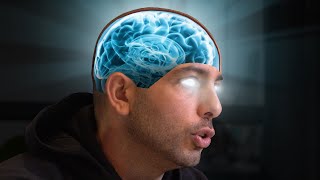
Sabri Subhi breaks down how billionaires make decisions by treating leadership as information processing. Check your data first, think backwards from the opposite choice, trace consequences three steps out, and ask who actually benefits. He walks through cutting ad spend and layoffs to show why long-term thinking beats the obvious move.
Chapters
Hey guys. Sabri Subhi here. And in today's video, I want to talk to you about decision making. How do you effectively make decisions when you have hundreds of decisions and very important decisions to make every single day? Now, I thought this would be a really fitting topic given the current climate that we're in right now. People are having to make very difficult decisions and really testing when you actually think about it, when you're growing a business and when you kind of come off the tools and you're building a team and when your role becomes more of a leader for that company and you're really operating in a leadership capacity, really what your day looks like is having the ability to be able to actually go out there and get data, accurate data that's clean and not muddy, and then be able to dissect that data to make decisions. And that's effectively all you're doing. You're like, you know, basically just an information crunching machine where there's all these inputs that are being fed to you either by your managers, by your team members, or you might be actually going out and getting that information yourself, putting that into your system, processing that information and then basically getting an output which is what is the decision that you are going to make. Typically people make decisions based off emotions, right? And they kind of rationalize everything where this is the wrong way to go about it. When you've got so many decisions to make, or even if you don't, but you've got some really important decisions to make, the first thing that you really want to do is stop and look at all of that information that's coming into the machine. And then what you need to do is you need to really critically think about it and you need to analyze it and you need to stress test the hell out of this thing to really look at it from all different angles and make sure that you're making the right decision and that's the way that you do it. You don't just look at that information and then have an emotional reaction to that information and then make a decision. You need to get that information and you need to look at it from all of these different angles. And then you need to start to think about, okay, this is a decision that I'm going to need to make based off this information. So first of all, where is this information coming from? Is it credible, is it accurate, is it clean? Who has presented this information to me? Is there any, you know, emotions behind it or is it cold, hard facts? And then once you know what the integrity is of the information that you have at hand to make this decision, then you need to really kind of inverse it, and you need to think about, well, okay, I'm going to be making this decision based. This is what I think I'm going to make the decision based on, right? And this is what I think the likely outcome for this decision is going to be. Then, you know, what you really want to do is think about what would be the inverse relationship to that decision that I was going to make. What would be the opposite of what it is that I am, the outcome that I'm trying to go for. What does that look like? Right. I'm making this decision because I want to get to this outcome. What is the decision that I would need to make in order to get to the opposite of that outcome? And the reason that I say that it's oftentimes that you want to look at something in that inverse way to get to the real thing that you're actually trying to get to. So to give you an example of what I specifically mean for that, you could might be like, look, I really need to cut out all the distractions and all of the noise, and I need to make some decisions about my schedule and how I'm going to be able to actually work and get the output that I want doing this on my calendar. Is this going to allow me to get more work and how do I be more productive? How do I get more done in a day? Well, there's so many different ways that you can come and tackle that problem and make that decision. We're looking at that decision in the inverse relationship and having a look at, well, what is it that I would need to do in order to be very productive? Well, I would need to cut off all distractions, I would need to cut off all the noise. I would need to stop doing all this minutia. That's not allowing me to actually do the main thing. Right? So when you look at it in that inverse way, it actually gets you to the outcome that you're going for a lot quicker than if you were. Just to think of how do I get to that outcome based on the decision that I have at hand when I'm making it. So that's one way to look at it. And what that is called is a mental model. And a mental model is really how do you apply a framework and how you get like a system and a shortcut using heuristics to make those decisions very quickly and without having to go through the normal rigmarole of Doing all of that kind of police work and detective work, where you can apply a model to something and you can get to that outcome without having to have all of the information at hand, or without having to be paralyzed by the decision that you've got to make, or right now by needing to spend a whole day to think about it. And as you start to increase the frequency of the decisions that you make, it's really important that you have mental models that you can apply to your decision making process to make sure that you are being very effective and accurate and you're moving with speed and power when you are making so many decisions. But it doesn't only go with the volume of decisions that you have to make. It's also really important to think about further, what are the downstream effects of this really important decision that I have to make? Which comes to a second mental model, which is really what is like the second and third order consequences from the decision that you're making right now. You could be like, you could, you could have a business where you are marketing right now. And due to the current economic climate, you're like, okay, what I need to do is I need to cut all of my expenses. It's turbulent times, it's uncertain times, and I just need to make sure that my overheads are as low as possible. So you're going to make the decision to save money based on that information. Right. And it's a very visceral reaction that you're having to the uncertainty that is rampant out in the marketplace right now. Right. You're basically reasoning by analogy rather than first principles. And what I mean specifically by that is if you look, okay, I cut advertising. Right. Right now this is a decision that I'm right now. And if you're just trying to optimize for saving costs right now, then that decision might be a sound decision. But when you really stop to think about what are the downstream effects, what are the second, third and fourth order consequences that will come about as a result of me making these decisions? Really, when you look at it, okay, I'm going to stop advertising. Well, advertising is the oxygen to the organism that is your business. So you are cutting off all oxygen. That is no revenue coming in because your past clients have all paused and nobody's buying and there is no revenue and you've gone into conservation mode where you are like a squirrel that is hoarding nuts for the winter, hoping to survive until the winter passes and we go into spring, but we don't know how long that's going to be and how long those nuts are going to last. So you need to look at, okay, well, if I do that, then I'm not going to have this pool of new customers coming in. So I'm not going to have this revenue. And I know that with my business model that when I have clients come in, the business job is to produce a customer, and then that happy customer goes and brings me another two customers. And it's a flywheel that keeps perpetuating and building momentum over time. So with I cut the advertising costs and I don't have those customers coming in, what is going to be the negative recourse of the second and the third order consequences? Well, I have no revenue coming in. That means I'm going to have to let go of half of my team. And then if I let go of half of my team, how is that going to affect my culture? How is that going to affect my employer brand? What is the second and the third order consequences of that going to be? Either I can't bring in good talent. I'll be bringing in subpar talent into my organization that will deliver subpar results. Therefore, my clients will get a bad outcome. And instead of them going out and producing two new referral clients to you, you'll be at a negative of two clients because they'll be spreading negative word of mouth around your business based on those third order consequences. So really, you need to think about, well, what does me making this decision look like further down the stream, two or three kilometers down the stream, what are the effects going to be? So you don't want to optimize for the now. Everybody's trying to optimize for the right now. They're trying to get that instant gratification, that instant gratification of the feeling of protection and hibernation, of cutting costs. Now, I'm not saying that you just want to be, you know, extremely lavish and just go out there and continue the same spending habits that you have that you usually have. I'm using this purely as an example to thinking about, questioning things when you're making decisions and thinking about not only what is it that I'm optimizing for right now, but what are the second and third and fourth order consequences from that? That is another mental model. Then another one is Q Bono, right? And that is Latin, and it means to whom would benefit. So if you're ever presented with some option to pick something and make a decision on that, first of all, you need to think about who is the person that's presenting this option to me and really to think about, well, okay, are they optimizing for their self interests or are they being, you know, very kind of honest and they don't have an opinion or an agenda behind what it is that they're suggesting to me. But this is something that you always need to know. You're getting information from some of your team members and they're presenting a case to you to make a decision on something you need to be questioning. Alright, well the information that I'm getting, what is the integrity of it? Well, let me look at who is presenting this information to me and okay, this is this person, they are a credible person, but they have to benefit with the outcome of the decision that I have to make here. So you start to begin to see that, you start to question it from multiple different ways where most people would make a decision based on the surface level of the objective data that they have, but that's not enough. Right? You need to be able to take that two dimensional product and you need to be able to turn it and examine it from all sides and then place immense pressure to it to see where it breaks and to see what its vulnerabilities are. Because that's what's going to determine how you make your decisions. Whenever a decision comes across your desk and you need to make it right, you need to be able to go, okay, what are the second, third or order consequences from this? Who is to benefit from from this? What is the inverse relationship to the same thing that I'm optimizing for? What does it look like? Right? And this is the way that you start to make sound decisions and you start to make them very, very quickly. And it's really what you need to be doing when you're sitting down and you're thinking about the situation that you're in right now with your business, with your life, whatever it is that you're making decisions about, you need to stop and think about what are those second and third order consequences? And like the most black and white examples of this, it's like, okay, like I'm hungry. I really feel like eating a burrito or a piece of chocolate or some chocolate cake that's going to give me the instant gratification that I want right now. And I also don't feel like working out right? So I'm optimizing for whatever feels good right now. But the second and the third order consequences for that is that, well, you're going to get overweight, you're not going to feel good, your energy levels are going to drop, your, your productivity is going to go down substantially. That's going to impact so many different other areas of your life. You're going to be at risk for type 2 diabetes. All of these different spill on effects happen, right? So you can't just think about what is pleasurable, what is easy to do right now. You need to think about the long term game and where you're going to get the benefits from this decision that you're making right now. And my typical rule of thumb, thumb is whenever you're placed with a decision, right? The easy decision to make and the one that you're naturally you gravitate towards making is typically the one that's going to give you the instant gratification. If you've got a decision to make right now, right? That is to keep advertising or not. The easy decision to make is to stop advertising because it is a risk, right? And then you're going to have that risk and it's going to be a cost associated to your business. And then you're like, well, let me just eliminate that. That is the easy decision to make. The hard decision to make is let me keep advertising. Because I know the second and third order consequences is a much greater to the positive benefit of my business and of me than it is to save that money right now. And it's the same thing with the whole eating analogy that I just used. Naturally it's easier to eat the piece of cake, right? But long term, that's not so. Typically if the first order consequences are positive, right? If it's an easy thing giving you a positive right now the second and the third order consequences are going to be a negative and vice versa, right? If it's a negative first order consequence, then really the second and third order are going to be positive. So you always typically want to be making those tough decisions. Who is it in my company that I need to let go of right now that is going to be to the better good of the whole organism long term, right? Or is it to keep advertising? What are the costs that I'm going to need to do? What is the restructuring of the teams? How am I going to pivot them? These are all very difficult conversations and decisions that you need to make, right? But these are the ones that need to be done to really looking at the overall health of the organism that is your business. And typically what is best for the individual is not what is best for the whole. And what I mean specifically by that is there might be people that you really love and cherish. Within your company or there might be certain things that you're attached to selling that you want to keep doing. So really I just wanted to come with you with the kind of way that I go about thinking about things and how I make my decisions and really where my mind is at when I am optimizing, thinking about my business as an organism and thinking about the emergence of the sum of its parts being greater, like the whole organism is greater than just the sum of its parts, right? Therefore, if I'm only thinking about specific individuals or specific teams or the way that we operate and I am just trying to optimize to create a positive first order consequence, but not thinking about the second and third order consequences, then the overall health of that organism that is my business, it is going to be infected and it will flow sick and eventually the negative consequences for the entire team are going to be much greater than just looking at that one individual decision or person or individual that I need to make that decision of. So that's really what you need to be thinking about. Don't optimize for right now. Don't optimize for just complete conservation mode right now. You need to think is how is this decision going to impact me and my business once this thing does blow over? What will be those second and third order consequences from this decision that I'm making right now and is it the right decision? And then stress test it and look at the inverse relationship and look at to whom is benefit. Is it just your bank account? Is it just your personal well being? Or is it the total health of the organism that is your business? I really urge you to really think about the decisions that you've got to make. Apply these mental models to them, make them quicker in a more accurate fashion and with more long term thinking at mind. Hey guys, if you're enjoying these videos, please like subscribe and hit the bell button as we're dropping a video like this every other day on YouTube. And if you've got any questions, just leave a comment below with heysubrey and I will do my best to get to it.










