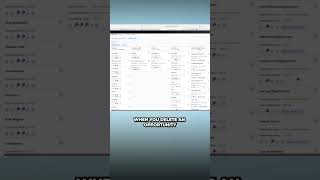
Nate Tilley walks through how to structure a sales pipeline with stages for managing leads, scheduling calls, and handling reschedules. Treating it as a roadmap instead of a checklist helps you close more deals.
Chapters
All new leads will come here. If somebody responds to an automated campaign, they're going to go into the hot, engaged leads. This means that they responded to us at some point. So those are like the, the responses. Oftentimes you can also find those in the Conversations tab, look at all your scheduled appointments, and then just drag people, you know, where they went. So this is you, right? So it'll make a contact because of Google. It'll make a contact for. Even if Justin just has a Google calendar. But for stuff like this, you can just delete the opportunity. You're not a real opportunity in there. Yeah, it doesn't delet the contact when you delete an opportunity. So the way that this system basically works is like you have your sales pipeline stages. All of these are stages to get somebody closer to the transaction. Yeah. Everything else before that is just like, you know, you're trying to get them on a sales call. If they show up on a sales call, it's like, did they show but didn't buy? Did they buy? Did they have to reschedule? Did they no show? If they no show and you drag them over here, it's going to say, hey, sorry we missed you today. You can reschedule here. If they reach out to you before the call and they're like, hey, I need to reschedule, man. You could just drag them over, reschedule. Then they can choose a time that works for them to reschedule, schedule, and then if they don't go back into sales call scheduled, that means they haven't rescheduled yet. So all of these are getting campaigns to nurture them to reschedule.