5 Ways Communities Will Scale Your Creator Business
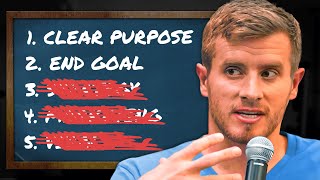
Nathan Barry, Gina Bianchini, and Rachel Rodgers discuss how creators can build and monetize communities. They outline five core elements: big purpose, progress tracking, monthly themes, weekly calendars, and daily actions. Examples include Hello7, Five Marys Ranch, and Yoga with Adriene.
Chapters
If you start with a community, you make money faster. Creating a community is so much easier than most people think. You need 5 things.
Number 1, I can say from personal experience that if you do that, that is going to be a billion-dollar brand.
What is fascinating to me is that what stops people from creating communities is that they think it's as hard as social media. Is actually the biggest myth. When you bring people together around a common purpose, an interest, passion, a goal, and you charge for it. $370 million of creator earnings this year on Mighty.
Wow.
What's an example of a business that you've seen reach another level of scale because of the community that they formed, right, where they actually took their customers and networked them together into a community or really emphasized that side of it and went much further because of it?
This business called Hello7 did that.
Fair.
It is. It's true. No, but I think your story is an amazing one.
Well, yes. I mean, we went from, we had a mastermind, right? Which I think masterminds and memberships are the exact same thing. Literally, they're the same. It's just the price you charge and how many people are in it, right? So like masterminds have less people, you charge more. It's a little bit more, it's more intimate. And then you have larger communities where you charge less. And so we went from having a mastermind, and because of COVID we came up with doing a membership instead. And that blew up our business. So we went from $2 million to $5 million, and then $5 million to $10 million, and continue to grow beyond that from focusing on community. So that's our superpower.
And I think the other thing that happens, and I think it happened for you guys too, is when you have a community, and I would even go as far as to say start with a community, you also learn what your community wants and therefore you have a built-in 24/7 focus group about what to build next and what people want from not just you, but from the purpose that you represent and the purpose that you have brought people together to navigate, to, you know, go through together, to achieve results and transformation together. And so, you know, I think there's any number— we have a number of them on Mighty Networks. But, you know, one that I love is Mary Heffernan and what she's done with Five Marys Ranch. So it started as her posting on Instagram about her family's farm where they raised and sold beef and pork. And then what she realized is in bringing this community together, certainly started first with, with building an audience, but she realized very quickly that there were family farms and ranches all over the United States that were doing something very similar to her, which was she was the marketer, she was the brand builder, she was the person that was actually selling their family's products, and her husband and children and she were working the ranch. And then she started 5M Entrepreneurs to essentially bring, not just teach, but bring people together to do the same thing. Then she started Ranch School, which was basically to teach kids all over the country about life on a ranch and like how to actually do stuff, which did— she did during COVID And then she launched cookbooks and now is launching homewares, all because she didn't stop at having an audience. She looked for ways to bring really sort of her supers together, her super consumers or super members, the people that were looking and looking even more closely. And one of the things I think is so important in just that example, and I think what you've done as well, Rachel, is when you want to build a community, the faster it moves from being about you to being about them, and that the identity is about what your members want to get. Again, so that everybody has something to talk about. Like, again, if we just come back to tonight, you— we're all here for a reason. We're all here because Nathan Barry and Rachel Barry have put together a really amazing I'm seeing nodding, like point of view on, wait a second, there is a specific framework for a creator to go from, hey, it's about me and my audience, to wait a second, I have the opportunity to have an even bigger impact on the world around me in the way that I want to have an impact on the world around me. If I can bring people together and say this is an identity, And this is a way, this is the way in our community and in our culture we are going to interact with each other. And this is how we're gonna help each other. This is how we're gonna show up. These are the things that we do. And, and, you know, one of my favorite things in the world is when people recognize that one of the worst things that we do for community, one of the simplest ways to fail at community It's real simple. When somebody shows up, have community guidelines, which basically make everybody feel like a potential murderer. So it is to me, when I think about it through this, this lens, it is the craziest thing to think about the fact that when most people show up at community and you don't know, like, You don't know what the vibe is. You don't know what the culture is. It's even harder to kind of figure some of these things out in digital communities. And then there's the community guidelines, which are don't be horrible. Don't be a horrible person. Show up. You're here, and I'm really glad you're here, but it's going to be really important that you're not horrible. And then, you know, the next question people ask me, why doesn't my community have any engagement?
Why? Because you've scared them out of it.
You have scared them out of it.
I think it depends on the community, though, because we have very strong guidelines in the club.
But you also have a culture that says this is why we're here.
Yes, exactly.
And this is how we interact with each other. And I think that's actually— most people lead with the guidelines.
Yes.
For most communities where it's not clear what the culture is or clear what the purpose is, That is the problem.
Yes. If you want your business to do better, build a community brand instead of a personal brand, right? Like we're all taught— like that's why you say you a lot in your copywriting, right? You're talking about the person and you're trying to apply it to them. And when you have a community and you make it all about the community and you ask the community, what do you want? And then you go build that thing and give it to them, right? Then you're creating that, that two-way relationship. And people will be obsessed with the community brand, not you. And that is infinitely better, right? People get so much more out of it and then they get to create it.
I think one thing in that is who is the hero of the story?
Yes, right.
Exactly.
And something that you did before the stop in Austin, you were up in New York doing a brand photo shoot and most of the photo shoot was your community members, right? The banner on your website, if I understand, does it even have you in it?
No, I'm not in the photo.
And that, like, that's very purposeful. Like, something we do at ConvertKit is we want to make our customers, make creators the heroes of the brand. And so there's people here like Kimberly Brooks, uh, Kay He is here, where you can go on our site and watch documentaries about them telling their stories. And that's very, very important. Like, it's much harder to build a community when you're constantly saying, "Look at me, look at me." You know, "Oh, you don't need to meet each other," right? Like, "Pay attention to me." But if instead you're making those connections and saying, "This person is amazing. Let me tell their story. Have you met her? Have you, you know, learned about what he had to go through to, you know, accomplish his dreams?" Right? That is so, so powerful. If you've ever read Joseph Campbell's The Hero's Journey, right? You're trying to— you're not trying to be the hero. You're trying to be the guide. You're not Luke Skywalker, you're Yoda, right? And that's where it really makes a big, big difference.
This is why I'm always harping on testimonials, like get the testimonials, get the case studies from your customers, and then tell those stories constantly. You can start a community by telling your own story. Then people are going to relate to your story and they'll join your community and those will be the early folks. But then after a while, your community wins will come out of your community, stories will come out of your community. And then you start telling those stories instead of your own, right? You want to have that shift at some point so that now you're building a community brand and not just your personal brand. And that's an element of building a billion-dollar creator business, right? Is not just having a personal brand, but really having a larger brand that serves your people.
I talk about it as moving from hero to host.
I like that.
I like that too, because that's what you call your Mighty Networks customers, right? Hosts.
Yeah.
What do you— wording is very, very important. And I think sometimes we're just— we throw words out there because it was the version that, you know, something that we heard someone else say, or it's the common thing. And I get the feeling that the word host is very deliberate, like that did not happen by accident. Tell me more.
Absolutely not. Because when you think about any community, especially, you know, we have communities on Mighty starting from scratch every day. And so for a community to start from scratch, you kind of need 5 things, but you need somebody to do those 5 things and, and really start, you know, start, start the— put the seeds in place. And that person is a host. And that's why, you know, from day one, whenever I saw someone new come into our company and want to refer, to either the hosts or the members of a community on Mighty as a user, I was like, stop. There are no users on Mighty. There are hosts and there are members. And if you would like to change the name of member or host to instructor and student or workshop facilitator and workshop participants, you can. But we are not users. We are hosts and we are members. And that has permeated everything we do.
I like that. I think it's important to tell people more about your experience and why you're an expert on community. It's not just because you're the CEO of Mighty Network, right? You have some other experience as well. And so I call this the "Put Some Respect on It" segment, 'cause I think it's important to know people's backgrounds. So will you share a little bit about what you did before Mighty Network?
Sure. So, well, I'll start with the fact that I am absolutely obsessed with breaking down and building back up. How do people come to community? How can you create a community from scratch? Creating a community from scratch is so much easier than most people think, than all people think, actually. And so, and my, my mission is to make it radically easier. Create communities that run themselves. So that's just, and how I got here is, back in the first wave of social networks and social networking companies, I founded a company called Ning, which gave people a way to create their own communities. And we built Ning to 100 million people around the world using it, 3 million Ning networks created. 300,000 active on a monthly basis. And then when we sold Ning, I wasn't done. In fact, I hadn't even really gotten started because the thing about community is that technology is a great innovator in terms of what we can do and how we come together. And I know even like 15 years into social networks and social media and all of these things, and we're lonelier than we've ever been and we're more anxious and we're depressed. And here's what I know to be true. I believe that the next 5 years is going to be a renaissance in being able to discover the best in other people faster than at any other point in time. And to be able to bring the best of ourselves to rooms like this, to people both online and in real life. And I got here by being absolutely obsessed with this. So Ning, we reached a lot of people. Mighty today. In fact, actually, this was something that I, I made my team look at because I knew I was coming here. We have— speaking of making money, because the other thing that you also didn't mention is people pay attention to what they pay for. Correct. People pay attention to what they pay for. So we have actually seen that when you are able to create a big purpose for your community and bring people together around a common purpose, an interest, passion, a goal, a result, a lifestyle, and you charge for it, it's not just about making you money. It's actually about helping more people get results and transformation that they won't be able to get on their own. And so $370 million of creator earnings this year on Mighty.
Wow.
But every day, why, why is this growing so fast for us? It's because we start from a very different place, that it's not about starting with an audience. We actually believe that if you start with a community, not only can you make money faster, and because you're getting people results and transformation, not just from you, but you as the host and facilitating the connections and relationships between your members, guess what happens? People talk about it. They talk about it to their friends. They talk about it to the people they meet on the internet. They talk about it to people that they want to help, that they want to have an impact with. And so I would actually argue that if you want to build an audience, starting with community can accelerate the speed in which you can have more people come into your community, more people come into the results and transformation that you're able to generate. And really, a community is, on many respects, people talking about you when you're not in the room. And guess what happens? Like, a brand is what people say about you when you're not in the room. If you are able to help people make connections as a host, you are going to do a lot less work. You're going to help a lot more people, and you are going to watch something magically happen because it's the stories and experiences and ideas of the people that you've brought together.
That's a very good point that community— like, you can actually do that first before you build an audience, because that's actually what I did, which I've never thought about it that way. But when you said that, it made me think of that. Because one of the first things that I did was I would just join other people's community. And I would like— I was a lawyer, so I would just make myself useful in the community. That was my goal. And so I joined people's Facebook groups where there were a lot of entrepreneurs or small business owners. And then I would like search the group. And this was not a lot of time. I probably spent like 2 hours a week because I had little young kids and I was practicing law. So I was like writing contracts at midnight, you know, mostly because I was procrastinating because I hated doing it. But that's besides the point. So I would go into these Facebook groups and I would literally search the term trademark, copyright, contracts, attorney, legal, lawyer, right? So that I could find all the posts that were in the last week that were asking legal questions or within my expertise, and then I would just answer them and give them free advice. And then they would say, not all of them, but a lot of them would say, I need a lawyer to solve this problem for me, I wanna hire you. And so I got a lot of my clients just by making myself useful in other people's communities. And then the next thing I did was create a free Facebook group, right? It was like a free community for me to engage with people. So yeah, so like, creating community can come first. And it was, you know, a way to sort of gather people and connect with people all the time. And I just found like, sharing there in the community was a little bit easier than, you know, like I could share in the community every day. But it was harder to email every day, or I could even share in the community 3 times a day. But I can't necessarily send 3 emails a day. So it was a way to like, you know, just engage, but you can with ConvertKit. Send emails 3 times a week with ConvertKit, and then post several times a day in Mighty Networks. I actually use both of these products, so.
That's why we have you surrounded here. So a lot of the listeners for the show are creators who have built really established audiences. It might be, you know, on social or on email. These platforms that are not inherently community-focused. And so if I'm, hypothetically, I've got 50,000 subscribers on Instagram and 20,000 on my newsletter, and I'm like, okay, what do I do in very practical terms to turn that into a community rather than just an audience?
So one of the things, so I got an answer for you. Let me preface this by saying social media and writing is hard. What is fascinating to me is that what stops people from creating communities is that they think it's as hard as social media. And so it actually— the biggest myth is that a community is as hard as another channel that you have to figure out because it's like in a community there's going to be some kind of kabuki algorithm you got to figure out and you got to like pray to the Facebook group gods and hope that they don't do something different. And also there's gonna be some weirdo who shows up in your free Facebook group 'cause Facebook's culture is—
Drama.
Drama, truly. I was trying to find a nice way to say that.
No, I cannot find a nice way. The algorithm, It rewards drama.
And I'll give you an example of this. So Yoga with Adriene started a Facebook group and started a Facebook group, 35,000 members. And they were finding that on the topic of yoga, people were coming in, in their words, hot. So all of a sudden, oh, so like hot yoga? Not that kind of hot.
Sorry, I couldn't resist.
Not that kind of hot. So people were coming in, and, and, and in part it's because the way Facebook is set up, where a Facebook group, it's one post, so it's the most charged post, is showing up next to your political views and your, like, friends' baby pictures, and like somebody graduating from high school, and somebody's wedding, but then another, you know, totally charged political issue.
And 24 ads. Don't forget the 24 ads. Oh.
And 24 ads. And so what— they came to Mighty, created their own find what feels good, coola community app, whole sort of own world. And what they did is they started testing Posting a question or a challenge in both places. Fundamentally different answers. Fundamentally different connections. Fundamentally different ways that people showed up. And a lot of people don't believe— oh, by the way, happy ending. They moved and now they have over 230,000 members. Because again, what's the other myth? Well, I got to go where people are. I got to go where people are.
I've said that. No, literally have said that. Yeah.
Nobody's going to follow me to like my own app or my own community. And I am here to tell you, I have got the data behind me that says, yes, they do. And in part, what is so beautiful about community is that You have the opportunity. Any of us have the opportunity in 2023 and 2024 to say, I am going to host a community. I am going to create this kind of culture where I want my members to be able to show up for each other in these ways. You can, you can create your own culture that will in fact drive engagement because The software has gotten good enough and is only getting better from here in terms of being able to surface the most relevant members to each other, break the ice, bring people together for interesting challenges and collabs and workshops and everything in between. And so coming back to the question, okay, great Gina, how do I do it? You need 5 things, 5 things, super easy, easy peasy. Number 1, you need a big purpose. There has got to be a reason for your members to show up, and it's not to learn, share, and grow together. That's like Peanuts adult voice. Nobody knows what that means. Kind of like nobody knows what community means. So it is getting specific about who you're bringing together, what you're going to do together, and what members are going to get for doing those things. So it's like, you gotta answer the question, what's in it for me? Why would I show up? Well, number one, you wanna be really specific about who your community serves. Rachel, I think you do such a great job of this. And then what you're gonna do together. So, okay, I can picture myself doing those things, or I can picture other people doing those things. That's pretty cool. So that we can, What are people gonna be able to do as a result of being in your community? So that's number 1. Number 2, the best communities are about progress. So what are your— we talk about it as your, your year in the life, the year in the life of your community, and starts with your members, which is what can your members do a year from now that they can't do today? And here's what's really fun about that as a brainstorm. First of all, it's just really fun. And then second of all, the next part of that is to say, well, wait a second, if my members a year from now can do that, what does that mean for me? And then you have this moment, wait, is this a, are we allowed to swear?
You are absolutely allowed to swear.
Then you can have this moment of like, holy shit, not only am I having this incredible impact on people's lives, 'cause they're gonna be able to do all this cool stuff a year from now that they're not able to do today. But I'm gonna be able to invest more in that because again, people pay attention to what they pay for. So now I've got this whole framework for how I'm gonna be able to help more people. They're gonna be able to help themselves and I'm gonna get the resources, not so I can go buy a Lamborghini, but so that I can invest to make more epic experiences for my members and myself. and it just starts to feel really good. I mean, it sort of starts to feel like a flywheel. I don't know. Kind of feels that way, right? Okay. So then we, we've got progress. We got the year in the life. We got 3 simple things to execute from there. Monthly themes. Why monthly themes? Because people get bored and a monthly theme.
So true.
People get bored. So a monthly theme is there to create novelty and you can unveil it and it can be—
oh, we do a whole thing.
Oh, you do a whole thing because it's fun to do a whole thing. So monthly themes also give members another thing that they can go and talk about with each other because again, you're building a culture. So monthly themes all then ladder up. To that year in the life. What are your members able to do a year from now that they're not able to do today? Then what are you able to do a year from now that you're not able to do today? Again, laddering up to that big purpose. So monthly themes is there for novelty. A weekly calendar is there for habit. So Tuesdays at 9:00 AM, that's when we post our Give, Ask day. So we'll, we'll have a member that we are going to profile, and it's gonna be why are they awesome, what are they here to give other members of the community, and what is their one ask for the community? And that order, by the way, is really important. Or, you know, Thursdays at 4:00 PM is when we livestream, and we just, we hop on, we talk about what is the question of the week, or what is the topic of the week that probably ladders up to that monthly theme, which then ladders up to that year in life. You guys are with me. You're getting it, right? Okay, so that's the weekly calendar. Here's the other benefit of a weekly calendar. Your work has a multiplier effect because if you do the same thing the same time every week, even if somebody doesn't come back into your community, they got that notification, they got that email. And then what happens if you do this 4 weeks in a row? They kind of come to expect it. They kind of like it. And so even if you, even if they might not be coming back, you're building your brand and you're bringing them value and you're doing it with less work. Last piece, daily actions, daily polls and questions. What's that there for? Polls and questions, by far our most popular feature across all of the networks on Mighty. And The questions in the polls are there to help your members meet each other. So that's the connection. It's not to give advice to each other. It's for them to be able to share stories, experiences, ideas. 'Cause here's the problem with advice. Advice shuts the conversation down. I mean—
And some of it's bad.
Some of it's bad. But what's also—
I mean, let's be real. Sometimes I see it and I'm like, okay, I'm going to jump in. You're like, I'm going to jump in here because, yeah, no, no, no, that's not what you should do.
Like, you know, if you think about it, it's like in your relationships, we've all kind of had that moment where we got like really like, like amped up because we had too much caffeine. Not speaking from personal experience here. And it's like, oh my God, you should totally break up with them. And then they don't. And then it's kind of awkward, like afterwards. And you're like, oh yeah. That's advice. But if you share your story or your experience or your ideas, you've got a whole different— it's a whole different ballgame. So those 5 things are it. You can literally put a community, once you get these things going, on autopilot because it's not about posting 7 times a day and like being in every conversation. It's about, hey, we wanna set this community up so that you're getting value from each other and I can go upstairs and go to bed. And that is fundamentally different than what every major social media platform says about how to build an audience. Now again, you can add one other thing to that community, that you're building that I love. And I think this is going to be like 2020, like my theme for 2024, which is Quests, sending your members out on quests, challenges, courses, experiences, and collabs, especially because all that community design, those 5 things, they're going to get easier and easier and easier and easier to do, at least on platforms like Mighty. Um, but hopefully I have enticed you a little bit with that, to say that this is not another social media channel. This is not another place to talk out at an audience and maybe have them talk back at you. But this is why the power of the word host, it's fundamentally different.
I was really tracking with everything that you were saying because I'm seeing a bunch of the mistakes that we've made in—
You've done none of that?
You know, I'm here to learn. Both in running our own private community for ConvertKit and then also, you know, in the Facebook groups and all of that. And just without that intentional structure, without that flywheel, the community ends up going all these different directions. People are just there for support requests or, hey, I'm stuck with this problem in my business. They're not forming connections. There's all these other things. And so it's, on one hand, it's simple or trivial to go through like, okay, do these 5 things. But I can say from personal experience that if you don't do that, then you absolutely don't have a community. You have a hot mess. And it will actually cause problems for your business.
It'll be bad for your brand.
Yeah. And that's in a huge way. I'm going to be implementing some things differently after.
Well, and here's the, here's the good news. These were, you know, talk about just the, like, I think coming back to our theme of the billion-dollar creator. So I'll just share my story on getting community design. So I, so I had this front row seat both at Ning and at Mighty to see what worked. And what didn't work in a time and a place where everything was manual. So literally, if you think about it, community has been manual. And when I say manual, it's like you show up and it's like tech, like you can text people or like a community platform. You know, in the olden days it's like, here's all the features we have. So like everybody's like, oh, okay. So it's like they have a wiki, you know, they have like comments and threaded comments and all of that thing. So think about that just as manual. And so what I watched was, well, what separated the people that made those manual features work and the rest of folks that were just sort of like their communities were dead on arrival. And so that's kind of A lot of people think that their community is like really, they'll show up and they'll be like, Gina, you've never seen the kind of community that I wanna build. I'm like, you're right, I've never seen it. It probably does this and this and this. They're like, as a matter of fact, it does. And so, but there are patterns to community because people are social beings, and we're, kind of predictable on a lot of fronts. So watched it, then I was like, oh, maybe I should use the course feature on Mighty that we just built, because I thought you had to have like a PhD in courses, like online, because I'd meet all these people that like told us to like build courses into Mighty, and they would always show up and they'd be like, I have a PhD in like, like some kind of learning system thing, behavioral design. Yeah. And they're like, pedagogy. I'm like, okay, I'm going to have to look that up after this conversation. But like, you know, but I would nod. I'd nod. I'm like, mm-hmm, pedagogy. Okay, I got it. Got it. And so I finally, I was like, okay, well, I should teach a course. So I'm like, I'll teach a course on community design. So I organize the course and I like run this course and I like, it was awesome. I learned very quickly what worked, what didn't work, how to talk about these things, how not to talk about these things. And then what's beautiful is when you can create something that you can teach and has structure, guess what you get to go do? You can build software and create repeatable, scalable digital experiences, which is what we've done at Mighty. So we're in the process now of bringing into Mighty a way for you to be able to set those 5 things up. We've got like 2 of them down. We'll add the rest, uh, in, in the next few months so that you're starting not just with features but with strategy. And once you have strategy and software and the ability to sort of set all this stuff up, so again, you're creating a community that runs yourself, then you get to go do all the things you like to do. And that might be going upstairs and going to bed. Obviously I'm not speaking from personal experience. That would not be something I would want to do at a party, never. But it also might be because you love to write, or you love to think about the kinds of epic experiences that you want to create. Maybe today for your audience, but tomorrow for your community. And you get to go do all of those things because where the software is going, it is getting easier and easier and easier to be able to create something that people wanna join, that they wanna pay for. Because again, people want results and transformation and they're willing to pay for it. And what happens when they pay for it? They pay attention to it. And then you have something that's self-organizing and you have something that you are learning from every single day. And I believe as more and more creators do this, we are going to evolve into some really interesting collabs and really interesting ways for each and every one of us to define and achieve the life we want.
The reason why we're talking about community is because we want you to be billion-dollar creators. And we know that a community is a jumping-off point to help you do that, right? And we share on the podcast examples of people who have done this, taken their audience, their community, who are engaged, who are willing to take action, right? Just, and, you know, buy their products or support their products or even fund a Kickstarter so that the product can even be created, right? All of that— becoming a billion-dollar creator is a lot easier if you have a community. So one example— Nathan, maybe you can tell this story— is Joel Runyon, right? We haven't shared his story yet on the podcast. Do you want to talk about him and how he went from community to products? Yes.
Yeah, so Joel is someone that I've been friends with since I think 2012 or 2013. To give you an idea of what he does, the first event that I went to, I went to this conference called the World Domination Summit, which by the way is just—
What was the goal of the conference?
It's really hard to tell.
Great question. I've been there and I don't know.
I'm sorry, I'm not sure what it's about.
World domination? Yeah.
By the way, when I went there for the first time, it was 2012. I was going there for year 2. And it's in Portland, and I didn't know anyone in the community, and I'm like, okay, I just have to show up and go with— go with—
that was my first time there too, you know.
Okay, I did not—
you guys know, not—
we did not meet.
No, we met years later. Well, we talked online, and then we met in person at another event years later.
So I fly into Portland, and I'm taking the MAX train into the city, and I knew that there's like 1,000 people going to this conference all showing up at the same time, and so I'm like, Surely I'm just going to run into people, but I didn't want to say hi. And someone had that like creator sort of vibe and they started talking to me and they're like, oh, what are you in town for? And I said, oh, the World Domination Summit. Are you here for that as well? And they went, the World Dominatrix Summit? And like, I was like, no, I guess you're not here for the same event.
Never mind.
So anyway, at the World Domination Summit, which was put on by Chris Guillebeau, and it was really just about like living an amazing life and serving your community. Um, their theme was actually community, adventure, and service, right, was their, their three, um, you know, uh, themes for it. But Joel Runyon was there. I didn't go to this, but to give you an idea, he hosted a meetup for This is— many people did, but his meetup was everyone went bungee jumping. To give you an idea of what type of person Joel is. So Joel created this business called Impossible, and he owns the trademarks for it. If you ever want to ask him about what it's like to be sued by a billion-dollar company over trademarks, uh, he's been fighting that battle for years. And like, more power to him, because, uh, it's— I like— he's an amazing creator, and I love that he is fighting and defending his trademarks against like a giant food brand. But you'll never guess who I'm talking about. But so he's built this community around people doing things that are said to be impossible. And so he has gone to run a marathon on every single continent, right? So he's run a marathon— not a marathon, an ultra marathon on every continent. And so he's done that in Antarctica, You know, and the other 6 continents. But specifically—
Wait, wait, wait to just summarize that. That was a great summary.
Keeping the story tight.
Yeah. Very good.
It could have gotten out of hand. But so, like, a community of people doing things that they believe were impossible for a bigger purpose, right? So he ran 7 ultramarathons on 7 continents. To build 7 schools, to raise money to build 7 schools with Pencils of Promise, right? And so he's going on this epic quest and he's helping other people to do it. And so you'll see people wearing these shirts that say "impossible" but there's a line through it. And like I see this all the time on social media where he's built this brand and I think he's always been in search of what the product is for it. And sometimes you see people building a brand and you're like, "I don't think that's going anywhere." The name isn't quite right or something just doesn't— or they're not thinking about it big enough. And what I love is that Joel has always been thinking about it really, really big from the beginning. And it's kind of been this brand in search of the right product. And he was hanging out with us in Austin at our event. And it was just a great opportunity to catch up on what he's been doing. And so he's been building all of these you know, now supplements and other products around doing big things, right? Like being a high-performance athlete. He has a sleep product called Impossible Sleep, which is about, you know, it's a magnesium supplement and it's got, you know, all of those things that are going to help you sleep really well. But what I think is interesting is that he's taken it from digital products early on you know, in this community. And then now he's focusing on these types of products that can scale really, really well. And there's no reason that he, I, he can't build something that's absolutely massive. And so he's got a few of these early products that, you know, are now doing, I think, low single-digit millions in revenue. And I, it's just one of those brands that when I see it, I'm like, okay, that is going to be a billion-dollar brand. And the biggest reason why, like, the thing that I admire the most about Joel is he is absolutely relentless. Like how many people when you come up with a perfect brand, you own the trademarks from it, you like lock down all of your IP. Will you give them a quick rant really quick as an IP lawyer on why they should lock down their IP? It's very important.
Well, yes, because otherwise you will have to— you don't want these large companies coming after you, right? So protecting yourself obviously is what you need to do. And if you're going to build a whole brand, like imagine if I built this whole Hello7 brand never protected the trademark, and then somebody else builds a business with the same name, and then I have to prove that I was there first. If they register it first, they're gonna get the registered trademark, and now I'm on defense, right? And I've gotta fight them on it, and it's extremely expensive. It is way, way cheaper to just register the trademark, like spend the $2,500 bucks, you know? If you think that's expensive, try a trademark lawsuit. To find out how expensive that is.
Yeah, so when I look at these attributes of what it's going to take to build, like, to be a billion-dollar creator and build a brand on that level, like, I think the most important trait is just this resilience and perseverance. Like, to give you an idea, Joel owns the trademarks for Impossible. He is being sued by Impossible Foods, and he's been fighting a battle with them for years and years and years, and he is an individual creator.
That's the thing about lawsuits too, they take forever, right?
It's, it's been appealed and all of this stuff, and he is absolutely going to win because he will not back down. And so then, like, this brand would be massive by now except that he's been, like, defending what, what he had first.
Time, money, energy.
Yeah. And so I just think he's got the ideal brand and this, like, absolutely unstoppable resilience. And so, like, seeing the combination of those things, like, he's going to turn this into Like, Impossible is going to be a brand way bigger than like Onnit or any of these other like health and fitness brands because of the way he's going about it and because he's just never going to quit.
And also because I gave him a great idea the other day.
What'd you give him?
What'd you give him?
That part too.
You were gonna say that too, right, Nathan Barry? But I was telling him around his sleep product. Speaking of community, right? He has this physical product. I think you should add community to everything. Software, a physical product, anything, right? Like whatever you sell, you should add community around it. So he has this sleep product that like helps you sleep better. And you have to like, I think you take it for like 7 days or something before you start to see the impact. And so I was like, you should do a challenge, right? Because he has this trial pack.
7? Yes.
And he was like, I'm gonna send this trial pack and people can try it for 7 days. And I was like, cool, right? You're gonna send it to them, they might try it once and be like, mm, that doesn't taste that great, never mind, right? Or maybe it tastes delicious, I don't know, but then they forget on the third day and they don't ever get the thing. So I'm like, it's much more likely that people will actually do it if you sell them a challenge instead of the product and include the product in the challenge, right? So like sell them a $39 challenge where, you know, they have to show up every day for 7 days, but in community, So now there's a whole bunch of people that are like, we about to get our sleep on, right? Together. They get this product in the mail just in time so that they can be in this challenge together. And then like maybe they're so-so participating, but on day 3, all these people are like, oh my God, I had the best sleep of my life, right? If you're a middle-aged person, like particularly if you're like 35 plus, sleep is, there's nothing you brag about more than when you get a good night's sleep, right? Like if I get 8 hours, if I wake up and I'm like, What did I just sleep 8 hours? I'm like, Mom, guess what? I slept 8 hours. Robert, right? My best friend.
Guess what?
Guess how much I slept, right? I'm like celebrating. So they're going to be celebrating the group and then the people who aren't participating are going to be like, let me get this win too. I want 8 hours of sleep.
And then they'll start doing the other stories. Of all the other people who are in the challenge are why you're going to remember to take it. Yes, exactly. And that's, I think, one of the most interesting things as well. And is that when you push yourself to build a community or build a challenge or like what's something you have to actually as part of it again, have that big purpose, have that reason. Why is someone going to care? And your physical products get better and more meaningful and more memorable if they live in a community of why you should care. Yes. And so that bigger purpose of whether it's sleep, whether it's how are you living a possible from impossible life— again, what are you able to do a year from now that you can't do today? What is that thing that is impossible in your life? It is incredible. I think this is what you're saying. It's a powerful idea that then the physical product is an ingredient into that bigger purpose.
Exactly. Because no one cares. Like, this is what I tell my community all the time. No one gives a shit about what you're selling, okay? They don't care about your product. They don't care about your service. They don't care about your brand, right? They care about themselves. So how can you make it relevant for them? How can you make it matter for them? And I think, like, I want to join this challenge, so that's why I need Joel to create it. I mean, I sleep well, but I could sleep better, you know?
I love that. And to me, the biggest shift that I've had in my life, professionally and personally, is that, is that simple phrase, so that we can. Because so that we can is why should you care? It's the answer to why we should care. So can I just add one other thing about a great name?
Yeah.
Whatever you do, don't try to create an acronym too early. There is a community on a different platform So right there, right there. Hurts me, hurts me. But they have— I get an email from them that is CLI. I shouldn't even say that because that's probably mean that somebody is like listening to this because again, they probably want to be a billion-dollar creator and I just called them out. But I don't remember what it stands for. They are in my inbox. Every morning and I don't remember what it stands for. When you're thinking about a name, this is again— Rachel, I love your, your brand because it's, it's— there's a purpose behind it. Yes. Even ConvertKit, it's kit that makes me convert people so that they do stuff.
Don't try to change it.
Don't, don't try to do it too soon. So I just— it's One of these things about so that we can gets us out of our own head, gets us out of our own story, gets us out of like, let me tell you all the amazing things about this supplement because it has magnesium. And somebody is like, what's magnesium again? I think that's great. Versus like, I'm gonna put you in a group of people that are having the absolute best sleep of their lives. You know what they're doing? When they have the absolute best sleep of their lives? They also talk about it, but also they're more witty, they're more charming, they come up with better ideas, they are active and engaged, and people like them more. Because you know what people don't like is when you show up on 4 hours of sleep and you're an asshole. Correct. Nobody likes that person.
Which I am if I only have 4 hours of sleep. Sleep. It's true.
It's, it's this simple shift.
See, it's very relatable. What we— so we call the members of our club Shmillionaires. And that word comes from Cardi B, was the first person I heard say it. She recorded this video saying, I'm a Shmillionaire. And I'm like, oh, I love that. And I think if you're going to name something, right, name it like it should be aspirational. Like, what do people want to accomplish? Where do they want to go? And name it that, right? So I call my, you know, members millionaires. And actually, if I remember correctly, I might have said this a couple of times and then they nominated this as their name. And it's Shmillies for short, right? But like, I call them millionaires even if they're not a millionaire yet, right? Because they're on their way to that. So it's like focus on the aspirational part of it, right? Because if you talk about like, you know, if you call, like if you talk about not getting sleep, that's depressing and sad. Nobody wants to be associated with that. But if you focus on, you know, best sleep ever or whatever, you know, sleep heroes, I don't know, whatever you wanna call it, that's where people wanna go. And so they wanna be associated with that.
There's something in there about identity that's a really important thing in community. Seth Godin has this line where he talks about the best communities are formed around one phrase: people like us do things like this. Right? And so you get to describe what people like us is, you know, and then what do we do? Right? This is how we operate.
And I would add that last piece. So that we can.
Okay.
So that we can. So I think it's 3 pieces. It's who do you bring together? So that's people like us.
Yep.
2, these are things that we do. So that we can. And it, 'cause the way a brain works is they're listening, they, all of us, we're always listening for those 3 things. Is this relevant to me? Yes, no. Can I vividly and viscerally feel what the thing is? That's the— that to line. And then, so what? What do we get for it? What's in it for me? And when you make that hot shit sexy, you can attract anyone to a community and they show up excited to build those relationships with each other. I think this is one of the things that's, that's really interesting. The absolute best communities very quickly get to what is the identity of the member. And so you've done that beautifully, beautifully. And it's one of these things where the faster that you can, again, start with your members, What are they able to do a year from now that they're not able to do today? And what is an identity that again captures that motivation? That's where the magic happens.
Who are maybe one or two other examples of creators who are building something on a much bigger scale than they normally would because of using community as a throughput?
Yeah, I'll give an example. Nancy Anderson is a celebrity trainer, half a million followers, and could have turned that into sort of the same type of celebrity training business that you've seen from lots of other celebrity trainers. Actually created something different, which is called the Birth Recovery Center. And the Birth Recovery Center is digital, and it is about how are you you know, preparing for birth and how are you recovering from it? It is an incredibly successful business.
Why?
Because it's not just about Nancy Anderson, it's about what it is for. And the name is super clear. Again, you kind of know who it's for, you probably know what you're going to do together, and the "so that we can" is also really clear all through the name alone. And I, I think that that is such a powerful, uh, example because she has built an 8-figure business and growing rapidly by really starting not with her following or her personal brand, but what the member is going to get from being a part of that community.
I love that. So good. Another example that comes to mind on somebody who's great at building community is Pinky Cole, who is based in Atlanta. She has a restaurant called Slutty Vegan. She had one restaurant and now she has several, and there's always a line out the door. Regularly, like they're, they're always posting videos. She has about half a million followers as well. But one of the things that's, I think, unique about her is that she is not just doing social media, like kind of being outward facing, like posting stuff, you know, and just talking about herself and not really sharing anything else. She's using her platform to always be engaging with her audience. And so she'll ask them questions, ask them what they need. She'll, you know, give them things, right, do giveaways and things like that. She— what she's said in the past is that— I don't know if she's still doing this, I hope she's not— but she responds to every DM. But the thing that's most interesting— so Slutty Vegan is her, like, first business, or like, not her first business, but it's the business that she's most known for, valued at $100 million, uh, like last year. It's probably already worth more than that. But she has a second business that she created called American Sesh. And the idea behind it is you have a sponsor. So she gets like a corporate sponsor to sponsor this experience. She gets celebrities in the room through like her network and her relationships. And then she has regular creators who are just part of her community. And the way that you get in is you just raise your hand and say you want to be in, and then she DMs you a blue couch emoji. That's like, that's how you know you're in, right? And so it's like, awesome. Yeah. So it's a small group of community where like regular folks get to meet celebrities, and then they're sharing their businesses and their ideas, and they're masterminding with them. So she's there, these celebrities are there. And so the way that she's taking this to the next level, 'cause I'm like, what's your plan with this, right? This is interesting, but it also doesn't seem scalable. But here's what I think she's doing. I don't know for sure, but I know she's posted recently with like the head of Netflix. So she's, and she's talked about, like hinted at that she has a TV show coming. I think the TV show is American Sesh. I think she's going to like create these situations and then put them out like as episodes of a TV show. But just such a genius idea and such a way to serve her audience to say, I have this dope network and I'm going to bring this network to you.
And I think that's such a great idea.
Yeah, it's like a great way to create that community. And it's a— she gives back in major ways. And I think that's, that's how she's building community.
I, you know, one of the things The other thing, just as you were sharing that example, that I think is a super important thing to also keep in mind about kind of the moment that we're in, which is if I— if there's one thing that I could leave you all with, it's things that seem hard are getting radically easier. And will continue to get radically easier. So one of the things I was just reflecting on that the way that Mighty has evolved is to be able to support a creator or an entrepreneur or a brand who wants to do a lot of different things, to have a portfolio of programs of subscriptions or memberships and courses and events and live streaming and physical product. And part of the reason that I think for any of these brands it's so important is because as each of these things get radically easier to do, you have the ability to do more of them. So for example, that 7-day challenge can then turn into an impossible membership. And that impossible membership probably could break down into different challenges or quests that happen in whether it's different workshops or different trainings. And then obviously there's a certification in running those kinds of quests, those kinds of trainings or challenges. And in the past, you used to have to do these in 14 different places. In 17 different ways. You had to have a big team to do them. And what, what, you know, I, I see so clearly from my little perch in Silicon Valley is that software is going to increasingly make all of these things smoother, more natural, easier, where members are able to help each other to be able to do more of these things. And the power of that billion-dollar creator is understanding that value journey from the first time they learn about you, the reason they show up, and then taking them through that value journey as people are able to really connect in smaller groups, in more conscious and intentional ways to what? Achieve results and transformation that none of us can get on our own.








