The Ghostwriter Behind 9-Figure Funnels
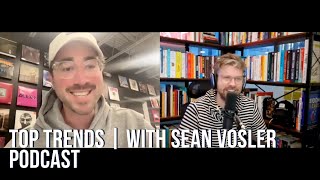
Nick Fisher interviews Sean Vossler about building 9-figure funnels through books and creating Movable Type AI, a tool that helps authors generate structured drafts fast. They discuss copywriting, AI-assisted writing, and how to preserve an author's voice while using automation.
There's different sagas and people's careers. Right. So you kind of go through these different cycles. The first place I was in the web development world, there's a lot of.
Funnels that you taught me over the years. And when people look at the charts or what I call like the power 100 of what courses are currently popping right now or what courses coaches, hybrid offers are popping. And before he created Movable Type AI, a builder, like I said, that lets you create books in 15 minutes, he spent five years, and if you ask him, five years and counting, making probably a modern day classic in copywriting, seven figure marketing copy.
Yeah. And it's interesting. That book I'd never actually published on Amazon. That's kind of the next phase which hopefully next year the actual physical copy will be out on the shelves somewhere. And Amazon, dude, super cool.
So a lot of innovations on that. Not only that book, but the book.
Funnel, seeing these seven figure checks come in for clients that I was managing.
How. How much credit do you give to that book actually being good and like in a classic versus the fact that you just hit.
Okay, so you are a ghostwriter who's going to be working with me to help develop and expand upon my book, which is about transitioning from the information business to the intelligence business to start.
Can you tell me about your journey in the information business and what prompted you to shift towards the intelligence business?
Yeah, it's really protecting my fear of because, you know, I want to know all the things all the time and the bigger our brands get, the less on the front lines I actually am, the more scared that I'm incompetent. All right, dude, well, I already gave a little bit of intro about you. This is Sean. He's one of my favorite people in the world and a mentor to me and truly an innovator not only in our space, but in several different arenas. He's the current CEO and founder of Movable Top AI, which brings basically sentences or your ideas to life as a book in less than 15 minutes. It's pretty neat. Welcome Shawn Vossler.
Nick. Dude, we're going to have a pleasure.
To be here live crowd noise in right now.
Yeah, yeah. You need a soundboard. You'll get there, man. This is episode one. No, I'm excited, dude. Like we. I was just out there, you know, a week or two ago and you know, I was, it was, I was thinking about it after I got back, I was like, man, you know, someone I, I really respect and like to just like, Nick, you have the like the ability to pull ideas out of my head by asking the right questions. So in a, in a podcast setting, that should be fun. But always, always a pleasure to talk to you.
Now there's a lot of pressure. Let's see if I can pull anything out of here today. I'll start, I'll start with a softball though. What? Walk me through your background in the info space. Who dragged you into this funny corner of the Internet and where did you go from there? Talk me about the early days.
Sure, man. Yeah, well, as you know, like there's different sagas in people's careers, right? So you kind of go through these different cycles. The first place I was in the web development world, like it was like whatever, whatever that is. I mean I'm in the nerdy stuff. Started building websites, all this stuff. And it's funny, I don't know if I've ever told you this story, but I saw the thing that got me into the info space, the Internet marketing world you might call it, or at least it was called. I don't know if you'd call it that anymore.
I don't know what we call it. Yeah, infospace might confuse people.
Yeah, anybody under like 25 isn't going to know what that world, that word means. But that's okay, we'll, we'll, we'll lean into it. But I saw, I saw a picture of Lewis Howes in like an infinity pool and turns out he had this little, you know, info product is a hundred bucks. What was it? Linked influence or something? I don't even know if that is still. I don't think it is around anymore. But anyways, long story short, pursued that avenue down that world, ended up working for him. DLDR worked with a bunch of different folks in that space, building out marketing funnels, going all the way down to the last. Was that 2018? So six years ago or so got connected with Sam Ovens, Lewis Howell or not Lewis Howe, Tai Lopez Ransom, big affiliate marketing campaigns there. And then eventually wrote my own book on marketing and transitioned from there to going down that avenue of launching my own stuff more directly. And that's where we are today. There's been a little bit of a pivot from the info space into the information generation space as we will probably explore. But they're actually oddly connected. So. So that's where we are now in the software land.
They are. They both pursue people's, or like at least tap into people's curiosity and their love of learning, which I think is cool. And now you're just in a whole different world. What I would call like Silicon Valley. I don't know what people call it when you actually get there, but that is what I'd refer to. So you quote unquote got out. And I want to talk about that here in a little bit. But let's go to. Because I know there's a lot of funnels that you taught me over the years. And when people look at the charts or what I call like the power 100 of what courses are currently popping right now or what courses coaches, hybrid offers are popping, people are always like, is this challenge funnel that they're running, is it a VSO call funnel? What are the steps? Blah, blah, blah, blah. So I know at one time there's various different things that you've done and webinars being one of them, but really you have a lot of experience. And I want to key in on that book that I see that's beautiful right there, right above Hormozy's 100 million leads. Guys.
That is the best from book funnels by the way.
All these. Oh, and that is what Sean, A lot of people don't know is that Sean is phenomenal, maybe even the best in the world at book funnels. That book right there is his own. And before he created Movable type AI, a builder, like I said, that lets you create books in 15 minutes. He spent five years, and if you ask him, five years and counting, making probably a modern day classic in copywriting, seven figure marketing copy. Sean, walk me through what was the labor of love in making that book and then finally what did you try in order to sell it and what was finally the, the point or the inflection point where it started snowballing and you got to over 30,000 copies with a funnel.
Yeah. And it's interesting that book I'd never actually published on Amazon. That's kind of the next phase which hopefully next year the actual physical copy will be out on the shelves somewhere. And Amazon. Yeah. So but the, the beauty of launching it the way that I did, which we can talk about is it allowed me to a control everything. Right. Like the from the traffic way to the upsell and everything between own the customer data. I that was the objective for that book was with Amazon. Sometimes the goal isn't always to like make money. Right. Like there, there is plays like that but like you don't, you're not really able to build in a direct upsell like in a funnel scenario there. So this book, the idea with it was to Leverage if you put it.
On, if you put it on Amazon, what do they give you as far as pieces of information about your customer?
Yeah, I, you know I haven't looked into it for a while but it seems to be the main thing people complain about is like they Amazon. It's not like they let you just pull in the customer name and email and put it in a database and communicate with them. It's a whole thing. And I'm not sure the latest and greatest there what's possible add order bumps.
Right into Amazon's interface.
Not directly. Yeah not yet anyways. Maybe someday but call it Shopify. Whatever I built my own on, I think it was clickfunnels at the time. Platform's not terribly important except that you can control the data. Right. And my end goal with this book was a like I had a bunch of different goals but the main thing was like connecting it with the in upsell which for you know, in layman terms basically just complementary product that goes along with it and use that as a model to actually generate revenue. So the book itself I could lose you know, up to 100 bucks per book from advertising if you know the upsell did its job right. So there's, there's that whole ecosystem that comes from it. And then on top of that like the credibility that adds to your business and your, you professionally allows you to obviously bring in consulting deals and agency deals which was another kind of part of that, that flow. But you know it broke the seven figure mark ironically that's in the title a while back. But the real money maker on that was with the upsells. But the impetus of it was I got tired of making clients so much money. Call it ego, it's fine. I'll admit it was a bit of an ego trip at the start to actually write that book because I was seeing these six and seven figure checks come in for clients that I was managing and they had pretty similar type funnels like almost always a book either paid or free on the front end, a webinar on the back end that introduced a product anywhere from $200 up to $5,000. Right. And I was like I could do that if I had a book and a product, right. And so that, that was the kind of the crux of, of the start. But since then it's, it's evolved into something much more meaningful than just being upset about not making what I wanted to be making. But it, it definitely is the, I'd say the lowest hanging fruit as far as like breaking into the info space and bringing a product to the market. And yeah, my, my experience with it was great. It was able. Allowed me to transition into a lot of different ventures after that.
Well, that's dude, super cool. So a lot of innovations on that. Not only that book, but the book funnel. How, how much credit do you give to that book actually being good and like in a classic versus the fact that you just hit the right headline or, or hook and it was just good from a front end perspective of people that didn't know you. What led from the.
That's a good question. So books, I mean if you look behind me, this shelf, I read maybe 5% of these books in total. All of them I've read a bit of. You know, I'll just admit. But, but the goal with most books is to have access to the information in them. Right. It's not for everybody, but in the non fiction space I'm generally not buying it. To read page by page, I want to find specific sets of information in it and that information should be good. That's kind of the default. Right. So for me the success of the book out the Gate I wouldn't say was so much a like oh my gosh, this book is so amazing. Everybody's recommending it, it's going organically wild, blah blah, blah. But you know, and I, I like think it's really good. However, I think the mechanism the, the, the big idea behind the book and who I was actually targeting with it was what made the biggest splash. And then it just the fact that when they got the book, it delivered on what they purchased. That's always a plus, right? Some books don't do that. That should be the lowest bar is like deliver on what you say it does at least doesn't have to be perfect. But yeah, that mechanism of connecting with the audience I was shooting for was what made it work in that capacity.
Sweet. Well, dude, I know I want to move into movable type because obviously what took you five years in order to even just get to that was just a book. That's not even talking like the marketing funnel all the time that went into that. Movable type can obviously drastically speed up the ability for someone to launch a book funnel. Because the biggest constraint historically for a book funnel is I don't have a book and writing a book is pretty hard or I have to pay a lot of money to a ghostwriter. So what have you seen as far as people creating with movable type and actually using it as a, as a revenue generating vehicle or Something to kind of accelerate what their core services already are.
Good question. I just noticed all the albums on the back wall there. By the way, this is the first time I've really gotten a good. I don't know why I was. My ADD is catching my attention here. I love it.
Next time you got to come here, it's because I know, right? My wife Steph won't let me do this at our house, so I have to use the office as my playgr around here, bro.
I. I'll. I'll demonstrate my. Like, not. We've got the. The rexy here. The full on, like. Yeah, I've always appreciated, you know, I feel your. I feel your pain where. You know, the home decor does not always.
Yeah, yeah.
It's not copacetic with the. Victoria didn't want that in the living room. I had it there for a long time. She's like, oh, that's nice. But, you know, I think so to answer your question, though, the. So it's not to get too, like, meta on it, but like copywriting to me and persuasion and communication, it's like fundamental to what makes us human. Right? It's. Communication is how we share information. A story is encoded knowledge and experience. Just hand it off to somebody. So I've always, from a high level standpoint, just been really interested in language. And when I was writing the copywriting book, that gave me an avenue to explore that in real depth because I'd been practicing it. Kind of like you're a doctor and you're going and doing surgeries, you know how to do it. Even though explaining it to another doctor that doesn't have that skill set, it might. You might not be able to do that right off the bat. You might need to actually learn how to articulate and teach that well. Right. So through the process of writing that book, I actually learned the information better. Also was my avenue for deepening my appreciation for how powerful words can be. And then when you look at AI which came along and there's some fun stories about that time period, right on the crux of GPT 3.5, I was getting started when it was still GPT 2, and then 3 comes to life. This is right before Jasper and all those guys, and I've worked with them before, but what it demonstrated to me, and in fact, Nick, I'll give you credit here, you were the first one to show me through Jasper. I think it was the mechanism of that kind of interactive overlay of the API stuff. You're talking to a client and they're like, here's. Here's my product, here's my audience, and here's context about it. And then you're prompting your brain through the structures you already have in your head to generate an output. And so when AI came along, it was a nice avenue to continue my, like, depth of interest in that subject of language and articulation and persuasion. And it was a natural pivot for me. So I was incredibly excited about it. I dropped pretty much everything I was doing, jumped over there. And then the passion for the book writing was still there. And the thing I learned most dramatically during that process of writing that book is that writing isn't necessarily all that difficult and collecting information, it isn't all that difficult necessarily. They might be challenges in themselves, but structuring it in a proper way to deliver the promise of the material to an individual, that was the hard part, especially for me as someone who's kind of like ADHD web of nonsense going all over the place. So how do you linearly structure information? Right. It just turns out that AI does that incredibly well, maybe better. I would argue now into the year 2024, it's better at structuring information than just about any single human on the planet, given the right context. So that was the progression from the messaging world over to AI, and it's been a wild ride since then, for sure. Yeah.
So I know I've been mentioning the value prop removal type, being you can get to kind of that first draft in 15 minutes. To you, that's not even the coolest thing necessarily, that it does, because you don't necessarily look as the book is finished at that point. So for the people that are, and they are, they're like, yeah, that first draft is good enough. What would you kind of warn them or what would you kind of advise them on, of, like, how to actually use the editor? And once you get to that point, how do you make it your own, as opposed to it feeling like. Like you just use a tool and it spit out something that was cool, but it doesn't feel like you.
Yeah. And, you know, that's really the challenge with a lot of AI stuff. It's, like, neat. It generated, like, a blog post, but it sounds like a robot wrote it, or maybe it sounds a little bit like me, but I definitely wouldn't, like, articulate it like that. You know, there's these kind of like, common walls that people run into with using this technology. And for a lot of our users, it's like ChatGPT is even foreign they're just like, what do you mean? Prompt engineering. Like most of these folks who are coming into our platform. What's really rewarding about it too, is a lot of these people have been holding on to these ideas for years and collecting ideas around them, their book, but they've never had seen the structure laid out for them. So even though Movable Type does generate a full manuscript as a first draft, like, a lot of times gives the structure for the individual to dive into the document and refine and expand it to make it their own. But it, like, it solves that biggest headache, which is like, what order do I put this information into? Once that's solved, then you're, then you're just an editor. Then you're, you know, expanding, contracting. That process is a lot more straightforward than building out that structure. For sure. Cool.
Question is, hey, gets better. Obviously, maybe the quality of drafting and the quality of the book gets better. But where do you see Movable Type going from here? What's its final form that you're most excited about as far as what it could be in the future and fulfill its potential in your eyes?
Yeah, so we're, we're at our, like just over our first year mark here. And the, the first year was really about getting that structure dialed in. Right. And figuring out, okay, someone drops in. Like, the big idea behind my book, the. The premise of it thesis, whatever, whatever you want to call it, was the idea that there's entrepreneurs out there who have great products, great services, but they're not selling as much as they know they should. They understand why their product is awesome, they understand that their customers need it, yet there's a gap between what they think their potential is and what they're reaching. And the premise of the book is that copywriting fixes that gap. Right. So that's in a nutshell, what my book is about now. From there, it's about structuring the messaging in a way that teaches why that is the case, establishes the problem that they're experiencing effectively so that they believe it, that messaging is the problem. Advertising all the things around copywriting and then actually teaching the base set of skills and what to do with those as an entrepreneur. So, interestingly enough, the audience for my book is not copywriters. To learn copywriting better, even though they should be, I branch it out, or even though they will benefit from the book, I branch it out to appeal to entrepreneurs who have a specific problem. All of that stuff is now in the quote unquote, algorithm of Movable Type. The Structure that it outputs, it pulls to gather, like based on your idea, input those ancillary items, like what problem's being solved, who should be the target audience, and then how do we wrap this all in a nice bow to articulate the steps they need to do to solve that problem. So once you have that, then you can go in and fuse your own thoughts and ideas. But to your question, we're on the edge of releasing a couple new things that had me really excited. The main one being an interview, which basically will be a guided ghost writing style interview where once you have your kind of idea and core audience designed and whatnot, it'll just talk to you and mind blowing.
It was phenomenal. I can't wait for people to see that.
Yeah, it's been fascinating to see that side of things come together really well. Maybe at the end we'll, we'll do a fun little talk demo of it, but love that. Yeah, we got it here. We, we got that on the phone side. But you know what, at the higher level, Nick, if I can call you.
Nick, you can call me Nick.
Yeah, Mr. Fisher. Okay, we'll go with that. At the highest level, like, the thing that gets me stoked on it is, you know, book books are, they're just a vehicle for information, right? And with the advent of AI, I mean, your habits change, my habits change. A lot of people on that front curve and even more toward the middle now are starting to use AI daily for just about everything. I mean, today my wife texts me like I'm trying to come up with some ideas for what they think their potential is and what they're reaching. And the premise of the book is that copywriting fixes that gap. Right? So that's, that's in a nutshell, what my book is about. Now from there, it's about structuring the messaging in a way that teaches why that that is the case, establishes the problem that they're experiencing effectively so that they believe it, that messaging is the problem. Advertising all the things around copywriting and then actually teaching the base set of skills and what to do with those as an entrepreneur. So, interestingly enough, the audience for my book is not copywriters to learn copywriting better, even though they should be. I branched it out. Or even though they will benefit from the book, I branch it out to appeal to entrepreneurs who have a specific problem. All of that stuff is now in the quote unquote algorithm of movable type. The structure that it outputs, it pulls together, like based on your idea, input those ancillary items like what problems being solved, who should be the target audience, and then how do we wrap this all in a nice bow to articulate the steps they need to do to solve that problem. So once you have that, then you can go in and fuse your. Your own thoughts and ideas. But to your question, like, we're on the edge of releasing a couple new things that had me really excited. The main one being an interview which basically will be a guided ghost writing style interview where once you have your kind of idea and core audience designed and whatnot, it'll just talk to you and mind blowing.
It was phenomenal. I can't wait for people to see that.
Yeah, it's been fascinating to see that side of things come together really well. Maybe at the end we'll, we'll do a fun little talk demo of it, but.
Love that.
Yeah, we got it here. We got that on the phone side. But you know what, at the higher level, Nick, if I can call you Nick, you can call me Nick. Yeah, Mr. Fisher. Okay, we'll go with that. At the highest level, like the, the thing that gets me stoked on it is, you know, book books are, they're just a vehicle for information. Right. And with the advent of AI, I mean, your habits changed, my habits changed. A lot of people on that front curve and even more toward the middle now are starting to use AI daily for just about everything. I mean, today my wife text me like, I'm trying to come up with some ideas for Rin, who's our six year old, some social study things for him to do with his homeschooling. And I went to ChatGPT and I was like, I have a six year old and we're looking to explore some fun exercises we can do that qualify as social studies exercise, you know, and yeah, yeah, I was like, I don't know, I don't even know what social studies is, to be fair. Like that. Don't be on that.
They'll be learning.
Yeah, I mean, trust me, that's also. That's a mixed bag sometimes to use AI on things you don't understand. Exactly. But.
But the point is that very clearly. Which is the first step.
Yeah, yeah. And well, the funny thing is it's like, okay, so that in the past I may have gone out and bought a book on social studies education for children, you know, and it's not that I still wouldn't, but it's not exactly the first thing I'm running to now. However, there is a special place that books represent for Delivering real world experience in a way that AI is. Maybe it'll catch up with someday. But like, I don't know about you, but I still like the experience of someone. I still like to be able to tap into the experience of someone else and what their, their stories, the things that they've run into along the way. That to me is what a really good book does. So as this platform evolves, our real aim is to pull that out of our writers and let Moodle type focus on the structure and let the author focus on what they actually want to share with the individual reading their books.
Dude, I agree and I'll take it even a meta layer even further. What is the coolest story that you have heard from customers of how they've used movable type that was completely not your intention going into this or surprised you by what actually happened with it? Does anything come to mind?
Yeah, it's very fascinating to see how people use the platform because you never can quite anticipate how people are going to try and work with these things. And the fact that the platform itself pretty much like has an inner dialogue, like it will prompt itself and create prompts to prompt itself again, stuff like that. So sometimes you get some really fascinating results. Obviously we're staying in the non fiction space, so it's generally like pretty straightforward. However, it can get like, I'll give you a short example and then a more profound one. We had someone upload a full prayer that she recorded of herself praying to God for like an hour as the source material for her book. And I was like, I didn't know that it would be. But what the, the platform ended up doing was pulling out key insights that she shared through that key concerns. And then it built a structure for this book, non fiction narrative that did a very good job of organizing the key themes of her literal prayer, which was not what it, you know, anticipated use case, by the way. Yeah, but like I was like just a free flow, you know, talking about things she cares about and what she wishes for the world. I'm like, this is awesome. Right? And so that, you know, there's always these weird ad cages you can't explain. Most people use it for like the more traditional stuff, which is like, I have a company that does email deliverability consulting. Let's put together a book on how to optimize your list and you know, use that as a lead generation front end to, you know, sell my services. That's the more traditional model. But I also had a great conversation with a ghostwriter who Uses it with their clients. And her initial feedback was like, this is exactly what I would shoot for as the first draft to work with the customer. Her only complaint was that it was like too easy. Right. Didn't feel like she had as much input with it as she'd want to make it feel like it was her book. So we're. That a big part of why the interview platform is going to be so powerful is that exact thing. Yeah, yeah.
Yep.
Yeah.
No, and. And you guys, you haven't. Sean said maybe he would demo it at the end. But the ability for basically a mature, like experienced ghostwriter to pull stories out of you, I think is a big reason why the most successful books are in nonfiction. Are most successful because what, over 50% of the nonfiction bestseller list probably worked with a ghostwriter, whether they were credited or not. And I don't know if they're credited. They're not really a ghostwriter anymore. Right. They're a co author.
Yeah. Fair enough. Yeah. And you know, it's a valid conversation, right, to say how infused should AI be with the authorship process? But my main thing is, like, if you want to be a writer, like I enjoy writing, I would say I'm a writer, I write a lot, you know, but as an author, I'm not too concerned whether it's my writing or ghostwriter or AI or otherwise, as long as it captures the idea in a way that helps my end reader. And from a little bit of an ego standpoint, I'd like it to sound like me. In an ideal world, we have a built in approach to capturing people's tone and styles, but they're two different things. Be. If you want to be a writer, be a writer. You could be a writer and an author, but you don't have to be an off a writer to be an author. And like literally the word author just means to. To create. That's what it, you know, stems from. So that that side of the discussion's very interesting and it's going to be changing over time for sure.
Yeah. Can I stop in tonality and style? Because that is something that a lot of people struggle with and they try to, let's call it typecast or whatever you would call method act essentially. AI A lot of times I would see like method acting like prompts in order to imitate tonality and style. What are the components or what are the things that you've uncovered that make up someone's tonality and style? Does it consider cadence and like the lexicon or like what are those Components that people miss when they're thinking about, oh, this still doesn't sound like me, even though I said it should be daring and adventurous type of tone.
Yeah, tone and style is fascinating and specific. Specifically with like chatgpt and Claw at a stand today, they have some, like, when you're in the interface chatting with it, they have some overriding, like, style guides built into them. They are built as an assistant. Like, that is what they are instructed to be. They're not instructed to be a writer necessarily. They. They're. They're assigned to do a task. So if you want it to sound like you, you have to instruct it very specifically. Like, I was actually working on a doc today kind of mapping out. So we have author profiles where it will articulate a tone and style guide for use in our platform based on your background and experience, all that fun stuff. But I was today playing around with this notion of, like, there's different types of tones you might want to strike based on the type of content. So a more casual tone and style is going to have a different instruction set than a more dramatic or, you know, thought leadership tile style stuff. So, you know, first thing at the top, like, getting it to deciding for yourself what type of cadence you want to bring to the table for the type of writing you want to do with the AI. That's your first step. Like, do you want it to. Do you want it to sound like you'd post Facebook posts or a, you know, article for the Atlantic? Something like that? Right. So that's, that's like the stylization aspect. Then you've got the tone, which again, is going to vary based on the. The end goal, but it's a little more of your personal. How would you call that? Like, quirks of how you either speak or write. So getting that, getting an understanding of your own approach to things makes a big difference. And something I was playing with today is a means of allowing users to generate a piece of content and what they think they sound like. Then they edit it to actually sound like they want it to. And. And then train the AI on based on the difference between those two. Right. And that's, that's right now something really fun to play with to help articulate that. Because most people don't have a tone and style. They think they do, but, you know, they, they write random emails and blog posts and social media stuff and that's fine. But a real tone and style is deliberate. It's a mechanism you design over time. And if you don't have One, you can do that before you start writing. You could design it and say, these are my guidelines for myself or AI in this instance.
That's interesting. So when you say people don't have a tone and style, it's not like they don't have a lexicon or a vocabulary of clickable words that they use, but more so that they're imitating someone else's style or they're imitating a cultural style when they go about certain formats. Is that what you're saying?
Kind of. So two different things. It's when you're. If you write a bunch and it's very deliberate, like you daily are writing with the end game of developing a tone and style over time, you will, through imitation or experience, whatever you want to call it, you will develop a. When you sit down. This is how Ernest Hemingway writes. Like this. Right. However, even me, you know, I write a lot, but I wouldn't say I have like the Sean style. Like, it's not a. It's not a very specific, like pull it out of a hat and see it kind of style. So for most people, think of good.
Flair or artistic flair.
Yeah. And. And, you know, I think another term that should be used more in the tone and style discussion is personality. So.
Yep.
Yeah. If you can. Like us speaking here, we're gonna have different levels of personality. Maybe not us, we're. We're pretty intp, But. But we do. Right. So you, You. You'll pull into humor. Sometimes you pull. It's like that. That ebb and flow of. Of who you are as a person comes out in personality. And you can articulate that as an instruction set for AI, It's a. Takes a little more time and energy. But if, if you do that, if you take the time to kind of figure out how you want to sound in this specific writing and articulate that as an instruction set, you'll get pretty darn good results. But back to that point that chatgpt and Claude, they are designed as assistants. There's. It's. It can be difficult to get consistent outputs with tools like that, and it's why it's nice when. So with movable type, obviously we're tapping into these different large language models. There's old kinds of new ones coming along all the time, but we're able to get very consistent results with the same instruction sets because they're not experimenting on those API platforms, which are. Is how we connect to those different tools where in ChatGPT they're adjusting that stuff all the time. I'M sure you've experienced that where it's like one day it's like this worked great and then three days later, like now it's terrible. Like could be difficult.
Yeah, yeah. The lack of consistency of output despite a very specific prompt is, I was going to say infuriating. It's not infuriating because I still think it's magic, but you know what I mean?
Yeah, yeah. It's frustrating for sure. Yeah. And not to mention like you know, part of the. So when we generate a book, it'll be between what, 120, 150 pages out the gate. And to do that efficiently and effectively, where it's like actually understand itself, there's, there's a lot more mechanics than just continually going down a chat and continuing the story. You have to do a lot of I, I suppose meta work, like generating the instructions in the background to continually give it context to what's happening in this chapter verse, chapter 1 1, you know, so it, it's the end game for me to actually make it like practical here is I want to be able to do with this platform what I was doing manually to write this book. That's, that's the end game. And if I can help people along the way with that, with their own, bringing their own stories to life, like that's, that's a major win for me for sure.
Yeah, it's, it's super cool. So really, do you think about it as giving them the gift of are you, are you overcoming. Is the problem more. It's painful to, to write a book and movable type is, is a tool to reduce that pain, but still, still the same amount of time needs to go into it or is it really a time saver, do you think, for you and the pain of writing is still there and the fact that you have to edit it?
I don't know. That's a good question. I mean, I'll tell you this much. The biggest pain that I experienced was not knowing what I didn't know. Like not understanding how important it is to not just learn how to write well, but also how to structure, to inform. Well, there's people with PhDs on how to educate. Right. There is a whole art and science behind how to take information and synthesize it down based on who you're trying to teach and what they need to learn and how they need to learn it. That structure algorithm, whatever you want to call it, is known. It is known how to communicate somebody information to teach them that information. Right. But if you don't know it. If you don't know it well as you're writing. And anybody who's tried to write a book probably knows this. You might get through a few chapters and feeling pretty good, and then you're like, well, where do I go from here? Crap. Did I talk about, like, you lose. For me, it was a. Like, I lost a sense of what the bigger picture was because I was working so close to the. The material. So movable type for most people, I think, serves as that. Like, it gives them the full structure out the gate. They can change it, they can remove things, they can add things. But, like, starting from there is such.
A stronger foothold that makes sense. So it's really, like, makes me think that that's maybe where writer's block actually stems from. It's not the idea that you sit down and you don't know what to write. It's almost the question of where do I go from here? And I feel like I've, like, I'm in the forest and doing circles and I don't know where I've went and where I'm going kind of thing. I've lost the path entirely.
Well, and every one of these books on this shelf has a different structure, but they all have a similar. Most of them have a similar objective, which is to take somebody from where they are to where they want to be. And most authors define that right out the gate. Any good ones do. And in the actual, like, publishing world, where you're getting paid in advance and then you get set aside a year, you write the book, they want a very detailed proposal on what your book is going to do and how it's going to do it. Right. That's what you're pitching to a publisher where most people. It's like, I got an idea how to write a book on sales because I'm good at sales. It's like, okay, what's your unique selling proposition? Like, who are you targeting? What situation are they in? They don't know that they need to define those things beforehand. The beauty of the platform that we've been building is like, all that's built into it. It's all those mechanisms and more being added. More frameworks are coming in. But, like, that's the core thing. If you can get that out of the way, then you can focus on the important or the. Well, maybe the more fun part, which is actually distilling your unique perspectives into it.
It's interesting. I was going to. I had two more questions here, but I'm actually Going to pull an Audible. So I was going to say where do you think the future of online book marketing really lies? But I'm actually maybe more interested in where do you think the future of book publishing in general lies is? Movable Type, a net positive for authors who are looking to still get the very limited amount of shelf space at something like a Barnes and Noble. And are publishers rethinking how tools like like ChatGPT or Movable Type AI affect kind of the book publishing ecosystem at large?
Good question. I love Audible, by the way.
Me too.
That's a bad dad joke. Meaning pretty funny. It's funny because, like, people would assume I don't know what sports are and I'm just kidding. You know, it's interesting that one of the key folks on our board is highly integrated into the publishing industry. He. He owns a large book distribution platform and, and a publishing company. And they're in the $2 billion a year range as far as what they move in product and product being books. And it was fascinating. We went up and visited the headquarters of this company and seen how the teams develop the books and package them and sell them. And it was interesting because you think of a book coming out and you're like, a book comes out and it's got a subject that it's covering and it's either going to appeal or it's going to, or it's not going to. They don't look at it like that. That's like a given. The book should have those components. Their big thing they're concerned with is packaging, marketing and literally just like tapping into that wonderful thing we all love about books, which is like you can hold it and experience it. Right. So they, they make those nice, you know, package collections of books, you know, Lord of the Rings that are all leather bound and stuff and, you know, or redoing. I'm trying to think of good examples, but basically, like when you go to impartial, beautiful sets, it's like there's an aesthetic and an experience that comes with books. I do think that's going to become more and more important. Yeah, there you go. Like the big. I wish I had some good examples here. I'm, you know, I'm kind of a nonfiction book nerd, but I love, I.
Used fiction a lot and now it's switched.
Yeah, fiction's a fascinating thing. I stay away from that because that's a whole other discussion. We'll do another podcast on there. But I do think the publishing world, as far as movable hype, is concerned getting people quicker to the point that they can bring something important into the world that stems from their big ideas. It becomes a mechanism in their business and their life. They may not be interested in moving a couple million books, but a thousand books that they move is going to maybe bring them 100 hot leads which turns into 20 incredible clients. Right? That's like the lowest or maybe the less interesting but more practical side of this thing is like if you've got a business, if you've got a agency, if you've got a consulting company in sports, like whatever it is a very specific problem you solve that you can put into a simple book form like this one on my desk. Email deliverability. Literally that's the name of the book. It's a book that the title is the problem I'm trying to solve. Right. And guess what? I bet you if I ever.
I love that cover too. That's one of my favorite covers I've seen in a while.
Super simple. Hey. However, if you want someone to do this for you, visit this website. Yeah. Into the book, right? So like that, that's, that's the practical side, right? It's like everybody and their mother should have a book that solves a very specific problem for their business if they do any knowledge work. In my opinion. If you are trying to get a job and you can't seem to get the interview, what if you wrote a book about the problem that your position solves and are known for? Right. You don't have to sell a million copies, it just has to be good. So that's the low hanging.
That's a great idea for so many things.
Yeah, right. I need to experiment with that one. But at a higher level, something that excites me is with the advent that knowledge and information is becoming valueless, I would say in the sense that it's incredibly accessible through AI, through the web, through whatever YouTube. Like information in itself is fairly non impactful. So you might know one little like it's pretty rare to write a book where you have a unique idea that only you know and you finally put it in a book and people are like oh my gosh, like look at this. Amazing. But what a, what a book does is it's it. The structure is the value it pulls, it gets out all the noise, all the static and pulls together your approach to solving that very specific problem. And if you do that well and it helps people guess what, when they run into that same problem, they're going to recommend that book to the person or sorry if they know somebody who runs in that same problem, they're going to recommend that book. So that, that's the, the mid level, the higher level is like, you know, information structure. All that isn't going to matter at all. It's how you position it out to the market, some marketing, you know, it's going to come the, the, the end all be all good.
So I still will have a job hopefully in 10 years. That's good to know.
Maybe. All right.
Or we'll be on universal basic income and, and hopefully happier. Either one.
Right.
Would be good. So. So dude, last question. Where can people go to find out more about movable type and what. I know you said the demo feature, that's something we could append on too.
Let's try it. Let's try it. We've been playing around with this.
I'm going to include into if you guys get a trial of movable type AI. I was there, I could say from almost the very beginning with Sean when he had this idea. I think it's a phenomenal product. And if you believe in, if you really don't view yourself as an author, I would give this thing a try. It's really cool.
A writer. A writer you can be a you, you, everyone.
Author just means creator. Now I learned something new here today, but I will throw in, I'll put a link on this episode too to just a share funnel of one of the most successful book funnels that I've used. So that way you have the ability to create a book and a funnel to spread it in. If Sean, if you did build it in clickfunnels and you want to include your own in there, by all means, I'll include two. I just want to set anyone who's watching this either now, in the future up with both the, the, the tool itself and the mechanism in order to sell it and position yourself as an authority. So I appreciate having you on.
Yeah, dude. And you know, like, this stuff is so fascinating in the sense that there's our kind of local level of, of what's possible with this technology. I'm, I'm fortunate. I've kind of got in fairly early into it and have been building up momentum behind it. I'm not an AI expert in this traditional sense of data scientist kind of stuff, but the approach to how to use it well is the area that I'm most fascinated in. So as movable type as a tool grows and expands it, the mechanisms that it uses to accomplish what it wants, what it's designed to Accomplish gets better and better. That's really the exciting part for me. So we'll show this off just a little here. I've been playing with today, so I do have to give it some context in the conversation. So we'll do this together.
I will be quiet, unlike the first time that I was using it, but I just jumped in. Oh, this is fun.
It's all good. Let me make sure I've got the right deal here. All right, so let's see if I can sort this out. What do we want to write a book on? Or what is our. What is our book on right now? How about growing your information business or something?
Yeah, that would, that would be perfect for me. The future of online marketing in a.
World of online marketing.
Yeah.
Okay. The.
The transition from information age to the age of intelligence.
Oh, okay. All right, so here we go. Okay. So you are a ghostwriter who's going to be working with me to help develop and expand upon my book, which is about transitioning from the information business to the intelligence business, which is the concept of the world as it is right now is a world of creating information to sell. However, as we transition into the artificial intelligence age, the whole dynamic is changing. I run a marketing agency called agexa and I would like to have you interview me about this book subject matter and pull out thoughtful and insightful approaches or questions and then provide follow up questions as we continue. Great.
Let's dive into this. To start, can you tell me about your journey in the information business and what prompted you to shift towards the intelligence business?
Yeah, so it. Over the last few years, obviously, like, there's a lot of money to be made in selling your information, your insights and courses and through books and things like that. And our agency builds funnels to help people do that. But looking at the future and what AI holds for us, it's gotten me thinking a lot about how we can better apply that for our customers and for ourselves. We've been experimenting with all kinds of different chatbots and tools to help tap into that new technology. However, we don't want to lose sight of the strategies behind helping people with our businesses.
It's interesting how you've been at the forefront of selling information and are now exploring how AI can shift that paradigm.
Yeah.
Thank you for the compliment.
Keep going. Come on, baby. You can do it or not. I think you get the general idea. Oh, it's. I interrupted it. That's why. Hang on, let's see you back. It's a great demo. Yeah.
This always happens to Me, when we do it, what we can do is.
So where would you like to pick up from?
You tell me. I interrupted you. I'm sorry.
No worries at all. We were talking about your journey in the information business and what inspired your shift towards the intelligence business. What was the defining moment for you?
So you get the idea. I mean, the concept here is the way Movable Type works right now is it obviously gives you that structure, but it also, it generates the content within the book, which in itself, it's pretty amazing that you can do that. Like, I'm still flabbergasted that that's a possibility. However, that's just one step, right? The structure, the information behind it, the processes, the frameworks around the topic. That's exciting to generate on its own. But how do you infuse someone's life experience, their unique approaches, their case studies, things like that? How would a ghostwriter do it? They'd sit down and follow up, do questions, follow up questions around each, each chapter so that, that being part of the process as we move forward is going to be huge and really change the game of, of the quality of the book that is generated with movable types. So, so that, that has me really excited. And Nick, you know, I've always respected your ability to keep an eye on the bigger picture of this industry. You know, I know you've worked with all kinds of fascinating individuals over the years and been able to really know, like, what it is at the time that's working in the space. And for, for, for myself, I'm excited to see where this podcast goes because it's, it's going to be a fun, A fun journey down the, the road of what's working now as opposed to, you know, for myself. I haven't really been building a lot of new marketing funnels for quite a few years, but, but I, I'm, I'm excited to see where it heads.
Dude, thank you. Yeah, it's really protecting my fear of, because, you know, I want to know all the things all the time. And the bigger our brands get, the less on the front lines I actually am, the more scared that I'm incompetent of, of. So I'm like, I can't lose it. And hopefully this, this is a forum or an ability for me to at least know what's going on so I can continue to give some level of advice to people. So that's, that's my aim here.
You're always the first one I call when I run into those headaches, just for full Transparency. And Nick forgets this, but you are on the board of Noodle type. Just so people know you know it obviously you. I have a lot of conflict of.
Interest which I didn' want to disclose it until now.
I'm sorry. Yeah, that kind of. That, that's important. No, but the reason I bring that up is like, for me, like bringing the right people in to help make this thing incredible.
That's. That's my aim here.
You're always the first one I call when I run into those headaches. And just for full transparency. And Nick forgets this, but you are on the board of New type. I am just. Just so people know you know it obviously you have a complete conflict of.
Interest which I didn't want to close until now.
I'm sorry. Yeah, that kind of. That. That's important. No, but the reason is the exciting thing. Like I get to spend all day fine tuning all these, you know, mechanics behind the book itself. But you know, when I look at marketing passing the torch of my own expertise off a little bit here, like what able to do with these brands that you work through in your different agencies, I can't keep track of. I find. I find it invaluable because it's. You are on the touch on the cutting edge of that kind of thing. But to see that you're still, you know, humble and how I bring that up is like, for me, like bringing the right people in to help make this thing incredible is the exciting thing. Like I get to spend all day fine tuning all these, you know, mechanics behind the book itself. But you know, when I look at marketing passing the torch of my own expertise off a little bit here, like what able to do with these brands that you work through in your different agencies, I can't keep track of. Hungry to learn from other folks. That's. That's a pretty rare thing too. I love that dude.
Thank you. Always from you especially. I actually don't want to learn from everyone, just a certain select people that I trust of which you were first to come to mind. So like I said, thank you for the compliments, John. This has been super fun. We'll have to do it again. Like, I just enjoy doing this. What does your sign say in the background? I'm just also ADHD like you. You just recognize the albums. I just recognize there's a neon sign back there that says it was all a dream.
I find. I find it invaluable because it's. You are on the touch on the cutting edge of the. That's kind of thing. But to see that you're still, you know, humble and hungry to, to learn from other folks, that's. That's a pretty rare thing too. I love that, dude.
Thank you. Always. From you especially. I actually don't want to learn from everyone. Just a certain select people that I trust of which you are first to come to mind. So, like I said, thank you for the compliments, John. This has been super fun. We'll have to do it.
I think the, the big thing that is going to make the difference in the long term is are you able to tie a story into the. The. The larger, you know, quote unquote lore.
Yeah.
Of. Of the thing. Right. I. I've been studying how and why I watch certain content, specifically podcasts.
Again, like, I just enjoy doing this. What does your sign say in the background? I'm just also adhd like you. You just recognize the albums. I just recognize there's a neon sign back there that says it was all a dream.
I think the, the big thing that is going to make the difference in the long term is are you able to tie a story into the. The. The larger, you know, quote unquote lore.
Yeah.
Of. Of the thing. Right. I. I've been studying stuff because I watch it. I don't listen to it. I don't have. I don't listen on, you know, Apple podcasts. I go on YouTube. Yeah. And it's either. It's either a one minute clip on shorts.
Yeah.
Or it's like eight to ten minute clip with a specific thing being discussed by a specific person on a topic I'm interested in and someone interested I'm talking about it. Or it's the Full Monty, like hour to five hour video where it's someone I'm very interested in. Like it has to be like, you know, I don't want to just watch Joe Rogan talk to some crazy how and why I watch certain content, specifically podcast stuff, because I watch it. I don't listen to it. I don't have. I don't listen on, you know, Apple podcasts. I go on YouTube and it's either. It's either a one minute clip on shorts.
Yeah.
Or it's like eight to ten minute clip with a specific thing being discussed by a specific person on a topic I'm interested in and someone interested. I'm talking about it. Or it's the full, you know, CIA negotiator that I have no idea who is.
I don't like Joe Rogan talking about.
Yeah. And it's Like, I mean some people love that, but it's not for me. But if there's an, you know, an eight minute clip where he's talking to, you know, Sam Altman about I like, yeah, I'm going to be interested in that. So I think the future you're finding.
The mid form content, even when people talk about short and long form, they often skip that sort of like 8 minute segment or just a chapter segment of the longer form.
Monty. Like our a five hour video where it's someone I'm very interested in. Like it has to be like, you know, I don't want to just watch Joe Rogan talk to some crazy, you know, CIA negotiator that I have no idea who he is.
I don't like Joe Rogan talking about.
Yeah. And it's like, I mean some people love that but it's not for me. But if there's an, you know, an eight minute clip where he's talking to, you know, Sam Altman about AI, like yeah, I'm gonna be interested. Well, and if you think about it as a funnel, like not to go on a whole different tangent, but like I always. Well, yeah, oh, I go through shorts and we were talking about this when we were hanging out last time. I kind of like hate the concept of shorts but I in the sense that like maybe ethically, I don't know it, I, I'd hate that it's what it's doing to my neurons. Like I know it's a problem. Yeah. However in your thumb reality. Yeah. So I think the future you're finding.
The mid form content, even when people.
Talk reality is at least with. I'm not a tiktoker Instagram a little bit. But YouTube shorts, they're all the same idea. Whatever. But like what it does the short form, you come across somebody in a genre that you like. So I would say about short and.
Long form, they often skip that sort of like 8 minute segment or just a chapter segment of the, of the longer form.
Well, and if you think about it as a funnel, like not to go on a whole different tangent, but like I always, well, yeah, oh, I go through shorts. And we were talking about this when we were hanging out last time. I kind of like hate the concept of shorts, but I in the sense they, you know, not to get dude, bro, but Joe Rogan is a genre of short, medium and long form content. Right. He has all these kind of people who emulate that style whether they know it or not. And the short form, you might come across Someone new, you see them enough, you're like, okay, I kind of know that person. Then you see their mid form content, then you're like okay, I want to see their long form content. And then okay, maybe I'll go see them in person at an event or something that like, maybe ethically, I don't know, I'd hate that. It's what it's doing to my neurons. Like I know it's a problem, however, in your thumb reality. Reality is at least with I'm not a tiktoker Instagram a little bit. But YouTube shorts, they're all the same idea, whatever. But like what it does the short thing or a comedy show or an author book signing, like it's, it's an essential form. You come across somebody in a genre that you like. So I would say model of context. And I, I do think the more you can do that in your business, the better. Like what's that? Who's the guy? Chris something or other Modern wisdom that podcast. Hey, you know not to get dude bro, but Joe Rogan is a genre of short medium and long form content, right? He has all these kind of people who emulate that style whether they know it or not. And the short form, you might come across someone new. You see him enough, you're like okay, I kind of know that person. Then you see their mid form content, then you're yeah, yeah. And like I had really no idea who he was. I mean he's huge. Like, okay, I want to see their long form content. And then okay, maybe I'll go see him in person at an event or something. Like he's top 10 podcaster. But like I would just see like his guest in a 30 second to one minute clip. And then I got to know him and then I was like, oh. Then I saw more is that same, same model. So I, I think that honestly it's something I want to figure out myself. Like what does that look like to me in a way that I can enjoy making that content?
I'm going to add that next.
Or a comedy show or an author book signing. Like it's, it's an ascension model of context. And I, I do think the more you can do that in your business, the better. Like what's that? Who's the guy? Chris something or other Modern wisdom that.
Podcast My guest list of things of like what? What do you want to learn that you're curious about right now that I can help discover? So I want to solve that exact same problem. Neil Patel has been posting a Lot of research of just like the context or the recall of short form versus long form or the amount of touch points needed in order to drive a conversion. But as you know conversions dependent on price point and it's dependent on offering and each touch point weight. It's not like oh the secret guys. I heard someone say it's now about seven different touch points on four different channels over the course of like three weeks before someone will convert. I'm like well that's not true. Just like I have enough data that would suggest people have different time horizons for distinction.
Yeah, yeah. And like I had really no idea who he was. I mean he's huge. Like he's top 10 podcaster. But like I, I would just see like his guest in a 30 second to one minute clip and then I got to know him and then I was like oh, then I saw more is that same, same model. So I, I think that honestly it's something I want to figure out myself. Like what does that look like to me in a way that I can enjoy making that content. I'm curious.
I'm going to add that next decision. But their context windows needed to make that decision is always dynamic. It's always dependent on the viewer. But yeah like these new, these new content formats are kind of eroding how we typically consume content. And I do like the idea in theory of instead of it would be nice that it's my guest list of things of what do you want to learn that you're curious about right now that I can help discover? I want to solve that exact same problem. Neil Patel has been posting a lot of research of just like the context or the recall of short form versus long form or the amount of touch points needed in order to drive a conversion. But as you know, conversion's dependent on price point and it's dependent on offering and each touch point. If yeah instead of a 40 minute long form video someone needs to consume to make a conversion based decision, you really just need seven short form reels and that somehow makes up for it over the course of this many X frequency of day. It's not like oh the secret guys, I heard someone say it's now about seven different touch points. But yeah, I, so I.
And again, I'm sure you've got a hard stop here soon. I'll, I'll try to respond.
I did four minutes ago. But you know what, we'll go on.
Let's make this first podcast a banger. Man, this is important. We're gonna get, we're Going to get short form, mid form and long form. I promise if you points on four.
Different channels over the course of like three weeks before someone will convert. I'm like, well that's not true. Just like I have enough data that would suggest people have different time horizons for decision, but their context windows needed to make that decision is always dynamic, it's always dependent on the viewer. But yeah, like these new, these new content formats are kind of eroding how we typically consume content.
And I do stick around this, this is. So this could be your format. All right Nick, is you do your, your traditional Internet marketing style podcast which is the first 40 minutes which like.
The idea in theory of instead of.
It would be nice that we've done. Then you say all right, it's over and we can talk about whatever and then the person really starts talking about what they're interested in and that's probably going to get the most interesting content.
Uh, you're probably right. Now we're gonna take our clothes off.
Yeah, well, yeah, no one wants to see that. But I will say if, yeah, Instead.
Of a 40 minute long form video, someone needs to consume to make a conversion based decision. You really just need seven short form reels and that somehow makes up for it over the course of this many X frequency of days.
But yeah, I, so I, and again, I'm sure you've got a hard stop here soon. I'll, I'll try to respond.
I did four minutes ago. But you know what, we'll go on.
Let's make this first podcast. So I'm looking at this YouTuber who, this model, he. So I'll, I'll, I'll put it this way. The thing you were describing, I zoned out when you mentioned Neil Patel, touch points, all that. Like that's really interesting. But I think the only way to really make the short form mid form banger, man, this is important. We're going to get, we're going to get short form, mid form and long form. I promise if you're in long form work is the person making it has to like, like doing it because you know how it is. It's like man, if you're pulling stick around this, this is. So this could be your format. All right Nick, is you do your, your traditional Internet marketing style podcast which is the first 40 minutes which we've done. Then you say all right, it's over and we can talk about whatever and then the person really starts talking about what they're interested in. Nails out to try to like force yourself to make these videos and you're like, oh, I set a goal to make one video a day and that's probably going to get the most interesting content.
You're probably right now we're going to take our clothes.
But you're like, it's all about the goal, not the. Like you're going to check out.
You're just never worked off.
Yeah, well, yeah, no one wants to see that. But I will say you're not going to. It doesn't how like maybe, but usually not. But then. So I, I'm not going to share my screen because I'm afraid it'll mess things up. But there's this YouTuber called Pirate Software. He's a streamer as well. I think he makes a couple million bucks a month off streaming YouTube and all this stuff. But he started popping up in my shorts and I was like, so I'm looking at this YouTuber who. This model, he. So I'll, I'll put it this way, the thing you were describing, I zoned out when you mentioned Neil Patel. Touchpoints, all that. Like that's really interesting. But I think the only way to really make the short form, mid form, long form work is the person, person making it has to like. I don't know who this guy is. I'm not really all that interested in video game development or streaming or stuff. He's talking about like doing it because you know how it is. It's like man, if you're pulling. But he just turned out to be really interesting and funny and talking about sometimes pretty profound things in context of life and video games and sometimes talking about like ferrets and I'm like, he keeps showing up and I keep watching it and then over time I'm like, this guy's pretty cool. I'm not going to go watch his streams necessarily. I'm not going to nails out to try to like force yourself to make these videos and you're like, oh, I set a goal to make one video a day and. But you're like, it's all about the goal, not the like you're going to check out. You're just, you're not going to. It doesn't how like maybe, but usually not. But then. So I, I'm not going to share my screen because I'm afraid it'll mess things up. But there's this YouTuber called but I know him and I like him and like he's got millions and millions of views on Pirate Software. He's a streamer as well. I think he makes a couple million bucks, all of his stuff, but all he's doing is showing his screen, usually either playing a game or making a game and talking about life and he's having a good time doing it. I think that's a big component of this kind of new creative.
Didn't discover him on Twitch or anything like that.
Yeah, yeah. And like, but if he popped up on Twitch and I saw his thing a month off streaming YouTube and all this stuff, but he started popping up in my shorts and I was like, I don't know who this guy is. I'm not really all that interested in video game development or streaming or the stuff he's talking about. But he just turned out to be really interesting and funny and talking about sometimes pretty profound things in context of life and video games and sometimes talking about like, probably go over and see what's up. But he's got like, you know, I mentioned that word lore before. I think I stole it from him explaining ferrets. And I'm like, he keeps showing up and I keep watching it and then over like some stuff like, I know.
A lore more and more popular. It's invading the lexicon.
Right. In a more like practical sense too. Right.
From what I can understand. Yeah, it derives from video game culture, but it's almost what I would describe.
As thinking about your hero's journey time. I'm like, this guy's pretty cool. I'm not going to go watch his streams necessarily. I'm not going to. But I know him and I like him and like he's got millions and millions of views on all of his stuff, but all he's doing is showing his screen, usually either playing a game or making a game and talking about life. And he's having a good time doing it, like intentionally. Yeah, well, it like this guy's lore. So I know way too much about this dude and I've never watched one of his full videos. I, I, I swear, like there's, there's, there's not one YouTube video I've set and watched him for 10 minutes. But between all of his shorts, I think that's a big component of this kind of new creative approach on Twitch. I've probably watched like at least 45 minutes of his stuff. But what's funny is like I know he's a, he was a developer at Blizzard. He retired because he got sick of the industry. Started making his own or anything like that. Yeah, yeah. And like, but if he popped up on Twitch and I saw his thing, I'D probably go over and see what's up. But he's got like, you know, I mentioned that word lore before. I think I stole it from him explaining like some stuff like I know.
A lore more and more popular. It's, it's, it's invading the lexicon.
Right. In a more like practical sense too. Right.
From what I can understand. Yeah.
Duran Games. His dad was the guy who worked at Blizzard during World of Warcraft when it first came out who the guy on south park was based on. You know, like all these weird details but it's all through shorts and it's not obnoxious. It's not like tick tocky dancey stuff. It's just his life. And I, I don't know, I think there's, there's lessons to be learned from video game culture.
But it's, it's almost what I would describe as thinking about your hero's journey.
Learn from people that are doing this new kind of content like intentionally. Yeah, well, and like this guy's lore. So I know way too much about this dude and I've never watched one of his full videos. I, I, I swear. But like organ, like it's not a, it's not a challenge for like there's, there's, there's not one YouTube video. I've set and watched him for 10 minutes but between all of his shorts I've probably watched like at least 45 minutes of his stuff. But what's funny is like I know them per se, like they enjoy doing it. I think that's there's a lesson there somewhere.
There's a lesson there and I've actually seen you do it. You say you're not a streamer and maybe just not because of the frequency because streamers are taking advantage of the fact that of making content doing something that they would have done anyway throughout their day. It's almost like live stream documentation. And I've watched you do ask like you'll just, you're like, hey, I'm building this funnel or I'm writing this chapter.
Oh, he's a, he was a developer at Blizzard. He retired because he got sick of the industry. Started making his own book come hang.
Out because I'm doing it anyway. I think that's super interesting and probably not done games.
His dad was the guy who worked at Blizzard during World of Warcraft when it first came out who the guy on south park was based on. Like all these weird details, but it's all through shorts and it's not obnoxious. It's not like TikTok dancey stuff. It's just his life. And I don't know. I think there's lessons to be learned enough.
I remember writing that down as a performance hack and I've used it a few times of just internally. Like I didn't want to do it externally. It's like, I need to get something done here. All right, I'm going to invite the team and I'm like, hey guys, you can pop in and just watch me complete this.
Please, please make me do it. Yeah, well, yeah. And I'm, you know, I'm engineering, I would say a new approach to that and learn from people that are doing this new kind of content. But like. Or like it's not a. It's not a challenge for them per se. Like they enjoy doing it. I think that's. There's a lesson there somewhere.
There is a lesson there I own.
Because I wanted like, I love that kind of stuff if I can get it right and then I actually enjoy it. So.
And I've actually seen you do it. You say you're not a streamer and maybe just not because of the frequency, because streamers are taking advantage of the fact that of making content doing something that they would have done anyway throughout their day. It's almost like live stream documentation.
Like I've been mapping out some of that stuff. I don't want to overthink it, but I think a little bit of prep is going to make your life lot a lot more strategic on side of things. But man, dude, I don't want to you give me a hard stop because I'll talk forever on this stuff.
I find that it's looked down upon when you have very high stress and. And I've watched you do ask like you'll just. You're like, hey, I'm building this funnel. I'm writing this chapter in book. Come hang out. Because I'm doing it anyway. I think that's super interesting and probably not done enough. I remember writing that down as a performance hack and I've used it a few times of just internally. Like I didn't want to do it externally, but it's like I need to get something done here. All right, I'm gonna invite the team and I'm like, hey guys, you can pop in and just watch me complete this.
Please, please make me do it.
Yeah, well, demanding jobs, like what we have or like what we tackle in life and then you come home and video game instead of spend time with the family. It's Usually frowned upon.
Yeah, it's. You kind of got to kind of pick your, your big pillars of time these days. And like, I love, I love video games, but I can't, I can't because I'm addicted. Personality kind of. Yeah. And I'm, you know, I'm engineering, I would say, a new approach to that.
Well, if you start playing with your son. Is your son old enough to play video games yet?
My own, because I wanted, like, I love that kind of stuff if I can get it right and then I actually enjoy it. So like, I've been mapping out some of that stuff. I don't want to overthink it, but I think a little bit of prep is going to make your life a lot more strategic on side of things. But, but man, dude, I don't want to. You, you give me a hard stop because we're getting close. He's in the Minecraft phase, so, so.
It could start to get fun where you're doing multiplayer with him.
Oh, yeah, that's, that's the, the big plan, dude. We'll, we'll, we'll exit on this. I, I am excited to see where you head with this. I think the format of this is fun. I do think you should look into different segments with the same people. Set us, you know, an afternoon aside where I'll talk forever on this stuff.
I find that it's looked down upon when you have very high stress and.
You, you talk about the main thing they're doing. The main thing you're doing. Life. Stuff like that would be really fun.
Demanding jobs like what we have or like what we tackle in life. And then you come home and video game instead of spend time with the family. It's usually frowned upon.
Yeah, it's. You kind of got to kind of pick your, your big pillars of time these days. And like, I love, I love video games, but I can't, I can't because I'm addicted. Personality kind of thing.
Well, if you start playing with your son, is your son old enough to play video games yet?
We're getting close. He's in the Minecraft phase, so, so.
It could start to get fun where you're doing multiplayer with him.
Oh yeah, that's, that's the, the big plan, dude. We'll, we'll, we'll exit on this. I, I am excited to see where you head with this one and then you can edit it however you see fit. But you know, you have a lot of unique perspectives on growing a business that I know people find valuable it's going to probably take a while to get the foothold in it, but once you get it, man, it'll be. It'll be cool to see it come to life.
Dude, I appreciate those kind words and if you ever have any ideas for segments, send them over because I was.
I think the format of this is fun. I do think you should look into.
Brainstorming that ahead of time. And then I was like, this segment sponsored by I don't know if you.
Caleb who does.
He does his sports interview like lifestyle podcast. He's like, this is a new segment sponsored by Mamitas. Do you want to. Do you want to do this segment? And the guest is like, sure.
Different segments with the same people set us, you know, an afternoon aside where.
So I imagine doing something like that or going out. This next segment is sponsored by Whitebridge is how much you.
You talk about the main thing they're doing. The main thing you're doing. Life. Stuff like that would be really fun. And then you can edit it however you see fit. But you know, you have a lot of information.
Do we know about Sean before he freaks out?
I like so there's another podcaster I just started listening to because of someone who was on his podcast. But it's cool. At the end of his show he has the person who's on the show position a question to be asked to the next guest without knowing who the next guest is.
I like that.
I thought that was cool. You can't really steal that from him because it's pretty well known.
I could do it with the charts though. I could show and be like hey Sean, like Here's the top 100 info businesses according to us. Like it's the Billboard Hot 100. Which one of these would you like to know more about? And then then I have self I could reach out to him be like hey people, people want you or you know, whatever it is. So maybe I'll do that. And that could be kind of cool. Like I've always wondered what what they do over@daveramsey.com I'm like, oh yeah, it's true. Yeah but dude, good catching up. We can. I look forward to more times in Arizona and stay in here this whole. This whole next quarter. You can keep coming down staying.
Yes sir. I I'll be back out soon. Yeah, we'll figure out, you know the mechanic but I need and yeah I so to that dude, I'd love to make more content with you. I I do find it like very useful but I think too I would like to interview you about some of the stuff you're doing for highlight reels for your stuff too. Like, that'd be kind of fun.
I would love that. Yeah, yeah. Try to start doing more of this. And like I said, I think I finally found an interesting format that I like well enough. And if I can get to the point where it really fun, then I'll just keep doing it. So there you go, the goal. But cool, dude. I will let you know when this all cut up and whatnot. Give you the assets, but thank you.
Gotcha, brother.










