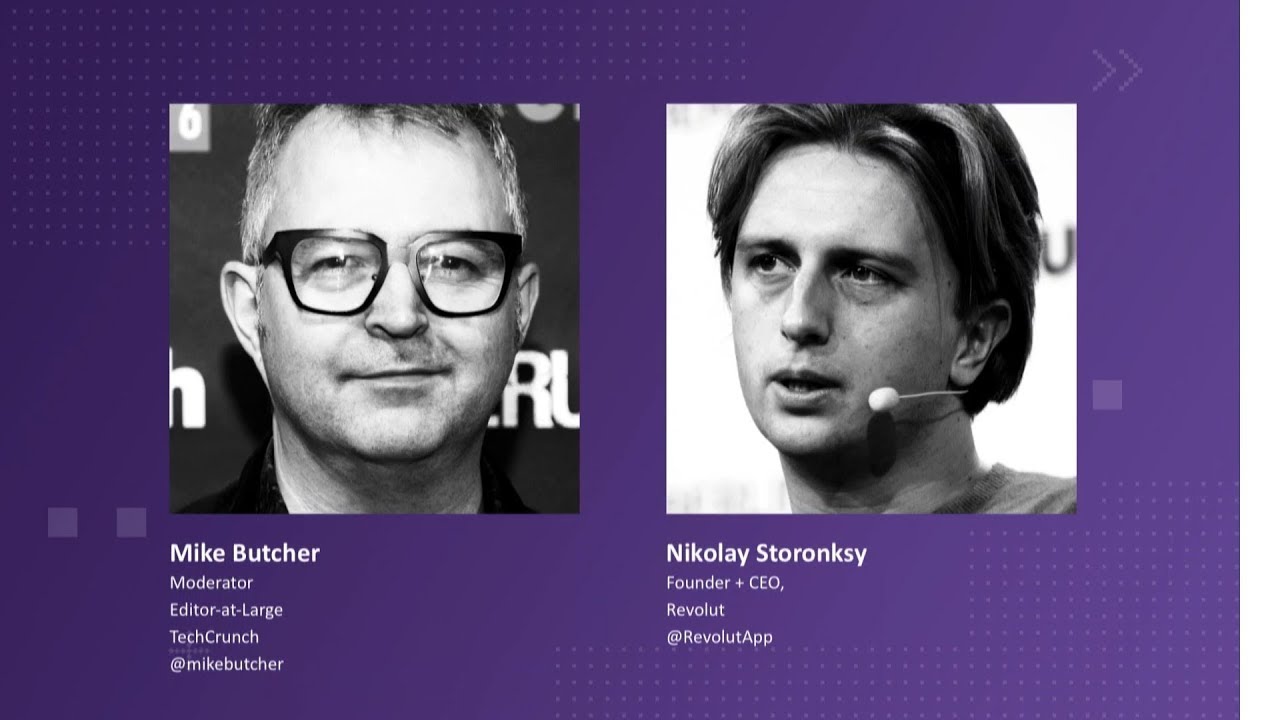
Revolut CEO Nik Storonsky on Building a Fintech Giant | The David Rubenstein Show
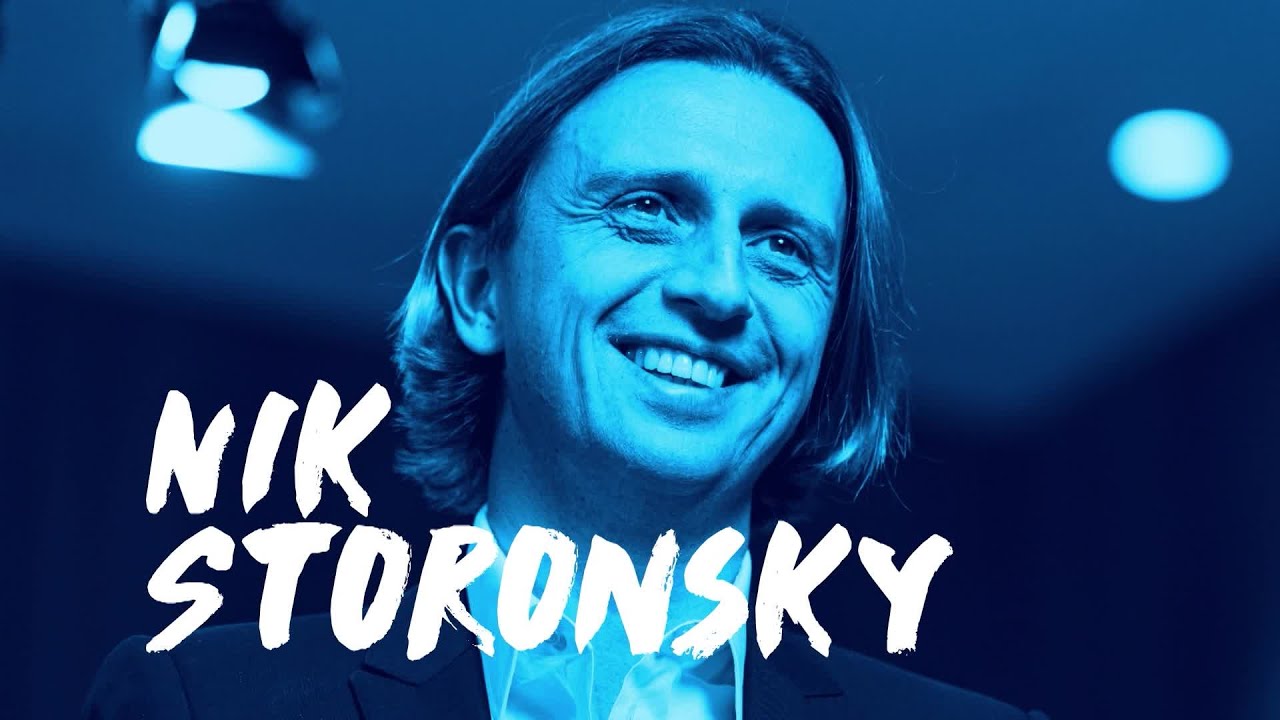
This content was created by Nik Storonsky. This content was uploaded by Nik Storonsky. This is a YouTube video titled "Revolut CEO Nik Storonsky on Building a Fintech Giant | The David Rubenstein Show" (posted 2026-04-23). The excerpt is an English interview-style conversation between an interviewer (Speaker A, the show's host David Rubenstein) and Nik Storonsky, founder and CEO of Revolut. They discuss Revolut’s origins and product (global digital banking, multi-currency cards, crypto), licensing and expansion plans (Europe, US, Asia, China), company metrics (customers, market penetration), funding and secondary sales, Storonsky’s personal background (Russia, Lehman Brothers, Credit Suisse), his VC arm (Quantum Light) and investment approach, company culture and hiring priorities, use of AI/LLMs, and future goals including a potential IPO and global expansion.
Chapters
This is my kitchen table and also my filing system. Over much of the past 3 decades, I've been an investor. The highest calling of mankind, I've often thought, was private equity. And then I started interviewing. Well, I watch your interviews. I know how to do something. I've learned in doing my interviews how leaders make it to the top. I I asked him how much he wanted.
He said $250 million. I said, fine. I didn't negotiate with him. I did no due diligence.
I have something I'd like to sell. And how they stay there. You don't feel inadequate now because being only the second wealthiest man in the world, is that right? In 2015, Nik Storonsky started a small company designed to help people with their foreign currency exchanges. Today, that company is Revolut. It is the most valuable pre-IPO company in all of Europe. I had a chance recently in Washington, D.C. to sit down with Nik Storonsky to talk about his amazing story, how he grew a very small company into such a giant financial behemoth. Let's talk about Revolut because it's a company that's based in UK, focused more on Europe than the United States. And we'll get to that in a moment. But let's talk about what it does for the American audience. For example, what is Revolut? What does it actually do?
Well, Rollit is a digital bank, so we provide global banking services for people in more than 40 countries. So, everything is packed into one simple app, so you can do your banking, you can do wealth management, stock trading, CFDs, bonds, crypto, you can borrow money, and you also have lifestyle services. For example, you can get yourself eSIM, you can, you know, book a lounge, you can book a hotel, and so on. So, everything is in one app for your financial services.
Do you have a partner to start it with?
I actually started alone. So I built a product, I hired a team, and then one of my first CTOs that I hired, so later made him, I think it was 2017, 2018, I made him a co-founder as well because it was easier for him to kind of recruit engineers if he had title co-founder.
So you start the company and the mission you had Was to enable people to do what that they couldn't do? What was your purpose in starting the company?
So, I was a trader back then, and then I'm very quick in calculating numbers in my head. And then every time when I went abroad or when I sent money, I could instantly calculate, okay, I lost here $10, $50, and so on. And my initial idea was to build a product, a simple app with a card attached to it. that allows you to spend money anywhere in the world at interbank rate. So saving you effectively $50 to $70 on every $1,000 that you spend.
In other words, you weren't trying to convert people's currency. You were letting them have a card that would enable them to buy something in whatever currency they wanted.
Yeah. So it's both, right? You can pre-exchange currency or you can buy directly from your existing currency.
So normally throughout Europe, when you go to Europe, you see everywhere currency exchange places and they always charge a fee. I don't remember what it is, 6%, 7%. So you decided to start a currency trade exchange business without charging a fee.
Well, you can call currency exchange business. Yes. Interbank trade without charging a fee. Correct.
You didn't go out and build a physical bank. You did it all online. Is that right?
Exactly. Yeah.
So how did you get people to know about this service? Did you start advertising online?
Funny thing, we didn't. spend any single marketing for the first 5 to 7 years of being in operation. So, it was all word of mouth. So, I remember when I finally launched the product, it was summer 2015, and I physically, you know, was selling my product to friends, family, even people I don't know.
Okay, so, if I go to London today and I say, here's $10 and I want to exchange it In a regular place, I would get back pounds minus about a 6 or 7%, 8% fee.
Correct.
So if I went on your service, what would I get back? Would I get back everything with essentially no fee?
Exactly.
Then you make the money in effect on the float because you're getting paid by somebody and then you kind of can invest that money and then you don't have to pay somebody for a while. Is that how you make the money?
So every time when you spend with a card, Merchants effectively pays 2 to 3 percent. Yeah.
Okay.
But that's not a customer paying, but rather business itself. But I want to be clear: there was initial product in 2015. Now, especially for US customers, we are fully kind of licensed digital bank providing all kind of services.
You have a European banking license now, is that right?
So we have European banking license. So we are regulated by European Central Bank. We have a UK banking license regulated by PRA. Then we also have multiple other licenses, for example, Mexico, Colombia, and so on.
And you're now applying for a US banking license?
Correct, yes.
How long does it take to get a US banking license?
Right now it should take, I would say, up to 12 months. But again, it depends. So, official target is 4 months, but then there are multiple steps involved. It can be longer.
Confident that you can get a banking license in the United States? You think you'll get it?
I think it's obviously much easier for us given the new administration, plus that we have so many other banking licenses, plus we have a banking license in Ukraine now. So for us, it became much easier compared to 2 years ago.
Do you have a credit card business as well?
Yeah, we have credit cards in several markets.
Yes. Is that— and you have credit cards and debit cards?
We have debit cards in every single market and credit cards, I think, in 5 or 6 markets. So in Europe we have 20% penetration. So 1 out of 5 adults in Europe, they use Revolut cards. And then in certain markets we have much higher penetration. For example, in Ireland we have 4 out of 5 adults using Revolut.
So younger people seem to like things that are called cryptocurrencies. Are you involved in cryptocurrencies? Do you trade cryptocurrencies or make markets for people?
So as a business, we have a pretty large cryptocurrency business. I think we are the largest We have the largest crypto business in Europe with our volumes. Personally, I don't speculate crypto, but I use it sometimes, you know, for transfers.
So in the United States, what do you hope to be able to do with your banking license if you get it? What is the market gap that you think you can fill that maybe others aren't doing?
So basically, I mentioned already our retail business. So it's one simple app where you can do everything, everything what you need for your financial life. And then second direction, we also provide Revolut business accounts for businesses. And again, it's end-to-end services that you need to run your business. So payments, banking, credit will come as well, wealth management or treasury— we call it treasury— and then acquiring as well. So for example, right now if I'm American company, I'll need to set up, say, Stripe for acquiring, then JP Morgan for my business banking, then, you know, something else for payouts. Something else for payroll. So we provide all the services in one product.
Well, if you conquer the US the way you've conquered the UK and Europe, is China next or you're not going to focus on that?
Asia, we're definitely focusing. So spending a lot of time studying Asia. And then as I said, we applied for multiple banking licenses in Asia as well. And then some of them we got already. And then China is on the list as well. You know, one day I hope we can set up a business there.
Now, some people have written that you're Your bank, Revolut, is worth $75 billion. Have you ever thought of taking your organization public?
Well, the way I think about it, we kind of will be ready probably in 2 years' time. But then again, depends on how good the market is.
Since you don't have an IPO, how do people who work for you make some money? Do you make a market for people to sell their shares internally?
Yes. So we do secondaries every 1 or 2 years when people can sell a certain portion of their stocks to external investors.
So you've done secondary sales for your employees so employees can then get some liquidity. Do you expect before you go public you'll do any more of those or you just want to wait till you go public before you liquefy any more stock?
Yeah, I think so. We might do secondaries as well before we do IPO because we do it every 1 or 2 years. So we might do secondary as well.
All right. Well, if anybody wants to sell their shares to me, Let me know. And have any investment bankers told you why they're the best to do the IPO for you?
Yeah, obviously every single one is the best.
Everyone is the best. You're not in a rush to do it. You don't need the money.
So we're a bank. And then for the bank, it's super important to have trust. And then public companies are trusted more compared to private companies. So there's a reason.
What are you most proud of having done so far and what do you most enjoy?
Well, it's basically designing something, designing a solution to solve a problem and seeing it being realized and then using it. That's what I enjoy when I see some elegant solution.
Many people think that companies like yours, which are often called fintech companies, financial technology companies, are changing the world dramatically, but they could be changed dramatically. So, for example, artificial intelligence is coming along. Are you worried about artificial intelligence or do you use artificial intelligence to help grow your company?
It's an additional tool that we obviously use. And I think with LLM chatbots, it's another surface. On top of the infrastructure that we build, because, uh, uh, banking is not a simple app, right? On the app you have a lot of backend, a lot of systems, you know, a lot of regulatory systems and so on. And then app is effectively interface to all this backend logic. And then LLM can be something on top of the app or directly interacting with our backend logic. Just call it another interface. And that's what we're building as well, and allowing people to interact with all our products through chatbot.
Let's talk about how you came to start the company. So you are— doesn't sound like you're a native of England from your accent.
Originally from Russia. So I came to UK first in 2006 for the internship. Then in 2007, I came for another internship and afterwards I stayed to be employed by Lehman Brothers as a trader.
And at what age did you leave Russia?
20 years old. And then as soon as I finished my university, I moved to London to work full-time for Lehman Brothers.
And were your parents educated? Are they math specialists? Do they have computer training or not?
So my father, he is a physicist by training. My mother, she's a teacher.
I assume you were a pretty good math student or physics student or something because you have technology background, I assume.
Yeah, I was always trained in math. physics as well.
Right, so you go to England and did you have a job lined up before you got there?
So Lehman Brothers came to my university and then they tried to recruit some people for the internship. So they recruited me for internship. I came there in summer 2006 and then they invited me for second internship in spring 2007 and they also gave me a job offer for full-time. when I graduated from my university. So when I graduated in July, I think it was July 2007, I came to London to work full-time for Lehman Brothers.
Didn't Lehman go under at some point?
2008, yes. I was in New York.
So were you there then?
Yeah, I was there. I was one of probably 200 people on the trading floor when it all happened. I still remember it. There was think Sunday evening announcement. And then I was wondering, okay, do I need to come Monday morning to my job? So I came, and then we had all these 200 traders locked at one trading floor. Everything, all the systems were locked, and we're all playing the same game. I think it was a game shooting helicopters or something, all 200 people, because there was nothing to do.
So did you think capitalism wasn't such a great system at that point when You go to Lehman Brothers and they go bankrupt and you're out of work.
Yeah, I was full of confidence about myself. I was never afraid to lose the job because I knew I can always find a new one.
So did you have a hard time finding another job?
No, I got kind of a job offer from Nomura and then from Credit Suisse as well.
All right. And so where did you go?
I went to Credit Suisse.
You went to Credit Suisse. They've had their problems too, actually. Did you leave Credit Suisse before they had their problems?
Yeah, of course. I left Credit Suisse in 2013. So basically, as soon as I got my British passport, I resigned. And then when I came to UK, it was never kind of objective to stay there more than 2 years. I always wanted to start my own business. But then, you know, I stayed 1 year, then the 2nd year, and the 3rd year. And then after year 6, when I got my passport, I decided to resign and then start my own business.
Okay. So you started your business in 2015?
So I started working in 2013 and I launched it in 2015.
Did you have any capital to help you start the company?
I had my own savings, yes.
So you put in some of your own money, but you presumably weren't a multibillionaire, so you didn't put in that much money, right?
I mean, back then I put probably about half a million dollars overall. But obviously, I also didn't work for 2 years myself. So if you don't count my salary, I didn't have any salary. So to build something back then was much cheaper compared to nowadays.
You have a venture capital arm, as it's called Quantum Light.
So it's a separate business. I set it up, I think it was 3 years ago. As an entrepreneur, I've done a lot of fundraising rounds with the VCs. And then I think at a certain point of time, I was very pissed off with their crowd thinking mentality, right? So I had cases when term sheets were withdrawn, signed term sheets. I had cases when round was marked down because S&P was down. So I had quite a lot of negative experience with VCs. And then as a founder, I also wanted to invest my own money and I thought I can create something better in terms of investment. I think there has to be scientific approach rather than human judgment. And then we build effective models that invest in startups Series B based on millions and millions data points on our startups. So they are trained machine learning models that invest. Plus on top of it, I'm able to share with these startups my operational knowledge as a founder of Revolut. Plus we help startups to distribute their product through Revolut. or to sell into Revolut. So overall, it's a much better value proposition to founders compared to VC.
What would you call what you're doing, angel investing or round A or—
We do Series B. We started— we just launched a fund for Series C as well.
But did you raise money for it? I assume people gave you all the money you wanted, but did you just use your own money and your friends' money, or did you have to go out and raise money?
First fund was $250 million. So I put Around 25% my own money, and then the rest was external LPs.
And what types of rates of return do you think you can get in that fund?
So basically, when I had this idea, when we built the model, and then we started backtesting the model, it produces effectively 40% to 50% year-on-year returns, long-term returns. So when we started investing based on the model, I think now we are called top 4%, top 5%. of the funds in the world in terms of returns. So it's usually a 30 to 40% returns.
So do you ever use your credit card and it gets turned down? In other words, you go to use a credit card at a restaurant or somewhere and they say your credit's denied. Has that ever happened to you?
Initially, yes. Yeah, but it was more than 8, 9 years ago when service wasn't that stable. Now we just don't have declines.
But now, when that happened to you, did you tell people who you were? You didn't say, look, I'm the founder of the company and you can't—
No, I was just calling engineers and trying to find out what happened. Why? Why? Why is declined?
How many customers does Revolut have now?
So we have 75 million customers.
How big do you think you can take it? Do you think you can take it to 100 million customers or more?
Yeah, we can definitely take it to 100 million customers. Our internal target is 100 million daily active customers and then 100 million daily active customers will transfer about 300 million monthly.
It is said that companies, if they're really going to survive and prosper for over many years at a time, they have to have a good culture. What is the culture you're trying to build in your company?
So we have these 5 cultural values pretty well defined, starting with never settle. So never settle is about being ambitious and setting up big goals. Secondly, it's about dream team. So, we prefer to work in a small team of extremely high-intelligent people rather than in large teams of average people. Third one is get things done. It's very important to be kind of, you know, getting things done oriented. Then we have a cultural principle called deliver wow. It's about almost perfection in everything what we do in terms of product.
What new worlds do you want to conquer?
We're still scratching the surface in terms of what is possible in building our first truly global bank. Because now we're in 40 countries, we want to be in 100 countries.
If you look at the future of the financial service world, Do you think that there's a future for large banks to keep having these big buildings, or do you think ultimately 5 or 10 or 15 years from now everybody's going to be online with everything?
In 5, 10 years' time, we'll see more and more consolidation. I think we'll see more and more certain digital champions in the regions taking more and more banking shares in these regions. So maybe it will take 10 years, maybe it'll take 15 years, 20 years. But I do think that we'll see less and less legacy banks, or less and less legacy banks will make so much money.
So are you enjoying doing all this? Do you enjoy running the bank, running the venture fund, and doing interviews with people like me? Are you having a good time or are you not that happy?
I mean, certainly, like, certain things I like, certain things I don't like. So I love building products. I love kind of solving problems. I don't like delays, which can be quite often in the regulatory business because certain things can be outside of kind of, you know, your decision-making speed.
What are the skill sets that you think are required to build a company like this? And do you look for those same skill sets in the people you hire?
Well, you definitely do not need to be good at trading. At all, right? For me, when I started, I knew nothing about banks because I was a trader in investment bank and it's a very different organization compared to retail bank and then payments company as well. So, I learned everything from scratch. And skills-wise, what do you need to have? I think you definitely need to have, you know, ambitions and hunger plus as a character. Plus, you know, a lot of energy because it's pretty painful, you know, in a lot of ways with all the problems. Plus, you always need to have very strong logic, logical thinking, abstract thinking. You should be good with product as well, like, you know, ability to build something nice and slick. We're just looking for ultimately 3 things. First is high IQ or brains. And then we have certain ways how to understand whether a person is smart or not, whether they are logical or not. It's number one. Number 2 is character, how ambitious they are, how hungry they are. And third is their skills, right? If we hire a designer, they need to be good at design and so on.
What new worlds do you want to conquer? You've built a big company. Eventually you might take it public. You've got a great venture capital firm. What do you want to do next?
Well, majority of time I dedicate still to Revolut. We're still scratching the surface in terms of what is possible in building our first truly global bank.
Are you worried that somebody who's 10 years younger than you is going to come along with a better mousetrap and beat what you're doing, or you're not worried about that so much?
I mean, really, I think there are windows of opportunity in the world. And then when there are certain tools, certain opportunities, and then usually what happens, 10-20 people jump on these opportunities in this particular country to do this particular product, and then people compete. I think opportunity for fintech, I think in the majority of countries is gone now because, okay, there are already players and then legacy banks, they kind of, you know, caught up as well with products. So it's very hard to build anything new in fintech, or at least I don't see opportunity. But nonetheless, I mean, maybe I don't see anything. Maybe there is, you know, someone smart who can come up with a better product.
So most of the bankers I know have hair that's like mine. It's shorter. Yours is a little bit longer. Is that your trademark? Or if you want to get a banking license in the United States, you think you need to cut your hair or not?
I think you definitely need to wear a suit. Yeah, that's what I do.
Do you have friends from high school? that call you up and say, remember me? I was your friend in high school.
Sometimes, yeah. Friends of friends.
It's not that hard to get, get a hold of you.
No, no, it's easy.
It's easy. Okay, well, next time I'm in London, I will call you up and see how easy it is.
Make sure you tell me your number so I record it. Otherwise, I don't pick up unknown numbers.
You're now probably the richest person in UK, or certainly one of them. What are you going to do with this? You're going to build art galleries or museums or give it away to social causes? What do you want to do with all this wealth? You can't spend $25 billion in your lifetime, probably.
Well, I'm just very focused on business, continue to make the best product and then continue to expand. And then all this wealth is in the company, right? So I don't really plan— I don't really plan to sell the company. and then spend all this money. So I just continue to work on, you know, what's necessary to build the first global bank because now we're in 40 countries, we want to be in 100 countries.
More from Nik


Nik Storonsky, Revolut Founder: What Revolut Needs to Do to Hit $100BN Valuation | E1233
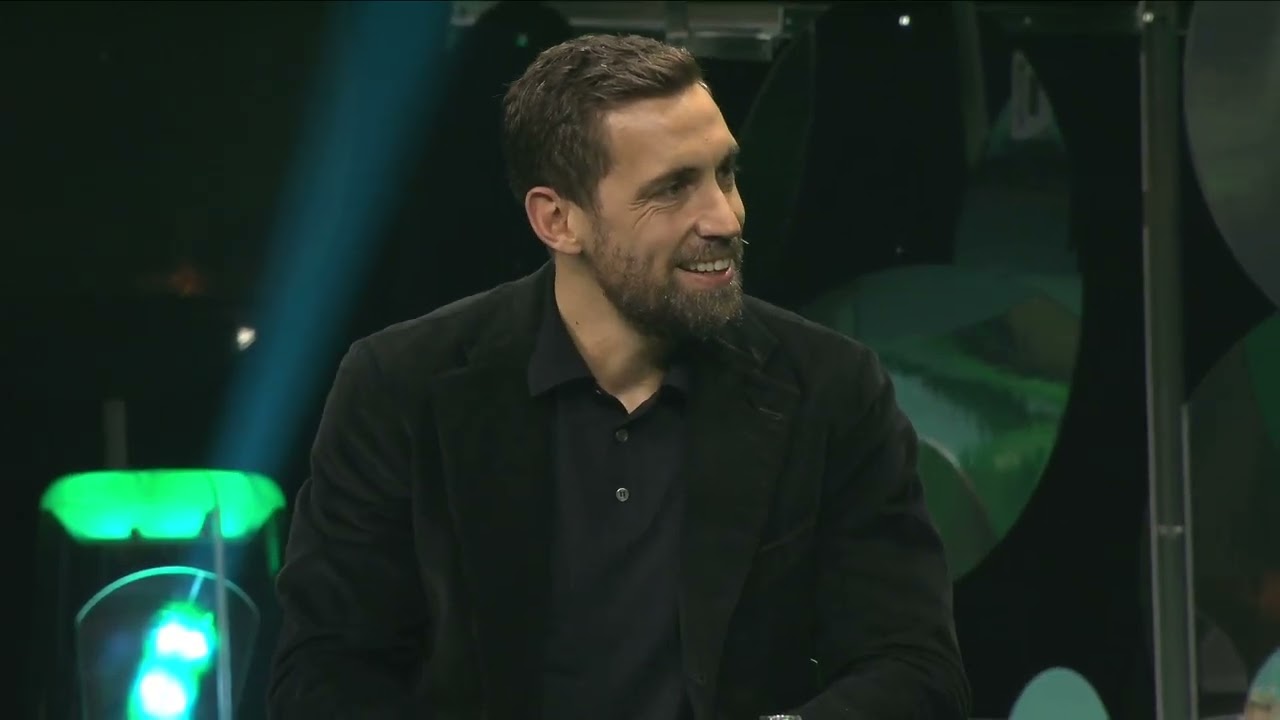
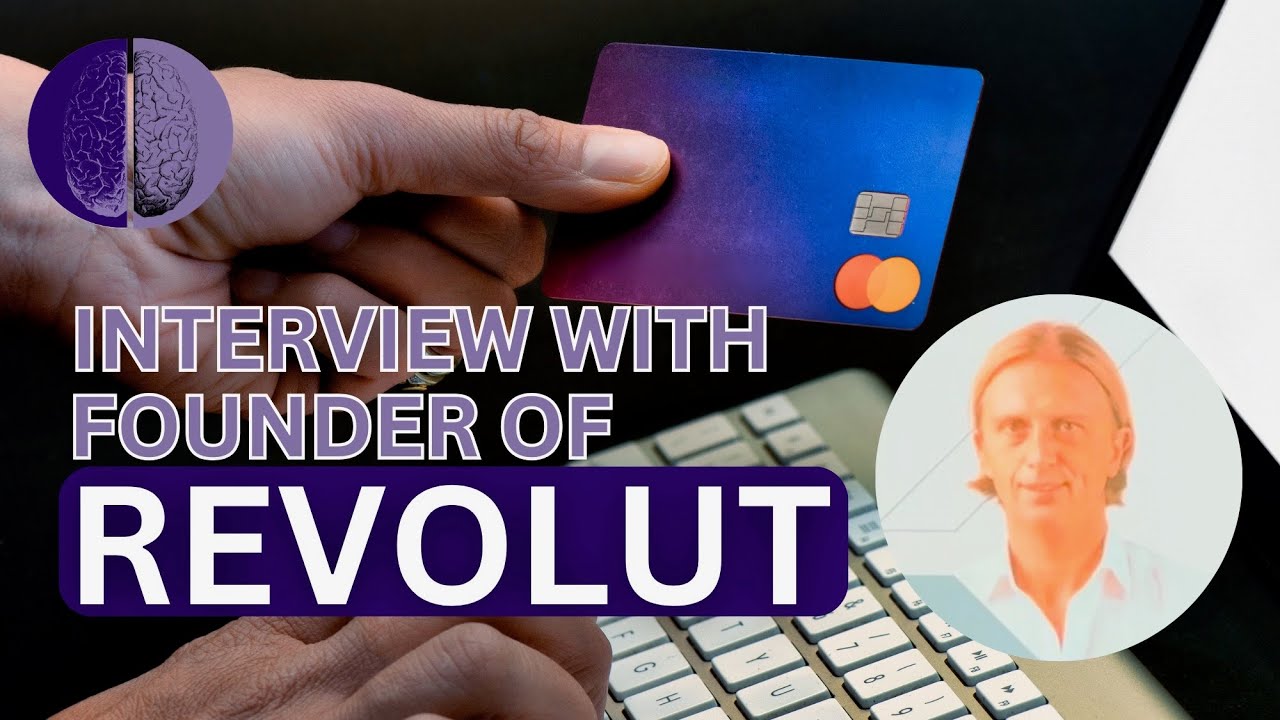
John Doran interviewing Nik Storonsky, Founder and CEO of Revolut at the Dubai Fintech Summit
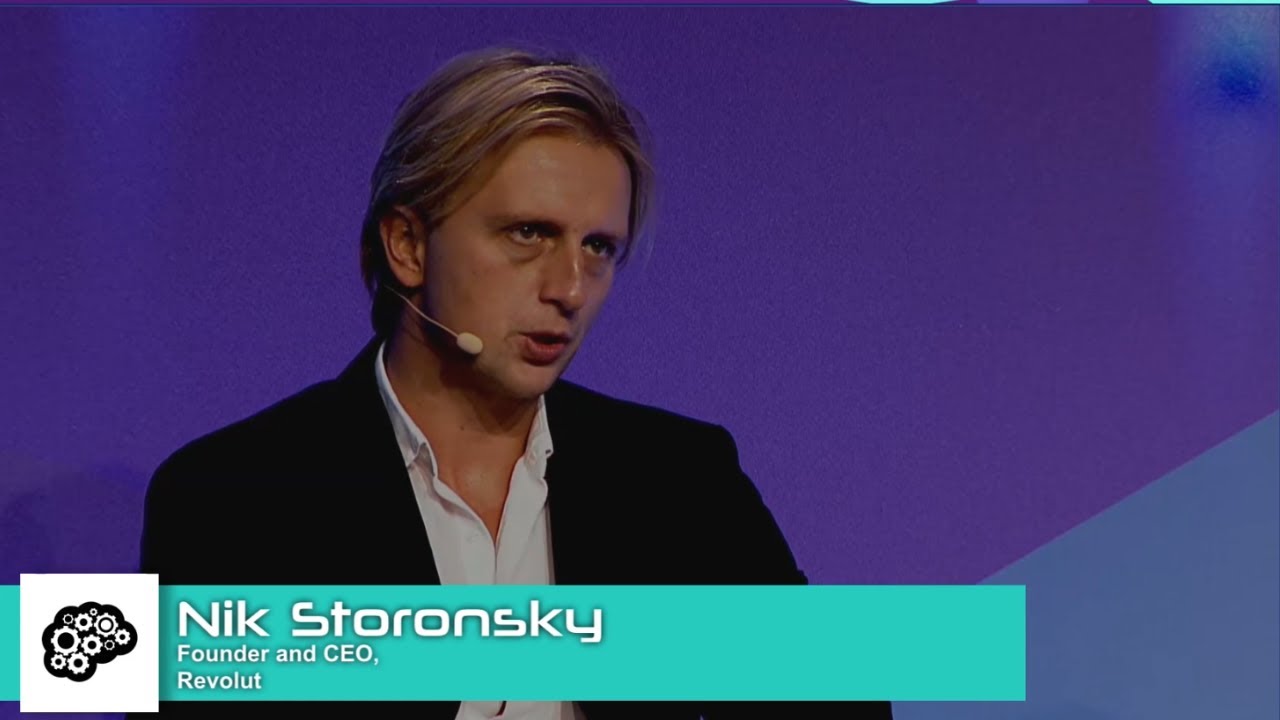
AI Summit London 2021 – Revolut's Vision for The Future of The Banking Industry