Deploying $80 Mil In 2 Years with Ashley Flucas Founder of Flucas Ventures | Seed To Harvest S2 Ep10
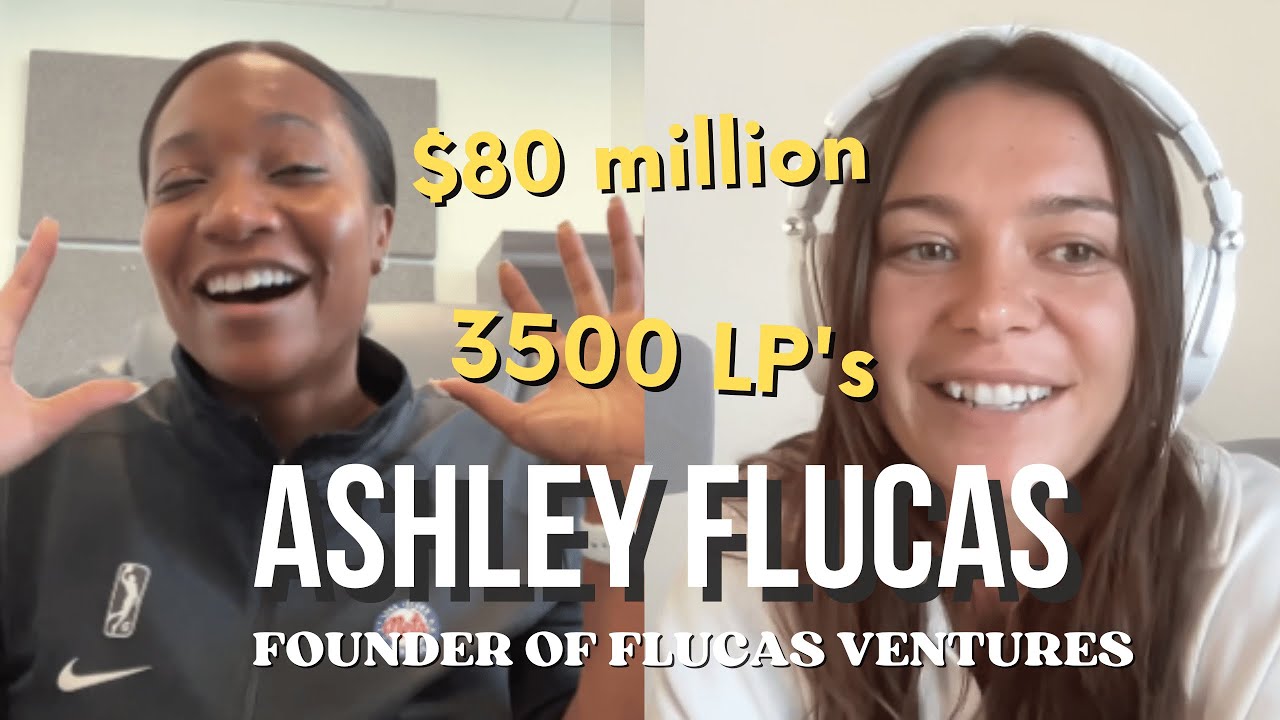
In this episode of the Seed to Harvest podcast, host Paige Finn Doherty interviews Ashley Flukas, a lawyer, syndicate lead, and partner at a real‑estate finance fund. Ashley recounts how a book she read after law school sparked her interest in venture, leading her to launch an AngelList syndicate two years ago. Starting from zero limited partners (LPs), she grew the syndicate to about 3,500 LPs and has deployed roughly $80 million across primary and co‑syndications. She explains how the larger LP base enabled her to expand from early‑stage deals into growth‑stage, pre‑IPO, and secondary transactions after becoming an Exempt Reporting Advisor (ERA). Ashley discusses her globally distributed LP network, which fuels investments in emerging markets—particularly fintech and localized adaptations of proven U.S. playbooks—in regions such as LATAM, India, West Africa, and Southeast Asia. The conversation covers deal‑sourcing mechanisms for both early and later stages, the importance of community referrals, and leveraging AngelList’s platform. Ashley shares personal strategies for managing time, setting boundaries, and avoiding burnout, emphasizing structured work hours and delegation. She highlights the greatest joy she finds in direct interactions with founders, her passion for travel (having visited 85 countries), and how those experiences shape her perspective. The episode concludes with advice for investors navigating a challenging market, encouraging them to view current turbulence as an opportunity for wealth creation, and provides contact information (LinkedIn) for listeners who wish to connect.
Chapters
Hello everyone, and welcome back to Seed to Harvest. Today on the pod, we have Ashley Flukas, who's a lawyer, syndicate lead, and partner at a real estate finance fund, joining me today to talk about her entrance into investing. So Ashley, welcome to the show. Thanks so much for taking the time. Really excited to chat with you today.
Likewise. Thanks for having me.
Yeah, absolutely. We were talking before about your, like, the opportunity of juggling venture in addition to your day job, Which is something that I experienced over the past year. I was working at a startup and also leading a syndicate. And you have one of the most prolific syndicates on AngelList. So I'd love to hear about what originally sparked your interest in venture.
Yeah, so that's a, that's, that's a great question. I think I actually first got the seed, I guess, about almost 10 years ago. I was fresh out of law school. Working in London, and somehow I stumbled across this book called The Monk and the Riddle. And the gentleman who wrote it had a similar background, went to the same law school and all of that stuff, and ended up, you know, kind of figuring out that that world wasn't for him and eventually picked— embarked on a career in venture. And then, you know, gave some different anecdotes in terms of his work with startups. And it was in that moment there, I'm like, that was the first time where I was kind of like, yeah, I could That's the first time I could actually visualize myself doing something and loving it. But you know, life gets in the way. So I kept practicing doing other things. And then, you know, frankly, I guess it was about four years ago when I became a partner at the fund I'm at now and kind of had the disposable income to kind of pursue other things outside of real estate. The idea of venture just popped back in my head, and I was like, "All right, I'm gonna I'm gonna figure that out." And AngelList became a a bit of a godsend to, to initially figure that out.
Yeah. And then remind me again, what's the total that you've deployed so far? Just so folks have like an understanding of the scale that you've been deploying at. Yeah.
So I launched almost, almost 2 years ago, starting with zero LPs to now. And so now I have about 3,500 LPs and between primary syndications and co-syndications, i.e., things where I partner with other syndicate leads, have deployed roughly $80 million.
$80 million. That's crazy. I, I think that it's like so incredible that you have grown so quickly as an investor. I'm curious to hear more about when you were just starting out. How has your investing process shifted since you started with zero LPs and are now managing a much larger LP base? I'm curious to hear what your strategy shifts may have been.
Yeah, that's a great question. I mean, a few things have changed by— asterisks around current market conditions.
Yeah.
By having a larger LP base, honestly, it really expanded kind of what I was able to do. Number one, I think earlier on I was kind of strictly focused on early stage, but then once the syndicate built up and I had the ability to write larger checks, I was also able to then start doing some mid to late stage growth stage, pre-IPO. I also became an ERA, so then started doing some secondaries as well. So it really—
Oh, wow.
Diversify by being able to have a wider range of potential check sizes. And then the nature of what's so cool about, you know, the syndicate, it's globally distributed. And, you know, folks, there's kind of, you know, folks, all folks have all kinds of different interests as well. It really empowered me to diversify even more as I started seeing people from all over and they're sitting me messages about things they're interested in. So I kind of right away have always kind of kept like an 80/20 distribution as far as US startups and non-US startups. But it really also empowered me to invest outside of the US as well because it was getting these kind of globally distributed LPs with, with interest from all over.
That's super interesting. I want to go back and ask you a couple questions. So I'm curious, can you explain to our audience what an ERA is? And then what did the process look like to get certified as one?
Yeah, so that just stands for exempt reporting advisor. And so long story short, you know, the nature of Angelus, if you obtain that designation, you're able to offer secondaries to the syndicate. And so Angelus has a different arm called Sachs that deals with, with secondary placements. And so basically, when I, when I wanted to get started, I reached out to Angelus and kind of asked them, you know, how does that arm— how does the flow of that work? What else do I need to do? And they mentioned this designation, and then they actually recommended a law firm who'd worked with some, some leads before. So went to the law firm. I mean, they pretty much put everything together. You know, I just had to provide kind of basic information, you know, my past AngelList and investing activity and other KYC. And they created— and then they filled out the forms I needed and filed them with, with FINRA. And so I think overall, from, from soup to nuts, it probably took like 2 or 3 months.
Yeah. Okay, cool. That's, yeah, it's super helpful context. So it's more around like the forcing function there was the sale of secondaries through the syndicate. Got it. Okay, cool. And then in terms of the emerging market opportunities that you're looking at, I'm curious to hear more about, are there specific geos that you're focused on? Are there like specific areas, perhaps like cross-border payments that you're interested in? Would love to hear more about that.
Yeah. So great, great question. I feel like I've, it makes, I feel like I've invested in most regions. So I'm pretty open, I'm pretty open-minded, as long as sort of the conditions on the ground support what could be a meaningful venture-scale company, then it's a geography that I'm interested in. So I've invested in India, Pakistan, North Africa, LATAM, West Africa, Southeast Asia, you name it. So I'm pretty, I'm pretty open, though. I guess if I look at my portfolio, you know, the biggest representation outside of the US is probably LATAM, and then probably followed by India, and then followed by West Africa, I think in that order. And so for me, it's really great just as a part of my own thoughts on portfolio construction and opportunities to syndicate in terms of diversification. And then in terms of the things that I, that I look for in emerging markets, I usually fall into one of two categories, the first being fintech. And in a lot of cases, that is, you know, what's popular in terms of what's being funded initially in these emerging markets. But the second thing is really, I guess it's a bit of a cheat code, but, you know, keeping an open mind towards local companies that are kind of running proven global playbooks. So, you know, maybe there's something that is a popular play or something that's been proven out in the US and there's a significant comp, and then you kind of find the right local team who can, who understands the nuances to adapt it to that market. And who, because of nuances in the market, might have some moat against, you know, kind of larger US competitors coming in. And so kind of going after both of those opportunities has proven pretty successful so far.
Yeah, I'd be curious to hear as you move more into the later stage investing opportunities, like what does that deal sourcing look like versus some of the earlier stage opportunities that you invest in?
Yeah, so that's a, that's a great question. You know, earlier stage, you know, it's probably a wider top of funnel because there are accelerators and all kinds of, you know, other angels and kind of ways to get into those deals. But, you know, later stage pipeline is— it's— there's still a lot of overlap outside of those 2 things, but sort of the, the main sources are one, If you did some things right, then some of those earlier stage companies become your potential late stage pipeline in terms of your picks that get to that stage. Secondly, I think if you just have kind of a robust number of companies, even later stage, I still get a lot of referrals from other founders into later stage companies. I get a lot from funds. So for example, I'm a venture partner at Fen Capital, but I have kind of informal relationships with a number of funds and other investment groups. So that's a great source. And then frankly, the AngelList actually becomes a great source because, you know, with 3,500 folks in the syndicates, a number of people are themselves active in the venture world or are working at growth stage companies. And so I get sent deals all the time as a result of that and from other, you know, AngelList leads who are out themselves. themselves looking for deals. And so it just really kind of compounds the power, the power of the network there on the later stage side.
Okay, cool. That makes a lot of sense. So it sounds like very community-driven deal flow across both early and later stage. I'm curious, like, as you're a partner at this real estate finance fund, and also running your own syndicate, I'm curious, like, which small parts of your work bring you immense joy? Like, what really fills you up about the work that That's a great question.
With, on the venture side, I hope the answer will never change, but from day one, it's always been the time spent with founders. It's kind of like the moment of the day where you're just kind of off in this, this bubble dreaming about what could be and, and what you could do to kind of midwife these visions. And, uh, and for me, that, that's super exciting because there's a lot that is tedious And boring and not so fun. And, you know, running the syndicate and memos and all of that is not fun. But, you know, just those moments where you're connecting with the founder and kind of seeing things, seeing their vision, that, that's, that's the best part of all of it.
I love that. So going back to like that being one of your greatest joys, if you were hosting a dinner party, I'm curious who your dream guests would be. They could be like historical figures or present friends or like more public figures. And then what would you serve and where would it be?
That is a great question. Uh, let's see, maybe I'll work in reverse, reverse order in terms of, in terms of what I'd serve. I'm not sure. I'm not really, I don't guess what you call a foodie, but, um, I'd have some kind of bacon. That's my favorite thing. I love it.
I just made some bacon yesterday and I hadn't had it in ages and I was like, keeping it real classy.
Uh, about the rest of the menu, in terms of, in terms of dream guests, it actually, it'd probably be who I alluded to in your first question, kind of the author of the book that kind of first inspired me to get into this in the first place. I think his name was Randy Komisar. But yeah.
Have you reached out to him before?
I have not. I don't know how to.
You should. I had like a similar experience with Tim Urban who writes Wait But Why. And then I ended up bumping into him at a summit and I got to tell him all about how An article that he had written really changed the trajectory of my life. And I feel like as a writer, that's something that, like, that's something that brings them immense joy. So I feel like it'd be really cool to be able to reach out to him at some point in time, tell him about the impact that he's had.
Any listeners out there know how I can do that, feel free to send me a note. And I definitely would love to do that.
Awesome. And then I'm curious, like, what strategies have you applied to better manage your time, relationships, boundaries? I think That's something that I'm constantly working through as a fund manager and also just as a person. So I'm curious to hear what strategies that you've applied.
It's a great question because frankly, in the beginning, honestly, until the last few months where I was just focused on scaling, scaling, go, go, go, I did not do— I don't know that I did the best job of balancing and would have to kind of cope with burnout a bit because you're just kind of in that mode of say yes to everything and go. Go, go. But, you know, I think the biggest, the biggest things for me are, like I said, is that I really, for the most part, something that I've done this year is that, you know, things that I do within venture, I really try to put it within specific hours. Like, that's been very helpful for me and like stay in, staying committed, staying committed to that. Because I find like, for example, even as something as simple as like, you know, like pitch calls, it used to be like, I'll just I'll just schedule whatever. It could be I got a call at 7 AM because I'm talking to someone, you know, on another part of the world. And it could be I've got one at 9 PM. And I just flat out stopped doing that and put in like a certain block of time a day to make it fit in. And, you know, of course, like, you know, occasionally making an exception. But that alone has kind of made a material difference in my life. And then And then learning how to delegate, how to lean on community. And, you know, over time, um, I like to think as with anything, you just, you, you, you just become, you just become more efficient. Um, and so I'm just always, any tool or, or process that I can follow that's gonna make me more efficient, uh, I'm gonna do it. But at some point you just get so many reps that I think it starts to happen anyway.
Yeah. Yeah, definitely. I feel like you go through the motions enough and then you're like, all right, this one thing is really annoying me, so let's Let's figure out how to make this faster, and then you just continuously do that. So can you share either an accomplishment, event, or realization that sparked a period of personal growth in your life and a new understanding of yourself or others?
That's a pretty profound—
Taking it a bit deeper for our last segment of the episode.
It'll maybe be a bit, uh, maybe topical, uh, because I, I think that's happened in recent months since I've kind of restructured and, and, and, and I wouldn't say take my foot off the gas, but, you know, became, you know, started, you know, being more mindful of the, of those boundaries and, you know, trying to manage burnout and all of that. But I guess I'll call it a realization. Hopefully it's not too much hubris, but I, I think I just kind of came to the point where, um, you know, it not resting on my laurels, but looking back and saying like, okay, Look at all that you've done over these past few years. Look at all the, the seeds that you've planted. Like, stop, stop. Like, things are going to fall as they may. The markets are what they are. But like, you know, having enough faith to realize like the, the outcome is not in doubt.
Yeah.
And that it may take time, but to have, to have patience and, and use moments like what's going on in the current conditions to, to focus on other things that are gratifying and You know, realizing it all works out in the end. So that's been my thing for the past few months.
I love that. That was a really good quote from a recent episode of This Week in Startups where Jason was talking about other fund managers like going through that journey, especially with the current market situations of like, it only takes one to pop, like it only takes one to make your career as an investor. And then that like pushes you on to a longer career in investing. But It's definitely a patience game, and I think that it's been interesting to see other folks go through similar shifts, especially as like rapidly scaling up an investing practice as you have. Like, I think it's probably one of the fastest scale-ups that I've ever heard of, going from $0 to $80 million in, in under 2 years is absolutely insane. So it's just really impressive and cool to hear about how you're thinking about making your investing practice more sustainable in your own life, you know, while keeping that tempo. So within that, you talked about taking time to spend time doing things that are gratifying to you. So I'm curious, like, what topics or ideas do you find really engaging and gratifying that— and then why do those captivate you?
That's a great question. You know, I guess the— I don't know if I'm answering this question correctly, but that makes me most lose track of time, or when I find that I'm supposed to be doing things in venture or real estate or whatever. For me, I kind of, I always get lost in all ideas around travel.
Okay.
That's like my number one passion. I'm a wanderer. So I've been to, I think, 85 countries. And, you know, around the time that I first got that, you know, bug for venture, at least thinking about it. That was around the time that I also got the travel bug and went all over. And so when I'm not thinking about investments, that's the number one thing that I'm, that I'm thinking about researching, planning, reading just about, just about different places.
That's super cool. What have been some of your favorite recent places that you've visited?
It's a good question. The last trip that I got back from, which was, which was really cool, I guess I just got back like 3 weeks ago. I went to Mauritius. So that's in the Indian Ocean off in Africa. And then also on that same trip went to Oman, which is like next door neighbors with the UAE. Once you start going, get to that number of countries, you start ending up in more off the beaten path places. Yeah. Explore new places. But both of those were exceptional.
Wow. That's incredible. Yeah. I'm curious, has it inspired you to Do you think you'll speak any different languages or pick up any other like hobbies when you do come home and like take those experiences with you?
Yeah, so that's a great question. You know, I think that's on my list of things that I'd love to do later in life, particularly on the new language. I know enough Spanish to be dangerous, but, but I started working on that. I don't know that I'd say there's, there's any particular hobby that I've walked away with that I then like obsessed about going home, but I think that's also just a bit of the nature of my personality is that for me, variety is definitely the spice of life. So even if I go somewhere and something really cool is like, I'm kind of on to the next thing that I'm lost in the clouds about.
I love that. Well, as we're wrapping up, are there any other things that you want to touch on or parting words of advice for anyone listening?
Yes. I mean, all of your questions were awesome. And I guess I'll leave the advice that I'm sure you're hearing from a ton of other folks. But, you know, in my experience, you know, outside of venture, even though I'm relatively new within venture, despite, you know, kind of all the turmoil going on, you know, these are the markets where wealth is actually created. So in some respects, challenging. And, you know, my— definitely my heart goes out to folks who are being laid off and all of that. But on the investor side, I mean, it's an incredible opportunity and, you know, pretty excited to see, you know, there are companies that that didn't exist, you know, a year ago that are going to come into fruition in the next year or two that are going to be, you know, going to be giants potentially. So it's pretty cool to know that they're, they're out there. And so, you know, kind of keep big game hunting, I guess.
And if anyone listening would like to connect with Ashley, you're not very active on Twitter, are you? I feel like I love— if you get asked that, must get asked that all the time, but I feel like you're one of the most active investors who's like not on Twitter, but you're quite active on LinkedIn, right?
Yeah, yeah, yeah. I, I worry about foot and mouth disease. Um, so Twitter, Twitter is not for me. I think I'm like the only active in VC who's not on it, but I can be reached on LinkedIn readily and I'm, and I'm responsive there.
Amazing. Well, thank you again so much for coming on, and I'm wishing you the best Thanks so much for tuning in today to Seed to Harvest. If you enjoyed this episode, be sure to subscribe wherever your favorite podcast listening platform is. I'll be releasing new episodes weekly, and if you have any questions or comments, feel free to let me know on Twitter. That's Paige Finn, Paige and then Finn with 3 N's. Thanks, and see you again next week.
Bye.
More from Paige



Paige of Behind Genius driving an AI electric train in St. Louis (Intramotev Visit)





