How I built trust on Twitter, got Forbes 30U30, and raised $5 million at 23 | Seed to Harvest Ep50
In this Seed to Harvest episode, host Paige Finn Doherty sits with her chief of staff Riley Jennings to dissect how she raised her first venture fund (Fund 1) at age 23, securing $5 million in capital. Paige recounts meeting her first LP through a Twitter‑connected portfolio founder, outlines the three investor motivations (mission, returns, community), and details how she built a "dream list" of LPs featuring prominent women GPs and seasoned fund managers. She shares raw data on LP sources (34.7% from Twitter, 16.5% referrals, etc.), check‑size distribution (78.9% under $25K), and demographic makeup (92.6% high‑net‑worth individuals, 4.1% VC funds, 1.6% family offices). The conversation covers fundraising tactics—direct DMs to followers, leveraging press coverage, and constant follow‑ups—while emphasizing the emotional intensity of fundraising and the need to expect personal reactions to rejections. Paige contrasts syndicate fundraising with running a full‑time fund, describing the seasonal focus on admin, fundraising, and investing. She explains deal‑breaker criteria such as valuation caps (< $30 M) and ownership discipline. Finally, she reflects on future goals: expanding community events, growing the BGV team, publishing a book, and maintaining a playful yet serious culture. The episode blends practical advice, personal anecdotes, and data‑driven insights for emerging venture fund managers.
Chapters
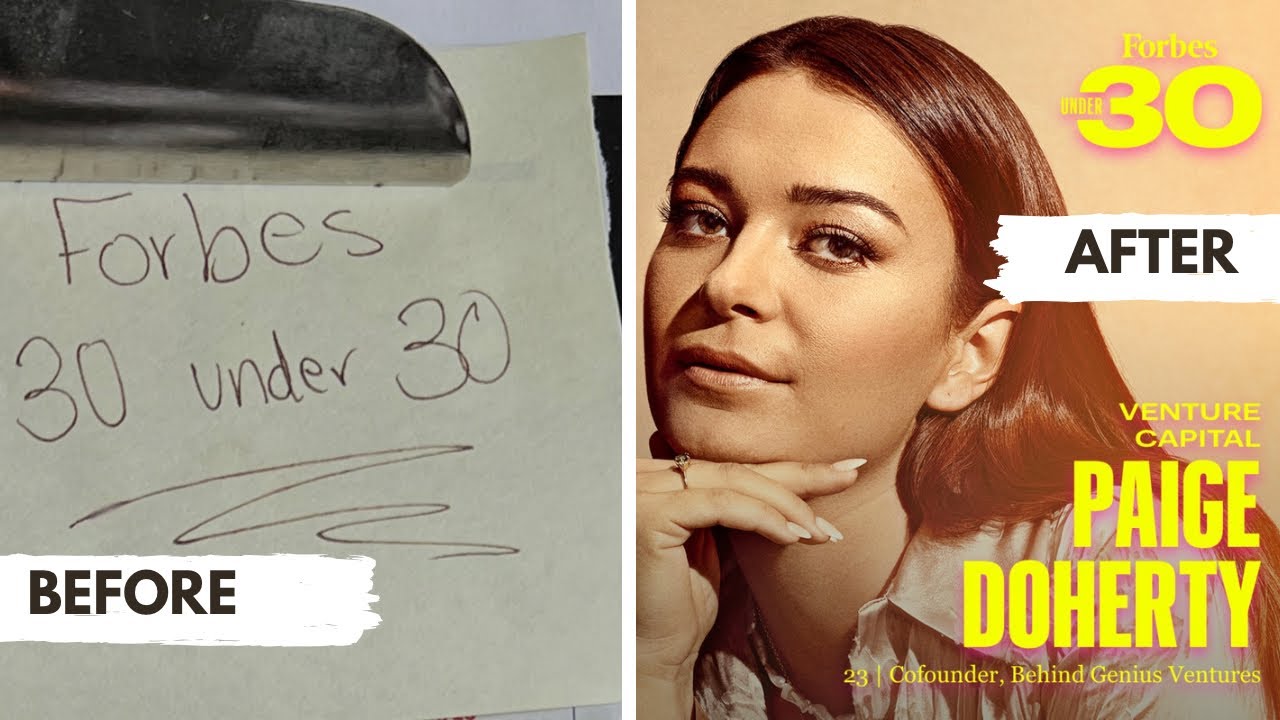
Welcome back to Seed to Harvest with your host, Paige Finn Doherty. I'm here today in our very special new office in downtown La Jolla, which was on the vision board for quite a while. We had office with a Breville coffee machine, which as you can see, there's a Breville coffee machine behind me, as long as a rec— a record player I got on Craigslist. Shout out, Dad. But today I wanted to do something different. Instead of interviewing people, I'm going to be sitting here with our chief of staff, Riley Jennings at BGV. Hi. And she's gonna be asking me some questions about how Fund 1 happened and kind of what the breakdowns are, some common mistakes that I would say emerging managers, including myself, make raising their first fund. And yeah, I think like this level of transparency I haven't really seen much of in the ecosystem, so I wanted to kind of share that and share my journey. So I'm excited. Riley, do you wanna kick us off with a question? Ooh, okay. Overall, how did I meet my first fund LP? I think this is a really interesting story. So I met my first fund LP through my friend and portfolio company CEO Marlon at Impulse, who I met Marlon through Twitter on I Mouth I, which was like an internet moment during June of 2020. We helped raise like over $250K for organizations supporting Black lives, but I got really close with a group of around like 60+ folks who were part of it and just causing mayhem on the internet and directing that attention towards worthwhile causes. And he actually introduced me to the LP who wrote our first $10K check and I cried. It was an emotional moment. Then I was like, okay, cool. There's only like $4,990,000 to go. Let's go. So yeah, that was how I met my first LP. LP. Did I have an overall strategy? I think the thing about raising money in a syndicate versus a fund, I think that I, I hadn't raised money before November of 2020. And when you're raising for syndicates, it's very different than raising a Fund 1 because on syndicates you are pitching someone else's idea and story. And I think one of the challenging things That we ran into in Fund 1 was like, sounds kind of cliché, but like, who are we? Like, who am I? Who am I to be doing this? And so I think that it was really a process of figuring out what resonated. I think I talked about this in Megan Loyce's like Gen Z VC 101 cohort, but there's kind of like 3 different buckets of folks who invested in Fund 1. There was like Number one was like people who believed in our mission. Number 2 was people who wanted great financial returns. And number 3 was people who just wanted to be part of the community. I think that we're really tapped in with like Gen Z networks across not only the US, but the world. I'm also involved in a lot of groups like Transact Global or On Deck Angels, and I've spent a lot of time building relationships in those spaces. So those were kind of like the 3 different reasons that I saw across our investor base for investing. Some people had like crossovers, there was Venn diagrams, but a lot of it was adapting our story and trying to figure out when we talk to someone, how can we adapt our story to best fit their needs as an investor so that we can draw, we can find like the best partners basically. How did I create my dream list of LPs? Who's on it? I think there's, there's a lot of like women GPs who I really looked up to. So like Heather Harnett from Human, Jenny Lefcourt from Freestyle, Katie Stanton at Moxie. Um, all of whom are LPs in our Fund 1, and that I feel like incredibly lucky to have them on board. And then there are also a lot of GPs who had built, you know, like multi-billion dollar firms. So that's folks like Johnny Seindorf at Distributed Global. Andy Wiseman at USV was probably like the first person that like truly made me feel accepted in venture. So shout out Andy. Thank you for Always reading my writing and asking such amazing questions. But I think like at the end of the day, like we were trying to raise $5 million without a track record, you know? It was kind of like we were building a list of folks who we thought would, would be super helpful. But at the end of the day, it was like we needed to, to raise that. Wow. Riley just found our first Notion page that I wrote when I was 22. Okay. What is something that I learned raising my first fund that I wish I knew, like in general, when I started? I think baseline that it's a very emotional process and I think like everyone will tell you not to get like emotionally involved in like the yeses or the nos, but ultimately like when you are a fund manager, so much of yourself is in the fund. So I think the rejections can feel Quite personal, or like some of the feedback can be very critical. It's basically like putting yourself out there in the world and you know attaching. It's kind of somewhat like I would say like an NFT where you're like attaching some financial aspect to like your essence as a person, which is kind of crazy. So I think like one of the things I would go back and tell myself is just like baseline expect that it's going to be an emotional process and don't like worry if you're upset. Or you run into challenges, like it's all part of the process. And I think a lot of other fund managers, that's like what I tell people, you know, like there were moments I was like crying on the bathroom floor and we like lost big checks and that was really challenging. But I think just accepting that it is an emotional journey as well as a financial one would be something I would go back and tell baby pooch. Yeah. Okay, so we're reviewing some of the questions that were asked on the Gen Z VC session. Oh, what was the demographics? Okay, Riley so very nicely made a graph of the demographics of our fund one. So I guess I can just work all, I'll just, I'll just tell you all. Okay. So. This is like the sources of our LPs, where they came from. 34.7% came from Twitter. 16.5% of them came from another LP introducing us. 5.8% came from another investor introducing us. 2.5% came from WorkWest, where I worked days and then I did investing nights and weekends for my first year out of college. 9.1% came from cold outreach. 2.5%. Came from LinkedIn. 5.8% was like existing friends, and that, that was more like on Josh's side. And then 3.3% was events that I attended. 6.6% was from the syndicate that I led previous to the fund. 2.5% were either founders that we had invested in or an introduction through a founder. 2.5% came from Seed to Harvest, this podcast, which was so And then other was 7.4, and then Transact Global was 0.8. So Transact Global is like the largest peer-led group of women fund managers, which is awesome. And I really benefited so much from being part of that community. So yeah. Oh, what were the interactions on Twitter? I mean, to avoid like getting fricked by the SEC on like public solicitation, I would DM people that followed me. So you basically need to have an existing relationship. So I was like, okay, if they follow me on Twitter, like we have an existing relationship. So I would DM them and be like, hey, you know, I'm raising my first fund. Here's some of our co-investors. Here's some of our earliest deals. So I think at that time it was probably like Bain, Tribe Capital, Andy Wiseman. And then as people would like join on, I'd like send 'em another DM and be like, hey, like Heather Hardnett just joined. Or like, hey, Katie Stanton just joined. And so I'd kind of like keep tabs on them, but I think I had them on like my Apple Notes. So I would have like Apple Notes little Snippets and I copy them over to Twitter, and just whenever I had a free second, I would just kind of do that. Or like some of them were like inbound, so they DM me and be like, "Hey, what you're working on is really interesting." And then I think a lot came from different press opportunities. So I got featured in the Washington Post for my journey. I got featured on the San Diego Union Tribune and CBS Channel Eight in San Diego, which is pretty sick. But through those press opportunities, I shared them on Twitter, and I think that resulted in a good amount of inbound investor interest. And Fund 1 specifically. Just on my method on contacting folks was literally when I had an extra moment. There was— I had no metrics, just vibes. You're just like under constant urgency because you're like, if I don't raise this money, I do not have a job. So Oh, so I would like initially reach out to someone and then I touch base with them again and just say like, hey, you know, we made an investment or hey, we added someone else to our cap table or something like that. Yeah. The average check size. So I can tell you like the breakdown, which thank you, Riley. 78.9% of fund 1 were checks under $25K. 10% were like 75 to 125K, 6.6% were 225 to 275, and then 1.3% was like 475 to 525. So I would say it was like highly concentrated on smaller checks that really moved the needle. And a lot of those larger checks came from introductions from folks that were writing like 5, 10, 15, 25K checks. Oh yeah. And then Riley was asking about the demographic of the LPs. So like 92.6% of investors in Fund 1 were high Yeah, this is count of out of 120 investors. So 4.1% of those 120 were VC funds and then 1.6% was family offices. Yeah. So the question is like, am I picky? Do I turn down LPs? I think it's like evolved throughout time, but it starts to be, especially at the end of Fund 1, like we were running outta spots. So I really wanted to like save those for people that I really wanted to have on board. Or we're writing bigger checks. So I think I got pickier as we got closer to our LP limit, which is like technically $249,000 if you're a fund under $10 million, but that's like a lot of tax documents to do. So yeah. What would I recommend for people starting a fund in the next few years? I mean, I think like one of the things that was interesting is we started Behind Genius in like perhaps one of the most incredible bull markets ever. And I think the timing was such that like people were accepting of fundraising on Zoom. Like we raised pretty much all of Fund 1 on Zoom, which if you look historically back is like not the same. And also raising it during the midst of COVID where everyone was at home and like pretty easy to schedule. Like, I think there That like in these next few years, an emphasis on being in person and really committing to driving like deep relationships and spending more time with people is going to be really important. And I think asking for feedback before you ask for money is a good go-to, like as you're building out what, whether it's like your thesis or just like thinking through building a firm, I think feedback's really helpful. It kind of like understanding the context of where the person that you're asking for feedback is coming from, and then asking them for feedback and kind of using a feedback sieve to like apply that through. Okay, so the question is the major difference between running a syndicate and running a fund. So for context, I ran a syndicate, so I did like 3 early stage syndicate deals, which was like $300K plus in the span of like 3 to 4 months when I was working at WorkWest. And I've been running BGV since 20— I started full-time July of '21. We did first close April 1st of 2021. Um, so I think looking back, like a syndicate is very much something that you can do when you're at a full-time I think running a fund is definitely a full-time job. I know that there's definitely like operators out there that run funds, but I would say it's a significant step up in responsibilities because you're no longer pitching a specific asset or entity or company. You're pitching your own decision-making power in a blind pool of capital. So I think it's definitely like a full-time role. And then, yeah. I don't know. Any like follow-up questions on that? Yeah. In terms of, oh, I think this is a question asked in the context of someone was asking in Fund 1 how we thought about raising the fund and like committing to founders like before first close. So I think one thing that's really important as you're starting out your journey as a fund manager is to be super transparent with the founders. That you work with, like on your cash availability. So like know your numbers, know when you can make an investment. You have to be able to tell a founder like, here is the timeline in which I'm able to invest in this opportunity. If that doesn't work for you, I understand that we might not get the allocation that we want, but if it does, like we have really high conviction. So there was a handful of deals in which that was the conversation that we had, and it also added a lot more urgency to getting to first close on fund one because we were like, okay, we were like, these founders are counting on us. like close their round. Um, and so I think like in terms of nurturing that network of founders, like we continued to take calls, but I think it was, you know, your, your life as a fund manager is seasonal. So you kind of have like 3, 3 specific responsibilities. One is running a small business, which is like legal, taxes, fund admin, et cetera. Hiring people, building a team, doing what, you know, small business stuff. The second is fundraising and the third is investing. And so as a fund manager, your role cycles between like what percentage of your time you're spending on any of those 3 things at a given moment. And I think that like before first close on Fund 1, we were like pretty heavily focused on fundraising. After first close on Fund 1, we were pretty heavily focused on like investing and fundraising. And then as we built out a portfolio, we were focused on running a small business because then you're also like doing more portfolio management where you're like, okay, which companies are raising? How can we help? So I think like that seasonality of the role depends on like what style of fund that you're running, but all fund managers are subject to that. Okay. So what deal breakers did I set? About investing. I think the, one of the first ones was just like being cautious on valuation. And I think I'm really grateful that this was like a deal breaker that we set in place during a bull market because it was kind of like we wanted to invest in deals that were sub $30 million valuation, which there were deals getting done at like $50, $60, you know, $100 million at seed. And we were just like, that's not us. And we have strong ownership targets, so some deals just aren't gonna be a fit for us. Based on what amount of the company will own, writing a $100K or $200K check. And I think that being really ownership disciplined is something that has been important to us, even though we were writing like checks that represented a smaller amount of some of these like multimillion dollar rounds. And I also think moving forward, it's something that's important as the firm grows and becomes more institutional is to really think about ownership and Be disciplined around that. Yeah. Okay. As manifesting queen, you're so funny for that. What's next up on the Post-it note? Riley's referring to the 3 Post-it notes I wrote when I was 19, which were like, be on Forbes Under 30, launch an investment firm, write a book. So at 23, I was like getting interviewed for the standout of like Forbes Under 30 for venture capital, for writing a book, Seed to Harvest, same name as this podcast. Um, and launching a firm behind Janus Ventures. So I think what's next, I'm excited to continue building out the community and executing on events that really benefit the founders and LPs that we work with, as well as like the many co-investors, and having fun. Like, I really want that to be like a core aspect of, of BGB, like investing in the future of work and play, like I want to maintain that playful edge that we have because I think it really makes us unique in a very crowded venture market. And then I want to go to Tokyo. I want to sign a book deal. I want to grow BGV's team. That's important to me on like content and community and make kick-ass Investments and return a bunch of money to our investors. I would say mainly vibe. I think our like you know it's it is a very like serious role, and I don't mean to make light of fiduciary duty. And I and I do take that really seriously. Like operational excellence is important to us, and we're an audited firm now. And I think my role has has shifted. But I do think that like not taking myself too seriously is different than taking my work seriously. So I think just not taking myself. Too seriously and helping educate a bunch of people who are interested in venture or learning more about it. But yeah, I know this was like kind of different than our usual episodes, so let me know if you like this because I feel like Riley and I had a blast putting this together. And Riley's a woo girl. I love that requirement. Okay, cool. Well, thanks everyone for joining me. I hope you enjoyed this. Leave comments whether you're watching on YouTube or Apple Podcasts, shoot me a text if you liked it. One of my investors, Mark Mullins, shoots me a text like almost every episode and it always makes my day. Okay. Anyways, I'll see you all. Oh, also, if you like this hoodie, I think we're going to start selling merch. But yeah, anyways, yeah, merch. Woo. Okay, cool. Bye guys. Tune in next Monday for more me. Oh, Riley, do you want to join? Here, come here. Come here. Okay, it's like Titanic shit. Okay, anyways, yay! Bye! Special thank you to producer Riley Jennings and podcast editor Tate Doherty for your help on this episode. If you're listening and you'd like to connect with me, follow me on Twitter or LinkedIn, Paige Finn with 3 N's. Thanks again for listening, I really appreciate it. You can look out for new We post new episodes every Monday at 5:00 PM PST. And if you'd like to learn more about the strategies and tactics of seasoned institutional investors and rising venture stars, check out our YouTube channel at Seed to Harvest. Also, my TikTok channel is Seed to Harvest, where I post a lot of behind the scenes. And if you like this episode, please rate and review this podcast wherever you get your podcasts, if that's on Apple or Spotify. Anyways, thank you so much for listening. I hope you have an awesome rest of your day. Bye.
More from Paige



Paige of Behind Genius driving an AI electric train in St. Louis (Intramotev Visit)





