Investing in Micro-Influencer Marketing with BGV Portfolio Founder Kristen Wiley | Ep 74
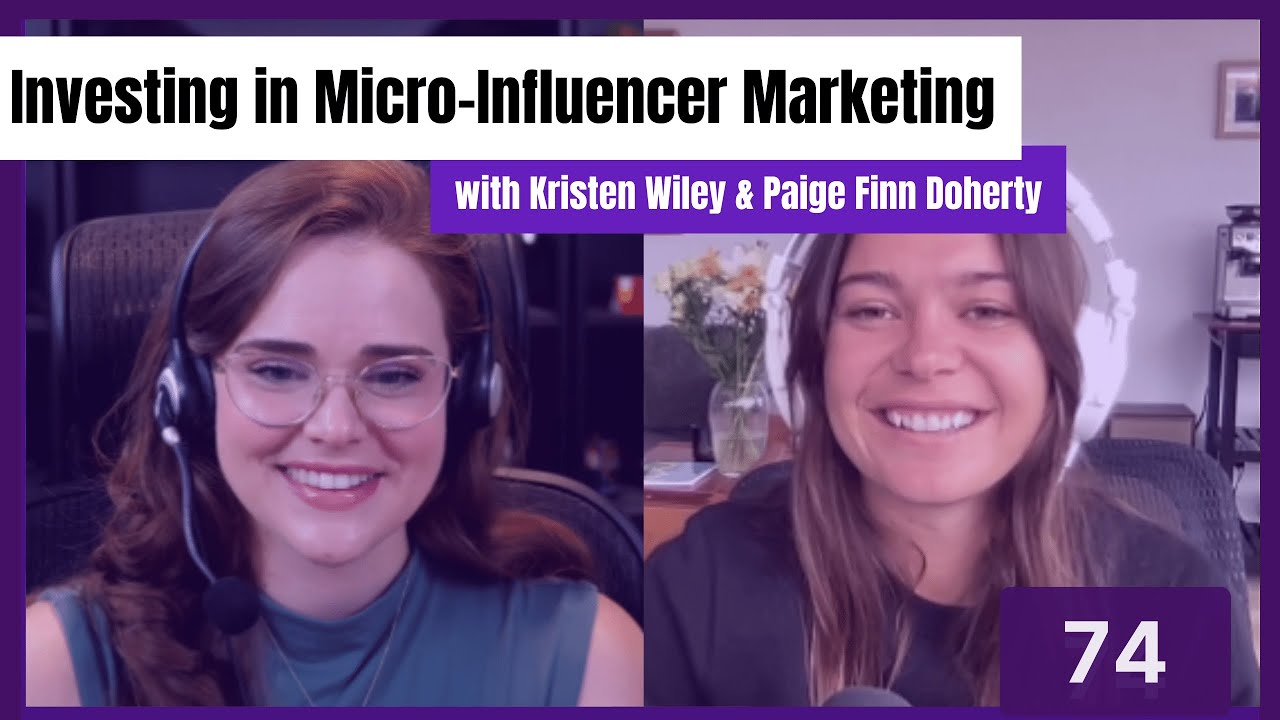
In this episode of the Seed to Harvest podcast, host Paige Finn Doherty interviews Kristen Wiley, CEO and founder of Statusphere, an early‑stage startup that scales micro‑influencer marketing for brands. Wiley recounts her career path from a food‑and‑baking blogger to a PR agency influencer‑marketing manager, highlighting how her dual perspective as both creator and brand marketer exposed systemic pain points that inspired Statusphere’s member‑first platform. The conversation dives into Statusphere’s proprietary 250‑point creator dataset and matchmaking algorithm, which aim to improve both creator and brand experiences. Wiley discusses the company’s vision of helping people discover brands they love from trusted creators, her relationship with Behind Genius Ventures (BGV) and other investors (Jason Calacanis, 1984, Hearst), and how she treats fundraising as a sales funnel. The interview also explores Statusphere’s culture and core values—teal‑line communication, “clarity is kindness,” coachability over talent—and how these guide hiring, feedback, and scaling from a 5‑person team to 40‑50 staff. Wiley shares personal leadership lessons, the loneliness of the CEO role, the benefits and challenges of being a non‑technical founder who built an initial no‑code MVP, and advice for founders, including recommended books and the importance of community. The episode concludes with a brief note on hiring status and a Q&A about resources.
Chapters
I, I want Paige to invest. She's awesome. I think you were one of the first, like, I, I think I've said this before, Jason Calacanis is one of our other investors. And there was only like 2 first meetings I've had where I felt like someone so intimately understood our product and asked like really smart questions. It was like the most bandaid Scotch taped product ever. But what, what it did is it proved that I could sell it. Like when I had the first customer buy that product.
Yeah.
Like, that was one of the most, like, happiest moments of my career.
Like, welcome back to Seed to Harvest, a podcast with founders, investors, and creators hosted by me, Paige Finn Doherty. I'm the founding partner of Behind Genius Ventures, which is an early-stage venture firm focused on investing in the future of work and the future of play. And I'm really excited to be bringing on one of our portfolio founders, Kristen Wiley of Statusphere, today to share more about her journey and the lessons that she's learned, uh, founding Statusphere. So Kristen, welcome to the show.
Thanks so much for having me. I'm very excited.
Yeah, of course. I would love to start with kind of like a brief overview. Can you share a little bit more about your story and what Statusphere is? Yeah, for sure.
So yeah, CEO Statusphere, we scale micro influencer marketing for brands. And a little bit about my background is I've been kind of on both sides of the coin of influencer marketing. So back in about 2011 was my first job out of college and I got hired by a PR agency and The reason that they hired me to run their influencer marketing program was first because many people didn't have that much experience. So even though I was fresh outta college, they were like, oh, we'll just let you, let you do this. But the reason they let, they let me do it was cuz I was also a blogger. So I was a creator and I was working with brands. So I had like a food and baking blog that was just a side passion project of mine. And it grew to the point where I was able to collaborate with different brands. I wasn't a massive Influencer by any means, but it was really fun for me and it was a great creative outlet. And that's actually what led to like change the whole trajectory of my career. So I got hired at that PR agency, started working with different other creators and influencers at the time on a bunch of different platforms. And after doing that for many years, I just kept finding that like the experience on both the creator side and the brand side just was suboptimal and I wanted to create a better experience. And so really Statusphere was just born out of trying to solve my own problem as a creator and on the brand side as well.
Yeah. And I think one of the things that I think about a lot is like the context of which I meet the founders that we back. And I think one of the things that's really cool is we met through Neil, who's the CEO of Beacons, which is another BGB portfolio company in the creator space. And one of the things that really stood out to me was he was like, Kristen has one of the deepest knowledges of the creator economy. You've just been working in this space for almost as long as it's been around, which is really rare at, at this point.
Yeah.
And I would love if you could share a little bit on like what elements of your previous experience directly contributed to understanding the problem that you're solving with Statusphere.
Yeah, I think understanding the problem not only as the brand, but as the creator, I think was the biggest differentiator for me. So I think the biggest like aha moment was when I was like, all of these platforms are only built for brands. Like they care about the brand cuz the brands are the ones paying or the agency is the one paying. So then the creator experience is just, for lack of a better term, just really crappy. Like, I mean, yeah, I would get like just spammed with emails. The communication was horrible. I was a food blogger getting pitched mattress companies. I, my friends were vegan and they were getting pitched beef jerky. And I was like, this is like so strange because I had seen the brand side and I knew the brand side, like they just want to find the right creators and the creators just wanna find the right brand. So I really wanted to create Statusphere being a Like everything we call our creators members, Statusphere members. So we say everything is member first. So if we're ever creating anything for the platform, even if it's for the brand, we think, how is this gonna affect the member? And is it going to hopefully, you know, make their experience better too? And I think that that was like the biggest experience I had being able to see both sides where I think we found something really special. And by having the best member experience, then you can also provide the best brand experience in, in the way that we feel the flywheel works for, for our business.
Yeah. And I think one of the things that I found to be really interesting in our early conversations was because you take this member-first approach, you built such a high level of creator trust where they, like, when a creator signs up for Statusphere, they fill out a survey with like 250 data points. Is that right? Mm-hmm.
Yes.
Can you walk a, a, a little bit through like how having a, like a proprietary creator dataset has really benefited Statusphere and then how maybe dig a bit into like the matching algorithm? 'Cause I think that's a really interesting component of Statusphere as well.
Yeah, for sure. I think that's really the secret sauce and what gives us the good creator experience and brand experience. So yeah, so we have over 250 first-party data points on all the members in our network. So when When they apply, we scan them to make sure they meet our requirements. And then once, once they do, they fill out a profile about themselves. So this profile asks them everything from like, you know, if they have kids to pets to sensitive skin to curly hair. And the way that we frame it for the creators is the more you let us know about yourself, the better we can match you with products and brands that actually meet your lifestyle. Like, is it really important to you that you only want, you know, vegan skincare products or food so that we can make sure that Not only are, you know, our brands able to target people that want vegan, but we can also make sure that we don't show them something that's not vegan if they've told us they are vegan, for example. So we really wanna make sure the matchmaking goes both ways. And then the 250 data points, like that's really a big differentiator on the brand side too.
Yeah.
Because most of the other platforms in the space, they don't have those first-party data points. Instead, they just scrape for, you know, platforms like Instagram and TikTok, and they will actually just Yes, attributes about the creator, which is just not the same as the creator actually creating their own profile and being in charge of like their own matchmaking journey with brands.
Yeah, I think that was super cool. And it's also like, it goes to show the amount of trust that you all have built in the ecosystem too, because I think it's like very rare that creators spend the time to fill out a 250 data point profile about themselves. Yeah. I think one of the things zooming out is I'd be curious to understand is like, how has your long-term vision for Statusphere evolved or stayed the same since you started it?
Yeah, so the big vision is always helping people find brands they love from people they trust. And I've loved marketing. Like I never thought I'd be a founder honestly, or a CEO. I always just loved marketing. Like since I was little, I was like, I don't know, third grade, and they'd be like, what do you want to be when you grow up? I was like, I want to make ads, which is like a strange thing to say. So I have like videos of me little, like making ads. So I've always like loved marketing, but I feel like marketing has such a bad connotation and sales and marketing in general is always like, there's this like sleazy piece to it. But the part that always made me really excited is like when I'm in the store with my mom and like you go up to like buy something and somebody next to you is like, oh, I had that last week and it was amazing. And like, you You actually are providing value at the right time for somebody and trust to find the right products for them. So I feel like if done correctly, I always felt like there's just such an opportunity here. So I think that's why I was so drawn to this space and like why, you know, I ended up kind of falling into this category in general. Okay.
I wanna, what ads were inspiring to you or were there like specific agencies that you really liked when you were younger?
What's really funny is I actually really liked like radio ads.
Really?
It's really funny too. But like, I remember my mom would always leave the radio on in the house and there was like always little jingles or like reminders or like just like things like that. And I would, I would like make my own and like regurgitate them. So I feel like, I feel like that was actually just like a really big thing. And then obviously like, you know, you'd always sit around to watch like the Super Bowl ads and stuff like that. And I just thought the creativity and like making it stand out, but also connecting with the right consumer is always like, just like really what excited me as well.
Yeah. And having that like deep customer empathy and creative applied to it is always really interesting. There's sort of like a binary aspect of like, oh, they really, they really get that customer market is really interesting.
Exactly. They know how to speak to them.
Yeah, exactly. Can you share a little bit about what it's been like working with me and BGV as an early stage partner?
Yeah, for sure. So like you said, Neil introduced us and I, I still remember like The first time that we, that we chatted, like, I immediately was like, oh my gosh. First of all, I was just like so impressed with how smart you were and like how much you just like got the space. So like, I've talked to a lot of investors, you know, I like, if I'm sure everyone listening is familiar with the fundraising process, but like, you have to, you have to talk to a lot of investors to find the right ones for, you know, your cap table and the right ones that you actually want to partner with. And I remember, like, right after we met, like, I think I like hung up and I called my COO and I was like, oh, like, I want Paige to invest. Like, she is awesome. Like, I think you were one of the first, like, I think I've said this before, Jason Calacanis is one of our other investors. And there was only like 2 first meetings I've had where I felt like someone so intimately understood our product and asked like really smart questions. And like, our other investors are great. And like, they'll, I think they'll be the first ones to know. They're just not as like deep into the, I think the category of like the creator economy and just in general as like you are. you and Jason understood. So those were 2 meetings where that, they really stood out to me where I right away knew that you would be a great fit.
Yeah. Yeah. I think it was, I was so excited about Statusphere. I was like sending out introductions to other investors that we like co-invest with and our LPs. And I think I broke my email. I like broke the rate limit for the day and I was like, sorry, Kirsten, like I can't make these intros quite yet. I like broke my rate limit.
I was, I was gonna say if, and that honestly, when you were sending all those intros, like it, that's like the most helpful thing you can do for a founder who's fundraising. So I also, you just provided value immediately, which I just appreciated.
Yeah. And one of our, my favorite moments was having you come and present at the annual summit. That was really cool. What was that experience like from your perspective?
Yeah, I mean, it was awesome. First of all, love San Diego, but it was so cool to meet the other founders and your LPs as well, cuz I mean, The whole investment process was during COVID so we never met in person. So that was like the first time ever meeting in person, which I just, I am an in-person person. So I feel like it was really special to me to be able to meet with everyone and just be in the same room and hear what all the other founders were doing as well. And just see also where there were synergies and just like where we could connect. So I felt like it was a really, really special and great event.
Yeah, I always love getting our founders and LPs together. It makes me so happy. I remember that day just being like, I'm so stoked everyone is together. Okay. Well, thank you for sharing like a bit more about your experience, like working together. I, it's always fun to like hear it from your perspective as well. I, I guess like one of the things that you mentioned a bit earlier when you were talking about sales and marketing is, and we were chatting about before the show, like I think one of the things that really stood out about you as founders, you had like a very keen understanding of building sales teams and I love this quote that you had around like clarity is kindness. And I would love to hear more about how you think through building a team and company culture. 'Cause how big is, how big is the team now?
We're between part-time and full-time. We, we hover between 40 to 50 right now.
Yeah. Yeah. So I'd love to like hear more about how you've thought through building like a team and company culture.
Yeah, I think the, the most, like the best nuggets I've learned are actually from other founders who have done it. I remember one founder told me that I, I spoke with that was like, you know, each time your company doubles, it's like a whole new company. And they were completely right. So like when you go from like 5 to 10, 10 to 20, 20 to 40, like each time it's like this, it's like, oh my gosh, I'm at a whole new company. And your job changes as a CEO. And it changes a lot. Like as you grow, it becomes more important. Like in the very beginning, you know, you're recruiting, you're helping hire every single person. And then when you get about 20, you can't, Be that person who's maybe hiring every single one, especially at 40 as well. You need to make sure you're, you hired the right people who can hire the right people and like give them enough slack and enough trust that they can do what they need to do. Um, and I think that that's just been like, you just evolve so much as a leader. Um, and that term that, that you mentioned, clarity is kindness, that's, I have, I do have an executive coach and she's amazing and she's the one that reminds me of that constantly.
Okay.
Um, so yeah, I have to give, I have to give her a shout out because I think like that's, you know, people are really afraid to give feedback. And if you reframe it as like clarity is kindness, it just makes it a little bit easy to give sometimes the tough feedback that you need to give. Because if you don't give 'em that tough feedback, they just, they can never improve. And then unfortunately, if you have to part ways with somebody, but they never even knew what they could have done to improve, then you're not helping them either. So like really getting like comfortable, first of all, getting comfortable with being uncomfortable is key as I feel like CEO of a startup. But then also, you know, getting comfortable with giving that tough feedback in a very clear and concise way.
Yeah, I just love that quote so much. Clarity is kindness. It's such a helpful reframe too, because I feel like giving candid feedback can be really challenging and you want to like word it correctly and be thoughtful about it. And at the end of the day, like having that clarity helps them like not be in their head about like, or like projecting different expectations or anything like that. It's just like, here are my thoughts on the situation, and then you can do with that information.
Yeah, we do have a, like, our core values. One of our core values, we call it— our, our color is teal, so we call it teal line communication, which is the concept of being very direct and with somebody and not like squiggling around what you need to, need to say. Like being direct and clear. And that is kind of where that clarity is kindness also folds in and we try to remind our whole team of it. 'Cause it's, it's not only important like as a leader to do it, but you have to make sure your whole team is doing it. Otherwise, if people aren't communicating, that's really where a company can fall apart.
Yeah. What, what are some of, some of your other values and how did you come up with them?
Yeah. Yeah. So they're all on our site. You can check out all of 'em, but we, we went through a long process of like really thinking through what makes sense for, you know, for us. So I think you were saying company culture, building it. I, Mm-hmm. Another founder told me like, once you hit 10, like your, your culture's already set. So those first 10 employees and team members, it's just really important to remember that those really set the tone. So you need to like keep the bar high and make sure that you're really thinking about your culture in those first 10. And I think it's really true. So when we finally put together our core values, we were already at, I think about 20, maybe, maybe a little bit bigger. So we, we needed to really honor what we already had. So some of my favorite ones, another one is coachability over talent. So we don't care how talented you are, if you've gotten straight A's, if you've done everything amazing, like that doesn't mean anything if you're not coachable and you're, and we can't like actually help you level up. I'd much rather have somebody who maybe doesn't know as much, but they're super coachable than somebody who's like the most amazing in their field, but uncoachable. And I think that was another really important one for us. So you'll notice like all of our core values, we tried to make them in a way, I can't remember, I think this, it might've been. Meta or Amazon that came up with this, that like your core values have to be something that not everyone can agree with, or it's like not a core value, which I think, I think is really important. Like respect people, like you should just respect people. And I see sometimes that's a core value. It's like, I hope that that's like the bare minimum. We need to go a little bit above that.
Yeah.
So yeah, so that's why coachability over talent was a big one for us. So we use all of our core values too in hiring, in all of our reviews and everything, just to make sure that they're They're, you know, following that and we can keep that and embody that as we grow.
Yeah, I love that. Yeah, I think it's like having a value is having an opinion. Like it should, like you said, it shouldn't be like the bare minimum. It should be whatever like makes you stand apart from other companies. That's super interesting. Can you, can you share some of the challenges that you've overcome? I, and maybe this one from the lens of like you personally as a CEO and how you've overcome them.
Yeah, I feel like every day is a new challenge. And it, I always tell like, if you're gonna decide to start a company, like you, you have to love fixing problems.
Yeah.
'Cause that's all you do is like every day is a new problem you have to fix. And I do actually think that that brings me joy and that kind of answers the question of like, how do I get through it? Like the fact that like every day is different. I love that. Um, I also love that like you're just constantly leveling up. I feel like you're in a video game and it's like once you feel like you've made it, you're like, oh, now it's a whole new, new level that I have to be, right? Like, it's just like, you can't imagine what the next level is gonna be until it gets there. But once it hits you, like, wow, that's, it's a whole, it's a whole new game now.
Yeah.
So, yeah, so some, some of the things that I think are really important is getting a group of founders that you can talk to, like, that are, you're really close with. I mean, if I didn't have a couple founder friends that I can call when things go sideways, when things, when these bizarre things happen, that I could just, could listen to me and, and like, understand where I was coming from, like, I, I don't, my, my mental health would be in a very different spot. So, so I think that was, is like what I tell all founders is like, get, get a group of other founders who are at a similar stage and ideally even a stage above you so that you can learn from them. And then you can also like just build that community and just feel like a little less alone. 'Cause that is, I think the hardest part is running a company is just, they can be really lonely and you can't be super close With your, your employees and, and some of your team members. Um, you know, like it's just a different relationship if you want, you know, to, to win the game. You know, you're building a team and you gotta have the right players and sometimes that position changes and you gotta make those tough decisions. And if you get too close with people, it can be, it can just be really taxing from an emotional perspective.
Yeah. Yeah. And, and I guess like one of the things that was interesting too is like coming from like a non-technical background as well. I think that in your other interviews you've talked about that. And I, I don't know, I like, especially investing in the creator economy, I feel like being a creator is like an aspect of technicality. Like it takes a lot of engineering to be able to build an online audience and like testing and tinkering. But I'd be curious to understand like how, how your journey as like a non-technical founder has like maybe like the pros and cons of it.
Yeah.
Yeah.
I can't tell you how many times I like have been like, should I just teach myself to code at this point? But, but I think the, I think the key as a non-technical founder is you just like can't let it stop you from getting a product out and like getting customer feedback. So I, I didn't even like, my first version of my product was I found a bunch of no-code tools and like form builders and a bunch. It was, it was the most bandaid Scotch taped product ever. But what I, what it did is it proved that I could sell it. Like when I had the first customer buy that product. Yeah. Like, that was one of the most, like, happiest moments of my career. Like, it was just, like, insane. Like, I just built something that's, like, from nothing that somebody wanted to pay money for. And I, I was like, if they will pay money for this, just wait till I actually build what I wanna build. Right? And I think that, like, it kind of, the lean startup mentality or, or it forces you to do that if you're not technical. But I mean, like, yeah, you can do it as technical as well, but like, it forces you to really get scrappy. And, and really learn your customer because you can't afford to build something that they don't want. So like, I think that from the pros perspective of a non, non-technical founder is like, it forces you to be really scrappy and know your customer like inside and out, cuz you do not wanna invest anything in anything that's not gonna help you, you know, get more revenue and kind of get you to that next stage.
Yeah. Yeah, I love that. I, I think it's like you just like over-index so much more on like the customer. perspective, which I think can be a really strong element of building a company. One of the things we talked about before the show is kind of like the fundraising journey and how that's been for you. I'd love to share kind of like, what does that look like? Is there any tips that you would tell yourself, you know, going back and like thinking about your pre-seed or your seed? Yeah.
Yeah, I think I've learned a lot and like I said, every level is a different level, but I think that the, the biggest thing is to run it like a sales process and view it like a sales process. And as somebody who comes from more of a sales background, that mindset shift helped me a lot to actually get through the process because all you're doing, you're trying to find, you know, the right product market fit in terms of the right, you know, investor for you really in terms of like finding that customer per se. And just running it like a funnel. So like I had a CRM, I like ran it the right way. You need to pitch so many people, you have a conversion rate, and you gotta find the right ones that you want on your cap table. And just as much as, you know, they need, you need to be a right fit for them. They need to be the right fit for you. And like, once again, it's just a numbers game and talking to enough people until you can find the one that is the right fit for you. So I think once I had that mindset shift, it helped a lot and you just wanna like get to the yes, but that means that you need to like celebrate the nos as well, you know, like, okay, this week I need to get like 9 nos and 1 yes, just like you do in sales. So once I shifted my mindset, that helped a lot because I think the first time around I didn't have that same mindset when I raised the pre-seed and in terms of the seed round. Yeah.
That's super interesting. I, who are some of your other favorite investors that you have on board?
Yeah, for sure. So 1984 was in the last round and they've been amazing. I feel like I, you know, can always count on them for running questions. They'll be really candid. My background is not fundraising and I told them that and they told me, they're like, our background, like we can help you with that when they ask like, where can we help the most? And I was like, that's where it is. So I feel like they've, it feels like, like, I don't know, inside baseball. Like I feel like I can, like they'll, they're just super honest with me about like how to interact with investors and like. How the game works. And I just really appreciate that. And I feel like it really leveled me up. The other investor that is actually recently invested that I've been just really impressed with is Hearst. Hearst is, is a 100-year-old media company, but they're much more than that now. I've learned they have like multiple different arms within them and they have an investment arm as well. And they've just been so surprisingly, honestly, like pleasantly surprisingly helpful in the resources that they've given and just like All of the humans on the Hearst Lab team have just been amazing to work with. And I feel like they just give so many resources from like, they give me like legal help and they have like a product person and UX help and just like really surprising things that have just been really, really, really helpful. And kind of, I wasn't expecting also for a company that kind of is, is so old, for lack of a better term, to have such an innovative mindset. So they've done a great job there.
Whoa. That's awesome. Cool. I think that's most of the questions that I had. Prepared for us today. I've been doing this thing recently where I ask like, what question, or do you have a question that you would like to ask me? Anything that's top of mind?
I like to ask other, as also a founder of a company, I also, I like to ask what like books or resources you like to, I don't know if you have any favorites or podcasts or other things. Yeah.
Such a good question. I love reading so much. I feel like that's like what, what kicked off my love of like storytelling and where I am today. Well, I guess this is like not super related to like company building per se, but I just finished Project Hail Mary by Andy Weir, and it was really incredible. It's like a science fiction story about this astronaut who goes into space, and I studied engineering, but I haven't coded in a really long time, and it just like hit my engineering brain so nicely, and I was like, oh wow, I remember this. But in terms of like books that I recommend to founders, there's a couple in specific that I think are really helpful. One is Founding Sales. We were talking about this a bit before the show, but I think like, especially in the early stages of a company, sales is like one of the most important jobs of a founder. And so I think Founding Sales is really great. The Lean Startup is excellent. I find a lot of founders have like read that one by the time that I meet them.
Meet with them.
Yeah. But I think like one that might be a little bit, I guess, like off the beaten path of like recommendations for entrepreneurship is actually The Art of Gathering by Priya Parker. It's one of my favorite books about how to build authentic communities, how to protect the boundaries that lay outside of that. And I think if you read it from a founder's lens, it's really helpful to, to go back to your point of clarity is kindness, to give you the perspective of like how to host and facilitate groups, which is a lot of what you're gonna be doing as a founder is like hosting and facilitating groups. Like you're the founder of the company, you're in charge of bringing this group together. And making sure that they work well together and build innovative things. And so I think that book really impacted how I thought about building a community, like within BGV and then also outside of it, how to incorporate external parties as a part of the community in a way that feels like authentic, aligned, and incentivized. So yeah, that, I would, I would say that would be one of my highest recommendations.
Awesome. Yeah, I haven't read that one yet. I have heard of it, but I'm gonna make a note of it.
Awesome. Okay. Yes. Yeah, I love that question. Cool. Well, Kristen, I, last question before we hop off, are you hiring? And if so, I'll drop the job descriptions in the show notes.
Yeah, we're not hiring right now. We actually just closed a position, so we found somebody. Yay. So we're not hiring right now, but there may be some popping up in the next couple months. So I can also give a link to our careers page just in general.
Amazing. Yeah, I'll drop that there as well. And thank you so much for coming on today. I'm really excited that we had the chance to share more of your story and how you're building Statusphere and the lessons that you've learned. And yeah, thanks so much for coming on.
Thanks so much for having me. This was great.
Yeah. And a very special thank you to Seed to Harvest podcast editor Tate Doherty for his amazing work on this episode.
More from Paige



Paige of Behind Genius driving an AI electric train in St. Louis (Intramotev Visit)





