stitching a sustainable future: Missy Oei on fast fashion and venture capital | Ep 88
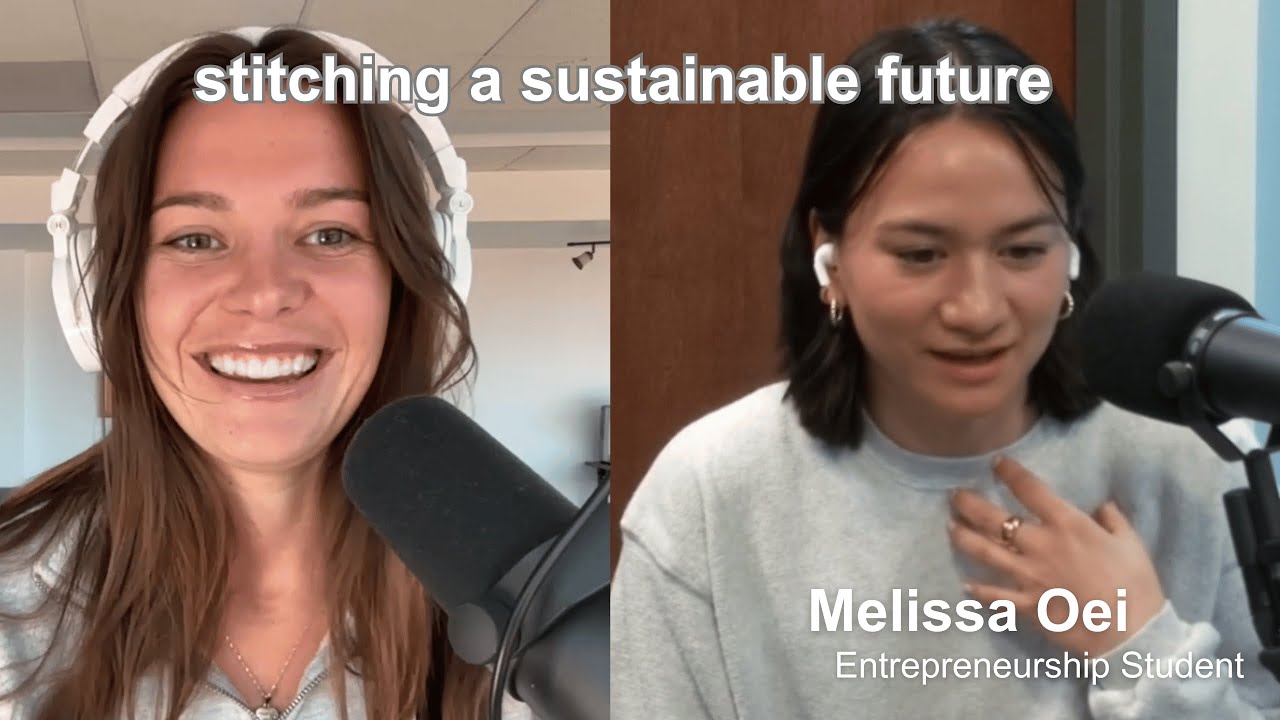
In this episode of the Seed to Harvest podcast, host Paige Finn Doherty interviews Missy Oei, a senior at the University of Dayton studying entrepreneurship and marketing. Missy shares how a childhood fascination with cheap Shein items sparked a deeper awareness of fast‑fashion’s environmental and labor harms, especially during the COVID‑19 pandemic when shopping habits shifted. She describes her personal transition from over‑consumption to DIY practices—learning to sew, up‑cycling existing garments, and thrifting—as well as her role as the informal “town tailor” for friends. Building on this experience, Missy explains the concept behind her peer‑to‑peer clothing‑rental app, its inspiration from a real‑life borrowing incident, and how it aims to solve the accessibility gap on college campuses where frequent, event‑specific outfits drive waste. The conversation explores the influence of influencer culture and rapid micro‑trends on Gen Z purchasing, the price and convenience barriers that keep sustainable brands out of reach, and the prevalence of greenwashing by large retailers. Missy highlights tools such as Good On You and For Days that rate or up‑cycle brands, and envisions a future where local, zero‑shipping rental platforms and refurbished‑clothing services become mainstream. Finally, she outlines her career ambition to break into venture capital and impact investing, supporting environmentally‑focused and under‑represented founders, while maintaining a side hustle in sustainable fashion. The episode weaves personal anecdotes, market observations, and forward‑looking ideas to illustrate the challenges and opportunities of building a more circular fashion ecosystem.
Chapters
Once I came into college, I think that was really when I realized how much fast fashion had impacted my generation. My buying decisions are directly impacting people across the world, and I had no idea. But I'm trying to break into VC. Like, my ultimate end goal would be getting into impact investing.
All right, everyone, welcome back to Seed to Harvest. I have a special surprise for you all today. Missy, do you wanna say hello and introduce yourself?
Thanks so much for having me, Paige. My name is Missy Ooi. I'm a senior at the University of Dayton studying entrepreneurship and marketing.
Yeah, so I'm really excited to have Missy on to talk through some of the wonderful thoughts and her passion in her essay topic. Maybe first we can I would love if you could walk us through like how you discovered the Behind Genius Ventures College Break Winter Essay Contest and what the process was like writing this piece for you as well.
Yeah, so when I first decided I wanted to kind of break into venture capital eventually, I joined like a bajillion Slack channels and followed all like the biggest influencers on LinkedIn. But one of the ones that I followed was Gen Z VCs. And so I got into that Slack channel and I saw that the creator of Gen Z VC had, she had sent out like a blurb like, hey, like my friend Paige just sent out this essay contest. It's a really good opportunity if you're looking to gain exposure or just have something that you're really passionate about. And I was like, all right, yep, check and check. I'll go after it. So I wrote the essay when I was at home for Christmas break with my family in Chicago, and I had all of them look over it a million times and ended up submitting it in hopes that I'd win. So.
That's awesome. And how did it feel when you learned that you had won?
It was crazy. I was like waiting in anticipation for so long, but then after you had done, like, you had like a little, like a preview day, you did that streaming where you read some of them. Yeah.
Yeah.
I was listening to the other ones and I was like, oh my God, of course everyone else is so talented and awesome. Like, this is gonna be so tough. Like, but when I learned I'd won, I was just extremely excited, mainly just to talk to you, but everything else that came after was pretty awesome too.
So.
Thanks.
I love that.
Cool.
Well, yeah, thank you so much for participating. It was so wonderful to read your writing and I'm excited to dive in today. So the majority of your essay focused on fast fashion, which is actually a topic that a handful of the other essays focused on as well. I feel like it's very topical for folks of this generation to care a lot about sustainability. So I'd love to dive in with my first question, which would be, what inspired you to explore the environmental impact of fast fashion in your essay?
So it's been something of mine that has been a growing passion. I've started a couple little startups around fast fashion and trying to spread awareness about just kind of the dangers that come with it. But it kind of stemmed from, I've always been someone who like loves shopping and kind of fell into this culture of overconsumption. And I remember like when I was in 6th grade, I like found Shein when it was like Super new.
Whoa, that's crazy. You found Shein in 6th grade?
Yeah, I was, I was literally a kid and I was like, wow, a sweater for $10. This is awesome. Like without realizing the impact of how that sweater is made for $10. And I remember I was like, this is great. I'm, I'm gonna start shopping like this all the time. But then I quickly realized, like once I got a little bit older, I was like, oh, none of this is very ethical. Like. It has environmental, um, consequences. It has a lot of unethical labor that goes into it. Like my buying decisions are directly impacting people across the world and I had no idea. And so probably around COVID is when I started getting really into like watching my buying behavior and seeing what kind of brands I was supporting and whether that's really something I wanted to be known for. And wait, that's super—
I, I have a question on that. Is, do you think there was like something about COVID that made you reflect on those buying habits or like why specifically that time period?
Probably just because mainly it was a time when like shopping completely changed. There was no like going into stores at all. But also just you kind of realized what was like most important in your life. It's not these material goods, but it's how often you can see your family and the people you love. And your whole world got like reduced down to such a small like household sometimes. And it was kind of just a reflecting period for me and my whole family of, okay, what's most important to us right now?
That's really cool. And can you share a bit more about like after you had this realization, what was your personal journey of shifting from creating like new fashion items and picking them out from a company like Shein. So like consuming less and borrowing more. Maybe you can talk about like what that was like in your friend group as well, cuz I feel like when I was in college, a lot of like me and my friends were going through this evolution at different time periods, which was cool.
Totally. So what initially started this like drastic shift was I learned how to sew. That was also just a result of having a ton of time during the pandemic, but I grew to love sewing and making my own clothes, but also I realized that I can do a lot with the clothes that I already have. So I would go into my closet and rework old sweatshirts that I had, or old like shirts I'd make into like cuter blouses, stuff like that. And so that's kind of what changed like my actual behavior of, okay, I'm gonna try to not buy so much and start making more just because one, it's a lot more sustainable, but two, It was way cheaper, like a lot better on my bank account. So I started thrifting a little bit more, got a lot more creative with that. But once I came into college, I think that was really when I realized how much fast fashion had impa— like impacted my generation.
Mm-hmm.
Everybody my age is buying clothes for going out and getting clothes for one specific interview or like one special event. Like date parties for fraternities. Like, yeah, you're buying clothes for so many little things in your life and you're spending so much money, or you're not spending that much money and you're getting a lot still. So in terms of trying to persuade my friends to kind of shift their buying habits, think a little bit more about what that $10 Shein dress, how that like impacts people. It's been kind of like a whole journey of mine throughout college.
One of the things I've been thinking about is like how social media specifically impacts fast fashion, because I feel like on one end there's like sustainable curators, and on the other hand there's like people who every time they post are in like a new outfit. How do you think social media has contributed to the rise of fast fashion?
Well, ever since like influencer culture kind of took over, I think that's been like the main perpetrator of it. I mean, I can log onto TikTok right now and be influenced to buy 30 new products that I don't need. So that's definitely, and like, I'm someone who's very easily influenced and for me to have like these principles that I stand by, but also still be tempted to buy these things, I think it says a lot just about how effective these like new marketing tactics are.
Mm-hmm.
And so in a lot of ways it's like, oh man, I don't blame my friend for buying that dress. Like, it's so cute. And oh yeah, I would've fallen for that too. But it's kind of just at that point where you have to reevaluate your own actions and—
Yeah. And, and can you talk a little bit about how this led to you building a peer-to-peer clothing rental app and how your app addresses the sustainability challenges in the fashion industry?
Totally. So this has been like my huge passion project this year. I entered this like pitch competition that my school holds, and that was mainly why I actually got started with it, just because they're very encouraging of entrepreneurship here. But I've had this idea for like 2 years, and it took until now to start it because I started seeing some other competitors pop up, and that kind of validated that thought of this is a great idea that people are changing their behaviors to adapt to. Like, like Pickle, that's like the main competitor that's really popular in New York. But I'm particularly seeing it as a huge problem on college campuses because all of these people are buying so many, like for girls, like they're buying so many dresses for date parties and formals.
And costumes.
Right. Yeah. And costumes for every little holiday. Like St. Patrick's Day is coming up and all of my friends have bought new outfits for it, but Like having access to all of these clothes, they're all within like a half mile of you, but you have no idea. You have no idea that your neighbor has a really cute outfit that you love until you see it, maybe like scrolling on an app. But the idea kind of stemmed, I was at my friend's house and she was getting ready for a different party, like some formal. And her roommate, who I wasn't really close friends with, was wearing this like super cute black lace dress. I just fell in love with it and I'm not really close with her. At all, really. So I remember I was asking, I was like, hey, would you like ever wanna, like, could I like rent that from you for a weekend? Like, I wouldn't wanna like ask to straight up borrow it from you. And she was like, oh, for sure. Like, I would do that. Like $5, $10. Like, I was like, yeah, that sounds great. So I went and I picked up the dress the next weekend. I paid her like the $10 or whatever and ended up wearing it to my formal and I loved it. But it was such like an easy solution. And I figured like so many people my age would not have like the courage to just go up to a random person and ask them, hey, where'd you get that? Can I borrow it?
Yeah, I was gonna say it definitely takes some courage to be like, can I, I love what you're wearing. Can I too wear that in a little bit?
Yeah.
How did you, like, as you started talking to other people about that behavior specifically, like were there hesitations? Like how did you think about Overcoming them.
So like the main concern people have been having is how do you know your clothes are clean or who's like responsible for cleaning them? And so my response to that is always the person who owns the clothes should be responsible for cleaning them. 'Cause they know like best practices, like if it needs to be dry cleaned or if it can just be thrown in the washer. Like you would never want a random person to ruin your clothes on accident because they were trying to do something good for it. Like.
Yeah, that's a good point. I feel like it feels like from a cost perspective, I feel like a lot of other apps have tried to say like it's on whoever is borrowing it to clean it. But that's a really good point about like, you don't really know how they like take care of their clothes and that can differ from like someone who puts all their clothes in the washing machine unsorted to like folks who are like really cautious about like dry cleaning their like nicer items.
Right. Yeah. There was like talks of maybe even doing like a dry cleaning service or something, but that would probably be like later down the line if we wanted to integrate something like that.
Whoa. How do you see like the role of technology such as apps like Good On You in shaping consumer behavior and promoting environmentally sustainable choices?
I think they're doing a great job right now, and I think if we can get to a point where we integrate those types of resources into our regular shopping habits, They'll be super effective. So just for like explanation, Good On You is, it's a platform that basically rates every company on how sustainable they are. So like companies like Reformation, that's the first one that comes to mind where I'm like, oh, mainstream sustainable brand. It has like a 3 out of 5 rating, which is pretty good, but there are a ton of brands that are even better than that.
Mm-hmm.
And then maybe ones that you thought were good, like I don't know. People say Anthropologie is probably sustainable because it's so expensive. It's a horrible comp— it's really not a great company. Like they have the same practices as Urban Outfitters does. It's just a different label.
Yeah.
Not horrible company. I shouldn't say that, but it's just, it puts you in pers— into perspective of really how great are these companies. But I think if we could take a resource like that and implement it into your regular shopping habits, like As a plugin maybe, or even just like in—
Yeah. What is your like dream world? Like how would you like to see more like peer-to-peer rental or like basically just like using unused clothing items? Like what is your like dream rental scenario if you had like full control over things?
I think it would be the way people have like their first gut reaction is to look on Amazon for something or just even just Google cute dresses. I think my, like, the best case scenario would be people go to this clothing rental app first to look for their clothes because they're looking at what's accessible right now, what they can walk to to get, doesn't require shipping, things that are in their local neighborhood that are like at the tip of their fingers. I think if we can shift that to what's like most accessible. Accessible in terms of like pricing and just like how close it is to you, that would be the best. Yeah.
One of the things that you wrote about in your piece was like some success stories. So I'd love if you could share like some notable examples of sustainable fashion startups that have really stood out to you that have made a significant impact in this space.
Yeah, it's hard to say cuz a lot of them are like super new. Um, Good On You is one of the ones that I talk about that I use regularly. Another one that I think is really cool and I would love to see done in other like companies also is it's a, it's a company called For Days and they basically like collect a bunch of clothes and then they also make clothes out of the clothes that they collect. So people can donate their fabric scraps from sewing or just old clothes that they don't use and they'll break them up down to the fiber and then make new textiles out of them. It's the coolest thing. It's like the definition of circular fashion, kind of. What comes in comes out too.
That's super cool. Yeah.
So I think I would love to see brands build on that a little bit more.
Wow. I, yeah, that's really cool. I think like one of the things that I found really interesting, so like when I was in college, I hosted this, it's called the Enviro Fashion Show and everyone, there was like 20 designers involved and like everyone had to make like a sustainable outfit and some people like upcycled things, some people like Made it from things they found around campus, but it was really interesting to see how people use like environmentally sustainable materials in like different ways. But one of the things I thought was interesting is like McKinsey in one of their reports mentioned that 40% of Gen Z and millennial consumers prioritize environmental impact in their purchasing decisions. I would be curious to understand like why you, or like what hypotheses you might have. As to why there's like a gap between that intention and like actual buying behavior?
Yeah, I think it ultimately comes down to price and what's easiest for everybody. Mm-hmm. Because a lot of the people, I mean, everyone in Gen Z is around my age or a little bit older, a little bit younger. So we're all not really, we're not having a bunch of income or anything. We can't really afford to buy a lot of these higher-end sustainable brands. So I think it ultimately comes down to price and accessibility, which is hard to fight. Yeah. Yeah.
I, how does like thrifting fit into that landscape?
I love thrifting. I like always promote it. I think it's a great solution for people who are looking to kind of expand their, um, personal style. It relies a lot on personal style. Mm-hmm. And not so much on what's trending right now. So it forces people to be a little bit more creative, but at the same time, you can't really convince everybody to shop secondhand cuz there are gonna be those people that wanna keep up with the trends and are just more geared that way. But thrifting is great. I think the only dangers that people can run into with thrifting is just buying too much when you don't need it. Like that's what it ultimately comes down to with fashion, like sustainable fashion is what are you gonna wear repetitively? Not so much what are you gonna bring in.
Yeah. like capsule wardrobe vibes.
Totally. Yeah.
But I like the point that you made around like, it's kind of challenging to do secondhand and stay in line with the trends. I don't know if you've had this— do they have Buffalo Exchange where—
I know about it though. Yeah, they don't really.
Okay. There's like this like canon event where you go into Buffalo Exchange with all the clothes that you're like, okay, I'm like ready to, to like donate these. And then they're like, You have to donate things that are in fashion. And I think it's really interesting because I feel like what you talked about of like being on trend versus like having a really defined personal sense of style, like I feel like there is like some curation gap that makes thrifting challenging for people who might not have as defined a personal style and are more accustomed to being like on trend and like usually using a lot of like visual cues like Pinterest and things like that. To find something that works for them.
Totally. Yeah. I couldn't agree more. There's this thing about the fashion industry right now. I was reading there's so many micro trends that have been coming out the last like 2 years. Like you can hop on a trend and then it'll be gone in a week.
Yeah.
But they're saying that these micro trends are turning over so fast that people really can't keep up. So people are choosing the ones that they like and keep like sticking with them while some of them are Going on and it's kind of increasing people's like feeling of personal style. So it's almost like we're seeing a reverse effect of it. People are gaining a better like sense of their personal style because they're, because they're seeing so much. Yeah.
I feel like a big aspect of like building taste is just it when whatever it is and like investing in startups or like finding personal style is just like seeing a bunch of things and then being like, Okay, I like this, I don't like that, I love this, I really hate that. So it's interesting to hear that like micro trends are, you think, actually like influencing people's personal style more because it— huh, that's cool. Do you think that was like a recent thing? Like, did that start happening recently as micro trends got like even like nano trend?
Yeah, no, I read that probably about a year ago, so it's relatively new. I mean, I think The rapid fire of trends hasn't really changed much in the last year. It's pretty much been running the same, so I think it's still definitely relevant.
Wow.
Yeah.
How do you think the fashion industry at large can better balance the need for like sustainability with a demand for affordable and trendy clothing, specifically from like younger consumers?
I think, well, we've kind of been seeing a shift already. But it's kind of resulting in more greenwashing. Like brand, like H&M, for example, they realize people are like prioritizing sustainability. So they started slapping on labels like, this is eco-conscious. This one's not, but this one is. And so they're trying to differentiate themselves by doing this, but as a whole, they're still a very unethical company. And so in some ways, these big corporations are— Trying to like appeal to people that way, but they're really just kind of false advertising. One way that I think that they can actually help would be by simply slowing down, I guess.
Just go slower.
Yeah.
Yeah, I think that's interesting. I feel like one of the things I've been interested in is like the rise of like more people talking about like tailoring or customization of clothing or like sewing. And I feel like me and my friends are getting to the point of like, what are the quality pieces that will last us like 10, 15, 20 years? Which is cool to see people defining their sense of personal style. What are like the trends that you found like interesting recently? What are like the nano trends that you're like, I like that one.
Let's see. One nano trend. I mean, I don't even know if it's a nano trend, but ballet flats, like Little like Mary Janes kind of. I've been seeing those come back and it made me real, like my mom loved Mary Janes. She used to throw me in those as a kid and I would, I would throw tantrums. I did not wanna wear them. But it's funny seeing that come full circle, like, oh, those actually are really cute.
You know what?
Maybe I just wasn't in the right time in my life. So it's funny seeing a lot of retro trends like that come back. Um, it makes me realize maybe it's not so much of a trend.
Mm-hmm.
But something that you can stick with for a while.
What are like some of the other things that you've realized in like your journey through like spending a lot of time thinking about fast fashion, like sustainable fashion as well?
Yeah, going off of your other point you said earlier about sewing, I think that's probably been the best revelation. Um, right now I do like a small, like I'm basically like the town tailor for my block. Um, everybody, like it at least still lasts in color, but everybody will come to my door and they'll just drop off pants or a shirt that they ripped over the weekend and I'll give 'em a week and fix them up and send them on their way. So it's funny to see how many people are realizing like, oh, sewing isn't this like old thing. Like kids my age are doing it again. I don't have to drop it off at the tailor for $20. Like I can have my friend do it or I can learn myself and fix it up. A lot of times.
How many like other friends of yours sew? I'm so, cuz I learned to sew when I was in high school and I like, it's kind of like you get obsessed. You're like, wait, I can make anything.
Yeah.
I have this insane—
Mm-hmm. Totally. I have 2 friends that sew. One of them is a fashion designer. I met her at my internship this summer, so of course she sews. But the other one is actually a former professor of mine. She started like her own company where she makes dog bandanas. I, I love it. It's the cutest thing ever. But it's fun cuz she just started that recently. I think she taught herself how to sew like in the last 2 years, and so she's already doing it on that scale.
That's super cool. You mentioned your internship. Can you share like a little bit more about like what are your big dreams? What are you looking forward to when you graduate?
Yeah, so I kind of mentioned before, but I'm trying to break into VC. Like my ultimate end goal would be getting into impact investing. So investing in companies that are either environmentally sustainable or companies that support founders from underrepresented communities.
Wow. What is like, you're like looking back on yourself like 10 years from now, where do you wanna be? What, what do you wanna be doing?
Um, I want probably 10 years from now, that would put me at 32. So hopefully I'm married and having some kids. Um, and also I would love to just consistently have like a little side hustle of mine. So either it's handmade clothing or, or maybe it's this app that I'm building. Um, I wanna keep like a piece of sustainable fashion with me, like throughout my life. I think I'll never be somebody with just one job. Hopefully I'll have like a little—
Yeah.
Passion project on the side with me, but 10 years down the line, hopefully I'll be in that like impact investing world doing something like that.
Wow. Cool. Well, I think that's most of the questions I prepared for you today. Do you have any questions for me that are top of mind?
Well, I, you kind of talked a little bit about like how you had like this environmentally sustainable fashion show and your friends have been adapting some fun new trends. I'd love to just hear about your experience with fast fashion and kind of your perspective on it right now?
Ooh, I had a very interesting like fashion journey. So I, I went to San Diego State and it's like everything that you're describing from like parties where you like need different outfits, everything's themed. And that was the first time I was like, oh, you have to have a specific outfit for everything that you're going to. And then I started thrifting a lot specifically for that. And then I was going to a lot of festivals, so It was so funny, like, coming out. I, I, like, I had an internship, I remember, and I was like, all my clothes are different colors and, like, wildly inappropriate for the workplace.
Mm-hmm.
So I feel like I had an interesting transition where I went through phases of, like, thrifting a lot, and then I was like, okay, I have an internship. I need to, like, find more stuff that's, like, sustainable and will last me a long time and I like, but I didn't have as much money. And then Now I feel like I'm at a time where I have a lot of pieces that I really love and we're like, I, I love shopping from like smaller boutiques, like local ones, which is fun. They're like a little bit more expensive, but the clothes are usually like designed closer there or even like made locally. And I feel like I've gotten a better idea of like what my Personal stylist. Like, I love streetwear, I love sneakers, but I feel like, yeah, I, I just discovered like, what's it called, like color.
Yeah, like matching your color tones.
There's like seasons. Yeah, yeah, yeah. So I was like, I just discovered I'm like autumn, and so I've been wearing more like brown and green and then white and black. And I feel like I just didn't have enough pieces in my closet that I could match with other things, which was like my challenge when I was Like going to a lot of like music festivals and stuff, I was like, nothing matched. Like I have like outfits I can wear, but they're not like reusable really, but they were thrifted. And so I think now when I am looking at to buy something to like add to my clothes, I'm like, okay, does it like align with these things? And then I, I like things that I can wear like in and out of work and I feel like my Mm-hmm. Work style is like business casual and the trends I've been interested, I don't know. I have a really hard time with Y2K. I feel like my brother's like super deep in that, but I feel like I don't have the, I feel like you need like a higher level of taste to understand what looks good. And I feel like my brother's really good at that, but I don't, I don't think I have like deep enough knowledge to be good at picking things out that go together in that style. Yeah.
That's like a complicated one, I would say.
It's hard. Yeah. But yeah, and then my, actually it was really funny. I went to dinner with my mom's birthday dinner. My brother gave me like a 5-minute voice memo of like personal style. And here's like little shirt, big pant, big shirt, little pant, like these colors. Like think about tailoring. And it was really funny cuz I feel like I was like, all right, Owen, like let's hear it. And he's way into it. He designs clothes. Oh, I love that. So yeah, I think what I'm excited for is like, in my dream world, there's something where, like you described, having like a standalone app, but I feel like it'd be so cool if you could like go on Amazon or like go onto something and like some of the other options would be like local options just like built into the application. Or like when I was growing up, like we'd always get like our computers like refurbished from the Apple website. Like I love I wish there was like a refurbished version of like clothing on sites. I think that would be really cool because I feel like one of the challenges is like it's not super native. Like you can go to other stores, and so if you're a consumer that's seeking like a more sustainable option, it's— you can find it. But I think if you're, I would say, like sustainability curious and like have specific places that you like to shop, it's a little bit harder. But I feel like I would be able Like, I don't know, even something like Lululemon. Like, if there was like an option for like refurbished— like, I know a bunch of their stuff gets sent back and they repair it, and it's like one of the most— I think it's one of the most sold brands on like Poshmark. But just something that there was like a refurbished— that would be really cool.
I would like that. I mean, Patagonia and Lululemon, they both do similar things where they'll, they'll take clothing back, they'll either give you like full refund, or Patagonia will give you a full refund, or they'll replace it like completely with a new fixed up one. And I think if like more brands can follow in that way, it would be really cool to see.
Yeah, I love your— Well, Missy, thanks so much for coming on today. It was wonderful to get to chat through more of your thoughts on sustainable fashion, what you think the future is, and some of the nanotrends that are happening. And I love your story about being the, the town tailor in your friend group. And yeah, thanks so much for coming on.
Thanks so much for having me. It was so nice talking to you, Paige.
And a very special thank you to Seed to Harvest podcast editor Tate Doherty for his amazing work on this episode.
More from Paige



Paige of Behind Genius driving an AI electric train in St. Louis (Intramotev Visit)





