Tackling Mold Toxicity with MoldCo CEO Ariana Thacker | Ep 91
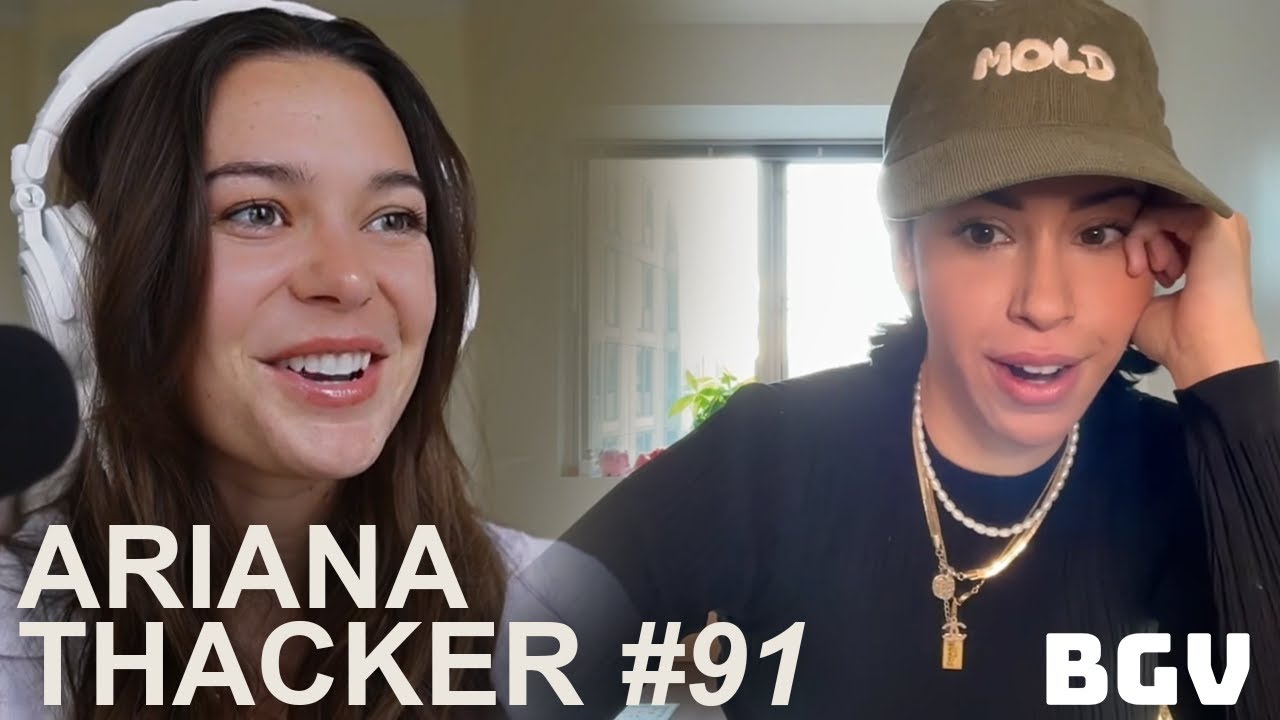
In this episode of the Seed to Harvest podcast, host Paige Finn Doherty interviews Ariana Thacker, the founder and CEO of MoldCo, about her personal journey from a VC professional to a mold‑toxicity patient and entrepreneur. Ariana recounts how she discovered an extreme mold spore count (≈35,000 spores/m³) in her Miami apartment, the ensuing health decline, and the fragmented diagnostic odyssey involving multiple specialists that yielded few answers. A pivotal moment came when she connected with leading mold‑illness expert Dr. Shoemaker, which deepened her understanding of biotoxin pathways, immune dysregulation, and neuroinflammation. Leveraging this knowledge, Ariana built MoldCo – a direct‑to‑consumer telehealth platform that streamlines a formerly 12‑step protocol into three steps, incorporates high‑signal labs, and establishes a multi‑state clinician network. The company secured a $3 million pre‑seed round (Starship, others) and is constructing R&D infrastructure, a biobank, and multi‑omics pipelines, using off‑the‑shelf AI and bioinformatics tools to accelerate discovery. The conversation also covers common misconceptions about mold, prevalence data (e.g., 50‑85% of homes/offices show dampness or water damage), the wide‑ranging symptom spectrum (cognitive deficits, fatigue, weight changes, gastrointestinal issues), and the emerging cultural awareness of mold illness. Ariana shares her personal value system—making the world better, long‑term excellence, empathy, and equanimity—and how these guide high‑stakes decisions in a nascent, high‑risk market. The episode ends with mutual reflections on reading habits and future collaborations.
Chapters
Hello everyone, and welcome back to Seed to Harvest with me, your host, Paige Finn Doherty. I'm really excited to be joined today by one of my dear friends, Ariana Thacker of MoldCo. Since we had her on the podcast a couple years ago, she's had an absolutely incredible journey that I wanted to have her on the show to share more about because I think it's really incredibly inspiring. So Ariana, welcome back to the show today.
Thank you, Paige. Excited for round 2, now wearing a different hat, so to speak.
I know, I'm absolutely obsessed with the hat. Wait, can you— okay, wait, I have like— maybe let's begin with what is the genesis for MoldCo and what is MoldCo?
Yeah, so when I was running Conscience VC, so the VC firm, I started having mysterious symptoms and those symptoms were getting worse over time. And long story short, I tied those symptoms to mold in my home, found really high, like a really high spore count of these toxic mold species in, in my home. So I was inhaling that. I work from home, um, spending a lot of time in, in my apartment in Miami, which, uh, by the way, like Florida is a very large mold state. So for those folks in Miami, you may wanna check your home for mold.
Wait, how did you discover the spore count? 'Cause that's not something I know about my apartment.
So it was a little interesting 'cause when I asked the landlord to conduct a mold inspection, they hired their own mold inspector and they didn't find any mold in the air. But then when I was, I was suspicious, so I hired my own inspector and they found close to 35,000 spores per meter cubed. And depending on who you talk to from the environmental side, anything above 500's concerning. So it was a pretty acute exposure for not even that long of a period of time. Like it was a little north of just 6 months and just being in that environment for 6 months got, got me quite sick. So it could, it could happen quickly and it really is just a function of how severe the exposure is, how long you're in the environment for, what your unique biology is. Like all of these factors get considered in the recipe of what symptoms end up being presented and how severe those symptoms are. So yeah, that's—
Yeah.
That's how we, or how I discovered it. And yeah, and it was even an even more interesting sequence of events tying it to my health issues. 'Cause I was pretty skeptical at first. I was like, how, how could mold in my home cause these problems? And like, we grow up looking at mildew as kind of this benign thing growing on, growing on the bathroom walls and—
Yeah.
Like we're, we're almost taught to dismiss it. Like it's, oh, it's growing on your food. toss the food or cut it off, or it's growing on the cheese, just cut it off. But it's, it's different when, um, you're exposed to it every single day and you're inhaling, um, this microbial stew, um, in your air. And we, we spend so much time—
yeah, outside in the water. Yeah, yeah. I think it, it would be— I, I feel like it was such an unknown problem to me before you told me about it, and then I feel like whenever, for example, when we went to a party in New York together, you were telling someone about the company that you're building and they were like, oh, I have mold in my apartment and I have this cough and the doctor is prescribing this. And, you went on to describe the exact treatment plan for it. And, I feel like the more time I spend with you, the more I understand that there are so many people affected by mold illness. Can you talk a little bit about your period of discovery? So like, we, we discussed this on the last podcast episode, but you are an engineer and a problem solver and go super deep on the problems that you see. So like, what was your process of exploring how to fix mold illness for yourself?
Yeah, at first it was pretty scattered. Like, I, I didn't really understand what was going on with my health. I went to different, uh, primary care physicians. I went to an immunologist, allergist, Pulmonologist, neurologist. I got an MRI done, got a battery of different lab tests done.
Wow.
Like just trying to understand truth of what was going on. And most of my labs showed up normal. Like I had like slightly low ferritin, but it wasn't anemia and that wouldn't justify the severity of the symptoms I was experiencing at the time. And it was a friend that tipped me off that it could be mold in my home cuz she would work at a clinic and they would actually have a lot of these patients arriving to them seeking treatment and help. And I was like, you know what, at this point I'm, I'm willing to try anything. I got over my phobia of needles to even do these like lab tests.
Yeah.
I spent all this money going to all these different doctors. I even went to like functional health specialists and started taking all these different supplements and like there was some minor improvement in symptoms, but nothing meaningful. So after that we did the home inspection, like the 2 sets of home inspections, the second one showing that there was validated mold. that I had to like hire independently. And at that point just started reading as much as I could. Like literally just would nonstop learn any moment I had, like weekends, evenings, reading these different publications, getting in touch with anyone who would understand what was going on. So that included some of the pioneers in the space and the world experts.
Mm-hmm.
And the folks that developed treatments from, from scratch and 30 years of, of research, they've done these patient studies. And a lot of this information that I found to be really valuable isn't even published. So we acquired published evidence and data to support what's going on with this illness and how effective the treatments are. But there's still, even without quite a, quite a bit of published works, even though they don't look and feel like an FDA trial, like they are legitimate patient studies that show remission of symptoms and improvements and efficacy. So.
Yeah.
Yeah, I mean, it just became really interesting and I started to use my body as like a guinea pig. Like I was just testing different things and seeing what would work. So yeah.
Yeah. And then what was your— I think you just once described him as like the Steve Jobs of mold, but can you talk a little bit about your experience meeting Dr. Shoemaker, who's one of the foremost experts on mold illness?
Yeah, our lead investor called him the Messiah of mold and I was like, wow, that's Much better. He's, I mean, he's great. I mean, he's, he's a genius. I think he's like a little spicy, a little controversial. Like he's definitely opinionated and he's just a, he's just a truth seeker. Like he's, he's looking for the best.
Wait, but how did you get in touch with him?
Oh yeah. So one of the functional health clinicians I was working with after we discovered it was a mold issue, he's like, oh, you like, this is the guy. And also he's, he's come up in my research quite a bit and I've read his publications and He knew him, so I was like, can I get an intro? Like, I'd love to meet him. So yeah. And I, I think if that intro wouldn't have happened, I probably would've done what I normally do and just like relentlessly like cold email and find a way. Like, I don't, like, I had to get in touch with him.
Yeah.
Oh yeah.
Did you, didn't you go, did you go visit him in his home and like talk about your case? Can you share a bit more about that story? I thought that was really, really cool that you did that.
Yeah. So, uh, flew out to Pocomoke, Maryland, and spent time in his, in his office, had, uh, dinner at his home. And yeah, he's just, he's just so interesting. And like, uh, the, the lead up to that is we've had, um, several calls and just like several email exchanges. And yeah, I mean, he's, he's also a friend. Like, like we were sharing poetry that we've written and stuff. Like, he's just like a— Oh my God. Yeah. Like he's like my old brother. Yeah. Or like, Yeah.
I, I feel like that's one of your unique characteristics is like you just seek out these experts or like uniquely talented individuals and become friends with them. That is a running thing that I've seen as I've like watched you grow throughout your career, which has been so cool to see the, I don't know, the fun, the fun places that it brings you. Speaking of fun places that it's brought you, you recently unveiled a $3 million pre-seed round for your new company, Moldco. I'm really excited to be participating in that and be a small part of your journey alongside Starship, who I have had the pleasure of spending some more time with recently. I would love maybe if you could share with the audience, I know there's like a lot of founders listening, kind of like how, how you pitched Moldco in like the early days.
Yeah, a lot of my friends actually tried to convince me not to do it. Like they were, I felt like I was actually about to have an intervention. Like they were very serious. Like there's no, what are the objections? Like there's no TAM here, there's no opportunity here. Like there's, you know, and they would look at it like, oh, this is, one investor framed it as downstream as a remediation market. I'm like, well then that doesn't account for renters or how big this problem is cuz it's not well quantified. And a lot of those transactions, like how's that actually getting captured and how's that market being sized? Like, If you're actually like looking for truth and digging to find answers. And I also, I went into it not wanting there to be an opportunity. Like I had this skepticism and I had this, this, I, I didn't wanna let go of the funds, you know? I, I didn't wanna let go of what was so hard to build and what took so much time and effort. And, you know, it was like 4:00 AM till pass out grinds, like, and all that rejection and, you know, effort to get something zero to one off the ground as hard as a VC firm from scratch. Like, that's really challenging. Like, I didn't wanna let go of that and like, I wanted to keep building in that space. And I like had such a strong character identification with being a fund manager and being an investor. And like, I, I think you know this, I was looking for a CEO to run.
Yeah.
Mold Pro.
For months you would like text me and be like, I'm trying to find a CEO. Like, have you met anyone that fits these specific characteristics and is experienced? Mold is like a personal problem. Yeah.
And like very few people wanted to do that. And the folks that wanted to do it were, I just didn't feel like either ideologically aligned or as obsessed, or they wanted like so much in economics that it didn't make sense either. And like that coupled with just so many people in my life, incredible people that I really respect, trying to convince me not to do it. Like, but I just kept saying, The data, I went through it personally. I, I was seeing it with my friends and even family members too. And it just became such a thing.
Yeah, I got, I just got chills. Like, I think for one of the things that is very unique about your situation is that there were so many voices telling you not to do it. I feel like sometimes people are like supportive and they're like, yeah, this is interesting. But the fact that you had like so many voices being like, do not Do not do this. And you had to really just follow your conviction into the unknown is really impressive. So yeah, maybe can you walk us through what you've built so far on the direct-to-consumer side?
Yeah, so we've built a healthcare platform that codifies this protocol that was very esoteric and complex. So we've taken the whole system of inputs, clear inclusion exclusion criteria into a simplified approach, which initially is this like very complex, like 12-step approach down to just 3 easy steps. And it's also inclusive of the labs that are high signal for mold-related illness and biotoxin illness, and also includes PCMSO structure. So we've actually set up our—
And what is that?
So we've set up our whole like clinician network tied to the parent entity. Yeah. So. We've set that up in multiple states, so it's not like borrowing clinicians through another entity, which I guess like some companies can do that with like an open loop or a wheel. Like we, we built that from scratch and we've also set up the picks and shovels for future R&D. So I, I kind of joke that we're starting with the iPhone 4 in 2024. Like, you know, there isn't a lot of funding towards mold and mold-related illness. Like that's That's changing this year. We're starting to see a pickup in that, but we're relying on what these clinician researchers and this body of evidence that's been accumulated and essentially self-funded for the last 30 years.
Wow.
We know it works, but as a company, we'll continue to innovate to be better, faster, cheaper. So we set up the R&D infrastructure to then eventually develop the iPhone 16 Pro. So we'll continue to develop that with this concept of using repurposed medications prescribed off-label for this, for this indication, which is totally overlooked by pharma and biotech and even mainstream medicine. So it's this kind of like almost renegade approach to solving for an illness that's like so overlooked and unaddressed. And we would also have opportunity to just own as well the, the IP in the space. So like having these treatments applied through a, a method of use patent or however you wanna structure it for this untapped and overlooked area of medicine. Uh-huh.
What do you think are some of the misconceptions, the common misconceptions about mold?
If I don't see it and I don't smell it, it's not there. If, if I've never had a water damage event, it's not there. I live in a new build, it's not there. Mold doesn't cause health issues. Oh, I had a remediation specialist come and it's not there. Oh, my home inspector couldn't find it. It's not there. Like there's just so many ways that water can intrude your home and it can be as minute as you have a nail head that's loose on your roof and rainfall and now it's, you have water intrusion and mold takes 24 to 48 hours to grow or lumber is left outside and— Wait, that's so fast. Yeah, it is fast.
Yeah.
And there's been like large studies, like over 12,000 homes that looked across the US, not just in these areas that have high flooding or rainfall or high Humidity, it's like looking at a pretty good sample size and 50% had dampness, mold, and water damage.
50%?
Oh yeah. And then there's other studies that showed north of 50%. There's EPA studies that showed 85% of office buildings have prior water damage and 45% of ongoing water damage. So the numbers add up quickly. But in terms of like who has symptoms, it really depends on how severe that mold issue is, how long it's been there, how long you're, you're in there, your unique biology, even your history. of exposure and toxic load. And there's just like a lot of different considerations that show that can change how you respond to your environment and how severe the symptoms are and what the symptoms end up presenting as.
What do you, what I guess, what are like the common symptoms of mold illness? Or like if someone's listening to this and they're like, this is, this is sounding a little bit too on the nose for like what is going on?
Yeah. Yeah. And I'm gonna get really specific too. It can show up as cognitive deficits. It can show up as severe brain fog. You have poor knowledge assimilation. It's like really hard to learn new tasks. Like maybe someone's speaking to you and you understand that they're speaking English, but you're not really registering what they're saying. It takes you multiple times to read an email. You can have clumps of hair coming out. You could also have unexplained weight gain or even severe weight loss. Like both ends of the spectrum are possible. You have this like push-crash phenomenon where you put in some like physical exertion and then you feel like crashing. It shows up as chronic fatigue syndrome. That's a common misdiagnosis, or even fibromyalgia. So you can have like body pains and body aches, waking up feeling drunk, having gastrointestinal issues that tends to present first.
Hmm.
So like alternating constipation and diarrhea, you could have reactivity to food. It just shows up as this multi-symptom, multi-systemic It's never just like a few symptoms. It's usually like multiple symptoms, usually at least like 13 plus symptoms. Yeah.
What is like going on in your body when mold interacts with you? Like you talked about this like primordial stew, but like what, what's going on in there? Yeah.
So here's our current understanding and we're going to be doing a lot more research in this space to better have just better resolution of what's going on, but you're in an environment, there's water damage in the building, there's various different microbial species in the air that it's not, not visible, but it doesn't mean it's not there and you're inhaling it. And those are actinobacteria, that's the mycotoxins, it's the fragments of these mycotoxins, it's beta-glucans, it's mannans. There's all these different types of microbial species in your environment. It's like an entire ecosystem. That is, is there. It's not just, it's not just like, oh, I have a black mold issue. It's probably like multiple other things in your environment that you're inhaling. So, okay, like let's say we're here at our laptop inhaling these invisible microbes and it's entering your lungs and entering your bloodstream. And then what ends up happening, this is our current understanding, is that there's innate immune system dysregulation.
Yeah.
So your first line of defense is going haywire and then that leads to a chronic inflammatory response. So multiple organs are involved, multiple systems in the body. There's, there's something called the biotoxin illness pathway if you wanna look that up, but that's the current understanding. Our—
Wait, tell me more about the, tell me more about the biotoxin illness pathway. What is that?
Yeah, so the current understanding, and we're gonna be like looking into this a lot more is that there's like HPA axis dysregulation. There's a cytokine storm that forms. This leads to like low levels of MSH in the body. It leads to high levels of TGF-beta-1, high levels of MMP-9, high levels of C4a. It also causes like your leptin receptors to be inflamed and then you develop something called leptin resistance. So our clinicians think it's tied to the obesity. Problem potentially. It can cause like such intensive neuroinflammation and even volumetric brain changes as well. Like, so that can show up as mood disorders, that can show up as some of the cognitive deficits we discussed. There's even publications tying it to autism spectrum disorder and PANS/PANDAS in children. And that's something like our clinicians have seen as well, or early onset neurodegenerative disorders.
So there's literally— your brain is swelling because your, like, immune system is going like, what is going on? And then it just, like, swells and causes a lot of challenges.
We've seen— we call it, like, brain on fire. Like, it kind of feels that way. This intense, like, state of neuroinflammation. We've seen, like, atrophy of different parts of the brain. We've seen enlarged lateral ventricles. So This is just what's currently been captured. Like, some of these, uh, clinicians have done pretty, um, intensive deep dives into their patients where they've done MRI studies and they've done something called NeuroQuant where they look at the volumetric changes of the brain. And, um, that's typically— we don't have like, like precursor MRI studies.
Yeah.
Usually, but like it's after the illness happens and then also after resolution of symptoms happen. So they're able to compare those 2 points in time. Like, I don't, we don't really have like a time zero, which is—
You don't like weigh your brain normally. Yeah.
Yeah. But there's, I do wanna caveat with like, there's so much more to learn and understand for this. And this is like where the biobank comes into, into play, like comparing those disease samples to healthy controls and seeing what shows up. And we've already started doing that analysis with RNA sequencing data and seeing what shows up and like we're tying what the clinicians have provided, this unpublished works, to what we're seeing in the literature as well. So yeah, so that's what our scientific team members are doing and putting together. Yeah.
Wait, okay, I'm so curious. I feel like AI is like the hot topic of the day. So I'm really curious, like, do you feel like AI's prevalence and increase technical abilities will help in any, any of this, or is there like an impact, if at all? No, because it seems like very complex pathways, um, and like predictive models perhaps. I don't know.
Yeah, so we're using some of these off-the-shelf tools, like, like why reinvent the wheel? And that enables us to move so much faster without having to build that in-house. Like that's how we're able to have like what seems like to be such a complex machine being built. Like, on top of that, multi-omics has really come down the cost curve quite a bit, so we can obtain the data on these samples at a very low cost. There's like bioinformatics software that's quite great that's off the shelf, so we're using that. There's just so many more tools available that helps expedite this. And even on the telehealth front, like, there's a whole deluge of different software solutions. So now I think it's not trivial, but it's not overly complex now to build a healthcare platform. So like we're able to just leverage what's there in a very like creative way and move quickly. And with like, frankly, like very little capital, we were able to accomplish all these things. And it was just by nature of us like finding creative solutions and stitching it together, but also like finding an opportunity quite early and locking in the key players exclusively and locking in a lot of this IP before it became a hot area.
Yeah.
And I, I think there'll be like a, you know, a thousand different mold codes. Like, I, I think it's like that. I think it'll become that kind of opportunity. And how, how could it not? Like, it is such a, um, large issue. Whoa.
Yeah. What you mentioned that it's getting more like mainstream attention. Can you talk about like what you're seeing from your perspective? 'Cause you've, when did you start looking into it?
When I got sick and identified it was a mold issue. So this is like, Around September of 2022. Yeah.
Wait, so how have, how have you seen the mold space change since September of 2022?
There's been just so many more content creators and YouTube videos and podcasts and celebrity, celebrities speaking out. Like Tori Spelling's been very vocal. Jordan Peterson interviewed a couple of our team members calling mold worse than asbestos. There's this HBO show called The Regime with Kate Winslet. Where it was like really focused on her mold paranoia. There was a show called Maid on Netflix that emphasized her daughter having health issues in response to mold. Like I've seen it come up in more of these shows. It's been coming up in conversations, uh, more and more often. So it finally like exited the heterodoxy and entered the mainstream, I feel, as of this year, which like emphasizes our why now. And I think it was just like, not that that was so intentional, it was just like as fast as we can move and build a platform and launch, like it just happened to line up. With that.
Yeah, it's really incredible. I also like, I would be so curious to see what the research is on the link between like autism as well, because I feel like there's been like really dramatic increases in the rates of it. So I don't, I don't know enough about the research to like speak on it, but I'd be really interested to see if that is like contributing meaningfully.
Yeah, I think it's a really interesting question. And a lot of this stuff is a bit of a black box. Like, like, you know, the questions haven't even been really asked so broadly, and there's still a lot more research to do. So like, as a company, I want us to also stay in humility and make grounded claims for things that we know and things that we're exploring and like communicate confidence levels and, you know, be transparent.
Yeah.
And all of that. Like, I, I think it's important and also involve the broader ecosystem. So we've been very collaborative. We've been working with these other companies also in the mold space. We haven't met anyone in the healthcare space yet. It's all been on the like inspection and environmental side and building community and helping identify mold environments before you relocate, which is a, a tough problem. Like, uh, the, the environmental side is almost more challenging than maybe the healthcare side, because at least with the healthcare side, we have this, like, this body of research and data and something that we've seen work and be effective in patients in these studies and working with these clinicians. So, like, at least there's that. Like, on the health— on the environmental side, I think it's still— yeah, there's still a lot of innovation that needs to happen.
I like that you said that you were, like, being transparent about your levels of confidence since there is, like, a wide range of research and some of it is like just earlier on in like clinical validation, but still can be very valid in helping people. I would be curious to understand like how, what is your personal value system and how do you feel like that impacts the company that you're building?
Yeah, I write, I have this on my whiteboard, like I'm determined to make the world a better place. Like, Yeah. So that's been the North Star. Like, I think it's easy to get tripped up with like other things beyond that. Like, you know, it's like, oh, like what matters is XYZ investors are on board, or this is, uh, public perception, or, um, getting into ABC Group. I don't know, like whatever pulls people into these different things. But, um, like this hasn't been so easy. Like we didn't, Like, face a lot of, like, I faced a lot of, like, personal rejection from, like, even the people closest in my life. And, like, there is, like, a range from curiosity to confusion to all sorts of different emotions coming up. Like, oh, why wouldn't you raise another fund? Like, you know, you did all these things to, to make that happen. Like, building a company is so high risk. Like, why would you put your eggs in this one basket? Like, how do you know there's an opportunity here? Like, I, I think when you're doing something Kind of like odd. Like it, it causes people to comment and feel like they need to get involved. But this is like, I don't know, like this is like, this is, yeah, yeah, I'm, I'm having fun. Like it's intense, it's hard. Like in many ways it's, it's harder than Conscience, but like it's, I'm here for it. Yeah. Wow.
So, so it sounds like I wanna make the world a better place is like a very core element of it. Are there like other values that impact like how you make decisions day to day?
Yeah, I feel like that this, okay, so like the space of decisions I have to make in this company, which isn't in a vacuum, like I, there's a really talented team and advisors that I work with. Like these are much more complicated than the decisions I was making out of the funds where it was like kind of constrained to like, especially with early stage startups, like there's only so much data you can evaluate and You go through your process and you get used to that process and it kind of is like streamlined thing. And in a way it's, it's kind of low stakes. Like you have many shots on goal. It's not your company, like you're, it's especially the check sizes that I was writing, like it, like the, so I guess like comparing and contrasting that, like the, the level of complexity and how high stakes things are and the level of risk we're taking and weighting that against other decisions too is much harder. And there's also just like, One-of-one kind of solutions in this space that are, I think, like actually worth building a business around. So there was many points in the journey where I was just like, oh, this, this has, and it's still early in the journey. Like it's been like, what, 2 years? But like, you know, this had to happen. So it was just like, like it took me like 12 months to close this very complex IP agreement cuz it, it had to happen. And there were multiple points where it could have just like fell through. And in the 11th hour, it almost did.
Yeah.
That's so true. So it's, I think it's also like being obsessed with finding the right solution and comparing it to what else is out there and making sure it's structured in the right way. And also having win-win solutions too, like not being so shortsighted. Like, cuz these are really long relationships as well. I, I mean, there's, there's so many things that go into like making a good decision and it's not, it's never perfect either. Like there's also information you end up missing and then you kick yourself and you're like, ugh. How did I not see this one thing? Or like, there's, or maybe there's a more straightforward, simpler way to get something done. It's just like, oh, well, I was like overworked and then like overcomplicating it. And then I missed the simple solution too. And then like that, that can also be how I'm kicking myself. I don't know. Like it shows up in all these different ways.
Yeah. Yeah. Oh, that is really interesting. Yeah, we did. I had like an offsite with our team last week and we were going through like our values. And it was interesting because I feel like I've had like an implicit understanding of our value system, but I hadn't codified it. So I was, yeah, I was curious to hear more how you think about it.
So that's really cool. What's yours? Can you?
Yeah, sure. I can share. Yeah. So the first is empathy in everything. That is like one of our core tenets. So whenever I or my team is making a decision, we really want to put ourselves in like the person on the other side of the table's shoes and try and understand the situation as much as we can and make decisions that benefit those long-term relationships. I think that it's very easy to fall into a trap of making decisions that are better in the short term. But I think venture, one of my favorite things about it is like very long-term game. So you may be like leaving money on the table in the short term, but in the long term, like those relationships will compound and pay you back. And then the second is is staying disciplined in the pursuit of long-term excellence, which I love. Like, I think it's gone into how we do portfolio construction. Like, we're very ownership-oriented and want to have like consistent checks across the portfolio so we can kind of like constrain the variables and understand like what is driving the excellence in the portfolio. I think about this like operationally, like getting our like taxes, financials, like working with gold standard service providers has been Important, and then looking for entrepreneurs who are also striving for that excellence. I think like I resonate most with people like that is yeah. Why would you not try and do something to the best of your abilities? And then the third, which is my favorite actually, Andy on our team came up with this. We were we had we had taken like an Air One bag. We got lunch at Air One. We like took the didn't have a whiteboard, so we took the bag apart and were like scribbling on it, trying to like figure things out, and then. We were like peace of mind, like strength and peace. Like there's this element of making decisions that are difficult to— I don't know, like in The Art of Gathering, Priya Parker has this thing like boundaries are what make a great gathering. Like it's really important to set your boundaries on what you are and aren't okay with. So there's this word that Andy said, which is equanimity, and it's basically like maintaining a, or striving for a balanced mind in challenging situations. So bringing like a sense of presence, whether things are going really well or really poorly, which I feel like happens a lot in startup world. So those are the 3 that we codified last week. I'm very excited about that.
That's really cool. Yeah, that's so interesting. I think the balance piece is so important, ironically, but I'm really I think one of them's sort of been, but like, well, like things out of balance, like you're going to have resistance and you're going to feel that dysregulation is going to show up as like conflict or things that just don't land quite right or something, right? Like things want to go back to order.
Yeah, wait, this is, this is one of my favorite things to talk with you about because I feel like you've gone through such an interesting journey personally. I'm curious. Okay, wait, can you share the concept? We talked about this when We're in New York, but basically like there's the reality and then there's like different ways of viewing it. Can you walk through that? Oh yeah.
I mean, yeah, I, I think like the same event could happen to like, you know, multiple people and then they view it completely differently. And it just depends on your wiring and your history of, uh, events that led to that point. Like you can perceive someone as being like, um, oh, that person is very like confident and secure in themselves. And someone else would be like, oh, that person's like really high ego and They turn me off. And you know what I mean? It's just like, so which one's true? Like, they're both kind of true, like, depending on how they're viewing it, but like, which one's more right and which one leads to more harmony and understanding and love and like a positive outcome is also a different question. So I think this also ties to your values question. And yeah, and it's just interesting, like, same with an investor looking at a company, like, they can have 2 different assessments of of what that company is. Like, one can see the value and the opportunity, and the other one could just like completely dismiss it. And, and time will tell, but at the same time, like, maybe the opportunity was true, but it was like the wrong founder to do it, or it was the wrong timing.
Mm-hmm.
Or the wrong, like, approach. Like, maybe like a more B2B versus C2C approach would've made more sense, right? Like, so I, like, I think it's hard to, to find, to find answers, and it takes like a lot of curiosity and time and peeling back the layers to really get to it. And also understanding Like who that person is and being able to read them. And I don't like— yeah. Does that answer the question?
Yeah, absolutely. I just like, it was a very like visual thing that you had explained to me is like, here is the reality and then here is our spiral up and we can like view situations like this that lead us through love or we can like spiral down and like build out this thing that's like way more negative than Oh yeah, it actually is.
Yeah. Yeah. Oh, actually, okay. Now I, now I get what you were saying. We talked about so much that it was just like, it was like, oh yeah, yeah, yeah. Yeah. So I think it's like being able to turn, I, I guess it's kind of like the mold experience, right? Like I was like in intensive victimhood and then I found, I felt myself like spiraling downwards versus like, I, there was a moment where I was like deciding to ask the question like, okay, no, how's this for me? And then I just started like Having a more positive outlook for it. And then I was just like, oh, well, it's really interesting. I'm experiencing XYZ because then it helps with future servicing of patients. 'Cause then I understand the problem at a level someone else may not be able to, or they didn't capture those insights when they were going through their journey. So I actually have like a really intensive epiphanies document that's now over 80 pages of all the different things I was like thinking and feeling and experiencing and solutions I looked at when I was going through this. journey. And that, that only became born out of this concept of trying to understand how this informed me versus being in such victimhood. Because there was like a point where I was just like in bed. I'm like, well, okay, here's my life now. I'm just gonna be sick. I guess I have to find like a job that supports my illness. I guess there's no answers here. The doctors think like this isn't real, but I know it's real, but I'm having all these symptoms, but maybe it's not real and it's all in my head. I guess like this is my— This is my really shitty life now. Like, so I was just like, ugh, I didn't wanna stay there, you know? It was like sad and, uh, frustrating and like a life wasted. So I was just trying to rewire and think of more positive ways and go up in this like positive spiral. So yeah, now, now I understand what you're asking.
Yeah. Yeah. I, I, I really, I really love that. So I guess we're coming to the close of our recording session today. What, do you have any questions for me? Anything you're curious about?
Yeah, I'm, I'm curious what you're reading and what you're thinking, what you're, what you're processing, like what's, what's top of mind for you?
That's a really good question. I feel like I oscillate between like a deep learning book and then just like an interesting random read. I really like making like disparate connections. So I find like having a very diverse reading is good. So I just finished this book called Going Sane in San Francisco. I was in Venice for our site. And I walked up to like a free book library and I saw this book and I was like, oh, that's super interesting. Because I moved to SF in May and I've read like a few books that are set in SF, but this one is about the brother of the founder of Beach Blanket Babylon, which was one of like the largest theater productions in SF. And it's like this crazy tale of their family's life growing up. And like there's to see and love and like, like it was fascinating. I think I finished it on the airplane back and I was just like glued to every page. So that was really interesting. And then I'm starting Blood Meridian by Cormac McCarthy, which I think I saw like a quote on Twitter and I thought it'd be really interesting to read. And then after I ordered it and read the Wikipedia description, I was like, this is— pretty intense. Like, it is like a very intense— it's The Evening Redness in the West. So it'll be an intense read, but I'm pretty excited. I feel like I usually read a lot of like romance books, so this is very different.
Yeah.
But that's— and what have I been thinking about? I think closing out the year strong and like starting my reflections on what this year has brought to me. It's been like a big change moving to SF, and I'm feeling, you know, just like very much more settled in than I was because I feel like I got here and I was in a state of like shock. I was like, oh my gosh, this is so different than San Diego. So I'm feeling like, yeah, nice and settled thinking about interior design.
Cool. But yeah, wow, it's so, so varied. Like there's— yeah, yeah, it's cool.
Yeah, yes, that's That's what I've been up to. Anyways, if you don't have any more questions, I think we can wrap up. Well, Ariana, it was a pleasure to have you on for this second returning episode. And I'm wishing you all the success. And I, yeah, I just, I so love spending time with you. And I'm excited for more fun hangs across, across the world. We've seen each other in like SF and New York. And I guess we saw each other in SF before. And then Maybe LA, I don't know, but I'm excited to see more of you.
The same. This is so much fun. Thank you for having me for round 2. And yeah, uh, I'm sure more to come, so thank you for the time.
Yes.
Yay.
More from Paige



Paige of Behind Genius driving an AI electric train in St. Louis (Intramotev Visit)





