In this YouTube video, presenter Polly Barnfield (OBE) showcases Bradford vintage shop Mean Old Scene to illustrate how a casual, locally‑flavoured tone of voice on social media can attract and engage nearby vintage‑loving customers. She explains that using regional greetings (e.g., “ey up”), personal storytelling from staff, and in‑store visual posts creates an authentic, human connection that feels less corporate and more community‑centric. The video then demonstrates a competitor‑analytics dashboard that lets a business compare its own posts, ads, posting frequency, hashtags, sentiment, engagement rates, influencer mentions, and ad spend against a chosen rival (e.g., another vintage store). By reviewing these metrics, owners can spot what works, adjust messaging, and stay true to their roots, ultimately driving foot traffic and sales for a local boutique.
Chapters
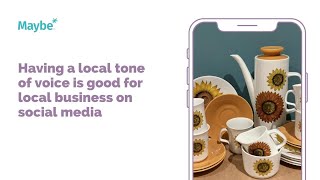
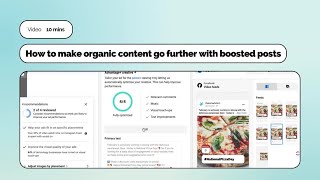
Today we're with one of Bradford's Green street pioneers, Mean old scene. And we're looking at how having a local tone of voice and social media is much more engaging when you're a local business. Main old scene is a Bradford based vintage shop that also sells affordable art from local artists, clothing, homeware and furniture. They love to use pre loved items and give these to new homes who will enjoy them as well. Which as we well know is excellent for the environment and as well as for our pockets. Now what is great about them is actually a few things but I really wanted to focus on their casual tone of voice. Now the casual voice here really, really works and connects you with the place and connects you with the owner and the team members here. So here you can see ey up. Which is obviously much more local tone of voice than I'd be able to pull off. But you can also. So you've kind of got that local tone of voice here in the language that's used. Then you've got the personal approach is the team member and then you've got that mixed with them holding it up in the actual store which again links you back to this, which is Bradford. You feel very local, it feels very part of it. So they've then got that personal atmosphere. Now a personal atmosphere plus then a sales post which kind of is a sales post but it doesn't feel like one because it all works together to draw you in. So you know you've kind of got the. This is how much things are, this is what we've got left. These are all the sizes and then you can zoom and you can show all the different items that are there. Now what this does is it makes you realize that being all corporate and super branded simply doesn't work for a business like this because it's all about attracting a certain type of vintage loving customer who lives in the local area into their store. So stay authentic on social media where you can and true to your roots as people much prefer the human element when it comes to tone of voice on social. If I was mean old scene I might want to look at what my nearest competitor was doing. So maybe another vintage store in another city or even one in my local area. So I would go into the maybe dashboards and then here you can actually change who your competitor is. Now you've got one competitor for free forever. So I might look at vintage and just see what pops up. There you go. Unique vintage. Now this could be anywhere but let's give them a go and then what this does is this compares. This would compare me. This was me rodzine to another vintage shop. So this would be them. This would be my best post versus their best post. Again, just giving you a bit of inspiration. What's working, what's not. I can even go in and see their ads if I want to. I can see how often they're posting, when they're posting, where they're posting. I can see their stats versus my stats. I can see what's working for them. You can look at how much their engagement rate is going up and down. Why did it go down here? Why is it up here versus your own? You can look at their most used hashtags. You can look at how people feel about them versus how people feel about you. You can look at who's got influence in their conversation. Is it artists? Is it other vintage lovers, Is it journalists? Who is it? And then why do you not have the same ones? Is it ones that you could, for example? And then it's looking at what people are saying about you versus what people are saying about them. Try and get a bit of an understanding over whether your messaging is hitting versus theirs. And then you can look at ad spend as well. Now as always, if you get any questions whatsoever on the platform, drop a little message in the little blue button. We love to help.