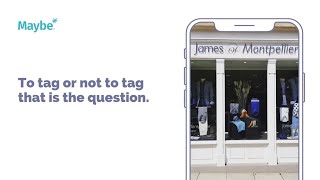
In this tutorial, the presenter demonstrates how James of Montpellier, a premium men’s fashion shop in Cheltenham, leverages Facebook hashtags to make their posts searchable and increase visibility. The video explains that, since 2020, Facebook hashtags function like those on other platforms, allowing posts to appear in search results when users query the tagged terms. The presenter highlights the effective hashtag mix used by James of Montpellier—combining place tags (e.g., #Cheltenham, #local), sector tags (e.g., #mensclothing, #shop), and topic tags (e.g., #windowdisplay) – typically two to three hashtags per post. The tutorial also stresses the importance of engaging in the conversations those hashtags generate, replying to comments and mentions, and monitoring relevant feeds. The Mavis platform is showcased as a tool for aggregating comments, mentions, and hashtag‑based conversations across Facebook, Instagram, and Twitter, allowing businesses to engage with local, sector, and topic discussions from a single dashboard. The video concludes with a call‑to‑action to use the on‑screen support button and search bar for further resources.
Chapters
We're going to check out how James of Montpellier effectively use hashtags to make their content searchable on Facebook. If you have any questions, please use the blue button inside Mavis. It connects you to us all 247 and we love to help. So this is James and Montpellier's Facebook feed. James and Montpellier are a premium men's fashion destination in Cheltenham. Now on Facebook, hashtags, until probably about 2020 didn't really do much and they probably made your posts look a bit spammy. But not since 2020. And James and Pompeo have taken full advantage of this. So a hashtag now works in exactly the same way as it does on other feeds. So what it effectively means is if you include hashtags in your post, your posts appear if someone searches for that term. And I think what James and Montpellier do particularly well is they include the right mix of hashtags in their content. So the one that we would always say to include and they do that is your place. But then also what is your post actually about and who are you as a business? So they've included shop, local, Cheltenham business, Cheltenham, obviously men's clothing, but then window display, because that's actually what the picture is of. So it's a great mix just there and obviously any of that content. So if someone searches for Cheltenham, obviously James of Montpelier's post will appear. Similarly, if they search for any of these other terms, it will actually appear in that content mix too. So it's a great mix of hashtags that they actually use. And again, if we look at some of the other posts, it's a similar mix. So they've got their place and they've obviously got what the post is actually about. So if someone was looking for content like this, they might search for the tags, they might want to see what's on offer in the place, or they might search for one of these terms just here. But either way that post would actually appear when someone actually searches for that. So they do an absolutely great job there. And obviously on Facebook it's not something that everybody does in their posts and that's why I think their feed stands out. So obviously they've got eye catching images, they've got some great copy to go with it. So they obviously are telling you what the post is actually about. But then it's the use of hashtags that really does make that stand out and they do that consistently and that obviously makes their posts searchable. So if someone is searching for those terms, they will find their content so it's a great job. So what can we learn? Absolutely. On Facebook ad, local hashtags plus sector hashtags to your content and obviously the topic of what your post is about. That's the three ones to always consider. Place, sector and topic. On Facebook, we would say maybe two to three hashtags. You know, if you include place, sector and topic, you can't go far wrong. But obviously then make sure you engage in those conversations too. So obviously, if your content is part of, for example, the Cheltenham conversation, that's also a conversation that you should be engaging with as a business. So wherever your place actually is, or whatever your sector actually is, they are conversations that you should engage with as a business too. So let me show you how maybe can help you with this. Well, if you go into maybe your maybe platform under engagement, first of all, under comments and mentions, you can engage with anyone that comments on your posts and anyone that mentions you. And that's obviously really important because if someone actually comments or mentions you so takes the time to engage with you, it's really important to obviously engage back. But then under engage, you can actually add in your place conversation as a hashtag, you can add in your sector and you can add in sort of all of the different things that you actually offer as a business. So any terms that are relevant to your business, you can actually add that in as a conversation and collate those into groups in your platform to engage all from one place. But also what you can do is you can actually add other feeds that are relevant, so that might be brands that you aspire to in your sector or other local businesses, and you can add them as groups. Groups. So you can engage with all of them from here, but across Twitter, Facebook and Instagram. So multiple platforms, multiple hashtags, multiple feeds, all from one place. So it really allows you to make sure that you are part of all of the right conversations online, all from one platform and all from one feed. So I hope that's been useful. If you have any questions, use this blue button in the bottom right. That's how you connect to us 24 7. And if you've got any interest in finding out more about any of the topics talked about on this particular video, like hashtags or images, then use the search bar below and you'll find other videos on that topic and I'll see you on another video soon.