In this coaching monologue, Master Certified Coach Rae Chois explains how to shift emotional states using the B.A.B.E. (Above‑the‑line, Below‑the‑line, etc.) framework and introduces the RIDART formula (Rapport, Invitation, Dialogue, Agreement, Respect, Trust) as a six‑stage model for building deep trust in relationships. She shares a vivid personal story about receiving a shocking text that plunged her to a -11 “below‑the‑line” state, how she allowed herself to sit in the pain, breathed, and, with the help of a supportive friend, moved back up to the line and slightly above it within about 22 minutes. The narrative illustrates the resistance to change that keeps people stuck in victim mode, and how adopting dissatisfaction with the current state, a clear vision, and first‑step actions can break that pattern. Chois then outlines each RIDART stage, linking it to the B.A.B.E. lens to help listeners assess whether they are operating above or below the line during interactions. She invites viewers to apply both models to their own relationships—identifying where they are in rapport, extending invitations, engaging in dialogue, reaching agreement, fostering respect, and ultimately cultivating trust. The talk is conversational, instructional, and optimistic, encouraging listeners that if she can shift her state, anyone can, and that practicing these tools leads to “miracle energy” and more supportive life experiences.
Chapters
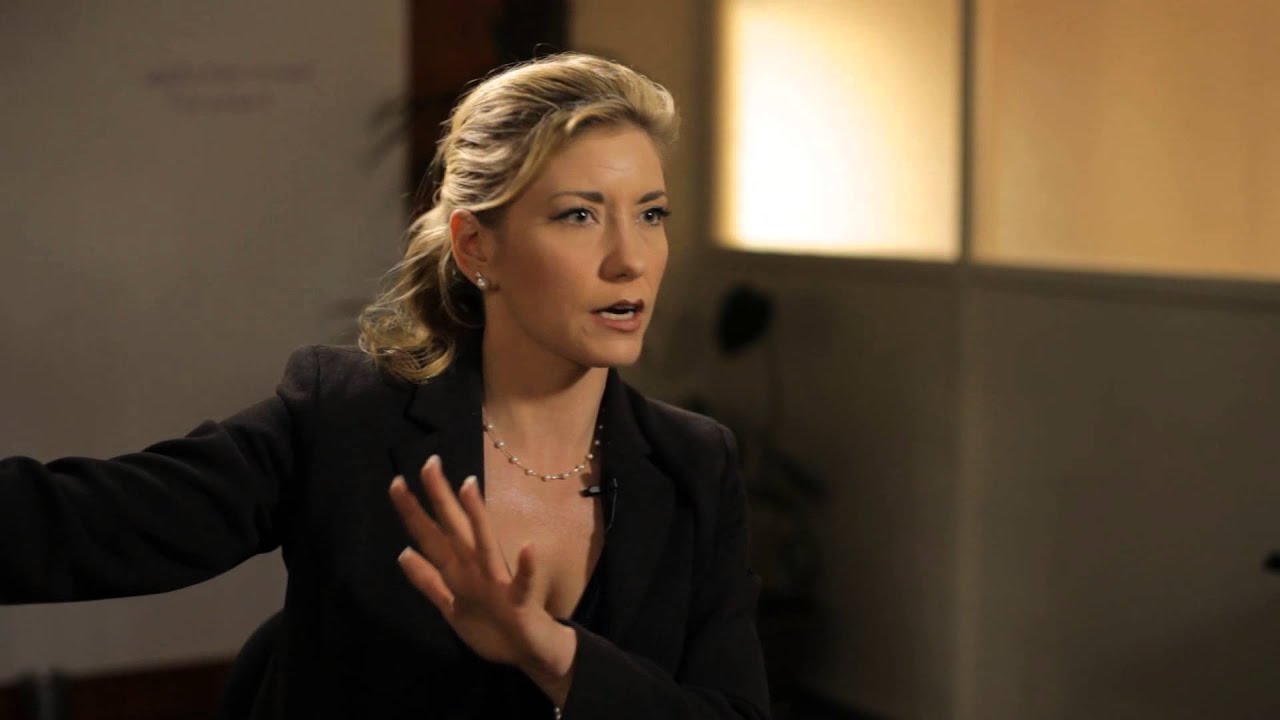
Welcome back everyone. This is Rae Chois, Master Certified Coach, Professional Coach Trainer, and creator of this free video series for you. Now, I'm so excited because you guys have been talking a lot about the BABE Formula, and you've been living your life above the line and noticing the moments where you're below the line. And I've caught myself a number of times this week being way below the line, and moments where I was above the line and how great it felt, and how there was the giving of love outside of me, and how I could receive it better when I was above the line rather than below the line. And I actually just I just this week had a pretty horrific situation where, just to be totally transparent, I got a text message I wasn't expecting. And as I received that, it was a request for love, but it was packaged in quite a way that I, you know, was like, oh my gosh, I just didn't expect it. And it sent me way below the line. And what was really interesting is to notice, here I am way below the line, like I'm talking -11. Like I was shocked, I was traumatized, I was like— Oh my gosh. I couldn't breathe. It was like, I can't believe this person just said this to me in that way, and it has this outcome for my life. And there were a lot of variables included in it. And it was interesting to notice that when you're way below the line, there's a part of you that can kind of watch, right? And just observe and notice that you really do have a choice in that moment. So I stayed in the pain and I kind of rocked it like it was a baby. Like, I didn't try to change it right away. I knew that I was way below the line. I just kind of Sat there and started to breathe because I actually cut off my breathing. I mean, I was just completely like, wow, I can't believe he said that to me. Like, that's amazing. Nobody's ever said something so harsh to me. And I was like, wow. And so I sat there for a moment and breathed and kind of rocked it. And luckily I had a really dear friend ask me some really powerful questions. And through his listening and through the rapport of that moment, I gently started to get up to the line. And then I noticed that I was above the line, and suddenly I realized, wow, I've got choices here. Okay, I actually don't need to be a victim to this situation. I can take action in a new way. It was a project that had, you know, all of a sudden been swept away from me, and I had created all this stuff. You know, there's all this storyline, right? Story, story, story. But when I got myself to the line and a little bit above, even just a little bit above, I started placing some phone calls, and life started to fall into play. Like, this happens, and this happens, and this happens, and— I'm like, oh my God, the universe is so in my corner when I'm above the line. So know that as you continue to practice with this stuff, you'll be able to get yourself to the line and above sooner. And for me, I think it was about 22 minutes, and it was a hellish below the line. I mean, I'm really like, I was really below the line. Like, I didn't burst into tears or anything because I was so traumatized I just couldn't even breathe. I was stunned. You know, but then gently— and this is where relationship is so supportive, right? When you've got a partner who understands the line, and my friend does, he was like, where are you in relationship to the line? I'm like, I'm rock bottom. He let me sit in my pain. I slowly started to lift, got to the line, got a little bit above the line, and then life totally supported me. You have no idea. The next 24 hours, things just fell into play, and actually it's one of the reasons why I'm in front of you right now. So this is really miracle energy, and there's a whole story. I don't need to explain the story, but I was able to get myself above the line. And in life, we can resist. We can resist change, you know. We can resist doing the work to get ourselves above the line because we're so habituated in being below the line and being a victim. And Dick Beckhard, if you remember, said, look, you've got to get dissatisfied with your current state. Have a vision for what's possible and know your first steps. And actually, that's exactly what I did. In the, in the moment that I was way below the line at a -11, I was resisting change. I just wanted to pack up and say, forget it, and go play victim, right? 22 minutes of horror below the line where I just went into total victim identification. I was absolutely telling some crazy story about how I'm a loser and nobody wants to play with me and all this kind of stuff. Really, I was doing this inside of myself and then gently got myself there because I said, I'm dissatisfied with my current state. I know that who I am is way more than this moment, and I'm gonna start to take action. And it overcame my resistance. Really beautiful experience to watch these models in action in your own life, and you will learn them and you will master them. If I can do it, okay, if I can do it, you can do it, anybody can do it. So let's now go further. I wanna share with you something that my mentor, Dr. Marilyn Atkinson, shared with me, and it's called the RIDART formula, and it is the stages to trust. Okay, so what are the stages that get us to a place where there's deep, profound trust and we know that we can count on somebody and somebody can count on us? Right, shall we look at that now? Let's do it. Okay, so the RIDART formula, the stages of trust. We gotta start with the big R, which means Rapport. Right? We need to notice what's happening in the outer world and notice what we're attracted to and not attracted to. And of course, if we're attracted to it, and especially if it brings us light energy, it feels good, we start to build rapport with that experience, right? And let's just suppose it's another person. You can get into that lovely kind of flowing state, and once you're there and you kind of feel it, it's like, wow, this person is like me and I'm like them. Then there's that invitation. It's like, hey, want to come play with me? Why don't we go for coffee? Why don't you join my mastermind? Mastermind group? Why don't we write a book together? Why don't we have some sort of a joint venture? Right? There's this invitation. And then as this invitation is, you know, kind of expressing itself, there's a dialogue. Right? And of course, this is where the B.A.B.E. formula is so handy, because you want to know, am I above the line? Am I below the line? You know, is this person giving love, or are they constantly requesting love? And is this person always below the line and requesting love, and can I put up with that? You know, So this tool, it's not something that you go out and judge the outer world by, but you can notice how you feel inside of yourself, right? Of course, we all want a life where it's easy to be around somebody. We dialogue in such a way that we can be above the line even if we're disagreeing, right? That's a great relationship. Because once there's dialogue and there's agreement, meaning you can agree to disagree, You've got a really strong platform. Okay, when there is absolute appreciation, even when there's disagreement, you're headed towards trust. That's a pretty place, pretty safe space to hang out. Pretty place and a pretty, pretty safe place to hang out, right? So then what's next after we get that agreement? We've got another R. Naturally, there's a state of total respect. Total respect. And then eventually The big T word, the one that we all want, that state of trust. Big T for trust. Now I just invite you to consider, how does this RIDART formula relate to your own life? You know, think of those relationships where, you know, maybe you're just beginning rapport and you're daring to invite that person for coffee or to invite them to your home for dinner. Maybe you're already deep in dialogue and you're wondering, hey, should I actually work with this person? Is this, is this really what's right for me? Notice how it feels. Notice the BAPE formula in action. Notice who you're being in that dialogue, right? And then notice what you can agree on and what you allow the space to disagree on. How much respect is there in the space? And then ultimately, how much Trust. So just notice this formula. I just invite you to consider all of your relationships and where might you need to expand into to take that relationship to the next level. So hopefully this is useful for you. Keep pondering, how does this relate to the B.A.B.E. formula and how can I live it in my perfect way? So until next time, be well, be in light, and our paths will cross in the next video.