The Truth About Posting “Bad” Content..
6 Aug 2026 · 1 min
1:00
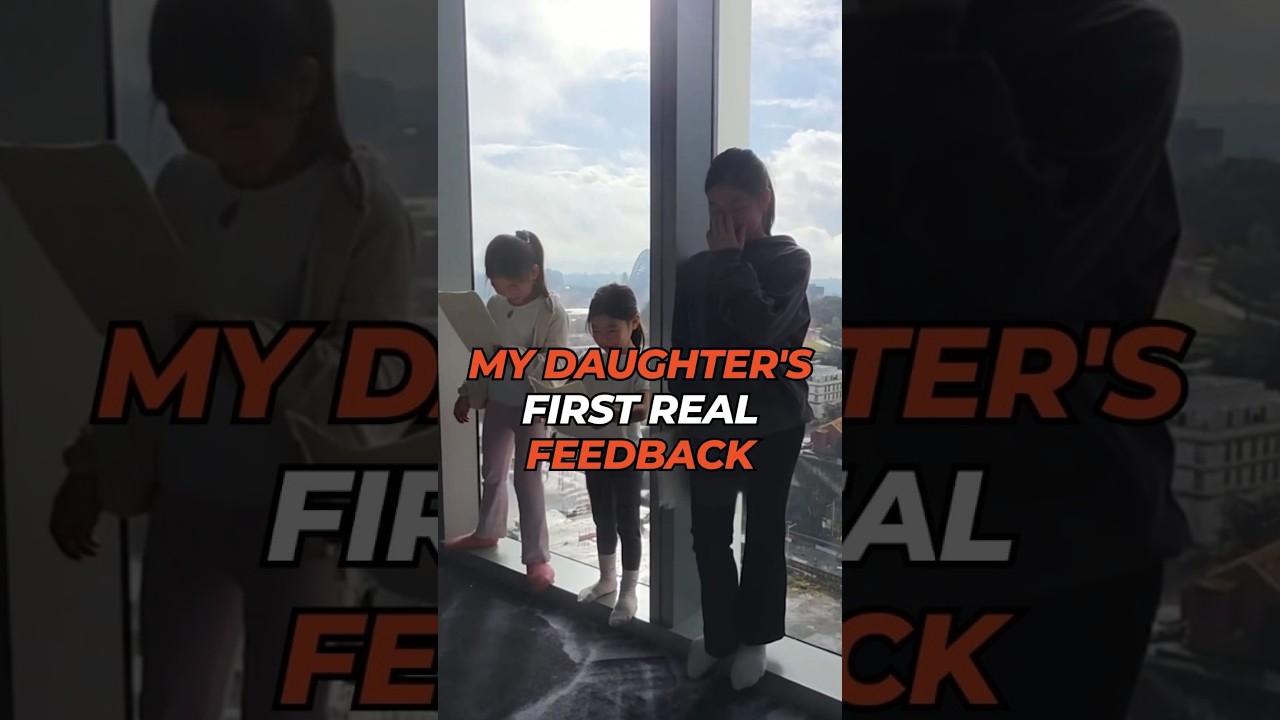
Richmond Dinh's daughter refused to post a homemade play video, worried it was too low-quality. Dinh argues the algorithm filters out genuinely bad content anyway, so creators should post constantly and treat each video as practice data. Only you know if something's actually bad.
Chapters
More from Richmond

youtube.com
How To Get Your First Coaching Client Without Posting Content (Day 5/5 of The First Kiss Challenge)
3d ago

youtube.com
How To Get Your First Paying Client Without Posting Content (Day 4/5 of The First Kiss Challenge)
1w ago



youtube.com
How To Get Your First Coaching Client Without Posting Content (Day 3/5 of The First Kiss Challenge)
2w ago




See all content
