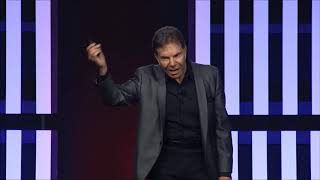
Robert Cialdini explains persuasion as moving people to say yes without changing what you're asking. He presents six universal principles split two ways: three that strengthen relationships between you and the other person, three that reduce their uncertainty.
Environment that in the history of our planet because there's so much change. Well, the answer is persuasion. So I should define persuasion for you, right? For me, it's the ability to move people in your direction, to increase the.
Probability that they will say yes to a request or a proposal or a.
Recommendation that you make to them without.
Changing the merits.
Of what you are.
Offering one bit, but only changing the way you present the merits of your case. I'm not talking about presenting a meritless case. You wouldn't be in this room if.
You had a meritless case to make.
You have strong cases.
But here's the question.
How do you optimize the delivery of your case?
That's what social psychologists like myself have.
Been studying for over 50 years now. I want to report to you on what we've found in my research.
There are six universal principles of persuasion.
That if one or another is included in a message, you significantly increase the.
Probability of ascent to that message.
The same thing that you're offering.
You say it this way and this.
Many people say yes.
You say it this way and this.
Many people say yes to it.
So that's what we want to talk about.
What are those principles?
Here they are.
Six of them.
Notice that I've put them in two.
Separate columns, because the principles on the.
Left.
Generate yes by building and strengthening.
Relationships between the person who is making.
The request and the recipient of it.
The other three.
Get to yes by.
Reducing uncertainty on the part of the resuit. And this recommendation that this individual is more often every time.