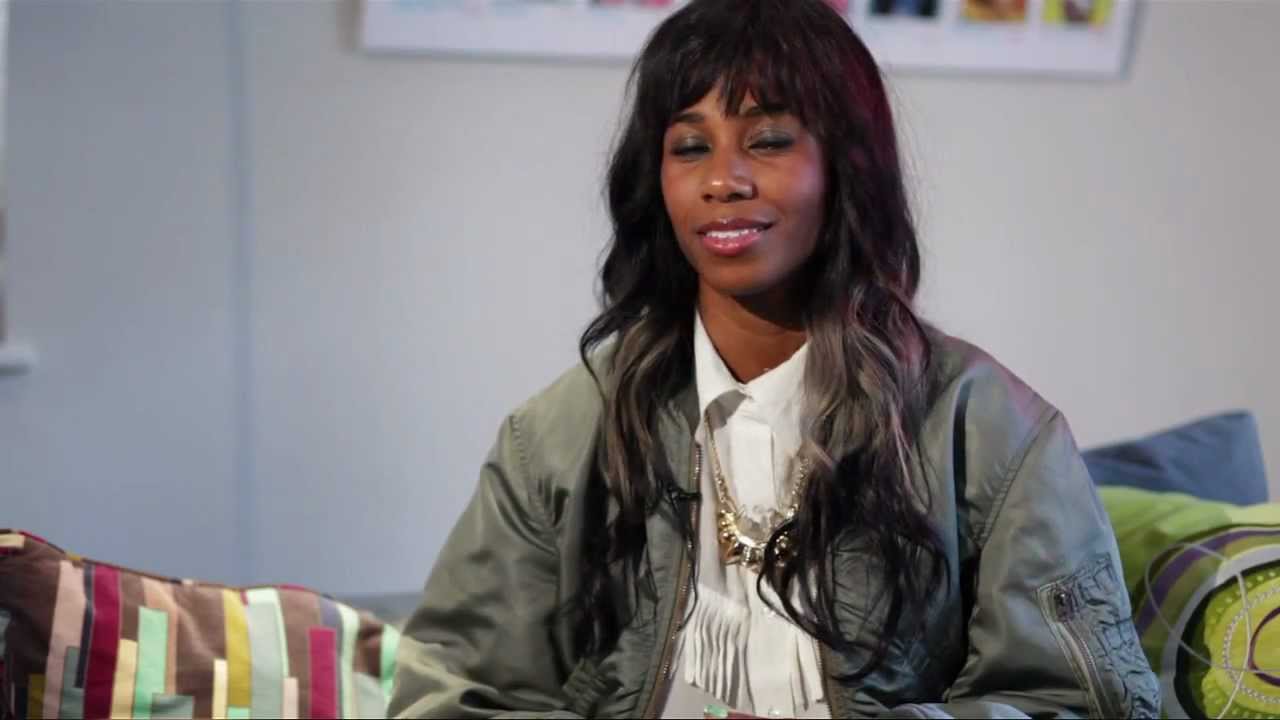
Santigold talks about building immersive live shows with costumes and choreography, recording part of Master of My Make Believe on a Jamaican speedboat, and how seeing Fela Kuti at seven shaped her approach to performance and music.
Chapters
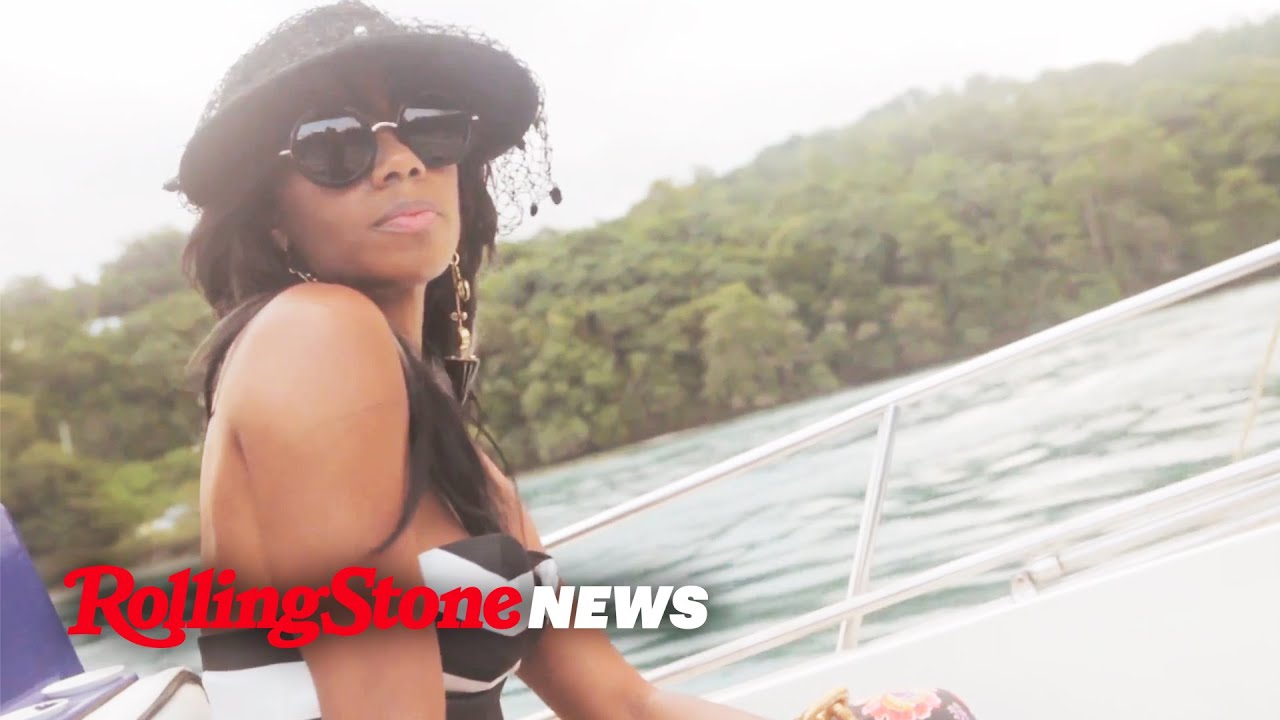
I guess first of all, I don't think most new artists tour for 2 years, but I really— it was important for me to just, you know, if there was a demand for me to go and like play, I wanted to. I wanted to really secure a firm fan base, you know. I think that's really important, and I want to do that, and then And then also, you know, you have to give yourself time to grow as an artist so that you can have something new to say and so that your music can sound a little bit like evolve. A lot of artists nowadays, they don't, um, they have a boring show, you know, and what's the point of going to see live music if the show's not worth paying for, but then worth like coming out of your house to see, like, You know, it should be a show. And so I try, you know, with costumes and with dances, choreography and props, like we try to create something special. And you know, my record's called Master of My Make Believe, and so we try to make it feel like you're somewhere else, you know. And the energy, of course, is like, it's an opportunity to physically communicate the songs to the audience and engage the audience and build off their energy. So, uh, I mean, Elijah, it needs to be high energy and it needs to be fun for me too. You know, especially if you're performing it every day, like, it needs to be fun. The way that I hear the music that I make is totally different, and usually, like, my favorite song is the last one I did because I'm just so tired of— and by the time I master the record, like, I never want to hear any of it again, you know? But it's always kind of interesting to see which ones people gravitate towards and see what the reception is. A life worth fighting for. We recorded a little bit in Jamaica and we went out on this boat and it was like, we're flying over, it was like a speedboat, we're flying, I'm like holding on for dear life 'cause it was crazy. And there's these little speakers playing this like blown out old reggae and it was just distorted and sounding crazy over the water. And that, honestly, that moment influenced much of my record. I was just like, I want my record to feel like this. You know, just sort of like on the edge of like, something really scary. Like, you could fly off a boat. It's like, you know, distorted and sort of grimy, but like beautiful at the same time, you know? I love the tone. The tonal voice of the female reggae artist a lot. You know, it's very similar to the voice that I use. And some African music, like I just did a song with Amadou and Mariam, and they just, it's very tonal, and I love that, and that's kind of the way that I use my voice. So those records are always hugely influential to me. My sister, who's 3 years older than me, she, I mean, at like 14, she had an amazing record collection. So she had like Bad Brains and Bananarama and Jimi Hendrix, Joni Mitchell, and Suzanne Vega, and I mean, just everything. And then at school, everyone was listening to The Cure and Echo the Bunnymen, and my sister had The Smiths. And The Smiths are like, I mean, hands down, I think The Smiths might be my favorite band of all time. When I was 7, my dad took me to see Fela, like live, you know? That was huge. I mean, aside from the fact that there was like 27 women with no shirts on, I was just like, "Oh my God!" I was like, "What's going on?" That was hugely influential.