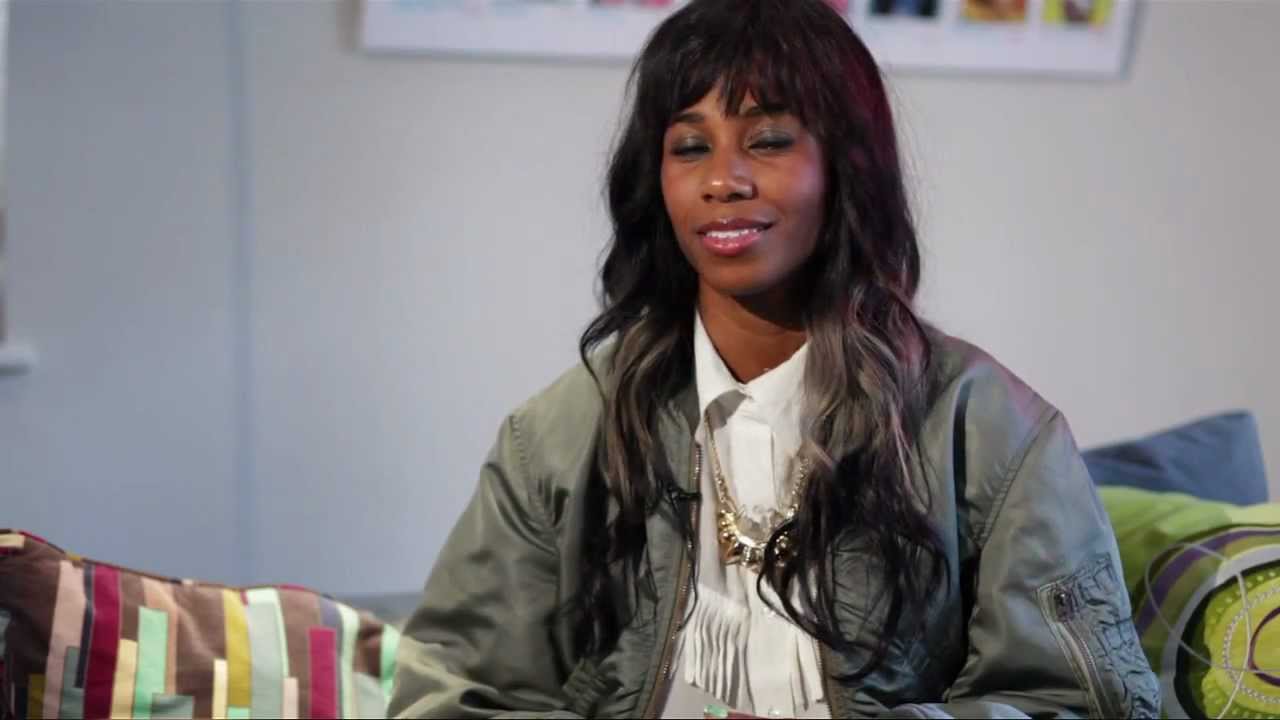
Santigold recalls making "Disparate Youth" ten years ago: she recorded the melody in one GarageBand take after producer Ricky Blaze sent her a track, then spent months writing lyrics during the London riots and Arab Spring. The song spiked in streams during COVID, and she shot the music video in Jamaica on a shoestring budget after scrapping an expensive version.
Chapters
At a time when indie music cut through to the mainstream, Santigold's Disparate Youth was one of its brightest spots. Its glitchy production, mesmerizing lyrics, and distinct vocals inspired a generation of dreamers. 10 years later, Santigold reflects on Disparate Youth's composition and how she carries the track's ethos with her a decade later. Produced by Ricky Blaze, Disparate Youth came off the heels of her dynamic, eponymously-named debut album. 4 years later, she expanded the oral ingenuity of Santigold with a more introspective approach. Like most great things, the track didn't come easy.
I was in the studio with John Hill, and who I did, you know, much of my first record with. John and I had been working for like a couple weeks, and we were kind of frustrated. And then I remember Ricky just like texted me or emailed me this track, which became "Disparate Youth," and I was like, "I love it!" And I like literally GarageBand'd the entire melody in 2 seconds. You know what I mean? It was just like a one take all the way through of the whole melody, which ended up being the exact melody of the song. And Jowan was like, "Ugh." He was like, "No, it's good, it's good, it's cool." That's how it works. Sometimes you work so hard trying to get something and then something else you just don't have to work and it just comes. Now the lyrics did not. "Come Right Away." That was, I remember having one of the hardest times ever writing the lyrics to that song. I kept writing lyrics, and this doesn't, I'm not really like this, you know? I usually write things once and then I'm good, but I kept writing them and being like, "No, just start all over." You know, not finishing, but just never finding the right words. And then finally, I think it was like 3 months later, I was on an airplane in between places in the sky somewhere, and all of a sudden all the words just came. Came.
The song arrived during a period of societal unrest, including the London riots following the murder of a Black man in Tottenham, and Arab Spring, which was a rebellious response to corruption in North Africa and the Arab world. Santigold's message on this track was clear: she needed unity and persistence.
I always write for myself, first of all. I'm always writing things that I need to say or need to hear or need to, like, think through and get off my chest. So writing for me is a very cathartic exercise. Sometimes just to give words to my own feelings is just something that helps me feel affirmed, you know, because I didn't have words for it. Sometimes you just have a feeling but you don't speak it, then you don't—
you—
it's just unsettling until it's said, and you're like, oh, you release, you know. It's very similar to now, to be honest. The environment— there's so much happening in the world. Not nearly as much as is happening now, but there was a lot going on, and it was It was heavy and it was frustrating and terrifying and, you know, all the things that come along with like upheavals and change. And I think I was just speaking to people who wanted to bring about change in a positive way, a progressive way that like makes the world better. You know, in this world, it can be very disheartening and very discouraging. And sometimes they need encouragement. Sometimes I need encouragement. The boundless things that we can achieve when we think that we can. It's like a little kid book, like The Little Engine That Could, right? The lyric, and if, if we don't fly, we will run. Like, we can't be stopped, we're gonna keep going.
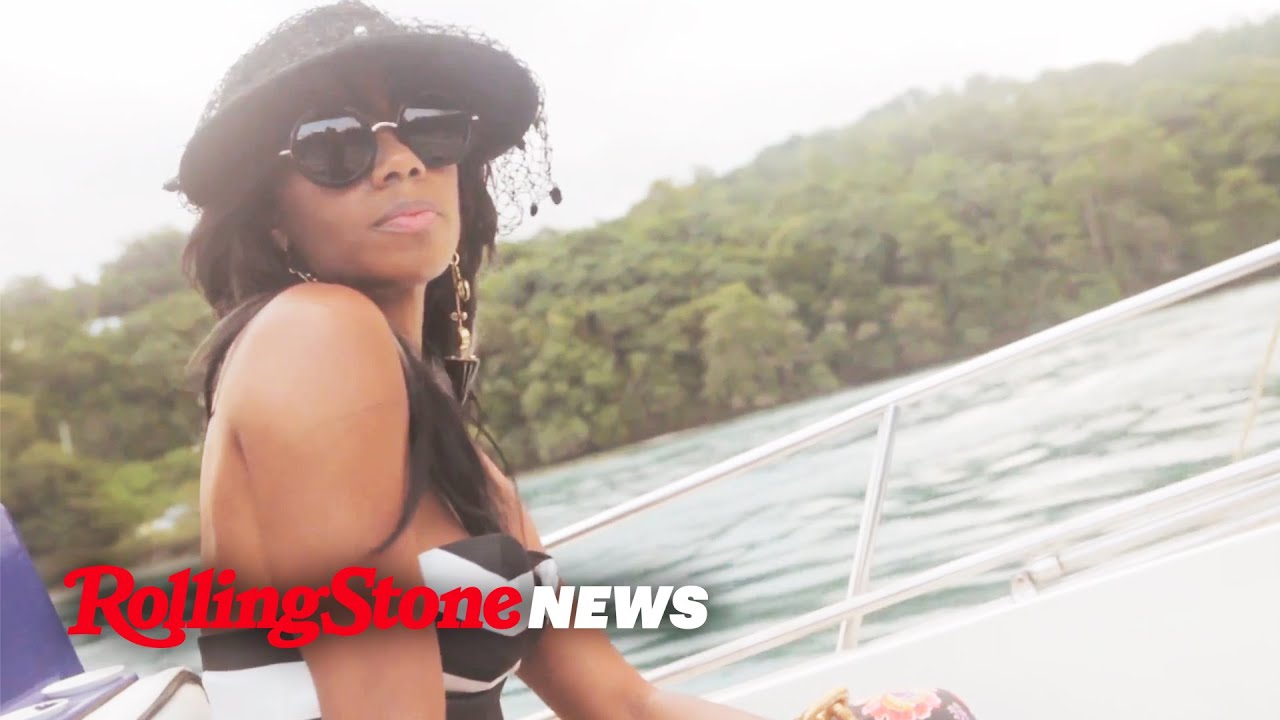
The music video we know for Disparate Youth was shot in Jamaica on a family vacation. She initially filmed another video for the song but scrapped it in favor of pursuing the images that came to her in a dream.
I'm like famous for scrapping videos. People don't know that, but like, I'll scrap a video if it's not right. I just— it won't ever come out. And so we had, we had shot a video, spent my whole budget on this video, and I didn't like it, and I scrapped it, and I didn't have any more money for a video. So I literally got like a crew of like 5 people together and kind of paid for it myself and was like, I mean, we literally like, I was painting the kids' bodies, the, the hair, the makeup person was also getting people to sign, the parents to sign the waivers. And I mean, we were all just doing everything. And at one point I remember even I took the camera on the boat and I just started shooting myself. I was just like, "Lemme see!" You know? I mean, it was just so small and like handmade and it was so cool. I think it might even came to me in a dream, which many things do. And so I started it as this dream. The first shot is in Brooklyn, you know? It's like this weird backwards snow. I don't know what it was, but it like, It takes you to this place, it was like, go on this journey, go on this quest into the make-believe world, you know, and go and find these twins who are like the oracle and like, you know, that you search for an answer and you go on this journey to find this oracle. And I don't know where that idea came from, it just was, and then we did it. It was one of those things where you say you're gonna do it, you do it, and it's done.
After realizing "Disparate Youth" was the song that resonated the most among her friends and family, Santigold selected it as the album's lead single. 2012's "Masters of My Make-Believe" centered around what can happen when you believe in your own power. A decade later, her latest release, "Spirituals," offers a reminder of that lesson.
Okay, "Masters of My Make Believe" is really about manifestation, really, right? Believing that you can create the world that you wanna inhabit. And I mean, if you even talk about "Spirituals," the new record, it's about the same thing, about taking responsibility to create the world that you want to live in, the future that you wanna live in. It's an ongoing theme 'cause we not getting it right. It's getting worse, you know what I mean? So yeah, I think in many ways it's getting better, but it's just, Humans, man, we are a challenged bunch. I'll say that.
"Disparate Youth" remains one of her most streamed songs, even seeing a spike during the uncertainty of the COVID-19 pandemic. The track highlighted how a work of art can inspire and provide the words for feelings that are hard to place.
There's a freedom in youth, um, and also a freshness. It's not like, you know, there's no like jaded you know, "Ah, it never works. It'll never work. It's never gonna change." You know what I mean? How people get. And it's just like, well, that's not gonna get us anywhere. So it's just like, you know, some encouragement for that generation too, to see yourself as unique. 'Cause that energy makes, it gets you places that you wouldn't get to if you didn't feel like that about yourself. So I think it's encouraging that perspective, like I can change the world. You know, and I am different than everybody else because I can bring this to it. And I think that's an important way to view yourself. Some of the music that's been the most important to me were people whose lyrics put words to something that I felt but couldn't name. When people are able to do that, that really is for those people too. You know, it's like I created like light and beauty for myself with this record in a time that I needed that, but also If you need it, grab on and let it carry you through too, you know? And I think that's what music does. And so while artists create because of a, like, spiritual need to create, people consume art for the same spiritual need. It's like, you need to have somebody affirm you in that way and to hold space for some of the things that you're feeling, to put words to some of the things that you can't name. And I think that's why art and music works the way it does. It's like, yeah, artists may make it for themselves, but it does— It does push culture forward because it's there for everyone.