Due Diligence Masterclass: How to read investment documents and check on the players involved

Webinar (Apr 9, 2023) hosted by Sarah Sullivan (Sugo Capital) with Heather Dreeves (Secure Investment Corp) teaching how passive investors should perform due diligence. They cover three core due-diligence pillars: (1) sponsor/operator (background, track record, affiliations, audits, succession), (2) the investment itself (type, underwriting, fees, liquidity, stress tests for debt/occupancy/rents or commodity prices), and (3) ongoing monitoring/reporting (frequency, P&L, K-1 timing, distributions). Speakers give concrete examples (Sugo: 24 apartment complexes, ~$600M AUM; Secured: single-family up to 4 units, $50k minimum fund entry, divestment schedule over four quarters after 12-month lock). Tools/resources mentioned: Verivest verification, sample K-1s, audited financials, PPM. Audience Q&A covers investor eligibility, account types (self-directed IRAs, 1031 exchanges), minimums, liquidity, use of HELOCs or policy loans, and tax-benefit examples (oil & gas fund with large first-year deduction).
Chapters
All right, so everyone, we're recording. You'll get this. You'll want to watch it again and again. You're going to want to share it with people who are investors in your space. This is all about how to do due diligence, especially if you're a passive investor. So a lot of you might be active investors. You've been doing some hands on stuff. You have some single family home rentals, some Airbnbs. So there's a level of due diligence you need to do in that arena, but it's very market and property specific. Right. And when you grow into being in the passive income arena, that means you're relying on other people to manage your money basically and manage the investments that you're going into. So you always hear VC firms, they talk about you bet on the jockey, not on the horse. So in this case, we're the jockeys, the fund managers, you know, that's who you're betting on. And, and, and they need to make everything happen, you know, the other people.
So that's what we're going to talk.
About today, how to do really great due diligence on passive investments on funds. So without further ado, I'd like to introduce my co host, Heather Dreeves from Secure Investment Corp. We have known each other for years. They worked with her business partners as well. We've done numerous events together and we're very aligned in that investors should do really solid due diligence before they walk into an investment. And even with us, you know, we tell people, hey, do due diligence on us. That's the purpose of this, you know, learn how to do it, be a good steward of your hard earned money. So we're totally aligned. I love doing events with you, Heather. I'd love to pass it to you to introduce yourself to the group. Some of you know Heather, some of you know me. So we'll each introduce ourselves.
Well, thank you for having me. This is literally one of my favorite webinars to do, mainly because it's with you, because I can't agree with you more. Like we're so aligned. Although we offer very different products for alternative investments, I just feel like your values and your guys's, you know, core values as a company are very aligned with, with our company. And I was excited to do this because I think it's also really timely right now. I mean, there's so much volatility in the market and I think that investors should be on high alert, you know, and that's not just with new investments they're making, but current investments. I've heard some horror stories over the last few months. You know, I think in the past it was pretty easy for fund operators to manage funds and get, you know, great returns to their clients. But I think just given the market that we're in, the interest rates rising, it's just all of it. You know, I think you're starting to see, you know, people are peeling back layers from some fund operators and they didn't ask the questions that they probably should have had hard conversations about before they invested. So I just think that, you know, one, I'm, I'm passionate about this topic and due diligence on operators. But two, I think it's really timely just given, you know, everything that's going on. So I'm excited to be here and you know, give my advice and you know, experiences and questions. I get asked a lot and you know, try to at least give people a little bit more guardrails like where, where do you even start asking questions and what should you be asking? So thank you for having me.
Yeah, I, I mean I, I'll reiterate. Totally aligned. Thank you for all that. Also tell us a bit about your company and like the style of the products that you offer so people know kind of the background of where you're coming from more specifically.
Yeah, I think that's interesting because we're a very interesting company. We are focused around investments in residential real est, mainly focus around things single family, up to four units. That's really our niche. And we talk a lot about like, we stay in our lane. That's who we are. We let Sarah be the expert at multifamily and the other things that she does. And we focus on the affordable housing market space. And we're interesting because Secured Investment Corp. Actually has the ability to service both kinds of investors. We service very active investors that are hands on, boots on the ground buying real estate. They're in their rehabbing properties, their wholesaling deals and so we have the ability to help them with funding. Some of those clients broker loans to us. And then on the, the flip side of the business is really where I, I mainly focus a lot of my time and effort on is managing our real estate funds and investor relations. And so we have a lot of clients that are very savvy with real estate. They've made wealth through real estate. You know, they've, you know, some of them have been active agents, the active investors or they're, you know, successful professionals and they have capital and they're looking to deploy it in an environment that is backed by real estate. But they don't want to be hands on. They are of the opinion they would rather let the experts deal with it. They can reap the benefits of those types of investment opportunities. But they're not getting a call in the middle of the night from a tenant, you know, hey, the toilet's plugged up. Or they're not getting a call from the subcontractor saying, well, I, I can't finish the project, you know, so they're just, they're very hands off. They still really like real estate as an asset class, but they're just looking for something very passive sometimes to create cash flow for themselves. Some of them are really growth minded where they're using accounts like self directed accounts with their IRAs and things of that nature, where they're looking to just try to, you know, grow and build those accounts as large as they can in a, in a tax deferred or almost tax free environment. So, you know, if it involves residential real estate and it's investment, we pretty much can help anybody from both sides of the equation.
Yeah. And that's, I mean we haven't, we didn't dive yet into this, but I like to that your organization is not limited to 560 so accredited investor requirements, which we are. And so I love that. So I want to call out for anyone who's on the call who is not an accredited investor. And you've been asking me like, hey, what, you know, what investments can I go into? And I don't have any, but Heather does. They have a lot of things that are open to everyone. So if you feel limited by what we have, pay attention to Heather, learn about what she's got. And, and she's got some good stuff that, you know, anyone can jump into. And so part of what we're going to talk about today is how to decide what's right for you as well. That's part of your due diligence, like really understanding, not just, you know, are we, you know, legit or not? But is the investment right for what.
You'Re looking to do?
That's part of your due diligence.
No, I think that's a great point because I think, you know, people do get really hung up on the investment and the operator, which is, which are good things to, to, to focus on and, and really dive into. But I can't tell you how many people I've had conversations with and it's like, you know, six, 10 months down the road, after they've invested, they're like, oh, well, I didn't realize. It doesn't do this. And it's like, okay, let's bet, you know, let's back this up. What kind of dollars are you investing? What are you trying to accomplish? So that's, that's a really great point to make.
Yes. Well, there you go. Elizabeth just spoke up. And Elizabeth, talk to Heather. She can help you out with that. A self directed ira, not accredited.
Perfect to talk to Heather. That's Elizabeth. Okay.
So for those of you I see, you know, there's hundreds of people on here. A lot of the names I don't know. So that means you came here by invitation from Heather. So special welcome to you guys. And a bit about me and Sugo Capital. So Heather was talking about their niche. Our niche is passive investments. So we have 24 apartment complexes that we've acquired and they were all in partnership with investors. So that's over 600 million assets under management. And it's all through. The purchases were all made with investor capital. And so we'll go into what that looks like later. But it's all like, me and my partners, we manage it, we run it, the fund structure, the individual syndication structure. So it is completely passive. So that, you know, investors don't have to be on the loan, they don't have to do any work, they don't have to worry about tenants or lawsuits or any of that kind of stuff. They get quarterly or monthly passive income. And then at the exit, we share and we do a profit share at the sale as well. So, you know, that's great for people who are looking to be passive, it's not great for people who are like, I want to be hands on, I want to make a higher return by running my Airbnb. Perfect. Good. You know, different things are for different folks. And then, Heather, we didn't talk about this, but we've kind of pivoted as well this year as we've seen, you know, the debt market affect the profit margin for new acquisitions that we're looking at, like, really affect the margins. So not for our existing portfolio, but those we're looking to acquire, you know, the new debt we would need. So Sugo Capital, being in a niche, that was something we were very proud about. Now we realize it actually, you know, left us a bit exposed, both in our personal portfolio, you know, where our personal funds are that we need to deploy, where are we going to put them? And then also for our investors, who are you know, exiting investments, where do they go to next? So now we're pivoting into more of a full stack investment firm where we have funds that are outside of real estate as well and have different tax advantages for your active income and all kinds of other stuff. So we're looking to broaden the breadth of the funds that we're offering our investors. When we're in real estate, we're still going to be in multifamily and then we're just adding to that. So that's a bit about as you go capital. And I will say just on the logistics side, this is being recording. You guys will all get a copy of this recording. I see more people who jumped on since I said that. So you can watch it again. You can create a checklist for yourself, the due diligence checklist. I think that's really important. Heather has some slides she's about to bring up and we're going to go through some stuff in detail. But you know, at high level this is going to be really good information for you to jot down. Take out a pen and paper, bring up a Google Doc wherever and really type out, you know, like here are the steps you need to do when you're looking to invest. And this is what Heather and I do in our, in our personal lives as well. You know, we don't just like fling our money out there. Due diligence is very important. So with that I'll say do you want to bring up your, your slides? And we start going through that and.
I saw a couple of questions about my contact info. I'll put that all up at the end of it and then I'll also type it into the chat box too when I get done and so that everybody has my contact info. So we'll get, we'll get everybody taken care of for sure on, on that type of stuff. So I will pull up my slides and I would encourage people also to ask questions as we're going along. And Sarah does a really good job at this kind of managing the chat coming in. And I'll also try to do that myself as well. But if for some reason we miss a question, I am more than happy to talk offline with people. But we want to make the best use of everybody's time today. So we will get started here. Okay, so let me.
And while Heather is bringing that up, I'll say when we send out the recording, we're going to also send out how to get in contact with Heather and myself. So there'll be you know, how to book a call with Heather, how to book a call with me. So you guys will get all of that when we send the recording. So don't worry, you'll definitely get it.
All right, can everybody see that?
I can, yeah.
Perfect. Okay. And I don't. I hate to just read slides word for word. I just, I told Sarah, I sent her a message before we started this morning. I said, I always enjoy these webinars with her because I feel like they're more. They're almost like a podcast. It's conversational. And we, you know, like each other's input and your guys's as well. So, you know, this is really just high level. Like, how do you even do due diligence? Where do you start? And I think that's one of the things that I hear a lot of challenges from a lot of my clients is, you know, okay, it's great that I know about this, but I think one of the things to keep in mind is it's just about transparency. Like, how transparent is this operator going to be with me? How do I set my expectations accordingly? You know, if you think you're going to get an update every week and this operator doesn't report other than every quarter or even month, you're going to be really disappointed. But I think it's really important, especially during these times, and I'm sure Sarah can attest to this. It's not always perfect, right? Like, this is an. These are investments. They're. They come with risk. But I think that the most important thing is, like, how, how transparent is this operator going to be with me if they're having challenges? You know, people, people can put up with a lot. As long as an operator is being transparent about what's going on, it's when they go rogue and they're ghost and they're not returning phone calls and they're not answering your questions and concerns, that's when you should be concerned. These people should be truthful. They're report. Reporting should be accurate, you know, and they should be sincere in what they're telling you, and they should take your investment dollars very seriously. So just on a side note, I don't want to get too far up on my soapbox with it, but due diligence is really just your process of scrutinizing investment, and it should be done before you invest. It's really hard to unwind things after, and you start seeing red flags popping up. Ask these hard questions ahead of time. And, you know, if you're doing that I think you are armed with the data and the tools to make better decisions on your investments. Right. So there's three core areas that I really like to focus on when I'm talking to new clients. And these are things that you guys should be asking. I think you need to do your due diligence on the sponsor. So that's, you know, people like Sarah and I and our companies, you know, who are they, what's their background? I'll go a little more into details. I think you need to do your due diligence on the actual investment. If it's a multifamily or if it's a bunch of residential properties. You know, where are they getting these deals? What are they doing with them? What's their strategy? And then the third thing that I don't think people ask enough of is how do you monitor your investment? Like, what does that look like? What's your reporting look like? What can I expect? How much access do I have to the information? If you focus your questions and your due diligence around those three things and then dive into them, I think you are well armed to make really good decisions, you know, as far as where you're going to invest your dollars. So a few things you should be asking with sponsors, due diligence, obviously. Who's the sponsor? Like, what's their company? You know, for us, it's Secured Investment Corp. That is our parent company. You're always going to know who the principals are of our company. So you want to know who's behind the curtain, right? Secured Investment Corp. Sugo Capital. That's your sponsor, your operator, your manager. But who's behind that curtain? You know, for us, there's three of us, there's our cfo, our CEO, and then myself. Those are the people that manage our funds. I think it's important to find out when they started this, you know, when did they start, you know, managing funds and investing in real estate? I think Sarah brought this up on another webinar. You know, if, if, if she came to me and I was like, hey, we got this apartment complex and we think this is a great investment. And then she digs diver in or digs deeper into what we do and she finds out we've only done residential and this is the first apartment complex, I would start asking more questions like, when did they get started? You know, what did they get started with? You can have background checks on principals. We are part of Verivest. They have kind of changed their platform. But in order for us to be part of this third party verivest platform. They did background checks on us. You know, you want to make sure that the, the people that are managing this investment are, you know, compliant. They are doing the right thing. They don't have any issues in their background that would, you know, cause you concerns. Typical K1 delivery date. That's a touchy one. Especially I'm going to be transparent. Well, and that's the thing. So here's a little background. Our K1s have never been late in 10 years of managing funds. This year they're late. But you know, you need to understand that so that you can plan your tax season. Right. If you know that they're always going to be late. And I know Sarah's super upfront about this and most syndications aren't. They don't deliver K1s on time. @ least, you know, and you can plan accordingly. It's when you're waiting till the last minute. And we've been very upfront with our clients. They're not on time. You know, we hope this is the date, but that way you can plan if you have to file an extension. Most of our clients, they already know that if they're invested with Sarah and other syndications, they are already filing extensions anyways. It's not uncommon, but usually people are not surprised.
They're like, yeah, yeah, I already filed an extension anyway.
But I have some people that are like, I have never in my entire life had to file. I am not going to start filing extensions. But again, if you know it ahead of time, it's not a big surprise. Right? Yes.
So like in January we said file an extension. We have a lot of properties. They're not especially because we buy some and they're like right at the end of December.
Yep.
You know, we're doing cost seg analysis. We're trying to get all that kind of stuff in. And so getting, getting all the CPAs to take action while they're just bombarded with everyone else, you know. Yeah.
And I don't think that's something that people also understand is operators like us don't prepare K1s. Auditors prepare K1s. We use an outside tax firm. And we actually had to switch at the last minute at the end of last year because our funds have became very complicated. Anyways, we have a new auditing firm and that has been part of our delay. But I don't think that people understand that. My accounting team doesn't prepare their K1s. We do outsource that and it's important to do that. But again, just ask. It's as simple as asking, hey, do your K1s go out on time? When can I expect them? Another big one is past deals. And I've actually heard Sarah bring this up also a couple times is there's nothing wrong with asking people, hey, show me a couple of your past projects that you've done. You know, I think that says a lot for people. We call that reputational capital around here. We use that term in relation to our borrowers. But I think it's very valid to ask an operator, what does some past deals look like that you guys have had and. And ask for wins and losses. You know, because this is real estate. There's always going to be deals that aren't as profitable as you thought they were going to be. The more transparent that operator is with you about that should make you feel better. If they're saying, hey, every deal we've ever done is a win, I would start probably questioning that because they aren't all wins, you know, some are more profitable than you thought and some are less. I would ask to see an example of their reporting package. That should not be something that they're not willing to share with you. If they are unwilling to share past reporting packages, I would have some concerns. That would be a red flag for me because they should be willing to be open and transparent. Oh, go ahead, Sarah.
I want to add to that one. So you can also ask for sample K1s. We always give sample K1s because, like, your CPA might, if this is a new type of investment for you and you're trying to use it as part of your tax strategy or whatever it is. A, it's a piece of due diligence to show like, oh, you know, here's the K1 from an actual investment. But also it can give you an idea, especially the stuff that we have at Sugo Capital. Everything has some sort of tax advantage.
And so a lot of people say.
Like, you know, can I use it in this instance? In that instance? In that instance. And since we're not a CPA, we say, here, take this K1 and show it to your CPA. This is how your tax documents will come at the end of the year. And. And so hopefully they'll share one of those with you.
I know that'll be. That's a really good point because I get people like, how, how does this affect me from a tax perspective? I'm not an accountant. I don't know what their whole financial situation is. And what their tax situation is. And we are much like you, Sarah. It's like you need to call your accountant. So we do the same. We have a redacted K1 and you know, we'll update it on a yearly because there's some like for our fund, there's so many working parts to it. I mean we are part debt and part acquisition. And again, I don't want to know and I, you know, that's not my expertise to set up people from a tax perspective. You know what's going to be most efficient for them. So that's a really good point. And we do that often. You know, hey, go see your CPA if you have concerns about this before, before you actually invest because it's very hard to unwind that afterwards.
Yeah, that's good. And then Zachary just had a really good question. I like this one. He says, heather, do you see how do you see past noise on reputation since we have had a 10 year bull market, look at these good returns in the past five years is no longer good enough. I want to say a comment because you know, I partner, I partner with three core groups in real estate and people are always asking to partner with me. So we had someone and so initially I review their track record and they said we did amazing. We yielded right on target and everything we exited in, you know when we were talking in these this 12 month time period and I was like on target. You only got on target during like you're saying Zachary, during a time when every syndicator is blowing returns out of the water and if they only return on target, like if they're returning on target this year, they're awesome because there's a lot of lower than target returns getting distributed. So I think that's really good too is because we'll show our track records and kind of how to read them later. But yeah, it's a very good thing is not just looking at, hey, you know, how did they, they projected 18 annualized and they got 19 annualized. Well, what if everyone else is doing 35% annualized because the market was crazy good? Well then that's not really that great of a track record. But if they targeted 18% and everyone else is, you know, getting 12% out to their investors and they're still getting out 18, then that's pretty good. So that's a really good point Zachary, is to look at what everyone else in this space is doing in addition to did they hit their target? Because you're right, if the market's just amazing that should cover up any mistakes they were making. So that told me with that operator, they were making some mistakes and they were lucky. The market was crazy good and it covered up some of those mistakes and I did not partner with them.
No, I think those are all valid points. And the, the one thing I would caution people is if you're going to compare it, make sure that the funds you're comparing it to are apples for apples.
Yes, yes.
Because I get a lot of people and they're, you know, I can get 20 returns. Why would I invest in your fund that's been hitting 10? It's like, it's a, it's just a totally different model. Our, our fund model is a cash flowing model. We don't hold assets for long periods of time and sell them four or five years down the road. And there's upside. So I would just make sure that what you're comparing it to in the industry is, is the same.
Yes, 100%. Yes. Because there's, there's a lower risk in, in certain investments and there's a higher risk in others.
So.
Yeah, I mean, you're comparing. Definitely you need to compare apples to apples.
Well, it was funny, I was at an event recently and, and some lender or some investors were talking to me and another operator that are very similar debt to debt funds. And, and they said, well, why, you know, why are you guys only returning 10, why can't I get 15%? And we said, well, how, how much risk do you want us to take on as an operator? Because we can, we can lend and originate loans that are riskier with a higher yield potentially if they pay and they perform. But you know, here's our credit box and here's why we're targeting this type of rate of return is because we want the better borrowers. So you know, with, with higher yields typically comes a little bit more risk. So that's another thing. Like when you're looking at these, how risk adverse are you? How, you know, what does that look like for your portfolio? Because I hear that often, well, you know, 10% doesn't sound super exciting. And it's like, well, you know, 10%.
Cash flow, that's pretty exciting, you know.
But, but like Zachary said, there's noise out there, right? So there's all this noise, there's all these webinars, these, all these sponsors and just kind of have to weed through it. So hopefully, you know, the presentation today might help give you guys some nuggets of things to ask. I'm not saying you need to follow all of this, but I hope that, you know, it brings value to you. Other questions I'd ask your sponsor is, you know, how did they get in real estate? What's their story? I mean, every sponsor has a story. I think Sarah just shared her story on LinkedIn. It brought tears to my eyes. So every sponsor and operator has a story how they got started. I think it's important to dig into that and ask. And it usually explains a lot. You know, what's our strategy? How do you source new investment opportunities? That's another big one I've heard lately is, okay, you guys might be really good at raising capital, but can you actually deploy it? And are you deploying it in a responsible way and not just throwing dollars out on the street to just say you deployed capital? I will tell you, our company, November, December, we didn't buy any houses. And, you know, Sarah, I think you mentioned that right when we got started. It's like, if the deals aren't penciling out and the numbers aren't there, you got to find new cheese, right? And so, you know, that's one of the things I would dig into probably, is where does their deal flow come from? Where. How are they sourcing these deals? What key markets are they operating in? You know, some operators have a pretty broad reach. Some are really specific to where they're located. That might be something that's important to you. You know, is. Is geography. How do you determine whether or not a deal's worth doing? I think I just kind of hit on that is like, you know, are they just deploying capital to say they can throw it out on the street and get it working and they're not being responsible and. And mindful of markets and. And things like that? Or do they actually have a plan? You know, what does that look like for us? Our fund is debt and acquisition. So for our debt side of things, we have very clearly defined guidelines, and they change all the time. Like, every week we meet on these assets. If we start seeing problems in certain locations, guess what? Those guidelines are changing for that area. You know, that means adjusting LTVs. And I'm sure Sarah does the same thing with her, you know, assets that they're looking to purchase and invest in. But it's important to know, what does that look like? How do they monitor it? You know, are they just kind of shooting in the dark, or do they actually have a plan? What do you do to ensure that you get a return of capital and a return on your capital? What are some of the Ways that they mitigate inherent risks. And how do you stress test stress testing? I don't know. Sarah, people have been asking you a lot about this, but this has came up in the last 90 days, probably since this end of December, you know, because people are got the news on and they're watching Fox News and they're watching NBC and everything's doom and gloom. But the reality is the markets are shifting. And how has this operator stress tested their model? Like for us, if everybody quit paying on their, their loans, on our debt side of things, and we had no cash flow coming in, what does that look like for the fund? What kind of yields? I mean, I know you can't. Nobody has a crystal ball and we can't say, well, this is what we think it would be. But, you know, is that operator in a position financially and in their model that they can handle things like that in the marketplace Coming up, you know, if people stop paying, what is your foreclosure process look like? What's your infrastructure to handle that? If we can't buy any houses and we can't sell them, what does that look like? You know, for us, we have multiple exit strategies. If we can't sell a house, we're throwing a tenant in it within 30, 45 days. You know, because cash flow for us is king. We need to have the cash flow coming in. We have just to kind of tell you what we've done to stress test. We have doubled, almost tripled our servicing department. So that means the people that are collecting payments on our debt, the people that are working with the borrowers, if they're having challenges, our foreclosure management, you know, those are really what I'm implying when I'm talking about stress testing is like, what does that look like in the event that the plan doesn't go as we thought it originally was going to?
Yeah, I think that's great. And I'll give example of some of our stress tests. So in, in multifamily, what are the, the key factors? So there's debt, there's occupancy, and there's rent. Right. And those are the main things in the business plan that can fluctuate and affect returns. And so I love it when people ask, hey, what, you know, when you stress test it, what is, what does it reveal? So when we do our underwriting and we provide, hey, here's our estimated return for this project, we use conservative numbers to begin with. So if current market rent is a thousand dollars, then we say, okay, so if we're renting for 900, you know, we'll put 900 in the business plan, something like that. We're not like oh well, we could probably get a thousand, maybe eleven hundred. If we do, then the returns are going to be even better. So you know, take a look. It's sometimes not very fun, but take a look at the underwriting those numbers because see, and it should be in the package. So when we are offering an investment, we do share these numbers. Okay, so market rent is this number in our five year business plan. What numbers do we have for rent? You want to make sure that the numbers for rent are below, not above what the market rent is doing. Another thing is debt. So a lot of people are in trouble because they purchased apartment complexes with, with non fixed loans. You know, it was not fixed rate at a time when we didn't know it was going to fluctuate so much. So people were not using market cap in rate cap insurance. So for instance now like it all last year when we bought our properties, we bought insurance that it was capped, capped the rate that the, the debt could go to for us because we knew that there was, that was a risk.
Right.
So we paid hundreds of thousands of dollars for this insurance to say, you know, it could go up a little, but it' going to go up to 12% for us, whatever it is. So, and you know, if you have fixed rate debt, that's even better. That's going to be a lower risk investment for you. And then the third thing is occupancy. When you're stress testing multifamily. So if you're looking at syndications, so say the current occupancy of the apartment complex is 70%. Meaning if there's 100 units, only 70 are occupied and it's cash flowing today, but market occupancy is 90% then you're probably pretty good. Meaning, you know, when a new operator gets in there, they get their marketing, their new property management company, they're going to bring it up to 90 occupants, they're going to put 20 more tenants in there and then it's going to be great. So that number that occupancy, like what is the market doing? What is this property doing and what happens if it does go down or what happens if rent does go down? Because we did have softening in rent. Those are all questions you want to ask about stress for the stress test. And then also we have an oil and gas and energy fund right now and it's oil and natural gas. So in the Business plan it says we're going to give X amount of returns to investors. And in the business plan it says the oil price will be 80. You know, if the oil price is on average 80 over these three years and if the price of natural gas is 6, okay, we're not there with either of them. They've been fluctuating. So then the stress test question would be at what price does this become, you know, a zero profit investment for me? So for instance, the answer for this fund would be $40. So the price would have to go from 80 down to 40 to where investors would simply get a return of principal and no profit. So those are the kind of questions when we say stress test, like what are the numbers? So it would have to, you know, go down by 50% in order to, you know, make it not a profitable fund. So, so those are, you know, and you can ask the operator, what are the risks? How do you stress test it and look for those numbers? Like very quantifiable.
No, I think that's, those are all really good points. And I don't know that in the 18 years I've been doing this, people have asked those types of questions as often as they have recently. Yeah, but they're important. I mean, you know, you have a very different model than us, but our model's cash flow. You know, we are reliant and, and we like the model that we chose because it's kind of a hybrid, right? We're not just a debt fund, but we're also not just an acquisition fund. You know, we have both. So we, I tell people we have multiple streams of income, right? We've got, you know, the borrowers making their payments, paying us off and we actually sell that debt too. So we turn that capital over quite often and sell off the risk and then we have the acquisition side of things. And quite honestly, and just being transparent, I mean, we were really heavy in the fix and flip. It was, it was very lucrative for the fund. We saw this coming and eight months ago we put a property management division in place because we knew that there weren't going to be as many opportunities to buy. People weren't going to buy as many houses, but there was still this need for housing. And as, as, as a team, we said, okay, we are going to shift, this is going to happen. We're going to start holding some of these as rentals. Now how do we manage the infrastructure internally? So now we have a property management division because if we can't sell the houses, we're going to cash flow. We're starting to see our market soften. People are finally coming to terms with the fact that their house is not worth what it was 12 months ago. But it's been a transition. I'm sure everybody's experiencing that in their market. But again, it's, it circles back to the stress test, like, how do you keep cash flow for at least our fund? How do we keep this coming in so that people can continue to get the types of returns that they're getting? And you know, the question for you guys is one, that, and then two, how are they planning if, you know, everything goes sideways and they can't buy houses and their borrowers aren't paying? Like, are they well positioned as a fund to handle those kinds of risks coming on? So there's things like loss reserve accounts for, at least for our fund, do they have loss reserves set up that if they have a bunch of borrowers not pay and they have to pay, pay for foreclosure costs, that they are well positioned? We made a big decision in Q4 to better position our fund and beef up our loss reserves for that specific reason. We don't have any more defaults than we've ever had. But we were very, you know, in tune with the market and what was going on. And that was a concern for us. So I think it just boils down to, is the operator in touch with all those things? You know, it's a lot of working parts, but they're good questions to, you know, to, to ask an operator. Let's see here. So I, I say this all the time, and it's not just with operators. I say this in my personal life with my kids, trust and verify with my employees. I trust them, but then I verify. And I just kind of like that analogy. It's like you, you need to trust who you're doing business with, right? Like if, if, if you, your hair on the back of your neck is going up when you're talking to an operator and all these red flags are going off left and right, that is pro partnership for you. And we, we think about our clients as partners in this, right? They're not just clients. They're not just investors. They are partners in this investment. But you have to verify, you know, review a list of their affiliated companies. We have a lot of companies. We have a, like I said, we have a property management, we have a loan servicing company. We have a contracting crew. That's not uncommon. But what is uncommon is if they're not being open and transparent that they have all these other companies that are affiliated with. With this investment. It should be listed in their ppm. For us, We. We have a private placement memorandum, and all of these affiliations with these other companies that we have are listed in there. So make sure that, you know, you're reading your ppm. I hear people, oh, I got it. But I just really never read it. It's like, oh, my Lord. Like, you please read that.
I have a cool story on that. So you can see, you know, in. In different funds, there's, you know, debt. Who. Who is on the debt? So for us, we're on the debt for the apartment complexes. And so the lender does some really hardcore due diligence on us. You know, like, we have to submit five years of accounting for our. Our company, but also us personally, our tax returns. They do background checks. So we had one. Oh, I forget which one it was right now. It's one of the ones we used last year, and it was the first time we had used them. And they went and they dug up everything for the last 20 years.
Oh, wow.
And they found one thing on me, and they said, what was this parking ticket and from. And it was from 20 years ago. And I was like, I don't remember.
They're like, oh, you have a parking.
Ticket on your record from, you know, when you lived in Huntington Beach.
And I was like, yeah, sure, I probably parked.
I don't know. Probably said no parking, you know, after five. And I was still there. I don't know. But then, so my husband is on the line as well. And so then they did the same thing. And he said, oh, you got a speeding ticket 18 years ago. Can you tell us about that? And he was like, no, I don't remember it. But I thought that was kind of fun because I was like, wow, you looked at 20 years of us, and that's all you found?
Yeah.
Good to know.
It's good to be boring, right? Yeah.
So know that when someone has a loan and they're signing on, like, a $40 million loan, that's the level of due diligence that the lenders are doing on them.
No, that's. That's great to point out. And they've done the same thing on all of us here. It's like, you really want to know all that? But it is important. I mean, imagine if you didn't do that and everything went sideways. And you start, and I hear this story. I have a guy right now dealing with some guys out of Utah, and he's like, I didn't even look into them. And now he's finding all this stuff out and it's like, yeah, you should have asked those questions. You know, and it sounds silly. And I know some people are like, I feel bad asking that.
Don't.
I mean, this is your hard earned capital. You have to protect yourself. I think, again, reviewing people's track records, verifying their asset existence, I will tell you, our funds are fully audited. And before I got in this industry years ago, I thought audits were just like, oh, they look at their bank accounts. You know, they make sure money's flowing back and forth. No, that's not all they do. They pretty much want your firstborn child when they audit you. But, you know, things that they look at is like, okay, if. If Heather and Secured Investment Corp. Is saying they bought this house in Spokane, is that house actually titled in the fund's name? And if Heather's telling me they lent money to Sarah to go fix and flip this house, is that lien actually in the fund's name? So they make sure that things are, you know, the assets are actually, that they exist, that the fund actually owns these assets and they review obviously our track record. So we, we make available our audited financials to our, our partners, our clients in this, if they so want to look at that. But it's not required to have funds audited. You know, we do it because it's just like one. It's an added layer of security for our company to say, hey, we were doing the right thing. You know, everybody's happy when things are great. It's when things aren't performing well that, you know, there's a lot of accusations. So we do it to protect ourselves, but we also do it to protect our investors and our partners in this. Like, hey, this is how much we feel like this is important. We take this added step to have our funds audited. And we're not even. This fund specifically isn't required to be audited. So, you know, I'm not saying they have to be, but it, it is a question you can ask and then look at their performance metrics. You know, Sarah and I have both hit on this. Like, what's their past history look like? You know, and are they just saying that everything was rosy? Are they going to report and tell you when they had a bad quarter? You know, I think that's important to.
See, and I think that's part of one of the questions you hinted on. But to expand on that would be, you know, if you're looking at the track record and you see a down quarter or you see a property that missed, missed the target returns. Asking the question, hearing the story, hearing the why because it doesn't mean it's something you should run away from. The why could be actually very legit, you know, something that they had no control over. But what did they learn? What are they adjusting in their acquisition strategy based on that? Those kind of questions are really important because like you said, it's not. Once you start getting to volume, it's unlikely that 100% of, you know, 30 apartment complex acquisitions are all going to be, you know, exceeding expectations. But it doesn't mean if they're not, that you should run away.
Well, and I like that you brought up like, how are they adjusting to address that moving forward? You know, this is real estate. Not everything goes as planned and it's not always a perfect project. But what did they learn from it and what are they doing moving forward to prevent that from happening again?
I'll give an example. We bought, it was like literally five days before the COVID shutdown. We bought an apartment complex and it was a C minus, but we're going to flip it to a B plus. And so it was the biggest repositioning we were going to do. We weren't able to do that repositioning because a people couldn't work inside. So remodeling complexes. An apartment unit was not allowed.
Yeah.
Couldn't execute on the business plan B. We couldn't change it into our name at the, at the county. So like all the bad reviews were there. We couldn't get them to change. Like there's new management. Like we couldn't do any of that stuff for like a year later. And then because of that we weren't able to turn it over. And there was, you know, with like the shutdown and the tenant class that was in there. One tenant murdered another tenant. We had all the, all the paying tenants left, all the non paying stayed. It was like a catastrophe. So what do we do? We're like, we're never buying C minus again. You know, now it's like crime is very important and you know, really paying attention. Like we're only buying B pluses or better.
Yeah.
Given what's going on in this craziness. So there is stuff that happens, you know, especially in these last last couple years. If you see something where returns aren't getting hit, just ask the question, hear the story and see what's changing.
Yeah. And we've all, we all have those Stories. We, we tried to probably seven years ago, decide that we were going to buy really old historical houses and literally raise the roof and add square footage. And they turned out beautiful. I mean, they were amazing, but they weren't profitable. They took so long, you know, the permitting. And it just, you know, lesson learned was that we can make better profits for our fund and quicker by buying properties that don't need a whole ton of rehab. You know, we call it lipstick, like clean it up, make it look nice. Fresh carpet, fresh paint, because we're in and out of them so quick. We're just not equipped for a rehab like that. We let the other people do those. We got out whole. We didn't lose money, but we didn't make a lot of money. And it took a really long time to rehab them. So I think, you know, every operator probably has similar stories, but, you know, the question is, are they willing to share them? You know, and I think if they tell you, you know, no, we've never not missed. We've never, you know, everything's been great. I, I would probably question that a little bit.
Yeah, agreed.
So investment due diligence. So we talked about, how do you do your due diligence on the sponsor? I think the next thing that people should dive into is what is the investment? Is it a self storage, is it a multifamily, is it residential? You know, so what really is their core competency and really their wheelhouse as far as property types? And some do both. I mean, it's not to say that some operators don't have their hands on a little bit of everything, but really just understanding what their background is and what their focus is from an investment strategy. We talked a little bit about review conflicts of interest. You know, hey, and we're really open. Like, we have our own construction crew because we don't want to rely on a subcontractor to get out there that can't get out there for a month. We have a construction crew. They get right in, they rehab our houses. If it's a tenant, you know, rental property, they're going to get in, make improvements on that. But are they being upfront about what, what other businesses that they have? I get a lot of people that don't review the operating agreement. Oh, no, I just, you know, because your operating agreement is going to dictate really the rules and the guardrails and the fund. For us, one of the big things is when people want to divest their capital out, we do it over four quarters. And this is Also timely given everything that's going on with the banks and the runs on the banks. Ten years ago when we wrote, when we wrote these funds, we decided how do we systematically exit people out of the fund so that it doesn't affect the yields that is outlined in our operating agreement. So it is important for you to understand, you know, how the fund functions, what your rights are as a, as a partner or investor in it. Another one, biggest, big one is tax benefits. I know that Sarah offers a lot of opportunities that have great tax benefits. Ours does not. Ours is short term debt and the real estate that we buy is short term in nature. So I love doing this event with you Sarah, because I get so many people, hey, I need a 1031 exchange option. I need, you know, depreciate. I'm like, call Sarah. And I know quite a few of my clients that have, and they really appreciate you and they have great things to say about you. So thank you for taking good care of them. What kind of fees does the investment incur? So that what I'm talking about there is like, is there a management fee, you know, or a GP or an affiliate fee? Our fund, we get paid through a management fee. So every operator is going to have a management fee. They have staff, they have infrastructure that they have to pay for. But where typically a fund is going to become very profitable is when they get the profits up in yield to you. Right? So for us, a management fee is paid first, 1.75 which is annualized. Then their preferred rate of 9% is hit on a quarterly basis and then if anything is hit above and beyond that in that quarter, it's split 50, 50. And then our fund resets every quarter. Some are different, some are annualized, some have catch ups. Ask those questions before you invest, not afterwards. Because if it doesn't fit your model and there's no right or wrong way to do it, but if you thought there was, you know, a guaranteed return or a catch up and there really isn't, that becomes a problem after you've already invested.
Yes, definitely. And Steven, you asked a question about 10 minutes ago saying if your target is X percent but the profit is above X, do you pay the actual ROI or just what you recommend? So that goes to these two questions that Heather's talking about. Is each, each investment is going to be different. So that's a great question. Is there a preferred return and then a split of profits after that? And so if you're asking specifically about us, we had Sugo Capital, we have both So I have a fund where there's a preferred return and that's the ceiling. So if your preferred return is X and we get more than that, that's what goes to the GP team. We don't have an asset management fee is straight preferred return. So all the cash flow so far has gone straight to investors and we get the upside on the, on the end. So we just have to wait seven years for our payout. But those, those are great questions and catch up. You know, like Heather was saying, like is there each, each project is going to be different. So really good question to ask about them. And then you know one that you don't have on here, Heather, which I think is important is liquidity.
Yes, because that's a really good question.
Yes, because I like that your stuff. People are not locked in for seven years, they're not locked in for five years. And so whenever someone says to me, hey, I need something for, you know, one or two years that has cash flow, I say I got nothing for you. Go talk to Heather for that. To talk about like how the liquidity works with, with your project.
Yeah. And I, that is something that has came up often lately. I've, I've had clients that put monies other places and said I didn't realize I couldn't just pull my money out. And it's like, oh boy. So yeah, liquidity is a really good question. And so the way ours works is we do have a tie up period. We have a 12 month tie up period. I mean the reality is, and I tell people this, if you just need something to park for three, four, five months, that's not our fund. I mean it's not, it's not, doesn't function like a savings account. I mean we get people that invest money in our fund and that money is deployed. We don't have capital just sitting around. But the way that we do it is you have to stay in for 12 months. So it's just from that initial investment they make. So they could potentially put the minimum in and then make other investments. And we're not going to start the clock over every time it's 12 months from their first investment. And then if they want to what we call divest, which is really just liquidate their investment, we will begin to do that after that year is up. And what happens is they get 25% of their investment every quarter for over four quarters. And you know, that's set up to, for the health of the fund. We don't want to run on the fund and we just, you know, like I said, that money's out on the streets working. It's either lent out or in real estate we're buying. And so we had to put a process in place to be able to systematically exit people out of the fund. We understand, things come up, maybe there's a better opportunity, you know, maybe you just need access to your cash. But we had to do it in a way that we can plan and say, okay, at the end of the quarter, these are the people pulling their capital out and we can start to liquidate assets instead of being in this panic and doing what banks have done. Sorry, nobody's getting their money out, you know, so ours is a four quarter divesting process after the first 12 months. So like you said, I mean, the reality is it's two years, you know, one year fully invested, and then the, the systematic divestment.
I think that's, that's really, really important. And I try to stress this on all of our investments, that when we say it's a five year hold, it means we're holding your money for five years. And similar to, to Heather's investments, it's not sitting in a bank, which is a good thing, you know, with what's going on in the banks, we go immediately purchase this property with that money. And, and so that's why you can't liquidate it because you have, you own a piece of a fund or a piece of a property. And so it's not liquid. And so I tell people, you know, this is a five year business plan, but be okay if it goes to six or seven, like, don't invest something where you're like, you know, in, in five years. Great, because this is, you know, for my kids college. Well, in case something gets extended, we don't want your kid to not go to college.
Right.
You know, it's really not liquid, so really under. Understand that.
But if it's like, hey, this is.
For my retirement in 10 years, come on in. You know, if you don't need the cash flow, you don't need the, you know, whatever it is, then it could be great. So, you know, a lot of people too, Heather, they say, is this a good investment? And so I want to make sure people take a step back and they, you know, we're not going to offer bad investments, but the real question is, is it a good investment for your goals? And so all the questions on the previous slide that Heather had, they're going to help you line up the investment with your goals. So if you need tax benefits, look for something with tax benefits. If you don't, then don't worry about that one. If you need liquidity, go with something that has liquidity. Don't go with something that has a long hold period. So it's really important that you set your goals and you know yourself what you need so that when you ask those questions, you can check it off the list. It doesn't mean it's good or bad, it just means it might not be right for you and your situation and your goals.
Yeah, and, and I, that's one of the things, and I didn't put these on the slide yet, but I tell people, sit down and write three or four things, you know, physically write it out. What are you trying to accomplish? Cash flow growth. What kind of dollars do you, you have to invest, because that's going to matter too. If you have self directed IRAs, especially a Roth, and you're investing in something that offers depreciation and tax benefits, probably not going to matter all that much because you're using qualified funds anyways. But if you're in an income tax bracket where you just don't need more income, you know, Sarah's investments are probably a better option for you. And you know, so you have to look at those things. And I, I think that not enough people sit down and write that stuff out. So they'll call and, you know, they'll have been on our webinar. Okay, I was told to ask all these questions, but they haven't asked themselves these questions. Right. You know, so I think that's another really important point is like, like ask yourself those questions. Sometimes I get people that are really focused on the real estate, you know, so maybe it's a targeted area. Maybe, you know, they don't want to lend to anybody that's fixing and flipping. They only want to lend to people that's buying, that are buying and holding. Maybe it's, you know, I only like commercial, I don't like residential. So you got to also identify those types of things because if, if you don't care for residential, there's no need to be even looking at my fund. And you're very focused around commercial. Call Sarah and vice versa. But again, I just don't think people ask themselves the questions. It's like, okay, I know to ask Sarah and Heather all these things, but they haven't actually even sat down with their spouse to determine what they're trying to accomplish. So I think that's probably a big point to make, is that, that, that Seems to be amiss a lot of the times. I think you should focus on the people and the sponsor, you know, and the deal. But I think focusing on the who is is so important. I mean if you have a great asset and you really love commercial, but you have an operator that doesn't know what they're doing and doesn't have experience, you know, I think you really need to focus on the people that are managing that asset that are backing the sponsor. I had someone the other day ask me an interesting question that hadn't came up often and maybe you hear this Sarah, but they said, what's your succession plan? The three of you sound amazing, but what happens if all three of you get hit by a bus tomorrow? Tomorrow? And I thought, gosh, I never, I mean we, we subconsciously think about those things and we have a pretty great succession plan. We have a hundred employees, you know, and we are just kind of moving the levers and all these other people are, are making things happen. But that is a great question. Like if I am the one that handles all investor relations, what happens if I get hit by the bus? Who's the next person that's taking that over? Sure, you have the same type of infrastructure set up, but it's, you know, that's another thing to ask.
Yeah, well, we, we have partners on all of our projects. And so, you know, that is something that, you know, people are like, why, you know, you have two or three partners. I'm like, yeah, that's a good thing. That's good news. Because if something happens to one of us, there's still two other companies that can carry out the business plan. And then in the fund manager world, so I have someone totally not related to the fund who's identified as someone to take over the fund should, you know, we all go up and smoke for some reason. And also we have in our operating agreement for our fund that it's not just if I die, but if I should become incapable of operating the fund profitably. So if I don't know something, you know, if I go crazy and I'm still here, but I'm not able to run the fund, it still goes to someone else. And that's in SNR legal docs and with our attorney.
And those are things you don't want to think about. But questions. Yeah, it's like, you know, those are valid concerns. So again, I think just focusing on the people and the sponsors is really important too. I mean just another, you know, thing to add to your guys tool bucket. I do And I know we're kind of running out of time, so I don't want to drag this out. But one of the things that I would also tell people is really dig into what their reporting looks like because that seems to be a big misconception with people is, you know, how often do they report? You know, if you want monthly reporting, you're not going to get that from us. We report every quarter, you know, or vice versa. If you think that annually is enough, you're going to be really excited because you get a quarterly report from us. When do those reports actually go out? That's another big thing. Like ours go out by the 15th of the month, ending the quarter. Every quarter they get a multi page report on. Because ours, again is very different than what Sarah does. We have lots of working parts, we have lots of loans being originated, sold, and we have a lot of real estate that we're buying. So there, there's a lot of information to report on. But some funds, there's just not a lot of movement. You know, you buy an asset and you're collecting rents and not a lot changes unless you're probably improving the units. Right. How often do distributions occur? So that's another big question I get asked by people. A lot is, okay, your preferred rate is 9. Does that mean I just get 9 all year and then all profit is split at the end? No, our fund pays out all profit every quarter and we reset every quarter. That's a good question to ask, especially if you're trying to create cash flow. If, if you need the cash flow because you're, you know, you've retired, you've sold your business, or I have people that have family and retirement homes, they're trying to create cash flow instead of depleting their nest egg. Those are important questions to ask. How often do you get paid? Also, do you have the option to reinvest your earnings? So with our fund, they can actually reinvest their quarterly earnings, which is really cool for people with IRA accounts that are, you know, like, hey, I'm still working, I don't need the cash flow. Now they're, now they're creating that compounding effect. Effect, but just you know, can't. So yeah, and I actually have some people that have other investments that, you know, will throw off quarterly earnings. And they're like, okay, I want to set those up to go back into your fund, because I don't have, especially with an ira. So you get paid earnings and then it sits in your account. Yeah. Undeployed and you don't. You know, usually there's a minimum. Our minimum's 50,000, so then you got to wait till you have enough. So just. Just things to think about. The other question I get asked a lot is, when do I get my first distribution? So some funds only allow you to come in at the beginning of the quarter. We let people come in whenever they want, so they will always get earnings by the end of the quarter that they enter the fund. But just keep in mind that you're probably, you know, if you come in halfway through the fund, you're only going to get a half a quarter's worth of earnings, but they will always get a distribution at the end of that quarter that they come in minimum investment amounts. That seems to be pretty black and white with people. Ours is 50,000, and then they can invest in any dollars after. But keep in mind, some funds say, hey, it's 50,000, but you can only invest in $50,000 increments. So again, another important question to ask. And then how quick is your money deployed? That's another really common one. I know syndications are really different because you're identifying a single asset, you're funding it up, and then you buy it. Our, our funds are immediately deployed, again, only because it's just this quick turn on the fund. Right. We're buying, selling, buying, selling. So, yeah, and this is going to.
Tell you too, if your cash is sitting there a not working, but also at risk. I can't tell you how many people asked, like, oh, you know, you, you raised $10 million. Is it, what bank is it with? It's like, it's not with the bank. It's. It's already, it's out there working. There's not $10 million in a bank account. So how quickly. Yeah, so like, when we purchase the building, it gets deployed. And then also we have the oil and gas energy fund that we have. It's, it becomes working capital that month. So, like we have 10 million come in this month, 10 million goes out and it, it pays employees, it buys equipment. Like it's working capital right away. So that's a good question. It is a good question.
Yeah. Yeah. I've heard people say, well, I didn't know it wasn't going to be deployed for three months. That went into a syndication. And for us that are in the weeds every day, we understand that, but they didn't ask. And then their money was sitting there for 90 days and they weren't getting earnings on it. You know, had they known ahead of time, it probably wouldn't have been a big deal, but you know, again, it kind of circles back to like, what kind of model is it?
Right.
We all of our funds are a little bit different. Different.
Yeah. And I think too, what we saw happen last year, there were a lot of delays in closing because the lenders were not able to like they were backing out at the last minute or changing at the last minute. So we did have people who, for instance, they put money in, in, you know, like in October and we didn't close until December. And so we only like to raise money real time so it gets deployed right away. But then if closing gets delayed 60 or 90 days, people's money, it was sitting there, not getting used. And so to go back to your, one of your questions of like when you're comparing investments. So like if with, with Heather's stuff, it, like if it goes in, it gets deployed right away. If you're investing in a syndication and we're going to close December 25th, but you put your money in, in October, it is sitting there for a while, not working. So, you know, think about all those things when you're comparing. Yeah.
And I'm sure you guys are very transparent about that and very, you know, closings like that are out of our controls, you know. Yeah, but, but again, like it goes back to did you set your expectations as an investor properly? Did you know this ahead of time? Did you ask these questions? Because this information is all in our offerings. It's not like people try to not be open and transparent about this, but it's a lot of content. Right. So you know, I tell my investors and our partners, do your own push ups, you have to ask these questions. You know, it's, it's just that important. And I'll also, I'll just go through these quick. These are just actually pages of our fund reports just to kind of get it. Doesn't mean that this is the only way to do it. Just thought it would be nice to actually show you real what ours look like. So we like to keep a historical activity, you know, so this kind of circles back to some of the stuff we brought up earlier is like, what's their path past look like? So we have it broke down by year and we actually have total dollars paid out to clients throughout the years what their rates of return was. We also show kind of halfway down the sheet our loan activity. So these are the debt. This is the debt side of things. Like how many dollars did we deploy in loans that we originated? How many units Were there. How many did we sell off? So that's a big part of our models. We sell that dead off. And then the last half of or the last third of the page is actually the properties. In 2014, we didn't buy any properties. We were just getting started. But we, we. I really like the historical side of this because I think that is something that, you know, operators should be really transparent about. And then we get. We really dive into fund activity year to date. And so as the year goes by, like 20, 23 right now, now we'll have quarter one here, earnings and reports done at the end of this month. And then after quarter two, those will be added into there. So we dive a little bit deeper into the specific year that the fund is in. But again, loan activity, property activity. And then the other thing I like to point out is we have a P L page, which I'm sure you guys probably do too. Sarah, there's expenses that come with managing a fund. You know, there's like for us, we have property management, we have loan servicing, we have. We may have depreciation. We don't have a ton of that for us, but Sarah would probably have a lot more of that. We break our income down by interest received, so we get interest payments from our debt side of things. And so these are just things that. It's not to say that every P and L needs to have this on it. This is actually an example of one of ours. But you can see legal and expenses, operating expenses, management fees, they should be really transparent about those things. So you can see where is all the revenue coming from? What does it cost to manage this so that you can better understand how you're getting paid, you know, as an investor and how you're going to earn on your investment. And then just ongoing monitoring, like I said, you know, you're going to. As long as you're asking those questions and you know what your reporting is going to look like, there's nothing wrong with you. You checking with them from time to time. I have plenty of clients. Hey, how are things going? Yeah, we don't report other than every quarter, but there's nothing wrong with them calling me. I mean, they all on my cell phone. Like, if you're getting itchy. And right now is a perfect example, you know, I. After the Silicone bank shut down that Monday, I don't know, but my phone was ringing off the hook. It's important for you to feel like you have open lines of communication with, with your operator. Yeah, it doesn't Mean, you need to call them every day and be texting them and, you know, concerned. But it's okay for you to call and say, how is the fund doing? How are things? You know, I'm watching the news. There's weird things going on. How are you guys doing? So it's that ongoing monitoring of your investment. I have clients that parked money with me five years and I'm years ago. I've never heard from them. And it's like it's okay for you to call and I'll communicate with you, you know, so it's just that, that ongoing and I. It's more of a relationship thing. I think. It's, you know, it is a relationship. Your partner's in this and you should feel like you can call them up and, and say, hey, how's it going? What's going on? Are we having challenges? How are you going to handle this? You get a lot of those calls too.
Speaking of calls and relationships, I have one of our investors who picks up the call whenever he likes, Mark Berger. He's asking, how does the fund break out between capital gain and ordinary income? So like, when you're, you know, sharing.
The financials with people, those will probably be more identified on our audited financials than our P and L. And I can go back to that P and L page and that isn't all of it that's in there. So this one I just went back to, it has our loan origination revenue, our interest, obviously property and sales, and then capital gains. And that type of stuff is probably going to be. I can ask my accounting team, but I think it's lumped in with our property expenses. So you can see we have a line about halfway down property expenses. I think those are probably lumped into that. But again, the audited financials will have more of the breakdown with the capital gains and ordinary income. And then like I think you mentioned Sarah providing a K1 too, because you can also see some of that stuff through there.
Yeah.
Mark, this is probably just like high level with a P and L. But we're, like I said, open to sharing all that stuff with our investors.
I see. A question on that topic from Jin Lee. Can tax benefits from these investments offset capital gains from stock? So if it goes to your AGI adjusted gross income for the real estate, no, there's no tax benefit in real estate that would offset your capital gains from stock. However, our oil and gas energy fund that gives for every hundred dollar one hundred thousand that you invest, you get 75,000 of tax write off for that year. So I believe it can be used to offset your capital gains from a stock sale. People are using it to offset gains from like rolling it an IRA to a Roth IRA or you know, getting money out. So that goes to your AGI. And so our energy fund can offset the tax you have from those activities since they're part of your AGI. So hope that helps.
I need to get some info on that energy fund.
Okay. It's@investwithsarah.com I hope that's easy to remember.
I think I can remember that. Yeah. Yeah. Because my husband's just getting ready to move a 400 old 401k over and. Yeah.
So that a lot of people who are doing that, they're using this to offset those taxes.
Okay, that's great to know. Is your minimum investment in that 100 correct? Yeah. Okay, cool. Let's see what else we got here. I did want to offer this out to everybody and this isn't just around, you know, what Sarah and I have been talking about today. But it's just a very small book just about generating passive income as a private lender, you know, more focused around the residential space. But if they go to the link that I put up, they'll get a free digital copy. And if you want to reach out to me personally, you can and I'll. I am more than happy to send you a hard copy. I like hard copies in books. I'm old school. But if you want a hard copy, I would be more than happy to send one out to you. And I'm going to put in my email address into the chat if you guys want that or you, you know, want more information. I'll put that in here so you guys can reach out to me directly.
Perfect. Yeah, I did see some questions earlier about private money lending, so that's great. That will go along with. I can't, I, I'm scrolling through, I can't even see where the question was. But someone asked about private money lending or hard money lending, so hopefully that will work. Thank you for putting that in, Cynthia. You know what I'd love to do? So there's Heather's company link and her email are in the chat, you guys. And then again when we send out the recording, we'll share that with everyone we are over time. But I'd like to see put yes in the chat if you guys think it would be useful. There were two things we talked about, veravest.com and reviewing track records. So would you like to see The Varives page for both of us. Cynthia, can you put that in the chat and then I'll bring it up on the screen and kind of show. Because I think that is really powerful. Okay, cool. We got some yeses. And then I'll show the track record for us and how you can read that, because, Heather, you showed a bit about, you know, like your, your fund financials, and that's part of track record and due diligence. So if you just stop sharing, then I think I'll be able to share. And I don't think I can kick you off.
Oh.
Maybe I can kick you off.
Let's see.
Oh, I kicked you off. Okay, so this is with. I suggest everyone I work with, everyone in the industry to have something like this put together where it shows their full track record. So this is on our website. And every time we make an acquisition or an exit, anytime we sell something, we update this. So this shows all of our properties that we own and those that have the yellow bar underneath them, those are ones that we already sold and we exited. So, you know, one of the things Heather said was in your due diligence, talk about location. So a lot of people think, oh, Sugo Capital's in California. That's a bad place to invest. Well, I, I don't invest in California. So you can see there's a lot of stuff in Texas. North and South Carolina are great markets. Georgia is a great market. Alabama is a great market. So there's. There's markets to invest in and there's markets to live in. I love where I live. I would not invest where I live. It's upside down for landlords. I don't know why people are doing it. So that's one of the important things to look at. And then, you know, we talked about, hey, comparing the. You can download it here if you guys want. But comparing the. Here we go. So this is all of the properties, and this is what I want you to do when you're looking, you know, if you're comparing operators, so you want to look at the projected versus the actual. And so there's projected annualized returns on our investments, and there's projected cash on cash. So the difference is what do you get paid quarterly? That's your cash on cash. And what do you get when the whole thing is over? We sell it. You get your profit share at the exit, the capital gains. What did we target and what did you actually get? So those are the numbers you can see here. Right up in front. There is this one that has zero percent cash flow. Happy to tell anyone stories about what's going on there. Then you can see Dalton portfolio, target of 8% cash on cash. Actual cash on cash, 12. So, you know, you want to be comparing what investors thought they were going to get and what they actually get when you're looking at a track record. And so these are current holdings. And then for our exits, usually people invest with us for the exits because that's usually cash flow is pretty low or it doesn't start for a year or two with our investments, but the exits are good. So then you want to look at, hey, when you exited, what was the annualized return expected and the actual annualized return. So you know, when we're talking about comparing apples to apples, take a look at that. So I wanted to share that. And then. All right, let's look. I'm going to bring up the Verivest as well, because I think this is really cool. And Heather turned me on to Verivest. She was talking about it in one of our webinars and I was like, what is that? And then I looked it up and I was like, this is so cool because, so this company, you see this purple thing that I'm hovering over that says Veravest Verified, that means that they went to Secured Investment Corp. And they did a background check on the leadership team on Heather. And so you, you know, we say, hey, do, do a background check. If you don't want to do a background check, you can see if the sponsor is on Verivest and if they have this little, hey, you know, it says even here the investment managers, principals have passed background checks and signed our code of conduct. So if it has that purple badge, that's what it means. So it can save you a step on doing background checks yourself. And then you can see information. Now, they used to verify track record, but I don't think they do that anymore.
Yeah, they're changing their platform a little bit and I, they don't do that anymore. But you, like you said, if you are, if you are considering investing with an operator and they're not on here, you can ask them to go to Verivest and get verified. And really Verivest is just a third party, right. They're, they're wait for you to confirm that Heather and Secured Investment Corp. Is giving you accurate information and that somebody that's not part of the fund management team and, and the company per se is actually verifying what they're saying.
Yeah, exactly. And they'll they'll verify the founding year, where it's located, you know, in addition to all the other stuff you can. So this is ours and we'll send this out when we send you, you know, the follow up email with the recording because this is. Thank you, Cynthia. Yeah, because this, this is going to give you some information and I'm really glad, Heather, that you turned me on to this because I didn't know anything about it. Yeah, I was like, I gotta get on there because it's really easy to give investors and it's actually in my email signature now, like yours, so that investors go, oh, like, oh, okay, like they already did a background check. It doesn't mean that they verified the returns to investors, but it means that I don't have a criminal background, never filed bankruptcy.
Right.
All that kind of stuff. So still do your due diligence on the track record. You still need to do that piece yourself. They don't do that, but it is a good resource. All right, Heather, anything else or should we jump into questions? I'm okay to stay more.
But I'm okay to stay too. I think, I think probably most valuable for the people on would be to jump into their questions.
Okay, awesome, let's do that. All right, question time everyone. Shoot them either in the chat, I think chat or Q A, whatever you want. I saw a question and this is interesting. So it's around, there are a bunch of questions around minimum investment. And so but it's not just like, okay, the minimum investment is 50k. The minimum investment is 100k. It's more the question, let's see, is there like a percent of your net worth, like the maximum percent of your net worth that you can invest in one of these investments? And I've never really thought about that. I mean I talk to people and I go, hey, if your net worth is 1 million, I would not put 500,000 into this one. Syndication.
Right.
You need to diversify. But our investments are a hundred thousand dollar minimum. So you know, at max you could do 10 with us. So, so think about, I mean that's going to be a personal choice, a personal decision. There's no rules about it out there. But you're going to want to design your investment portfolio for what makes sense for you. So you're diversified enough, but not so diversified that, oh man, I had someone who exited a company and so he had $10 million and he was like, I'm going to put a hundred million, sorry, a hundred thousand as my max investment and spread it out and I.
Was like, like, how do you even manage that?
So many K1s. You're not going to be able to keep track of it. And your CPA bill is going to.
Be like, oh, my God.
So, you know, think what's appropriate. And we had to do this last year, my husband and I, because we were like, okay, you know, you want to diversify 100k, but then depending on what you need to deploy that year or each year, you know, we upped that number because it was like, well, if you only put 100 in, you know, it gets you so far, but then you don't want to be left with stuff at the end. So it's going to be a personal choice on that percent.
I will tell you. Our unaccredited investor fund, so we're much like you guys with our accredited investor fund. It's really up to the client, you know, they need to make that decision. But the. It's a. It's called a Regulation A plus fund, which is the fund that, that people that don't qualify as an accredited investor can go into. And the SEC does have a maximum on it. So what they say is it's either. It's either 10% of your estimated annual income or 10% of your total assets. The interesting thing with that equation, you can actually include the equity in your home, which is like against everything else the accredited investor fund says, but don't write the rules. So, you know, most people, when I'm talking to them with that equation, can put higher dollars in if they base it off their assets, but it just kind of depends on your situation. Those are just the guardrails. ESCC is set up for that, to protect the consumer. So it's not a bad kind of guideline to follow.
Awesome. Eddie's asking about the book. Cynthia, if you could put that link in the chat that we'll also, when we send out, keep an eye on your email, you guys, because tomorrow you're going to get an email from us and it'll have the link to the book, it'll have the link to the recording, it'll have the links to everything we talked about today. Or, Heather, you can pop it in the chat if you want.
Yeah, I'm going to try to copy and paste it real quick here for you.
All right. And then Glenda is asking, do you think Airbnb is better investment than renting to individuals? It depends on where you're doing it, Glenda. So, for instance, when I was living in Silicon Valley, if you. I'll give an example, a mortgage for a Property might be $10,000 a month, and you can rent the property for five or six thousand dollars a month. So that's a bad investment by all accounts. I don't know. People do it, though. They buy a house and they rent it out the next day. However, Airbnb, you can get $20,000 a month doing Airbnb, sometimes even 25. So we were doing Airbnb for properties that were near Facebook, and so they would have, you know, executives that they'd bring in from around the world and they would be relocating them. So they would rent our Airbnbs for three to five months, and it would be Facebook renting it for their executives that were relocating. So we made a lot more money that way. So, Glenda, your question. Is Airbnb better than renting to individuals? It depends on your location. So that property was also right next to Stanford Hospital, where, you know, people came from all over the country to do their special surgeries and stuff. And so they, you know, it was a hot location. If I was going to do an Airbnb in a location that doesn't have that much demand. And then you got to really pencil it in because maybe that location, maybe the rent is, you know, $2,000 a month and your mortgage is, you know, thousand dollars a month, whatever it is. And then you don't have to do anything. It's passive because you got someone in there. So you really got to look at the numbers. The benefit of Airbnb over renting to individuals, though, is that you can use the depreciation as a tax benefit if you're doing Airbnb so you can offset your AGI, your taxable income with the Airbnb, whereas you can't with a normal long term single family home rental. So that's my question on that. Michael, you're asking no progress. Oh, join in on progress. Okay. Yep, replay is being sent all over the place. All right, what else do we have? Feel free if you see one, to just shout out some answers. Heather, I'm going to scroll back and see if we missed any.
So someone said, would you entertain real estate projects that require your support for funding management? And if so, what are minimum criteria? I'm not sure if that's directed at me. It may be because we do have the debt component in our fund, so we will help provide funding if you're an active real estate investor. As long as it's single family, up to four units, we are what is considered a private lender. So. So I Kind of feel like that is what you're asking. Minimum criteria is we don't originate loans lower than $30,000. So that's really kind of our criteria. We also won't lend more than 70% of the value just from a high level. That's our box.
I saw questions related to this. So I think it would be good if we both went through how people can invest with us. So I'll start because I saw some questions about 1031 exchange. So you can 1031 exchange into our syndications, which would put you in a passive role. So we do a tick structure and we put an asset management wrapper around it, meaning you're passive, we're managing it, but allows you to, you know, if you're exiting a single family home portfolio and you want to go passive but defer those taxes, you can do that. And then when we exit the apartment complex, you can 1031 exchange into the next thing that you want to do, whether with, with us or without us. So if you're in that situation, or you're going to be in that situation this year, contact me directly and we could talk about options for you. And then you can use your self directed IRA, your solo 401k, you know, your trust, nonprofits, LLCs, any of those can invest in all of our investments. So anything that you have, you can invest for this basically.
I'm glad you said that first. So we, we do not have options for 1031 exchanges at this time, just in full transparency. But like I mentioned, our, our funds are friendly to self directed IRA accounts. You know, you could invest under your llc, your trust, your personal name. We're open to just about anything. We also do help our clients. So let's say Sarah called me up, said I want to put 50,000 in the fund and I'm using my Quest account, which is Quest Trust Custodian. And it doesn't have to be Quest. I just use them as an example. We will actually help our clients fill out all their direction of investment forms. That's pretty onerous sometimes and people get, get really flustered and we would prefer to do it for you. Like let us do it. I have an amazing office manager, her name's Heather. We have two Heathers and she is like a master at those. So you might have an equity trust, Quest Alto, all these different custodians, they all have different forms. She can fill those things out in five minutes for you. And then you just read, approve, read and approve everything. You can decide if you want your Earnings sent back to your custodians or reinvested. So again you have the ability to reinvest your earnings earning. So every quarter you would know what your investment earned and we will roll it back into your equity here so you'll create that compounding effect. And then the other thing with, with self directed accounts, they do require you to fill out what they call a fair market, a value or fair market valuation form at the end of the year so that they know what your asset value is. We actually do that for our clients too. So we, we try to make it as, as easy for you. I mean, I think, I think, you know, just making the decision to invest is hard enough and doing your due diligence, we want to make it really easy for you so you really just identify it. If you're going to invest in an entity, we want to see your entity docs to make sure that you're the person that has the ability to make those decisions and then you're just off to the races. We'll, we'll report according to the W9 you fill out. And sometimes like I've had clients that say I don't have 50,000 in my IRA, but my wife, wife has 25 and I've got 25. We look at them as a unit, so it would just be as a family. They put $50,000 and it doesn't mean you have to bring it all in from your ira. Some people use some personal funds, some ira. So we can be pretty creative there.
Yeah, that's, I'm glad you mentioned that because we do that as well because oftentimes IRAs have a funny amount in them. If people have, you know, like they're getting distribution so they have like a random 30k sitting in there that's not invested. And so for 100k minimum, sometimes they're like, yeah, can I do 30k for my IRA and then 170 cash, you know, something like that. And we, yeah, we'll say yes to that as well.
My office manager gives me grief and I have to buy her lots of coffee when that happens. But I will get it done. I gave her one last week that was, I think it was a total of five IRAs between a husband and wife. Oh, well that's really nice.
You guys do that. We, we have a bit slimmer of a team, but we're looking to expand our investor relations team so that we.
Can give that level of service. Well, Heather might be able to train your new person. Oh, excellent, excellent. Is it Taya? Taya, I apologize if I'm pronouncing your name wrong. This person had a good question. If you start compounding your earnings, can you you change it? And I just want to bring that up because I get this a lot. Hey, I'm still working. I don't need the cash flow. But my goal is in two years, I don't want to work anymore. I want to travel. And you can change it. It's not set in stone. If you say, if you sign up now and say compound my earnings and six months down the road you want to change your mind. As long as I know 30 days before the end of the quarter, we can switch it for you.
Good. Eloise, asking yes. The answer is yes. Well, for Heather, that you can do a total of 50k from 2 IRAs when contributing that way. That's a good question. Brian's asking, can non Americans invest in your funds for yes. For us, yes. What about you, Heather?
We also accept funds from non US citizens.
Excellent. Rona, can you set up a HELOC to invest with you? So this one is very sensitive. So technically you're not supposed to take out a HELOC on your personal residence in order to invest, which, you know, we look to take a HELOC out and we did take a HELOC out on our personal residence in order to invest. And you know, on the paperwork it says things okay to use this money for buying a car, you know, buying going on vacation. I was like, wait, it's okay to spend it on things that you know are gone. Like there's no way you're going to pay back back going on vacation. But it's not okay to use it to invest in real estate or a fund which has a much higher probability of you getting your money back from than going on vacation. So I don't make the rules, but I want to tell you those are generally the rules. What savvy and stacking or growing real estate investors do is take out a line of credit on rental properties or on investment or, or other assets. So taking out a line of credit with your business, taking out a line of credit on your stocks, you know, if you have a stock portfolio that's 50k, you could take out 100k loan against that line of credit and use that to invest in in another project. So that way you're not taking money out and paying capital gains on what you've gotten on those stocks. So that's an option if you have whole life insurance policy. So we have a lot of investors they have a million dollar whole life insurance policy and they'll just borrow 100 or 200 against it in order to make an investment. That one I think is the safest because if you don't pay it back, it's not like they're going to repossess your home or one of your rental.
Properties or your stock portfolio.
It just, you know, comes off your, your benefit at the end. So I think that's the safest.
Yeah, we deal with a lot of clients that utilize that infinite banking model with their whole life policies. It's pretty powerful.
Yes. Aaron is asking, is natural gas that you are investing in? So yes, Rona. So our diversified energy fund, it has oil and natural gas. There's a mixture in it. And so what that does is it kind of allows like whichever one is more profitable, lean more into that one, produce more of that. So yeah, it's, it's natural gas runner. And if you guys are interested in that, it is for accredited investors only. And it's@investwithsara.com.
All right.
Bertram is asking, is there a max limit to invest in either fund?
No.
But in our individual syndications, each one will have a max limit. And it's whatever number brings you to 20% ownership because at that point the lender wants you to be on the loan. And, and we don't want investors to have to be on the loan. So on an individual syndication, the, you know, if the property's worth 40 million, whatever 20% ownership would be as far as a contribution, that would be the max. But on our other funds there's no limit. What about you, Heather?
Ours is the same. And the reason it's in there is exactly what you said. If we ever leverage the fund, we don't want anybody that has more than 20% shares to have to sign on behalf of it. Ours, like we don't leverage it that often. Every once in a while we might. We actually took out a line of credit last year because the rate was so low and we thought, well, we don't need it. You want to get those things when you don't need it.
Right.
You get those things when you need it, you're in big trouble.
Right.
We really haven't utilized it much because we haven't needed it. But that is that for us the threshold is the 20%. Our fund is also open ended. I don't think we talked about that. Meaning that there's no wind down of it. Some funds like ours say, hey, this is a five year fund. So after five years they'll have another 12 months to wind it down. And obviously yours got your opportunities have an end goal too, right? Four or five years. Ours is open ended so I mean I have people that have been in my fund for nine years but again the commitment is only the 12 months.
Yeah. Steven's asking can the oil and gas fund, is it suitable for retirement accounts? So you can use your self directed ira, there will be UBIT tax tax so but you are able to. So if you want to just sign up@investwithsarah.com and you can use your self directed IRA or your solo 401k just know there, there will be UBIT tax. All right, Lowest amount, minimum investment. Heather 50k. Sarah 100k Money from a car accident settlement, can that be invested? Well, I would hope you would invest it. That's a great idea because actually my brother in law, he had a really bad bike accident and he had a large settlement from it and he had never had that much money in his bank account before. So he was like, what do I do? And I was like, well don't spend it, invest it. And it was one of our best investments, thank goodness. And so when it exited, he rolled it into the next thing. And I'm always a fan, not to be morbid, but when the family member passes on. We had an uncle who passed away, he didn't have any children so he left his estate to me and my brothers equally. And so I said, you know, if, if you have a lump sum company coming in, like if that's unusual for you to have a lump sum in your bank account, like please invest it, keep it rolling. Because often people find a hard, you know, if you're saving $2,000 a month, it's going to take you a long time to get to 50k or 100k. And so in the meantime your money's not working if you're saving it up to make an investment. So when you get those lump sums, that's your opportunity to make investments into things that have a larger minimum. So I think that's a good option.
Well, and one of the things that I haven't even brought up is we do have two funds and I think I mentioned that at the beginning of the presentation. One is for accredited investors, one is for everybody.
More from Sarah





Multifamily Real Estate Investment Webinar: The Park at Ashford - Full Presentation & Q&A

Who Are You Investing With? Mastering Due Diligence for People, Markets, and Properties
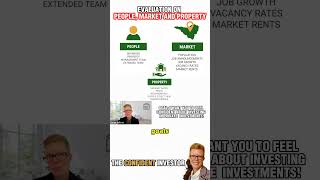
Who Are You Investing With? Mastering Due Diligence for People, Markets, and Properties