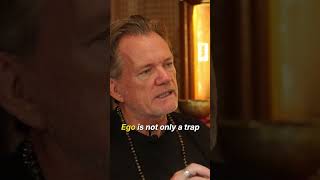
Ego Is Controlling Your Leadership
3 Mar 2026 · 1 min
0:44
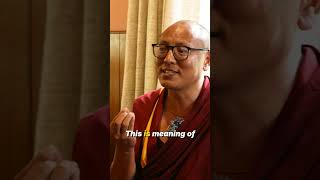
A Buddhist teacher distinguishes between destructive ego, which stems from believing you're better than others, and constructive ego rooted in pride that can motivate leaders. Negative ego creates suffering when others don't respect you; positive ego can actually drive performance.
More from Sergio



youtube.com
The Biggest Leadership Mistake? Thinking You Know Enough | Nenad Pacek | Spiritual CEO Podcast EP05
2mo ago



youtube.com
Trauma Can Either Break You — Or Transform You | The Spiritual CEO Podcast EP04 with Sheena Pirbhai
5mo ago
youtube.com
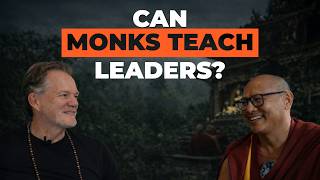
Ego Is Controlling Your Leadership | The Spiritual CEO Podcast EP03 with Geshe Tashi
7mo ago