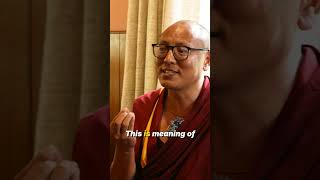
Ego Is Controlling Your Leadership | The Spiritual CEO Podcast EP03 with Geshe Tashi

Buddhist scholar Geshe Tenzin Tashi explains how ignorance and ego distort leadership, causing bias and disconnection from workers. He teaches analytical meditation and the practice of seeing every person as a past-life mother to build compassion. Effective leadership comes from inner transformation, not status or money.
Chapters
What do you think the ignorance is applied or is visible in big leaders?
So many leaders, you know, bias, discrimination between workers.
Geshe, does a monk have attachments?
Of course, all the human beings have attachments.
All the human beings. It is about the roots of the human suffering. The main root is ignorance.
According to Buddhist philosophical view, all our problems, sufferings, traumas, from anger, attachment, and jealousy, and ignorance, and ignorance.
It is also a little bit the fact of not willing to know something?
Yes, if you don't have ignorance, then you can understand true nature of your life, true nature of things.
Dear Geshe Tashi, good morning.
Thank you.
Thank you very much for receiving me at your home, actually here in the Kopan Monastery. And thanks for making yourself available to have this talk with me.
Yeah, you're most welcome.
Thank you very much. Thank you very much. Our relationship started something like 2, 3 years ago when I came here for the first time. And since then we have been able to keep connected in some way or in another, right? This time I wanted really to come and see you and have this conversation with you, you know?
Yeah.
So thank you very much again. I wanted to talk with you about this element of human suffering that we have. You know that I have been working for many, many years in a multinational corporation, and I have worked in many continents, in many countries, and I observed many things. And I observed a lot of things on how people, individuals, and processes in the companies, they get blocked. And they get blocked, then I discover, when I discover Buddhism, certain particular areas where this people development or these processes, they got blocked. And it is about the roots of the human suffering. One of it is, and the root, the main root is ignorance. So how is the interpretation of the Buddhism of ignorance and why is the root of all the sufferings?
Okay. Thank you very much. So according to Buddhist philosophy, philosophical view, all our problems, sufferings, troubles from anger, attachment, and jealousy, and ego, and ignorance. Especially ignorance, the main root of suffering.
Suffering.
All these negative emotions, negative thoughts, like anger, attachment, jealousy, ego, all those delusions come from ignorance. So that's why we, you know, realize that ignorance is the main root of suffering and troubles and problems. In our life, and for others and ourselves. So ignorance, 'mi', means that doubtful, confusing, misunderstand, and see not clear. This is the meaning of ignorance, and wrong conception, misconception, So this is the meaning of ignorance.
It is also a little bit the fact of not willing to know something?
Yes, because there is not understanding true nature. Okay? So this is the meaning of ignorance.
It's not only an intellectual ignorance, it is also like a negativity to understand that there is something different out there, right?
Yes, yes, yes, yes. Different from, you know, in reality. You know, we concept and perceive something different from reality. This is, you know, the meaning of ignorance. That's why we have attachment. That's why we have, you know, ego and jealousy. So, for example, if you don't have ignorance, then you can understand true nature of your life, true nature of things. In this way, you can stop misunderstanding, misconceptions, and ego attachment, so on.
How would you give an example, let's say, of how ignorance is presented to us in our daily life? What could be an example, let's say, for us to understand better in practical terms? When do we experience ignorance?
Oh, yeah. For example, you know, in our daily life, sometimes we get angry, you know, to someone, at someone. And because, you know, this is, of course, sometimes angry from misunderstanding. This is misunderstanding from this ignorance. If you understand true nature, in the truth, you will not get any more angry. For example, and sometimes you attach to, very strong attachment to something. Because, you know, you cling, grasp to these things, because you not understand true nature of these things. That's why, you know, you concept, you think this is very important, valuable, more than itself, true nature. So we attach, this very strong attachment to this, our life, our body, and foods, and reputation, and names. If you understand true nature of what is the meaning of name, what is meaning of the reputation, famous, what is meaning of our body, what is true nature of these things, If you understand, then you can control, you know, ego, attachment, ignorance. Then you can be happy with everything, happy with everyone. Because many problems come from misunderstand, misunderstand, you know. You cannot realize your mistakes, and you don't want to accept your faults. And your mistakes. You always blame on others. This is from misunderstanding. This is from ego. This is from your attachment. You're too much attachment for yourself. You're too much attachment for your family and your body, your life, money. This, you know, attachment bring problem in our life.
What do you think the ignorance is apply or is visible in big leaders?
Of course, leaders, if they have a very serious, big, you know, ignorance, they cannot manage management well, and they cannot organize well. They cannot, you know, communications with other people not well, probably. And they do mistake, so many mistakes, you know, doing mistakes, same mistakes. Mistake again, again, again, again. Everything due to his ignorance.
In my personal experience, I tell you, Geshe, that ignorance is very visible within leaders because they practice a lot ego. Yeah, yeah, yeah. They practice a lot anger by shouting people, by treating them, let's say, not in a proper way. Attachment, especially. I mean, when they are attached to their chairs, to their role.
Yes.
But they don't see the source of ignorance as the source of these situations.
Yes. Yeah, for example, so many leaders, you know, bias, you know.
Bias.
And discrimination between workers.
Yes.
And you and me.
Yes.
And look different, do different, thinking different. All this, you know, this perspectives, you know, views from, you know, ignorance. Yeah. This view bring problem in your company, in your factory, in your society, in your family.
Yeah.
So that's why, you know, all the problems come from ignorance. You know? So if you realize all the human beings are same, they want happiness, they overcome suffering, and same value, and, you know, everyone's same right, they have same rights, equal. If you always think this, and if you realize this, you can, you know, free from many problems. You can be free from many problems, many troubles, and you can find many good solutions, and you can protect your family, your society, and your company from many difficult situations. But unfortunately, so many leaders only thinking for themselves, their family, their own family, and self-interesting, self-benefit. They never thinking for others' suffering and happiness. Workers, they never recognize workers' kind. How is important workers, how is important in our society, in the company. Always they make their benefit, their interest. This is a very big wrong motivation. This wrong motivation also comes from ignorance.
I was telling you before in one of our talks that I differentiate what is a transactional leader to what it should be a transformational leader. And one of the characteristics of the transformational leader, or the skills that they should develop, is equanimity. To be equanimous, to have an equanimous leadership. The transactional leaders, they are more in the way that you just mentioned, so more thinking on them and their family, etc. But the transformational leader arrives to the point that it can to the point that it is able really to detach from his existing role and making to everyone the same treatment and trying to make everyone to have success.
Yeah, and also according to Buddhist philosophy, everything is interdependence. Your money, your life, also from so many different people, different workers, different conditions, different sources. Causes. So that's why if you want to really want to be successful, you know, leader, you must compassionately share with workers and compassionately take care of workers and compassionately you give to advice to them, how to foster them. You know, you should think their life, their life and their happiness and their suffering. Then everyone loves you, everyone trusts you, everyone comes to you. Everyone listen you, everyone follow the rule, everyone follow discipline. Then you can make success and you can achieve some special success in your company. Otherwise, how you can make success one person without their kind, without their hard work? So, you know, that's why number one, we should teach all, all the workers Human being, same like me. All the workers also want happiness, same like me. All the workers don't want to suffer, overcome suffering like me. Also they need a happy life. We should think like this. Then, you know, you can share with— you can share, yes, you know, benefit with your workers. Then this is very meaningful. Meaningful, like leadership. Yeah, exactly. This is benefit leadership. Then you can do many good things for your workers. And you can make their life— you providing, you know, you give a lot of opportunity to them for their life. So that's why we need good leadership. Compassionate leadership.
Compassionate leadership.
Always leaderships need think, you know, equanimity and everyone's equally. Okay, look equally and without, you know, discrimination. This is very important, very, very important.
There is any angle of ignorance that it could be considered as a positive thing to have?
Actually, you know, anger itself, we cannot transform to, you know, this positive emotion, positive thing, positive mind. Anger. But, you know, we can reduce anger. We can control anger. And we can be free from anger. Anger, yeah? Yes. Anger and ignorance, same.
Same.
We can be free from ignorance. Anger, because all this, you know, consciousness, okay, conceptions, anger, attachment, ego, impermanence, they always changing, changing many times within one second and instant. So you can change them and you can reduce them. You can be free from them. Everything depends on yourself. Everything depends on your understanding. You know? Someone, you know, force on you, "Oh, you must stop anger." This is impossible.
Impossible.
Someone have, you know, use a gun at you and force on you, "Oh, you must stop anger and control anger." It is impossible. Anger cannot control anger. It is impossible. Love, kindness, compassion can control anger. So if you try to practice compassion, loving kindness, you can control anger. And you can reduce anger. If you, if you concerned about their happiness. Their suffering. Then you can control anger. Because of course everyone wants happiness. If you angry at someone, they get a problem, they're unhappy, suffering. How we can give suffering to others? How we can make, you know, others unhappy, feeling not good? Because they are human beings, same, same as us. We don't want suffering, we don't want what is a problem. Exactly the same, isn't it?
And how we can work ignorance? I mean, how we can try to find out some practical thing that helps me to understand my own ignorance.
Okay. So according to Buddhist philosophical view, you know, we have many different ways to control anger, and we have many different methods to control anger and reduce anger— reduce ignorance. So first we should listen, you know, and learn, study. Then we contemplate and contemplate more, meditate more. In this way we can reducing the noise.
There is a lot of people, Geshe, that does not meditate. A lot of people doesn't get close to meditation and it's okay, no? There is something else we can We can tell them what to do.
Okay, so actually, you know, meditation means not always sit on, you know, like this, and dark room, in the dark room, in the one, you know, any cave. This is not that's meant of meditation. Meditation, anytime you can meditate. Anywhere you can meditate, you can practice meditation forever. There are two different meditations. One meditation is, you know, single-pointed meditation. You, you know, mind fix on something special, specific object. You, you know, constant focus on something special object. This is one part of the meditation. One part of the meditation is, you know, experiment and examine, you know, research about, you know, something special, object, about life. This is also the best meditation.
This is what you call dynamic meditation?
This is analytical meditation.
Analytical meditation.
Yeah, analyze, you know, and experiment. Oh, what is nature of our life? What is meaning of happiness? What is meaning of suffering? And, you know, very deeper, you contemplate and analyze. This is meditation. This is best meditation. And, oh, what is the meaning of anger? Where is from anger? What is the cause of suffering? What is cause of anger? You know, analyze and understand more, deeper. This is best meditation. This meditation you can do anytime, anywhere. You don't need the money, you don't need the high position, you don't need any special, you know, in the moment circumstance. Anytime you can practice meditation.
You can do it in the flight.
Yeah, in your room, in your office, in your home. Oh, today I have— I had this morning, I had this problem. Oh, this problem from where? You know, what is the cause of this problem? This problem maybe from my mind, maybe from others. You know, contemplate and you know, analyze and experiment. Then you can get more solution, better solution, good solution. You can very good solution to resolve problems.
And anger becomes as such a, can say, common emotion. For many, many people at work, in the family, for leaders, but not for leaders, for everyone. Why is it coming so often, let's say, anger as one of these emotions?
Yes, yes, yes. According to Buddhist philosophy, you know, philosophical view in Buddhist idea, Everyone same, you know. Very difficult to cultivate compassion, loving, kindness, you know, very difficult. But anger, attachment, ignorance, jealousy, very easy to get with your mind, you know. So not only you and me, everyone very easily get angry. Because, you know, according to Buddhist philosophical view, we had numberless lifetimes. During the numberless lifetimes, never ever we try to, you know, reduce anger. Always you familiar to anger, support to anger, you know. During the numberless lifetimes until now. So that's why our mind itself, you know, very close friend to anger, very, very familiar to anger, habit to anger. So that's why, you know, this very easy to get angry.
Is it anger coming also from insecurity, from fear? Is that also the origin of anger, could be the origin of anger, to feel panic or something, or fear, or fear of something?
Yeah, yeah, but as I mentioned that before, anger also from ignorance. Not particularly only this fear and panic, you know, feel. Not only that, not only this. Ignorance is the main cause of anger. So, and also according to the Buddhist philosophical view, we had numberless lifetimes, we create many bad karmas of anger. So that's why this bad karma brings, you know, bring problem, anger in our this life. And we get angry, angry. Angry. Because of course this from past karma also. And also from many different conditions, different causes. So main cause is ignorance. This main cause of the anger. That's why we should understand more about everything. And we learn more and we try to understand true nature of things. If you understand true nature of life, true nature of human beings, then you can reduce ignorance. If you can reduce ignorance, you can reduce anger. It's very easy. Easily you reduce, you be free from anger.
And when you are suffering anger, you are not only, let's say, making harm to you, but you are making harm to others.
Yes.
It cannot be that you are making only harm to you. I mean, there is always a consequence to others, isn't it?
Yes.
There is a way to express anger and to reduce this suffering that I might make to others and to myself?
Yeah, I tell, you know, my friends, always I tell my friends, You know, anger is really meaningless in our life. Anger is not necessary thing in our life. You know, anger never support you. But many people misunderstand that, you know, anger support me. If I get angry, then I, you know, I can be a winner. I can victory of others, you know. So this is very big mistake. Misunderstand or wrong. Anger never support you, anger never help you, anger is totally, you know, meaningless things and not necessary, not necessary in our daily life. You know, this is very clear. If you're angry, then bring problem for yourself, for others. Anger, you know, anger only has potential to destroy, destroy your peace, inner peace, inner strength, inner happiness, and destroy your life and others' life. If you're angry, other people not happy with you. How can come to you? How can be happy with you? If you always angry, angry, angry, angry, nobody can be happy with you. Nobody trust you. Nobody come to you. So anger, you know, make distance, always distance. Although you always your good friends, you push away, push away by the anger. Love and kindness, you know, loving kindness, compassion, bring everyone's brain to yourself, bring to you, you know. Everyone's love you, everyone trust you if you have loving kindness, compassion. But Anger is totally, you know, opposition, opposite, you know, antidote to the love and kindness. Always agitate your mind by the anger, you know, and if you're angry, you cannot be happy person. If you don't want to be good person, If you don't want to be compassionate person, then how you can be good leader? It is impossible. Always you angry, angry, angry, angry. You cannot be good mother, father, and parents, you know.
Which are the evidences or the evident forms of anger? I mean, how we— because I think that there are many ways to be angry. You know, one, it could be that it's a disagreement. Is jealousy, for example, a way to express that I'm angry? Or are there any other ways of anger, let's say, the typologies of anger?
Because, you know, we misunderstand And we always want to blame on others. And we don't want to accept our mistakes and faults. So you want to angry.
Yeah, so we put the responsibility on others. That's a way of anger, right?
Yeah, this is one of anger. Exactly. Angry, you know. And if you practice loving kindness, Then you can reduce anger. You know, so, and first you need to know more about anger. What is meaning of anger? What is consequence of anger? Where is from anger? You learn more about anger. You look at anger. Okay? Yeah. When you understand true nature of anger, then you can control anger. Then you can reduce anger. Very easily you can give up anger. Because you know, you understand very clearly about anger, true nature of anger. As I mentioned that before, nobody can stop anger with force on you. Use a santi tool, gone. Nobody can listen, nobody can stop anger. But if you understand true nature of anger, Then you can stop angry. You can reduce anger. That's why we need to understand more, contemplate more, meditation more, meditate more. And then you can be free from ignorance. Ignorance also misunderstand, misconception, confused, doubtful, not see clearly. To nature. So you have problem. So that's why we should learn more. Not academic something, modern academic. No, education. They should learn, "Oh, what is meaning of life? What is nature of life? What is nature of human beings? What is the true nature of happiness?" You should learn these things, you know, listen, contemplate, and meditate on these things. Then you can be free from many, many things, many difficult situations.
One of the elements that I'm observing in the company that I have been working for many years, but also in the companies that I'm advising today, I'm supporting today, they usually have a kind of a yearly employee survey. And there is one typical question that those surveys they make, and it is, what is your level of stress? And I didn't find any company where their employees are not expressing a high level of stress. Do you believe that the stress Or that the anger is a great source of stress in the people?
Yes.
It is.
Yes, yes, yes, yes. You know, anger is the main cause of depression. Depression. And stress. And anger is not good for physical health, mental health. Many, you know, mental illness from anger and stress from anger. If your mind too much narrowed, you know, very narrow, you know, then you get angry, you get stress, depressions, you know. So that's why, according to the Buddhist philosophical view, we should, you know, awake our mind from ignorance. And we should open our mind. And we should make huge, you know, big, bigger, wide our mind, like ocean. We can make our mind like ocean. We can make mind like sky, space. And you can fully, you know, awaken and enlighten your mind. Then you have no any more stress and depressions. If you keep very narrow mind, you know, then always you get problem and suffering, stress and depressions, you know, from your mind. With your mind. Everything from your mind. If your mind, if you change your mind attitude for better, open your mind, much better. You can make your life easier. And you can make your life meaningful. If you open your mind, you can see true nature of life. If you close mind, very narrow-minded, you cannot see true nature, then you misunderstand, then you're angry, then you attachment, then you to stone attachment, then you get jealousy and ego, then you destroy your life in this, you know. So that's why, you know, we try to make our mind like ocean and sky and space. Then nobody can you make angry. Without, you know, change our mind side, mind attitude for better, and without, you know, open our mind, very small influence, you know, change your mind and harm to you. Very small condition, very small influence, you make you unhappy. You know? Something very small reason, but you unhappy. Because your mind is too narrow. If your mind is open, nobody can make you angry. You can be patient with anything, everything, because you can understand everything.
Because it happens, that sometimes for nothing you get upset. It happens to me, I think that it happens to everyone.
Yes, for example, like the sky and space. Blood cloud, or this black cloud is coming, go. You know, the birds coming, go. You know, floating. Like same, like, if you make your mind like space and sky, you know, this negative emotions come, can come, go, and solve. They cannot harm you. They cannot change your mind side. They cannot give you any bad emotion, you can be free from many difficult situations. So that way, everything depends on yourself. That way, first we should try to change our mindset for better. If you change your mind, you can change yourself. If you can change yourself, you can change other people. You can change the world. If you don't change yourself, how you can change your workers? Your people, everyone look at you. For you are a leader, you are best, you know, symbol and model for the workers. Everyone look at you. You never change. You always jealousy, very strong ego.
Strong voice, shouting.
They don't want change themselves. If you change yourself, be compassionate person and reduce jealousy and ego, everyone follow you. Then they listen you, they want to follow you.
They will act as you as well.
Yeah, then you can change their life. Then everyone, you can change everyone. Yeah. First we should change. Yeah. This is important.
But Geshe, once again here, in the actions I mean, what we can say to a person that is at work and is having this feeling, this emotion of anger, and he cannot go out of that? What we can tell this person? I mean, how to overcome this anger?
Yeah, as I mentioned before, first you share with him or her What do you understand about anger? Okay. And you must tell them, first you must understand more about anger. What is anger? Where is from anger? What is the cause of anger? What is the result and consequence of anger? If you anger, if you angry, if you happy or not? Everything we can see clear in our daily life. You know? So that's why first we should contemplate on anger and try to understand more anger. Then we don't need any special effort to control anger. It is naturally, automatically, we can reduce anger. Anger separated from us. If you understand anger, You know, you never support anger. Otherwise, you know, everyone supports anger, you know. So you support anger, then anger, you know, goes up.
Goes up.
You know, like come up.
Yesterday or the day before, in our talks, you told me something very, very beautiful that remains in my heart, that it is the relationship of kindness anger and the mother, that we should consider everyone as our mother, right? So if you can explain that again.
Oh yeah, yeah, yeah.
I think that that's a very good tool for the people to think, you have been my mother, so I cannot get angry against you, right?
Yeah, according to the Buddhist philosophical view, Buddhist idea, you know, we say Mother sentient beings. That means, you know, all the sentient beings once our mother in the past life. You are my mother, you are my mother, you are my mother in my past life. Because I had numberless lifetimes, that I have numberless mother. And father. When I was born from animal, I had animal mother, animal father. When I was human being, I have— I had, you know, human mother, father. So each lifetimes you change your mother and father, isn't it? So, you know, we recognize all the sentient beings once our mother in past life. So that's why how you can harm to others, how you can attack to others, how you angry to others, because all the sentient beings your mother in a past life. Same kind, same sacrifice for you is our this mother. This life mother, same. Because you know, Someone, you know, helped you in the last year. Someone give you a lot money. Someone give you a lot of money in this year. These two persons same kind, isn't it? Exactly same. You cannot say, you cannot forget that person who, you know, give you money in the last year. So that's why when we see dogs, cats, animals and poor people, street people, we should think, we should realize, oh, he is once my mother in my past life, so I want to help him, you know. So I need to give something to them. I want to support them. I want to take care of them because of them. My once mother, my mother in past life, how I can, you know, not ignore it. How I can care less about their suffering, their life, their happiness? Because they were my mother. So then if you choose to recognize like this, practice like this, then you can reduce anger. And then instead of anger, you can cultivate compassion and love. Becomes kindness for everyone, every sentient beings.
I think that is a fantastic, let's say, exercise.
Then you can get some warm feel when you see dog, you know, sick dog. If you realize, oh, this was my mother in my past life, then you really get a sense of feel. You really want to help this dog. Notice that something like feed warmly, what is compassionately, and with something very connected to your mind, you can help, you want to help. In this way you can reduce your anger and you can control, you know, harm to others.
The anger as an answer of protection. I mean, let's imagine for a second a mother that is protecting their kids from someone that wants to do something wrong to them, let's say, and she really gets anger and, let's say, do harm that person that is coming here to do something wrong. Is that, let's say, a negative thing or it is a part of the anger that we should keep a little bit there?
Of course this is negative, you know.
It's negative?
Yes.
Still negative.
So, for example, you know, all the parents love their child.
Yes.
It's under, you know, no question. But some parents are very angry to their children. Their child and they give punishment to the kids.
Yes, that's very bad.
Yeah, this actually, you know, this is okay. One said parents love to them and they care of their life, but if you give punishment with anger, very bad, you know. If you Give punishment with your good motivation, compassion, loving kindness. This more effect to your child. Then really your child, you know, they want to change themselves. Otherwise, you know, you angry and give punishment, of course this is for them, but they don't want change. This is not affect their life, not benefit. So that's why according to Buddhist philosophical view, first we need a good motivation. If you slap, you know, small slap to your child, you need good motivation and you need compassion. Then this is very effect and benefit for them. This means everything depends on motivation. Sometimes an action is same, okay? But the motivation is different. So that's why consequence is different. Motivation is very important. Very, very important.
So then if in the case that I'm suffering a kind of an attack from an external person, and I get anger to defend myself, to defend my kids in that case, then it's okay, in a way.
Yes, it's okay.
It's okay, because this is a part of the anger that we should keep, let's say, but it has to be connected with the motivation. I mean, the motivation in this case is protection, is to protect, let's say, you know, Protected their life. Protected life, so that it is okay.
Yes, yes, yes.
Geshe, how do you define attachment in Buddhism? For the Buddhist philosophy, what is basically the definition?
Actually, in a Buddhist idea, this attachment means our minds cannot separate it from something. Always our mind with them. Always, you know, mind, you know, observe and, you know, cling something. This is meaning of, you know, attachment. For example, you know, I attachment my mobile, okay?
Yes.
My mind always with mobile.
Mobile.
Cannot separate it from mobile. This is meaning of attachment.
Addictions is attachment, right?
Yeah, addiction. Very bad addiction. But, you know, it's okay. Limit attachment, not so bad. You know, but too much strong attachment is very bad. Okay? Okay. Too much attachment. For their life, our life, our family, our reputation, name, money. Then big problem. Then you cheat others, then you lie on others, then you steal, kill others. Because you too strong attachment to money, to life, and this life. This is totally wrong, you know. Actually, this is from man ignorance. If you really want true, you know, the happiness and happy life, how you can steal, how you can lie, how you can cheat, how can kill others? It is no way to get happiness from these actions. That's why, you know, if you too much strong attachment to someone and to something, This is the main cause of suffering, cause of problem. Actually, according to the Buddhist philosophy, attachment is main cause of suffering. That means, you know, I attached to my mobile, okay? Broken my mobile, I unhappy. I'm very sad, feeling sad, worry. But they are more broken, I don't have any special feeling.
Hopefully you will not be happy.
There are some people happy.
Yeah, some day become happy.
This is meaning of, you know, attachment is a cause of suffering. You know, if my family have some problem, I'm worried, I'm unhappy, because I too much attached to my family. Other families get trouble, I never fear. I mean, I heard someone died yesterday, but I don't have any special fear. If someone in my family died, I feel worry and suffering and cry, because, you know, I'm too much attachment to my family. You know, this is, you know, even this, this is a proof, you know, attachment is main cause of anger. Really, you know. So someone, you know, too much attachment to girlfriend, for example. Then someone look at his girlfriend, you know, the smell, he get problem. He worry, angry, suffering. Why? Because too much attachment to girlfriend, for example. Really, you know. That's why, you know, we should reduce, try to reduce that. Attachment. This is very important.
What does it help us to think in reducing the attachment? Is the concept of the law of impermanence that helps us to reduce it?
Yes, yes, yes. We should learn many things. How to reduce attachment, how to, you know, release, remove attachment. And you should understand more about interdependence and impermanence. And the nature of the impermanence, nature of the things. Then you can reduce attachment. So for example, you know, this might maybe look something like funny. You throw much stone at— what is it? Stone attachment. Someone, okay?
Okay.
Then you ask to yourself, why? Why I too much attachment attached to that person? Why? Who is that person? What is the nature of his, him, her? You know, you contemplate and analyze nature of true nature of the him or her. He suggests he may be They made of, you know, blood, bone, and meat, you know, flesh, something, you know. It's not something special, just made of this, you know, 4 elements. This, you know, every day change. Many times it change within 1 minute, 1 second, you know. One day, of course, one day he dead. Age, old, become ugly. One day he will die. One day he separated from me. It is the nature of our life. So how, why, you know, it's too strong attachment to him or her? Why? No reason. You can love, you can take care of him, you take care, you can take care of her, you love, you can love her. But love and attachment different. Love is always positive. Attachment is a negative emotion. Negative emotion always bring problem. Positive emotion always bring happiness in our life. It's a very big difference, isn't it?
Is it attachment also driving toxic behaviors between the people? Toxic relationships?
Yes, yes, yes, yes. Yeah, if you never think about what is disadvantage of attachment, then you know your attachment always increase, increase, increase, increase, increase. You know, then have, you know, something like you become a habit, enter your mind, you know. They become familiar to that, you know, attachment. And then you become crazy with, by, you know, attachment. Some people drink too much drink, then become crazy. Some people too much, too strong attachment, become crazy. Same. Some people, you know, angry, angry, angry, angry, then become crazy. Same. So that's why we try to remove. Understand more about attachment. This is very important before you become a crazy, isn't it?
And where do you see, or how do you see reflected in the business life, in the leadership side of people? Where do you see attachment expressed in a very strong way?
Yeah, as I mentioned that before, you know, same, same leaderships, too much attachment to money and their reputation, you know, their name.
Reputation, yeah.
Oh, I want to become famous, famous, famous, famous. Truths don't attempt to make famous. And reputation, just name, you know. Oh, I want to get this name, this name, this name. Then I want to be boss. I want to be rich. I want to be, you know, best leader. Too much attachment, strong attachment to these things, then bring problem. Then you cannot do good things for others. Then you cannot control, you know, these bad emotions. Then you get problem, you know. Because we are human beings. Okay, if you have once $1 million, you cannot be happy. You need, you need more. You want more, maybe $2 million. When you have $2 million, you have more. You cannot be satisfied with $2 million. You need more, more, more, more, more, more. Exactly same, everything same. If you get this name, But you need another higher name. If you get this position, you need another position, a higher position. Then you'll be happy. You never can, you know, satisfy. You cannot be satisfied. We have to control our mind. We got contentment. So that's why we should contentment. We need content, you know. So I sometimes I I tell my friends, you know, for example, I think it depends on mind. I think it depends on self. And if you contentment, then you can be happy, you can be satisfied with your life. In Nepal, in some area, remote area outside the Kathmandu, many poor people, many, many poor people, you know, very simple life. They don't have washing machine, they don't have coffee machine, they don't have air condition, they don't have road, but still they are happy. They are happy. Still they are happy. They can smell genuine smell, not artificial smell. They still share with other people, take care of others, help to others. Still they are happy.
They will welcome you at home?
Yeah. So because they have only very limited expectation. Okay? So rich people and higher leaders, they have, you know, very higher expectation. They never get satisfaction. So that's why, you know, ego, very bad for leaders. Ego means, you know, oh, I am boss. I'm better than you. My workers, because I'm boss. Oh, I am rich because they are poor. Always be this mindset, you know, then big problem. Always, oh, I am better than you. I am better than workers. So I want to control them. I want to scold. I want to bully them. This is very big problem. So according to the Buddhist philosophical view, many good practitioners They always think, "I'm lower than others. Everyone's better than me." As I mentioned that before, everyone has good quality. How you can say he is lower than me? I'm better than him. In some way he is better than you. Of course in some way you are better than him. But how you can say I'm always better than him? How you can say I'm always boss? Now okay, now you are boss. Maybe after one year, two years, maybe he's become your boss. It's just the life nature. So that's why when you're boss, you must take care of workers and compassionately and you love to them and you must think equally.
And actually thank them because you are there because Because then, right?
Really, really, really, you know.
And letting go attachment. How do we let it go?
Release?
Yes, release attachment.
Yeah, if you understand more about reputation, name, this life, then you can release attachment. Or what is the meaning of the name? What is the meaning of meaning of position, what is meaning of life. According to Buddhist philosophical view, everything just name.
Okay?
Just name. Everything, you know, we cannot be found. So, you know, oh, where is Geshe Tashi? You try to find yourself, you cannot be found. Where? Where is high position? Where is good name? Where? You cannot be found. Be found. Okay, you meditate on yourself. Where is I? From, you know, crown to toes, you try to find yourself. You cannot be find. Where? Your head is not I. Okay, my head is not I. My legs, my body is not I. My consciousness is not I. My body, all body parts is not I. Where is I? So what is, where is this higher position? Where is this name? Everything just name, everything is just label, just imputation, just conceptual imputation. You cannot be find. So for example, oh, someone very beautiful, very beautiful, but if you try to find where is this beautiful person, you cannot be found. Really, this is just, you know, by your mind. Good, bad, higher, lower, everything made by your mind. By your mind, by your mind. Some people say coffee is very good, very good. But some people say, "Oh, coffee is very bad." This just depends the mind, by the mind. Good or bad, everything's By their mind. So that's why some people can be happy with hot water. Because hot water very good for them. Some people cannot be happy with hot water. They need coffee. Because they cannot be happy with hot water. Because their mind don't like hot water. For their mind hot water is bad. Coffee is better than hot water. But some people cannot be happy with coffee. Still they want to drink alcohol and wine and expensive drinks. Because they cannot be happy with coffee. Because their mind don't like coffee. Coffee is, for them, coffee is not good. Alcohol better than coffee. Everything depends mind side. Everything depends on your mind. So that's why if your mind good balance, if you have make good balance of your mind, everything good, bad. Everything can be good for you. If you have pure mind, everything pure for you. If you have a good mind, good heart, everyone good. Everyone good person. Really?
Yes. Geshe, does a monk has attachment?
Of course, yes, all the human beings have attachment.
All the human beings.
But we should try to control. If we always, you know, follow our attachment, then we get problem. That's why we should control, you know, attachment. For example, oh, really I want to drink some, okay? Then, oh, if I drink, this very bad, you know? I will have a—
I will drink alcohol.
Yeah, drink alcohol. So maybe I get trouble in family with my, you know, parents. So that's why I should control attachment to drink alcohol. You can sometimes, you know, you can talk, you can discuss with your attachment. Otherwise you have so many sort of, you know, information from attachment, isn't it? If you go supermarket, okay, your attachment give you many information. Oh, you buy this, oh, you buy that, you buy this, this, this, this, this, but you don't have money. If you follow your attachment, then very big problem. So now you think, you know, oh, I want to make money because I want to buy this, this, this, this, this, you know. So that's why you should control, you know, attachment. And you reject, you know, attached, means, you know, information. Oh, I don't want to buy this. I don't like this. I don't follow you. Always you try to this practice, then you can reduce your attachment. Really, you know. Someone really want to sleep in the morning, for example, until 10 10 and 11, for example. So this also attachment problem. You know, too strong attachment to sleep. Otherwise, okay, you should think, if I sleep, you know, until 10, this better, or I wake up early morning better? Better for my life? You check. You know, contemplate and analyze. Then you can find some key, you know. Oh, if I wake up early morning, it's better for my life. So now I must change my, you know, mind attitude. This, you know, I try to reduce this attachment. I must try to wake up earlier, earlier, earlier. Once you try, you try, try, try, try, try. After one month, no need one month. Then you want to, you can wake up early morning. You create your habit. Yeah, this become habit. If you always follow your attachment, attachment, then okay, today you must sleep until 10. Tomorrow you until 10:30. Tomorrow maybe if you have time, maybe whole day you want to sleep. Isn't it? Same like drinks.
First an attachment to geographical places, the place that you have born, for example, and you remain attached or not?
That means, you know, attachment to my country?
Yeah.
Yes, yes.
Remains, huh?
Yes, yes.
And you have to work about that, right? Yes, yes.
Yeah, I have attachment to, you know, my country, my family, my friends.
Tibet, right?
Tibet, good foods, good drinks. But of course, you know, I tired, I need to, you know, control. Control. Attachment. And understand more true nature. Very, very helpful. For example, oh, I'm the attachment to, you know, my country, for example, Tibet. Very strong attachment to Tibet. Why? Because I born belong to that. Okay, but I'm in live in Nepal. Nepal can be my home. Nepal can be my country. Why not? Yes, same. This is one life, isn't it? Everyone same guest on this Earth. Maybe for 10, maybe 60 years old, 80 years old, 90 years old, maybe 100 years old. After that, and everyone's go. Have to go from this earth. We cannot say, "Oh, this is Nepali, this is Tibetan, my country, my country, my, my, my, my, I, I, I, I." This is the problem, you know. Always we think I, I, I, my, my, my, my, my. This is main cause of problem. Really. According to Buddhist philosophical view, everyone can be family. All the countries can be our home. Why not? Because we are same human being. Because anger, attachment, you know, then make distance, make separated from us. Then war, then fight. Everything from this anger, attachment. Isn't it?
This is a very good message, Geshe, for, you know, how many people working in business, they are moving from one country to another, and they found very hard difficulties to get adapted to the new reality. So what we call the expatriation, the expats. There are many, many cases of people that suffer quite a lot because of the expatriation, even when they have much better conditions in the country of destiny. But they cannot get adapted, they cannot make their own friends, they cannot make— they don't see the beauty and the abundance in the new place. They are always comparing, remain attached to the original country from where they are coming from, to the point that they are suffering so much that many times they have to go back because they cannot resist.
Yes.
So it's very nice, very beautiful message what you are Yes, yes. You are giving here. We go to the last one. You talk quite a lot about it, but it is such in business, it is in business life, in leadership life. It is so— I think that it is one of the most evident and the ones that it really ruins a lot, that it is the ego. This ego that really destroys, destroys you, internally, but it destroys the— What is again the Buddhist philosophy about ego?
Yes. As I mentioned that before, ego means, you know, "Oh, I'm better than other people. I'm higher than others. Oh, I'm from a better country, a good country." Oh no, no, I'm from better family, rich family. Oh, I have very good family. I have good parents. This is ego. Ego, you know. Oh, I'm a boss.
It's when you are talking about you.
Yes, about me and same, you know. Everyone said that. Same. Everyone think, oh, I'm a boss. I'm a teacher. Better than you. This is ego. If you think this, then there problem. And someone don't respect you, you are very unhappy. Because your ego. I'm better than you. Oh, I'm your teacher, why you don't respect me? This from ego, problem from ego. Isn't it? Oh, I'm a boss, why you don't respect me? Why you should don't show respect to me? Why you not serve me? Because I'm your boss. Always we follow this kind of things, ego, then you have problem. Of course you have different position, okay, different education, different qualities. Of course now you are boss of them, but in your mind you must think, oh, I'm same level. I'm always the same. If you can think I'm a lawyer, then it is good for you. In your mind.
Good to put you lower.
Yeah, lower than me. This is more easier for you. Then your life become easier. Yes. Then someone don't show you respect, still you are happy. You can be patient. Because I'm lawyer. Then you, no problem, you don't respect me, I'm so happy. If you always think I'm better, better, better, I'm rich, blah, blah, blah, blah, then you have problem. Somewhere, you know, okay, someone don't know you rich or you are leader or not, you know, and accidentally, somewhere, you know, don't you respect you and don't, you know, something show you, you know. Something like a bad, you know, expression. You unhappy. Yeah. This is from your ego, you know. If you have very strong ego, then you cannot be happy within your society. Because you cannot talk to other people compassionately. You cannot smile, you cannot share. Because you always think, I'm better than you. How I can talk to you? How I can compassionately I can talk to you, or I can drink with you, because I'm better than you. I'm your leader, I'm your boss. This is always a problem, a very big problem.
But the society in general gives food for feeding the ego as well. Yeah, I give you an example. For certain things you are invited if you are the CEO or the president or the someone, you know. If you are not someone, you are not invited. So it is like the society itself fuels the ego of many people. I have to be there because then I will be able to participate in this or that. Isn't it?
Yeah, this is, you know, of course this is just name, you know.
Yes, labels, right?
Label. Man, different position. But I don't talk about in ancient time. I talk about, I'm going to talk about this modern time, you know. In this time, 21st century now, almost finished, and 2025, you know. So if you, uh, respect it to everyone And if you compassionate, talk to everyone, share everyone, this is, you know, meaningful life. This is a happier life. Then everyone love you, everyone trust you, everyone come to you, you know. So for example, if you, you know, love to someone's young people, younger people, they love you. Animals also, if you take care of animals, you love animals, you compassionate take care of the dogs, the dogs come to you. The dog respected you and loved you and, you know, believe you, rely on you. Same in your society, in our society, in your company. If you love to everyone, take care for everyone, everyone come to you. You don't need to give punishment.
That's a natural leadership you gain, right?
Yeah. This is the best qualification of leadership. You know, reduce ego and promote and cultivate compassion. This is the best quality of qualification of leadership. Really, really. If you really want to make success in a company, And you want to achieve some successes in your life, you must be compassionate person. And be patient. And you look equally everyone same. And you take care of all this your workers same like your child. You must try to be best father of a family. Then you can make, you know, warm, happier company. Then your company can be a success. No doubt.
You know that it's a little bit like a taboo in the companies, let's say, living.
Yeah.
When you are saying, when you are willing to really have a happy company.
Yes.
Because the world makes that the companies, they should be serious things.
Yes.
So it goes against happiness. So everything has to be structured and serious, etc. But if we can have our companies and our people very happy, expressing happiness, then success is—
Yes.
Geshe, there is a possibility that ego is not a trap but a tool?
How to control ego?
No, my question is if there is any possibility that ego is not only a trap, is not only a suffering source, but it could be also a tool for something positive?
Actually here, according to Buddhist philosophy, there are two different egos, I think. Some ego, you know, more like positive, proud. Okay, you know, proud.
Okay.
Negative ego, you know, always negative. You cannot transform to positive.
So being proud is a positive side of the ego?
Yeah, this, yeah, yeah, yeah, this can be. Yeah. Because you know, you rejoice yourself. You appreciate yourself. Oh, you be happy with yourself. I'm good leader. So, you know, I can do many good things for others. So I'm proud of myself. I'm proud of you, proud of my company. So this is positive.
So for example, when I told you yesterday, the day before, no, when I, we were talking about my book, no, The Transformational Executive, no. And I told you, no, when I received the printed copy at home, I read and I open it from the box. For me it was a very pleasant moment. And I felt a lot of proudness because it took me 2 years to write it down. But that's not ego, right? It's a positive proudness. I was really proud, like when I had my daughter, actually. It was a similar thing.
Yes, yes, yes. So I always tell my friends, if you really want to be successful in life and you achieve success in your life, You must, number one, you must be a happy person. Number two, you must be a good person. And then number three, you must try to do something good for others. For others. Then your life can be meaningful. Meaningful, yes. This is the meaning of meaningful life. Number one, be happy. Number two, be good person. Number three, try to do something for others. Because we are human being. We have very special wisdom and ability. We are not animal. Only eat, only sleep, only talk. Not like that. You know? We must be something big different from animals. That means, you know, help to others. Do something for others. Then you happy. Then you get a happy life, happier life, you know? Meaningful life. Really, you know. So that's why number 1, we should be happy. Number 2, happy people and be good people and try to do something good for others. Then you can make success. Also, leaders, same. Try to make your workers happy, happy. Really, you know, at least you can smile to your workers. They are happy. Compassionately talk, they're happy. If they're happy, they work hard. They're honest, loyalty. They love your company, love their leader. Then easy, everything easy.
The energy flows, the positive energy flows.
Then you can make success in your company. So that's why, you know, everything depends on your mind attitude. Okay? So that's why we should change mind attitude for better. Then we happy. So number one is okay. Most important is we must be happy for the moment. Happy for the moment. For example, now we are very happy. Very happy. For example, you know, we must be happy. For the moment, this is most important. You don't think too much tomorrow. And you don't remind your past, what bad happened in past. Past, not necessary. Past is just past, you can't change. You cannot change. Isn't it? You must, you know, be happy for the moment and you try to go on the right way. In future. This is the best life, isn't it? And more thinking about inner peace, inner strength, inner value is very important. Because according to Buddhist philosophy, we cannot buy happiness from market. Happiness is not from outside. Happiness not from money. It's very clear. Isn't it? Where is happiness? Happiness within our mind. If you try to find happiness with your mind, you can find. If you try to find happiness from outside, in the market, no, it is impossible. That's why everything depends on mind, mind, mind. You know, if you really want happiness, find happiness, you must change your mind attitude for better, then you can get happiness. Happiness from your mind, happiness with your mind, not outside.
And I'm super happy, Geshe Tenzin, that we had this beautiful opportunity. I really thank you for this time together. I think that it was super. I really feel happy about what we have done. And I hope that people will listen to us and learn something, let's say, from all the things that you have taught us during this time here. So thank you very much. Thank you. Thank you. Thank you.
More from Sergio



The Biggest Leadership Mistake? Thinking You Know Enough | Nenad Pacek | Spiritual CEO Podcast EP05



Trauma Can Either Break You — Or Transform You | The Spiritual CEO Podcast EP04 with Sheena Pirbhai