In this devotional teaching for the Grace Space community, the speaker introduces the virtue of contrition, defining virtue as a high moral standard demonstrated through behavior and contrition as a repentant, remorseful heart. Using Luke 4:18—"He has sent me to heal the brokenhearted"—the speaker explains that Jesus’ mission is to restore the brokenhearted by reconnecting them to the Father through knowledge, understanding, and wisdom. The talk links contrition to wise living, arguing that a repentant heart moves believers from foolishness to wisdom. Practical steps are offered: identify personal guilt, confess and surrender to Jesus, seek divine understanding, and physically write Luke 4:18 on the “canvas of your heart” as a devotional exercise. The speaker emphasizes that this process heals spiritual brokenness, transforms a heart of stone into flesh, and enables fruitful multiplication of God’s word in daily life.
Chapters
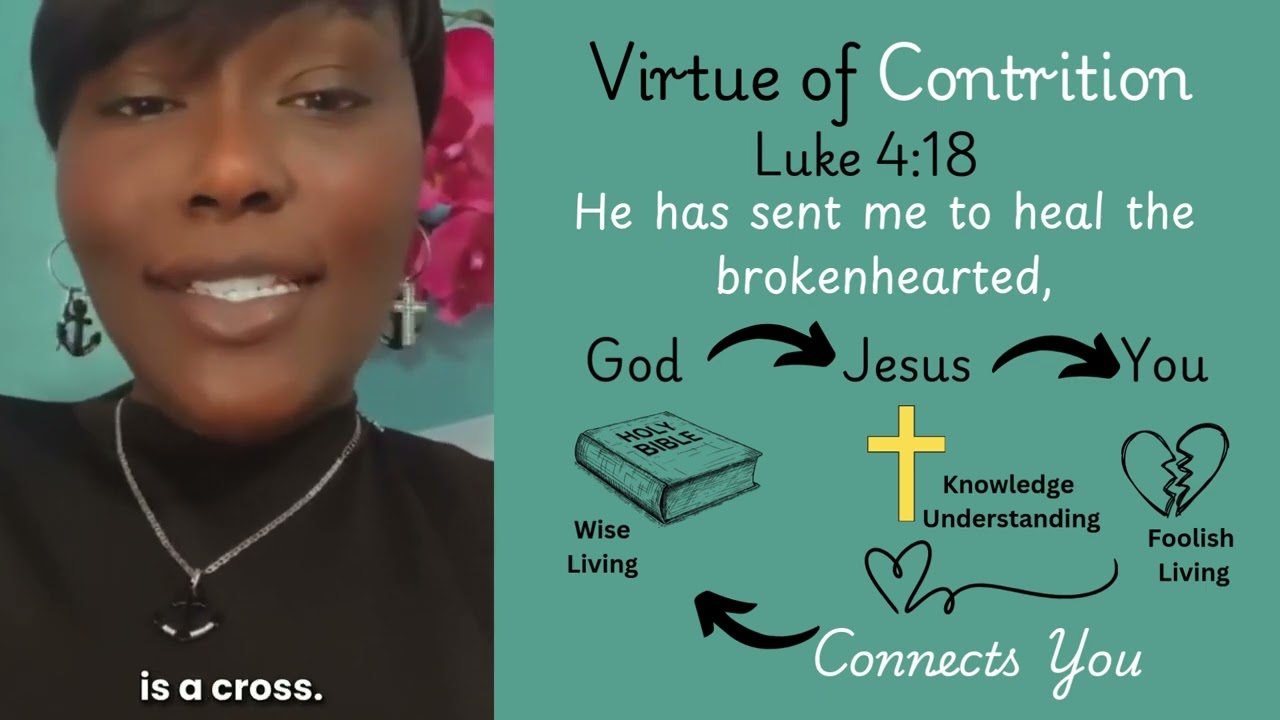
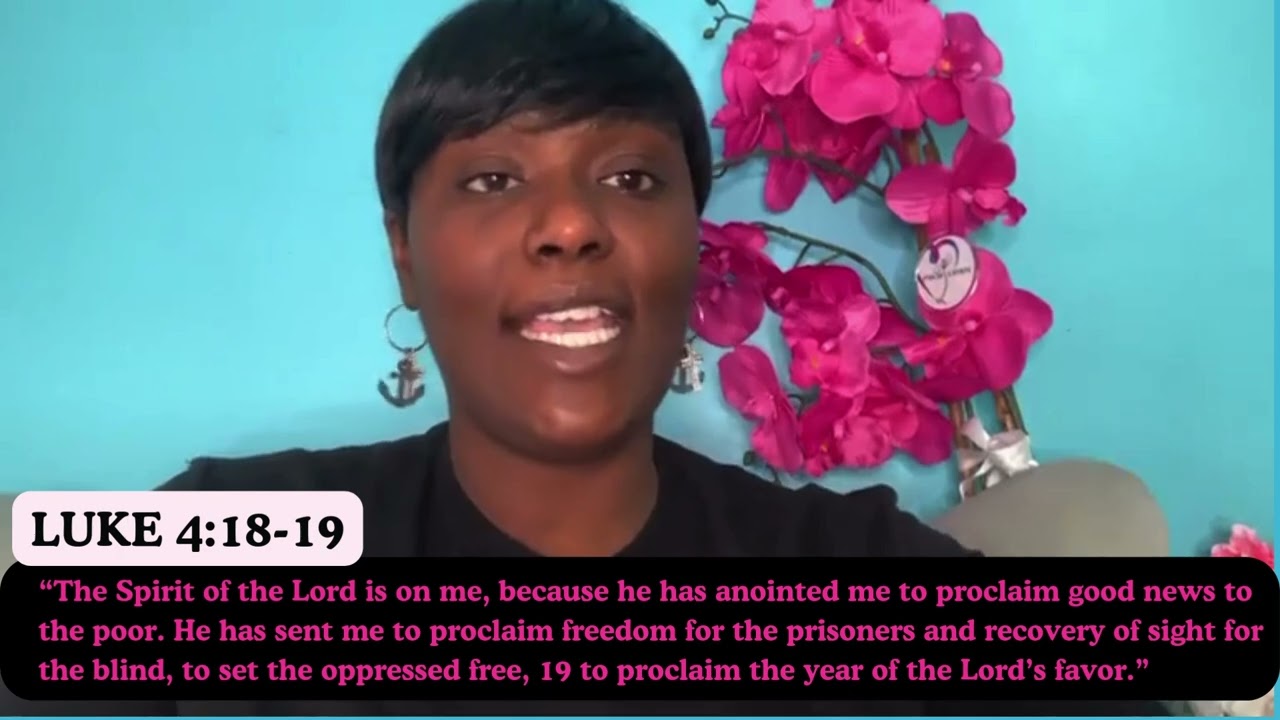
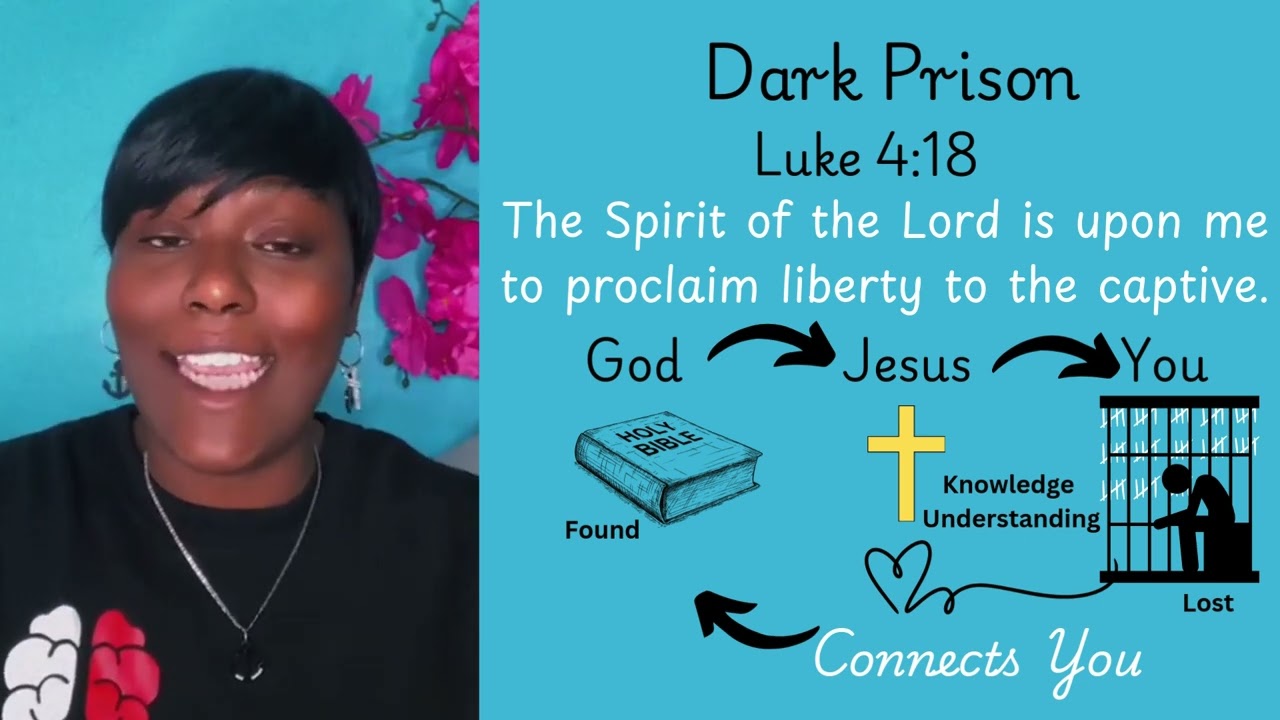
Greetings, Grace Space fam. I'm excited to be here today as we continue to be fruitful and multiply and multiply the word of God in our life as we do our daily reflection, our devotion, and our daily strategy and approach. Today I want to talk about the virtue of contrition. Now first, let's reflect on what is the virtue of contrition. Virtue is the behavior of showing, you know, moral— or, you know, your moral standards. So like honor and up— being upright. So that's the virtue. That's what virtue is. So if you ever heard patience is your virtue, that's the behavior showing that you have a high moral standard of patience. But today we're going to be talking about showing honor in contrition. Now, contrition and, and also being upright in contrition. Now, what is contrition? Contrition is the state of feeling repentant or remorseful. So it's basically where you may feel, you know, you regret some things or you feel guilty of some things. But we're talking about a virtue, like high moral standards. I want to connect that Today and our devotion. So we're going to be reflecting on how we can have and show high moral standards in being regretful or guilty, or, you know, having a repentant heart and understanding what that means. And so we're going to be studying Luke 4:18, and we're going to be devoting ourselves to get an understanding out of the, the word, which is Luke 4:18, and how we can get an understanding of the virtue of contrition. In Luke 4:18, it says, he has sent me to heal the brokenhearted. Now there's more to it, and we'll dive into it. So in your time of reflection, devotion, as you write it on the canvas of your heart What you guys will see is the canvas that I created as the main picture, so that as you write it on the canvas of your heart and get an understanding and apply it to your daily life, I want you to write Luke 4:18 and devote yourself to doing the devotion of writing it on your canvas of your heart. However you get an understanding, write it on the canvas of your heart. And understand that he has sent me to heal the brokenhearted. And let's break that down. Who is he? This is Jesus speaking. So he's saying God the Father has sent him, Jesus, to heal the brokenhearted. So when you think about the cross and we think about hospitals and things of that sort, the symbol for healing is a cross. So therefore, Jesus has to heal us, the brokenhearted. He has brought us understanding and knowledge through his life. And so when you think of healing, the knowledge and understanding— that's why I said the fear of the Lord is the beginning of wisdom and knowledge, and under— and knowledge and understanding of the Holy One. So when you get knowledge and understanding of Jesus and receive, you now— your, your understanding is being connected to the Father. And so when we are brokenhearted, it's because we are feeling disconnected from our Father. And so that's why Jesus said, I come, he has sent me to heal the brokenhearted, so that he can connect us back to Our Father, back to God, and walking in the fear of the Lord, in wisdom, and so that we can live wisely. So this is the value— the, the, the virtue of contrition is helping us to go from foolish living to wise living. When we have a remorseful or repentant heart, it connects us back to God through Jesus, the knowledge and understanding that he heals the brokenhearted and he binds up their wounds. And how he does that is by providing you understanding and knowledge of how to live in the way everlasting. God is an everlasting Father, so therefore he allows us to live in the way The truth and the life that God has given us. And he has given us his Son. He has given us Jesus so that we can have a repentant and remorseful heart. And that's what heals us, our brokenheartedness, to being wholeheartedly devoted to God. And so that's our strategy and approach. is to really identify areas that we are guilty of and regretful and confess those and surrender that to Jesus and say, I need you, I need your understanding, I need the knowledge on how to live in the way, in you, and so you can abide in me so that I know that my prayers are being heard by the Father. And to get to the Father, we have to go through the Son. So this is the process of receiving Christ into your heart so that he can heal your heart. He said he'll take that heart of stone and give you a heart of flesh. And that's a, that's a different, um, grace space. But if you want to find the scripture and then write that on your— on the canvas of your heart. Um, but that is the virtue of contrition, understanding that the virtue of having high moral standards and is basic in your behavior, is showed in your behavior. Your virtue is showed in your behavior. And then contrition is based off of having a repentant and remorseful heart and allowing yourself to feel guilty and regretful. So that Jesus can heal you and connect you back to God, and and and and heal your heart, your brokenheartedness. And I pray that this gives clarity. I pray that we be fruitful and multiply and multiply that word Luke four eighteen into our hearts. So thank you guys for joining the grace space on today. Remember to be fruitful and multiply and multiply the word of God into your life. Be blessed.