Grace Space is Back!!!

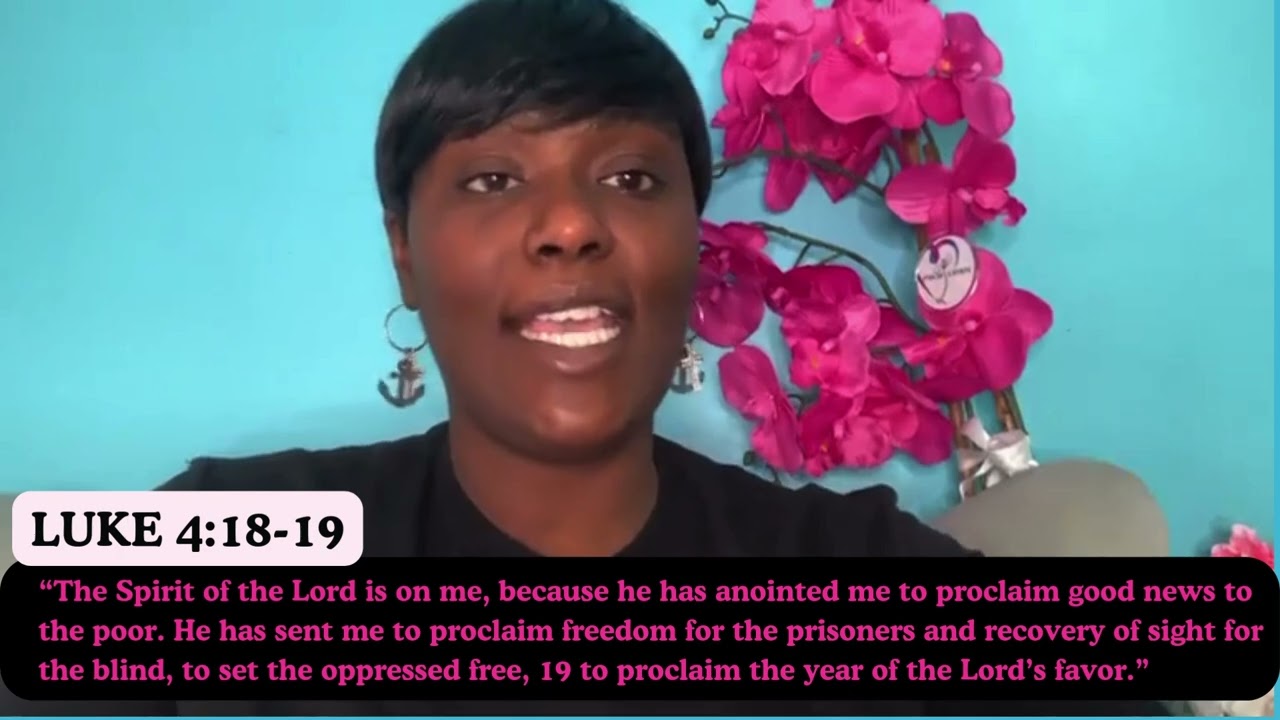
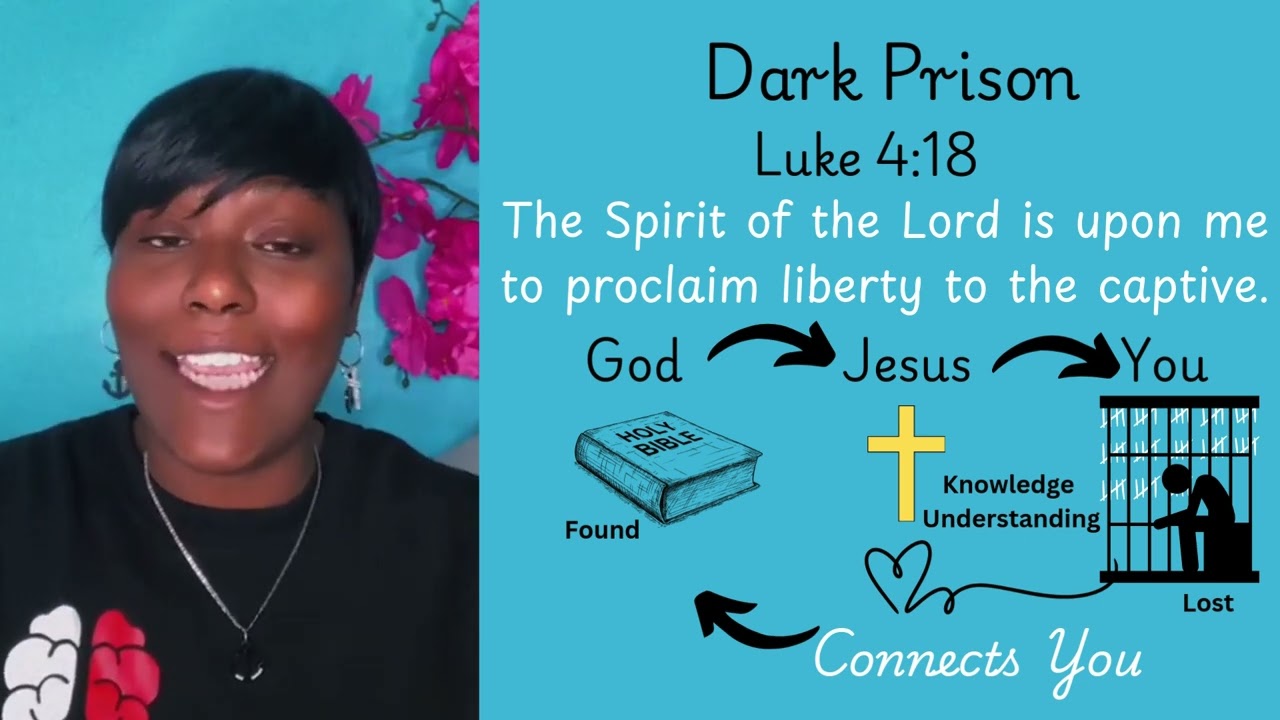
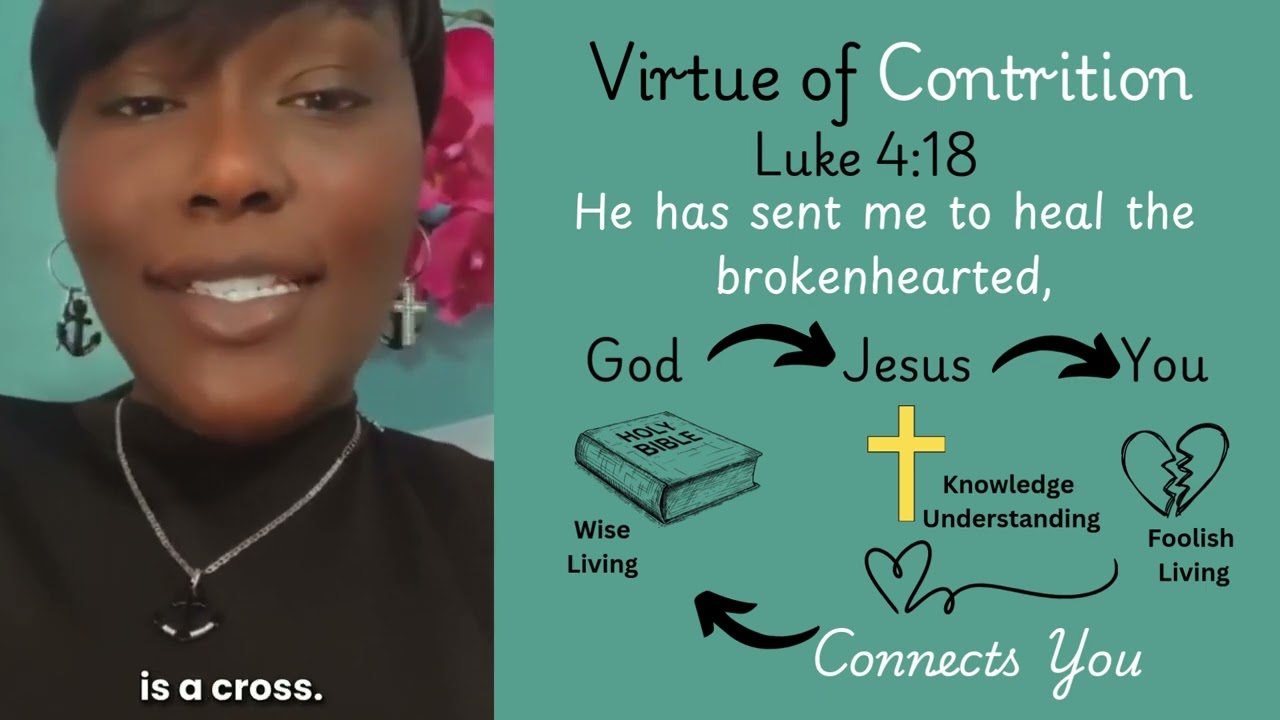
Sharnita Gates launches a new series called Spiritual Far and Wide, teaching self-control through a framework of beliefs, behaviors, and bearings. She uses scriptures like Proverbs 2:6-7 and James 1:5, offering reflection prompts and practical tools like journaling and the Canvas of the Heart to build wisdom and discernment.
Chapters
Hey everyone, welcome back to the space. I'm excited as people start to come on in. We back here with the Grace Space. This is that sacred place, like this is a place where God's grace is efficient for our development. We have been developing so many different things, so As people start to come in, we're going to really first set the atmosphere for what God is going to be doing here in the gray space on today. So as people start to come in, I want everyone, as we say here in the gray space, get your Bibles. So literally, you guys, we have our our Bibles and we have some new additions. So We get our Bibles, we bring our Bibles into this gray space. We bring our Bibles, we bring our canvases. We have our different canvases. It's basically just where we can really write our thoughts and what God is speaking to your heart. We wanna write that on canvas. We call this the canvas of the heart. So this is just a blank page or a journal, and you wanna get your colors. Yeah, I like colors. Some people just like black and white pens, but here in the Gray Space, we get our colors, we get our pencils, we get our Bibles, we get our canvases, and we are ready to dive into the Gray Space. But also, guys, we have some new additions. You can bring a dictionary. We have our dictionaries. We have— for me, I use this little book. It's basically where to find different words in the Bible, and it allows you to not only just find where a word is in the Bible, it allows us to really dive into the word of God and the Bible a lot more. Then we also have our different reading lists. I'm not sure if you— wherever you're from, drop from where you're from, but also drop what you're currently reading. So we have our journals, we have our devotionals. This is my daily devotional that I do every day based off of 365 Days. I have a new devotional every year and also different books that I'm currently reading. This is a really good book, The Stranger in the Battlefield of the Mind by Joyce Meyer. And so we have added some additionals to the gray space. Get your Bibles, get your canvases, and get your colors, and we're going to dive into the grace space on today. And this is the place where you find your sacred pace to grace. And so we do that with grace, and this is the place to do that. So okay, I see everyone coming in. Drop where you're from. Okay, we have Ohio. Okay, okay, Ohio, what part? And we have some from New York coming in. Okay, New Mexico. Okay, welcome, welcome, welcome to the gray space. Okay, Atlanta. Okay, welcome fam, welcome. Okay, let's see, we have some people from Toronto. Okay, welcome, welcome. Welcome into the Grace Space. So I like to welcome all my doers to this Grace Space. So hey, doers, are you ready to find your sacred pace with grace here in the Grace Space? We are still being fruitful and multiplying, multiplying the word of God. This is the space where we do that as we grow in our development. And I'm excited to really dive into the gray space. We do our daily reflection, our devotion, and our strategy and approach. So today you're going to be packed with reflections, devotions, and strategy and approach. I'm not just going to give you a way of thinking. We're not just going to give you a way to devote your, your actions To a particular way. We're going to give you the way, and we're also going to equip you with some strategies and approaches to actually doing that and putting into practice. And so today, gonna be full of grace. I'm excited. Let's go ahead and just set the atmosphere where we're just ready to receive. Ready to receive, as we say here in the gray space. We have an ear to hear, and I want to talk to you guys about our our new series. It's called Spiritual Far and Wide. We're going to be touching on some areas as we grow in the gray space. We're going to be touching on a lot of different where the things that we are discussing will be able to apply those in a lot of different areas. In our life. We want to grow in life, and that is Christ. As we grow in Christ, in our characters, our communication, our behaviors— and we have— I want to introduce you before I go any further. I want to introduce you and talk to you about the BBB: the beefs, the behaviors, and the bearings. The bearings is basically the outcome The outcome of your beliefs, the outcome of your behaviors—that's what you bear. And so that's I wanted to introduce you guys. So if you ever hear me say BBB, I'm talking about your beliefs, your behaviors, and your bits. And that's what we've we want to bear. We bear much fruit. That's why we say here in the grace space, we will be fruitful and multiplying. The word of God. And as we multiply the word of God, we will bear much fruit because he will be abiding in us and we will be abiding in him. And that is the word. So that's how we're going to approach this series of Spiritual Far and Wide. We're really going to have an ear to really hear, and in all our getting, we're going to get an understanding that is our Our goal is to— An understanding. It's going to cost all you have. So, you know, we have our, our journals, we have our canvases, we have our colors, we have our Bibles, we have our dictionaries, we have— it costs us all we have. But not just the, the physical things that— but it's going to cost you your focus, it's going to cost you You to really lock in and really receive the word of God. And I'll just share, there was something I was really receiving on yesterday, like when it comes to teaching and being correct, receiving rebuke and the training. This is the space Where all of those are being celebrated. So I really wanted to set some expectations. When you come into the Grace Space, you have to be willing to receive. And that's where the teachings— like, so coming in with the posture of a student, like, I'm ready to learn. If you're ready to learn, then you're ready to do. And you are one of the doers here in the Grace. And And so, hey, doer, you're ready to learn, and this is the space for you. And then not only just coming in with the posture of a student, but also be coachable, be able to receive that you're going— there's some things going to need to be corrected. And to correct it, you have to be coached in clarity. And when you're coached into clarity, It allows you to receive things to be corrected in your life. And then also coming in with the posture, maybe I'm coming in with the posture there, I'm not going to be fully right. But even here in the gray space, you're going to get it wrong, and it's okay because that's where his grace is sufficient enough. It— the Lord's Grace rests on us. That's the power. So we can actually boast in our weakness. I don't get everything right. I don't know everything. I'm seeking to understand. And that's where we come in with the posture of a student ready to be coachable and know that we're going to get things wrong. But also coming with an open mind that I do know that it's going to take time. I'm going to need to be trained in A new way. And that's what God's word is for. And that's why we get our Bibles. We get the word of God. We get the basic instructions, you know, that we need, need the instructions. And so that is the expectation here in the Gray Space. Come in with those 4 things and you are ready to go and you are a doer. And I'm just going to merely think that you are a listener. We're not going to deceive ourselves here in the Gray Space. But we're going to do what the word says, and that is why we are diving into this brand new series called Spiritual Far and Wide. We're going to be touching on some areas that is really going to allow us to bear fruit in our lives. And today's topic is self-control. We're going— we're diving right in, starting with the faith to believe that we can grow. in the Spirit of God of self-control and bear that. And so if you guys are ready, let's dive on in into the gray space. And so we're going to be talking about 2 Ps, 2 Ps, and the, the pod is going to be our hearts. And so the 2 Ps is principles and practices. And so we're going to be aligning God principles with our practices. And so we're going to put practice what we see and heard do as we read the word. And so everything is going to be rooted in the word. And I want to kind of just walk through when we talk about what we're rooted in, and I want to advise the first starting place As far as our natural default posture, and we like we're not default. Our default posture is not I'm a student. Our default posture is not I'm wrong. Our default posture is not that I need training. I want training. So it's not rooted in the word of God automatically. It's something that we have to do. And so the natural— I, I, for me, it's that evil that we have. It's just so prevalent, our, the natural ways of doing things. We got to get rid of that. This is the space we're going to be touching on some, some, some, some areas that we want— we may uproot. And we're not going to be here to, to trigger anything, but we're going— we're not going to stay in— we're not just stay Or we're not going to be in denial that there is evil. We're not going to deny the evil nature of our beings, like our sinful nature, the things that we've done. We've done some things, and— but we're going to get that. He said get rid of all that evil that is just so prevalent. And that's what we get to do here in the grace space. We get to develop into who God wants us to become. Who God wants us to be and where we can offer our bodies as a holy and pleasing sacrifice. And that's where we get Christ. He was the Holy of Holies. And so as we continue to grow, and it's the Lord's grace that is the power that rests on us and that we can boast in our weaknesses. So be open-minded to be able to say, okay, I will get things wrong. And same here, I will get and not get everything right, but this is we're going to be growing and uprooting some of those limiting beliefs and really strengthening our BBB. And so therefore, when it comes down to the word of God is the root, we're going to be rooting our our beliefs, our behaviors, and our fruit, our things in the word of God. Which allows us to receive the goodness of God. Now we're talking about where we're rooted in. We're rooted— like, we're going from default, from our evil nature, to the goodness of God. And then we'll be able to step into rooted in the word of God, which is the tree of life. Now we're able to receive and eat from the tree of life and receive that. So Before the foundations of the world or the heavens and the earth was laid, it was God. In the beginning was the Word, and the Word was with God, and the Word was God. So I have these 3 different foundations that we're going to be navigating through. That's why I said this series is called Spiritual Far and Wide. We're going, we're going deep, you guys, into the foundations, the roots So what, what are you rooted in? And we want to start with the word of God. We're going to be rooting ourselves in the word of God because that was laid before the foundation. So before we even lay the foundation on our behaviors, we have to identify our beliefs and uproot those beliefs. And then we'll be able to step in like during our life, how we're following Christ, you know, love and faithfulness, going before his throne. And then after, you know, receiving the Holy Spirit, walking with the Holy Spirit, and being comforted, and he advocating for us. And that's, that's, that's the 3 levels, you guys, as we go through this spiritual far and wide. But it's going to take— what's the word— self-control. And we're going to be diving into that, you guys, and growing in this grace space. Remember This is the space to find your sacred pace. Everyone's going to develop very differently, individually, and God has enough grace to cover you in this area of developing self-control. And so let's, let's dive in. So we're going to start with reflection. We're going to be reflecting on this, like when he said think on whatever is true. Whatever is lovely, whatever is reputable, whatever is praiseworthy, whatever is pure. When we think on those things, like, we can think on the goodness of God, how it's a pure thought. So when we're thinking about reflection, when you hear the word reflection, we're basically saying think about it. Let's think about what we are thinking about. And that's what we're going to be Talking about as far as our daily, daily routines, our daily habits and decisions. How often do we actually reflect on our habits, our routines, our decisions? There's so much that goes on daily, but we know that we should not worry about tomorrow. Today is enough. Let's just— today we should not— do not worry. And that's where we're going to— root ourselves in the word of God, because we're going to be rooting ourselves in some— some in the word. And that's where we're going to be considering how those biblical principles are going to allow us to put things into practice and be doers of the word. So we're going— the principles are going to be our guide. And as we go through Our practices is going to be the way that we actually live in faith. So as we talk about faith, faith is the word of God. Faith comes by hearing, and hearing by the word of God, which is the word about Christ. So that's why we're opening up our spiritual ears to hear and learn about how he is the way, and we're going to be following the way. Um, then relying more on our own personal comfort. That's why I say in the end we're going to receive the power of the Holy Spirit to really be our comforter, be our advocate, and not relying on our own personal comfort. And that's where the, the word of God, wisdom that provide— he provides through his word, we're going to be talking about that. And we have some key scriptures that we're going to be communicating with in the, the word of God today. And so our reflection, we're going to be reflecting on some key scriptures. So we have Proverbs 2, verses 6 through 7, and it's, for the Lord gives wisdom, from his mouth come knowledge and understanding. He holds success in store for the upright. He is a shield to those whose walk is blameless. So he is a shield to those whose walk is blameless. And so that's where we want to get to, the point where we're not on our default nature. We want to get to the point where when we walk, we know who holds tomorrow. And that's where we're going to get a little bit more into this course and diving into getting an understanding of the scriptures. And then we have James 1:5: If any of you lacks wisdom, you should ask God, who gives generously to all without finding fault, and it will be given to you. Proverbs 3:5-6: Trust in the Lord with all your heart and lean not on your own understanding. In all your ways submit to him and he will make your path straight. And then we have Psalms 27:1-3. The Lord is the stronghold of my life, of whom shall I be afraid? Ephesians 4:26-27. Be ye angry and sin not. Let not the sun go down upon your wrath, neither give place to the devil. And so, like I said, we're going to be talking about principles. So there's the principles is stronghold, discernment, and discretion. We're going to be diving into those terms and wisdom. We're going to be diving into those 4 terms. Today to really understand what to do and what not to do. Like we said, we had the principles, the principles of discernment, discretion, wisdom, and understanding what a stronghold is and putting it into practice. And that was the practical ways that we're going to be approaching the word on what to do and what not to do. We align those into our habits, our routines, and our decisions on a daily basis. And this is the, the making of give us this day our daily bread. This is our daily bread. So we're going to be receiving understanding and knowledge because we're going— we're doers, remember, we're doers here. We're doers of the word. And if it says acts For wisdom, we're going to ask for wisdom, and from we're going to open up our ears, our spiritual ears. Learn why? Because from his mouth comes that knowledge and understanding. So that's what we're going to be reflecting on. Our reflection on is going to be on our daily routines, our devotions, our our habits, our decisions. What are we doing? How is basically The way we live, we're going to be thinking on the way we live, and then we're going to be able to bring that into alignment in the way to live. It's a difference in the way we live and the way to live. The way we live is our own personal comfort. The way to live is to live in the power of the Holy Spirit, who is our Comforter. And that is what we're going— that leads us into Our devotional, our reflect. We have our reflection. Now our daily devotional is going to be grown in knowledge and discernment and discretion. So let's talk about what discernment is. Discernment is basically it helps you to know what you can do. So do do this like when when we think about using our discernment in when we When we do communion, every— if you're familiar with communion, you know, do this in remembrance of me. We are using our discernment because we know what we can do, and that is our— it's a place of safety, you know. As far as a stronghold, the Lord is our stronghold. That's why we was talking about our scripture, Psalms 27:1-3. It says, the Lord is the stronghold of my life. Of whom shall I be afraid? And so we know if God said what he said, do, do this and remember me, I can use discernment to say, God, you're my stronghold. What you say is, is the truth. I can do that and I can stay within your place of safety. And that's why we're growing in discernment, knowing what God said and And then also we're talking about do not, which is using discretion. That is what discretion is. Discretion allows us to really make better decisions if we know what we cannot do or what God said do not do. And one of the things he said do not do is give the devil a foothold. And so can I let the devil have a foothold That are our default nature of evil to have a foothold. And that's in Ephesians 4:26-27. Be ye angry and sin not. Let not the sun go down upon your wrath, neither give place to the devil. So do not let the sun go down upon your wrath. Do not let the dark You know, even have a chance to take you in. Be a doer of the word and redo— remember what he said and do that. And that's how his grace allows us to develop, when we know what we can do. When the— when, when he says, angry and sin not, well, I know I do not need to sin. You know, I do not need to let the sun go down on that wrath. But I do know that he said, do this in remembrance of me, in remembrance of me. So when we take communion, we can say, okay, well, God, you are— the Lord is my stronghold, is my place of safety. And if I do, if I do communion in remembrance of him, it's his blood, it's his body, it's his, you know, that his death. And now I, I can think on what's pure, what's lovely, and that's the one what Christ did for me. And so that's you— that, that's an example of discernment and discretion. But this is— this comes from first what we have to do first. We have to ask for— because this allows us to really grow in the knowledge and understanding of the word, which is about Christ. And so That is how we're devoting ourselves here in the gray space to grow in discernment and discretion and in knowledge. Godly wisdom doesn't just come from reading the Bible. We have the principles. You have the— we have the principles. We said our principles is discernment, discretion, and wisdom, and stronghold, understanding that, but actively seeking to understand and then apply How can we apply wisdom? How can we, you know, which is the knowledge and understanding, how can we apply this to our, our lives? Like I said, we're not just going to say in the way that we live, this is the way we live, but this is the way to live and to receive life and life more abundantly. And so we're going to be growing in that and actually applying it to our lives. We're going to be applying discernment. We're going to be applying discretion. We're going to be applying the strong— not giving the devil a foothold where sin— that's where sin becomes a stronghold. And we're breaking those strongholds that are there because you're gonna— when you apply the word, it, it, it allows you to live freely. Um, who the Son sets free Is free indeed. And so this is when the— this is, this is the deed. You're, you're free in the word. With your word, you're free to really say, okay, now the word is in me. I know that it says be angry but sin not, not let the sun, you know, go down on your wrath, and do not give the devil a foothold. Do not give place to the devil. And not even give that thought, you know, continue to think on the things that are true, the things that are lovely. And then that becomes a habit, and that now you're thinking about what we're talking about in our reflection— your, your routines, your habits, and the decisions. We can make better decisions when we grow in knowledge, in discretion, in discernment. And so these are principles, so they provide directions. Like, now we have direct on what to do and what not to do, and that is what the principles allow us to step into practices. And these are personal practices, and that's why we're talking about self-control. Now, are you going to put it into practice? Remember those 4 things that I said when it comes to gray space? We have to be coachable. We have to be, you know, sometimes we're going to get things wrong, or we have gotten things wrong. You know, we have to really be willing to go and be a student and be trained in the way, and so we can leave our old ways and the way that we live. And that's what the grace space is allowing us to do. And we really are evaluating our personal practices. So that we can ensure that they reflect these principles. Are you using discernment? You can even say, you know, in this situation, I did not apply discernment. I did not use discretion. I gave, I gave the devil a foothold, but that stronghold is now demolished because the Lord is my stronghold. Whom shall I be afraid? I will trust in the Lord with all my heart. I will lean not to my own understanding. I will ask the Lord for wisdom and be a doer of the word and not deceive myself. And I'm opening up my spiritual ears far and wide to hearken unto the great voice of the Lord our God. And so therefore, now you don't have— the devil do not have a place. That default evil do not have a place. And so I'm here— you can see your own personal growth in the Spirit of God in that area of self-control. And by the end of this series, you guys, we're— I pray that we, we get to the, the, the next level, which is growing in Christ and our behaviors, and that we bear much fruit, we be fruitful, and we are multiplying the self-control, the discipline that is, that is needed to continue to allow the Holy Spirit to work in you, through you. And, you know, it's the Lord's grace where we will be able to boast in our weaknesses. We've all fallen short of the glory of God, and this is the time where you can talk about what God has done for you, um, and share, because God has brought me a very long You guys, and that's why his grace is sufficient. And so our, our daily thought for today: God's given us his word as a guide for life, not just in moments of crisis but in the everyday choices we make. So we're aligning our, our principle, the principles of God with our practices. And when we do that, we walk in wisdom. And so, as it says in Proverbs 2:10-11, for wisdom will enter your heart and knowledge will be pleasant to your soul. Discretion will protect you and understanding will guard you. So what we're saying in a nutshell, as far as our— just to give an overview of our daily devotional thought is wisdom when you ask for it, because from his mouth comes knowledge and understanding. It helps us to make sound decisions that honor God. For we know God did not give us a spirit of fear or timidity, but of power, love, and a sound mind. So like I said, the grace is the Lord's power that rests on us where we can boast in our weakness. Weaknesses. But the love of God, as far as records of wrong, we still receive the fullness of God in his love. And the discipline— he disciplines the one that he loves. And so we can receive that, and that's pleasant. It's like, it's, it's good. It's protection. And know that it's God and the wisdom that protects it, that protects and guards us so that we can make down decisions on what to do and what not to do using discernment and using discretion. And so today we're going to really— I, I want us to really meditate on that, really meditate on that, and allow God to grow each and every one of you in, in that area, um, of making personal practice For your habits, your routines, your decisions, and the way to live as we follow Christ. He said, "If anyone will come after me, he must deny himself. Deny yourself the default nature. Deny those the the the the evil that is just so." Really be putting these things into practice and seeking. To understand how we need to align our lives with the biblical principles and put things into practice and growing in knowledge, in discernment, in discretion. And so in doing so, we will grow and it will reflect his will. What God wants— God wants us like it was earlier, holy and pleasing. Offer our bodies as a holy and pleasing sacrifice, and this is our true act of worship. I definitely want to say a quick prayer. We're going to pray in this space and allow for the Holy Spirit to really rest in our hearts. He's a great teacher, counselor, and Great leader. And so, Lord, give me your wisdom today. Help me to not lean on my own understanding but to trust in your word. Reveal to me any personal practices that may be misaligned with your principles and guide me in growing in knowledge and discernment. Fill me with a desire for your wisdom. So that I can walk in the fullness of your truth. And we pray this in Jesus' name. Amen. Now, you guys, are you ready for some strategies? Are you ready for some strategies on how to approach asking for wisdom, how to approach leaving the old and receiving the new? Are you ready for a strategy or approach to allow you to make better decisions, to change some of your habits and your routines? If the answer is yes, then you are— you are a doer. And we're going to go in and we're going to identify and align those personal practices with biblical principles. And when we do that, we want to Like we started with the reflection, we need to take inventory or really ask ourselves some of those questions like, okay, let me— what, what is my routine? What do I do on a daily basis? Do I even do anything in a routine fashion? What decisions have I made, or what decisions do I face a lot of times that I have to, that I have to make? And What are some of my habits? Let's identify those habits. And then when you ask those questions, um, how much, how much time are you like putting into that area of focus? Like, have you accepted that it's going to take some time to really work on self-control? But in Proverbs it says that it costs you all you have. Are you paying attention to your actions, your habits, your routine, the decisions, um, and also how your relationships actually affect that and your reasons? So if you— like, we have our, our resources. Do you have Bible? Do you have your canvas? Do you have your colors? Do you have your journals? Do you have your reading list? Do you have these things? And just be honest. This is, this is our strategies and strategy and approach is really being honest with ourselves, taking an honest assessment of locating you. And if there's a series that, um, if you look into the resource section You'll find Locate You Guide and Resource Guide. And so you want to start to really write those down and grab— so if you have your journals, grab your journals. This is when it gets to the strategy and approach, that's when you want to grab your journal. Um, the Canvas of the Heart, you really get a deeper understanding of the word of God, and that's what we draw in the canvases. But the journals is really for reflection and devotion and devoting ourselves to do and ask the hard— those hard questions. Or even some of them might not be hard. You might already— I like, I already know the answer to it, but it's still to bring it to the forefront of your mind so we can go on those things and also put into practice. So ask yourself, is this rooted in the word of God, in biblical principle? And when I make my decisions, am I— is it rooted in— I'm going to discernment, am I going to, you know, use discretion? How am I perceiving this? What is the cause of this? Where did it come from? Um, and then Did this come from the wisdom of God? You know, is this knowledge of God the way that God has designed or defined in his word? Is this the way that Christ would do it? That's why you bring everything captive into the obedience of Christ, because there's every— the things that are not of God really has the ability to try to become higher than the knowledge of God. And but we have to cast that down and really bring everything into the obedience of Christ, the way to live. He is the way to live. And when we start to do that, that's how we examine our personal practices, our self-control, our level of self-control. And then we actually do our I, I would recommend you guys, there's a space where we call a stream where we really dive into the word of God and studying the word of God and teaching the word of God and remembering the word of God, engineering and putting that thing, putting the word of God into practice into our lives, and then being able to speak Speak of God with boldness, so we can think on the things that are true and meditate in the word of God and delighting in the word of God, meditating on it day and night. It is, it's beautiful. So if you, if you're wanting to dive more into biblical studies, that is our space called Stream, and you can find that, um, on Sharnita Gates. And so we're studying biblical principles. So that's why we want you to get your Bibles, um, really studying the word of God. So go back and read the scriptures that we have on today. I'm going to say them one more time: Proverbs 2, verses 6 through 7. We have James chapter 1, verse 5. We We have Proverbs chapter 3, verse 5 through 6, and Psalms 27, verses 1 through 3, and Ephesians 4, verses 26 through 27. Those are our key scriptural studies for today for self-control, because it's going to take wisdom for, for us to really receive the presence of God and get in the way of Christ is going to take wisdom, knowledge, understanding, discernment, and understanding our place of safety, which is the stronghold in God. And as we continue on our devotion, this is a thought I would like— when we say think on the things that are true, we have to really think on the way that God has already given us his word. He has already given us Giving us the life, the guide of life, the guide for life. And it's not just when we're in trouble that we need the word of God. We need it in our choices as well. We need it to make everyday choices so that we can align our lives with the principles of God and really be walking in it. When we say walking in it, it's Really practicing what we've seen and heard him do. And so we, we really take that time to really meditate on those practices. So we're growing in discernment, we're, we're praying for guidance, we're using our discernment daily, we're using our devotional tools because we, we're keeping our eyes fixed on the word, on Christ. And when you do that, your eye is the lamp of the whole body. So now your, your body is starting to receive health and it's starting to receive life, and it brings vitality. The word brings vitality to your entire body. And so you're going to not be able to do this on your own. We have to ask God for wisdom. We have to follow Christ. We have to use additional study tools as far as to get clarity, gain clarity, um, biblical tools like the Bible, the Bible apps, whether you're using Bible Gateway. Bible Gateway is a great way to really do a study. Um, so really the definitions, like I said, for me this book that I use is the little book Where to Find It in the Bible from A to Z. And so for instance, I can look up discretion and see that it talks about being discreet and wise in Genesis. So if I want to go and study, um, on how to be more, you know, discretion, discretion and wisdom, I can go in Genesis. But it also gives other different, um, areas of the Bible where you can find the word, find Christ, and he'll meet you right where you're at. And also, um, let's go through those key definitions. Like, so if we have the dictionary, you can search, um, Bible Gateway, you can search the dictionary however you are seeking to understand. So wisdom is skillful living, and it's applying knowledge in a God-honoring way. Applying knowledge in a God-honoring way. We want to honor God with our life, and so to do that, we have to have wisdom. Skillful living, that's what wisdom is. Discernment is the ability to judge well, particularly in identifying what aligns with God's will. So that, like we say, if he— what he wants, he already said we can do. So using our discernment, we know what God said we can do. We can dwell in the secret place of the Most High, which is our God. So we can dwell there, um, and that use— that is using discernment, the ability to judge, well, this is God's will, this is what God wants. And then, uh, discretion is the quality of behaving or speaking in such a way to avoid offense or revealing sensitive information. It's the ability to carefully use judgment in making decisions because now you know what do not do. We do not let the devil get a foothold. We do not let the sun go down on our wrath, you know. So these are— this helps us make better choices because now we're able to judge. This is not of God. This is not of the will of God. This is not what God would want. God would not want me to be angry and sin. God do not want that. So we know he says do not be angry. Well, be angry and not. So we're using discretion, and this is the power of gaining wisdom, making wise decisions. Decisions. And when we think about a stronghold, a stronghold is defined as a place of safety. And this can be something physical, something mental, or even emotional. As far as a stronghold, could be physical, it could be emotional, or it can be a place, a physical place, uh, emotional place. And so if, if, if the emotional place Is anger or, you know, wrath or lust or greed. God does not want us to be in those places. So we have to really use discretion and discernment to make those wise choices to know what is stronghold and is it a physical stronghold, is it an emotional stronghold, or is it a mental stronghold. And that's why we, we've come— we are doers. We are doers here in this grace space. So we will do what the word says. So if the word says be angry but sin not, we will do what the word says and put it into practice. So now we are making wise decisions. We are staying in our place of safety where the Lord— we can rest our thoughts. So it's It's really key to know these definitions and really study on it. So we've identified the area. This is our focus area. We're focusing on self-control in this Spiritual Far and Wide series in the Gray Space. And so it's going to be where we're going to be setting some actionable goals. Set some actionable goals. What actionable goals do you have? If you don't have any goals, we, we, we're setting one today. We're going to be setting those on today. Like, a goal for this space, this gray space, is to grow in, in our, in our area of self-control, growing in knowledge, growing in discernment, discretion, and in wisdom. That is our goal. Here in this grace space, and this sacred pace is is is is with grace. In this is a sacred space, and it's it's it's it's with grace. We're doing it with grace, and that's God the Lord's power that is resting on us to be able to boast in our weaknesses, in our in our in our shortcomings. And we doing this daily. We're going. I need you to set some accountability. Be accountable. Be in that posture of a student. Be coachable. Be able to receive the word of God. And I will, I will literally study to show myself approved. Am I getting— I'm going to get an understanding if it costs me everything. I'm going to be clear. I'm going to be walking in wisdom, making better decisions. My, my habits are going to change. My decisions are going to change. My routines are going to change. I'm not going— this is— I'm not going to longer be saying this is the way I live, but this is the way to live and be able to guide others as we know Christ. So the more you grow in your understanding of God's word and apply his principles to our, our practices, our behaviors, then we'll be able to reflect the wisdom and the discretion and discernment. We'll be able to operate in clarity. And over time, you'll start to see how you are remaining faithful to the word, to the scriptures, and how much we need the word of God. And the key is to really be consistent in how you are evaluating your personal practice, your self-control, your level of self-control, and have your heart set on aligning your, your life with God's truth. Not your truth, but God's truth, and not just your personal preference. God knows what is best for each and every one of us, and he knows that we need wisdom, and he gives that graciously to all who ask. So let's start there. Let's be doers. Let's ask for wisdom. Let's— and, and open up our spiritual ears far and wide to receive the word of God. So I thank you guys for joining us in this grace space. I pray that your canvases are full, that you will go out, be fruitful, and Multiply and be blessed. Thank you guys for joining the Grace Space.