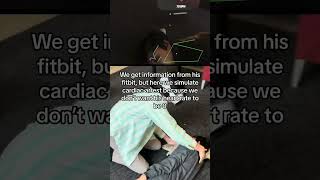
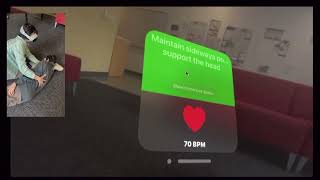
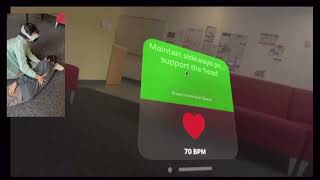
A platform uses AI to monitor astronaut health in space, tracking muscle loss, heart rate, and oxygen levels. Microgravity causes up to 20% muscle loss and can lead to hearing loss and eye deformation. The system flags problems, suggests exercises, and offers a chatbot for psychological support during isolation.
Chapters
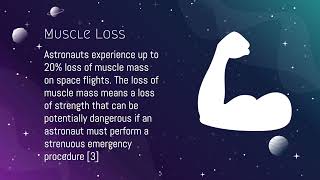
Spielentech. The Soviet Soyuz 21 mission to the Salyut 5 station was halted after crew members reported smelling a strong odor. However, the origin of the odor was never found, and a shared delusion has been proposed as the underlying cause. Approximately 40. Yes, 40 in-flight medical events were reported due to anxiety and annoyance between 1981 to 1998, and this number is only on the rise as the number of space flights increase. Heart rate: Due to the absence of gravity, heart rate in space is lower than that on Earth, and an abnormal heart rate in space can cause hearing loss, brain edema, and deformation of the eye. These are serious illnesses, and in space they would be extremely difficult to treat. And they also have real damage. Or muscle loss. Astronauts experience up to 20% loss of muscle mass on space flights. Or the loss of muscle mass means a loss of strength that can be potentially dangerous if an astronaut must perform a strenuous emergency procedure. So our solution: AI. Demo time.
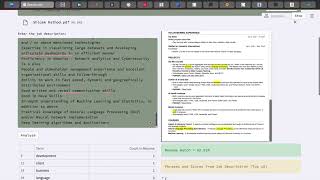
So this is the home page and the user will get started here. So in this form, the user will submit their calf muscle volume details and their VO2. So for example, if a user had a calf muscle volume of 50cm³ and a VO2 of 100, after they submit the form, our AI will analyze the details. And as you can see here, the heart rate of this user is exceedingly high, and we have recommended some exercises for him or her. We've also told them what diseases they are at risk at and provided a link for more information. To view the other analysis, you just have to click on the card again. We also have a GPT-3 chatbot. So here's an example. If you typed in, "I'm sad," The chatbot will have a conversation with you, and this is useful because, well, in space there's not really anyone to talk to.