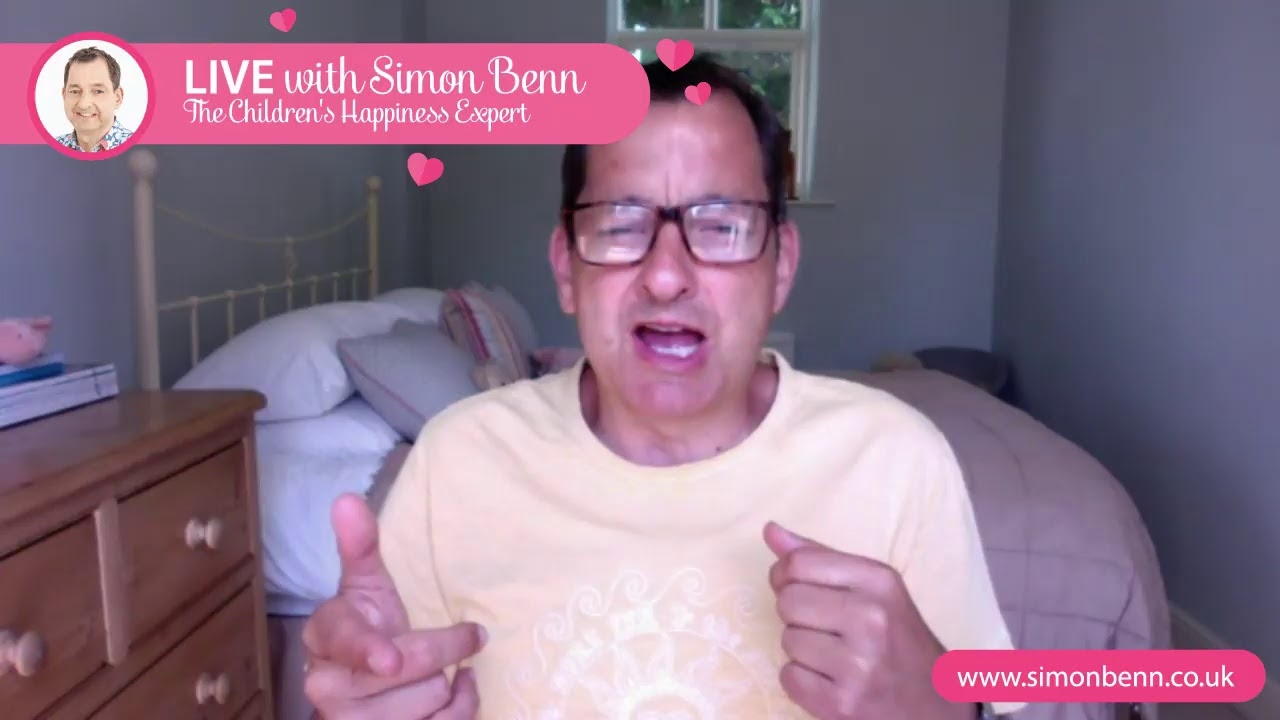
In this short motivational monologue, the speaker argues that external motivation—telling people what to do—is less effective than fostering internal inspiration. He shares a personal anecdote about a 2008 business coach named Hayley who used probing questions rather than directives, leading him to discover his own solutions. While acknowledging that in urgent safety situations direct instructions are necessary, he advocates for asking more questions and encouraging self‑generated ideas, whether with children, employees, or anyone else. He critiques the prevailing desire for clear directives during the COVID‑era and UK political uncertainty, noting that people often ignore top‑down orders. The talk concludes with practical suggestions for sparking a child’s creativity—such as making videos, writing stories, or drawing landscapes—and a call to inspire both children and oneself by starting projects without waiting for perfect guidance.
Chapters
Hi, good morning, welcome. How are you? I hope you are very well today. It's Tuesday and today is I for inspiration in our A to Z of happiness. So we spend a lot of our time trying to get people to do stuff. Trying to motivate, trying to motivate people, trying to motivate our kids. And motivation doesn't, in my— well, it isn't the most effective way, in my opinion, of trying to get somebody to do something. Motivation is like outside that person. It's outside us. It's somebody trying to tell us to do something. So how do you feel when you get told to do something? Well, I've got a bit of a— yeah, I've got a lot of a dislike about being told what to do. I would far rather be encouraged to see my own way. So, but it's, but it's tricky. Sometimes we just want to know what to do. Just tell me what to do. Um, so I had a, I had a business coach, a great lady called Hayley, back in 2008. And she never actually told me any— she never told me what to do. She asked me questions, and I got to my own, um, I got to my own conclusions because I was inspired to do things. I was inspired. The idea came from within me to do it. So clearly, this is not. This is this is for the bigger things in life. If you're if your child or your wife's about to get run over by a car that they haven't seen, you need to ask. You need to ask act quickly and keep them safe. Or you need to. There are times. to ask them questions and there are times to tell them to do things. But maybe we can tell people a little bit less and maybe we can ask them a little bit more. Now, I'm not a parenting coach, so I get uncomfortable telling parents what to do because it It's your child, but I think this works for everybody. You know, I think this works for everybody that we come on into to contact with. You know that idea when you they some people say well, I made him think it was his idea to do it, and so he did it. That's inspiration. And there's a slight tone of, yeah, manipulation the way I said that, but getting somebody, drawing somebody's own ideas out of them, drawing them, drawing their own solutions out of them, trying rather than trying to force solutions and force answers into their heads, I think is something that works whether you're dealing with a child or whether you're dealing with somebody that works with you. We all want to be more inspired and empowered. I've got 4 minutes in, I've not mentioned COVID. We want to be more inspired and we want to be more empowered, but we live in a world at the moment where we— the politicians are being very vague here in the UK, and we're all saying, tell us what to do, tell us what to do, tell us what to do, tell us what to do. But the ironic thing is, if they tell us what to do, then we don't do it. We don't do it 100%. Like, You know, nobody obeys every traffic speed limit, do they? We don't. So this idea— it's a bit philosophical this morning, isn't it? A to Z of happiness. Inspiration. How could you inspire your child today? What new task What new thing would they like to do that you could help them achieve? How could you inspire your child today? What that that creative spark, you know, that creative spark maybe writing, maybe doing a video. Maybe doing a video, maybe writing a story, maybe drawing, drawing a picture of a landscape. What could you work— what could you inspire your child on to do today? And how could you bring out that creative— how could you bring that creative spark? How could you inspire yourself today? What is it that you've been putting off doing because you're, you're not quite sure how to do it? What if you just started? What if you just took life like a, like a blank piece of paper, or a, um, a blank piece of paper out of a— and just, and just started? You know, we're also, we're also concerned about failure that sometimes we never get started. So inspiration, yeah, that power from within, not without, not— yeah, inspiring them. Yeah, the funny thing is, you know, it's the speed thing, isn't it? It's the speed. Who's got time for inspiration? No, just tell me what to do and I'll do it. I had a member of staff, she's a lovely lady, fantastic, fantastic, absolutely superstar, and I was talking to her and I was trying to paint her a picture of what we're trying to do and she just said, look Simon, I haven't got time to think, just tell me what to do. How disempowering is that? See you tomorrow, bye-bye. Be the opposite, do the opposite of what most people are doing.