Top Beginner Supplements I would NEVER Take
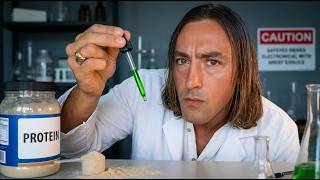
Sol Brah argues that common beginner supplements like creatine, fish oil, and protein powder are synthetic and inferior to whole foods. He breaks down how industrial processing strips away cofactors and enzymes, then proposes alternatives: raw meat for creatine, fresh fish for omega-3s, sunlight for vitamin D, and organ meats for micronutrients.
Chapters
These are the top commonly used beginning bodybuilding supplements that could be negatively impacting your health. Some people are not going to like this. In this video, I'm going to break down what's wrong with the modern supplement industry, how I used to use these supplements, why I would never take them today, and what I would take instead for each one. The issue today is that most synthetic supplements are are made from petroleum, amongst other processed things. Coal tar, acetylene, and crude oil distillates. There's a bunch of them. Your healthy supplements that you take for your health are even made with kerosene and acetone as solvents, and suppliers and producers don't need to list those in the end ingredients list, even though traces may remain. Here's why this has happened. The modern supplement industry grew directly out of the petrochemical boom of the early 20th century. The same companies refining fuel started refining your vitamins because they saw how much money they could make. Isolated synthetic nutrients are missing the cofactors, the enzymes, and phytonutrients that make the whole natural substance work. You're getting a Frankenstein skeleton approximation without the life force that makes it function. Even what they're trying to approximate is not actually what exists in nature. It's just something that they called vitamin C that they then say, look, it's in oranges as well. But what you've actually created in the lab is absolutely nothing compared to what is actually in an orange. So I got into all of these supplements because you see them recommended as the beginning bodybuilding supplement stacks on early fitness forums and generic bodybuilding sites. This is the starter pack: creatine, fish oil, vitamin D, synthetic magnesiums, protein powder. Add in a multivitamin as well. I fell for it all. And let me say specifically and truthfully, I feel better, healthier, and with cleaner gains, more muscle since dropping all of these. Which I did many years ago. Let me walk you through each one, what it actually is, how it's actually made, and what nature already provides that makes each one unnecessary. Creatine. This is the one that nobody questions. Creatine monohydrate or hydrochloride. The most studied, most recommended supplement in the fitness world. Every forum, every coach, every influencer. Just take creatine, bro. Just take 5 grams every day for your muscle and for your brain, take 20 grams. You know what? Take 100 grams. It's, it's infinite. It's just creatine, man. Industrial creatine monohydrate. No one asks what it's synthesized from. What is it made from? It is made from reacting sarcosine, a formaldehyde derivative, with cyanamide inside a chemical reactor. Cyanamide, a compound that's toxic enough to be used as a pesticide. That's what they're creating creatine from. The reaction involves various acids to crystallize the final product. The raw inputs themselves, they trace back to coal tar and other petroleum derivatives. You are spooning petrochemical powder into your water and calling it gains just because your body puts on a little bit of water, which you can do with salt. So why are we taking this petrochemical powder? Why has it just been blasted all over social media as the one supplement to rule them all? Here's what your body actually already does. Your liver and kidneys synthesize creatine naturally. What your body makes is not what is in that white powder. It's a different thing. They say, oh, this is just exactly the same as what's made in the body. It's not. No matter what they say, what your body makes is not the same. Red meat and wild-caught fish are the richest dietary sources and really they're all you need, especially if you're eating raw meat. A pound of quality steak will give you roughly 2 grams of natural, actual creatine that your body can use, delivered in its whole form with every cofactor intact already, without any of the extra chemical BS. So eat raw meat, your biology will handle the rest. I used creatine back in the day. Like I said, I've used all of these and I'm the biggest and strongest I've ever been. Haven't taken creatine in years. So riddle me that. This is the pattern that you'll see with every single supplement on this list. Nature's already solved the problem. There's already something in nature that you can take for all of these. The industry then repackaged it in a lab in an inferior chemical and profitable form and then sold it back to you. Fish oils, rancid sludge, in a capsule. The heart-healthy omega-3, right? Well, let's talk about what's actually inside those capsules. Most commercial fish oils are rendered from waste fish, so you've got the heads, tails, guts, skin, and bones, and that's all leftover from the industrial fish processing. And I'm not saying that fish parts itself is bad, but what they do next to it is bad. This sludge is heated pressed and chemically extracted to pull out those omega-3 fatty acids among with all the other sludge. Omega-3s, EPA and DHA, are polyunsaturated fats. What does this mean? This means they are extremely unstable, prone to oxidation when they heat up. The moment these oils are extracted, processed, exposed to the heat, lights or air even during processing, they begin to go rancid. Study after study has found that the ones on the shelves, a significant percentage of these fish oil products are already oxidized beyond acceptable levels by the time that you buy them. You are swallowing rancid industrial fish sludge and calling it healthy. Oxidized polyunsaturated fats don't prevent inflammation, they actually cause it. The natural way is simple: eat fresh fish, fresh fatty fish, 2 to 3 times a week. Sardines, mackerel, salmon, tuna, herring, swordfish— whatever is around you locally is obviously going to be best and the freshest. The omega-3s are protected within the cellular structure of the meat, of the fish, delivered alongside all the antioxidants, cofactors that your body needs to actually use them. That's a delivery system that nature designed, not a capsule of degraded oil that's been sitting on a warehouse shelf for 6 months before it even gets to you. And when it even— even when it in the capsule, it was already oxidized. Now what is it going to be like 6 months sitting on the shelf before it gets to you in a little bottle? So stay away from fish oil, just eat normal fresh fish. Very simple. Vitamin D. You cannot replace the sun with a pill. But most people have been told that is the case. What is created in the body in response to sunlight— and that goes far beyond just vitamin D— that is not the same as what you buy in a capsule, even though it's been marketed as a sun replacement. Synthetic vitamin D is made by irradiating either fungal matter for D2 or lanolin extracted from sheep's wool grease for D3. That irradiated material is then processed with the industrial solvents. We're talking methanol, chloroform, hexane. These are the same industrial solvents used to extract seed oils. There are neurotoxic compounds involved in manufacturing this supplement. The final product is then mixed with binders, fillers, stabilizers, pressed into a pill, or suspended in a carrier oil. D2, D3, these are labels. They are not what exists in your body, and they're isolated chemicals, and they're processed, they're extracted, they're dead. They are not a replacement for the sun, as I've said. What happens naturally is far more elegant. When sunlight touches your skin, cholesterol molecules are transformed into vitamin D, with the help of bacteria living on your skin. No solvents, no irradiation, no lab. That is a living process. A pill is a dead imitation of it, and it's not even an imitation, it's just this other fake thing that people have been calling it. But Sol Brah, what do we do during winter if I can't eat my vitamin D slop? Well, vitamin D is still produced when you go outside. It's what most people don't realize. Even on a cloudy day, even on a cold day, If there is light reaching your skin, there is vitamin D production occurring to some degree. Obviously, higher UV, more sunlight. In winter, you're getting less, but it's still happening. The issue is most people today in the world, they'll only go outside if it's really warm and sunny. And if they do go outside when it's a little bit colder or darker, they're wearing 5 layers, a beanie, everything protecting themselves so that none of their skin is actually exposed to the elements. They're never developing a cold tolerance, which I'll mention later is actually very important. But that is the most of the reason why they're not getting vitamin D. You still need to be outside, you still need to be exposing your body to the elements in order to synthesize the vitamin D. It's still possible because if you go outside, is there daylight? Yes. Is it different to nighttime? Yes. So there is sunlight coming through that you can absorb and deal with. Cold exposure is also an important factor because your mitochondria will produce their own light. And then synthesize vitamin D from that. But that's a topic for another video, it's a little bit in depth. In terms of diets, vitamin D is concentrated in raw animal foods, particularly raw meats, where a lot of the nutrient factors are lost if you cook it. Cod liver, if you can find a really good fresh source, non-oxidized. Additionally, things like raw butter, raw dairy, it's a fantastic source of the nutrients that you need to stay happy and healthy in winter. If you're eating all those foods, you're taking your cold brisk walks where you're getting your clothing off briefly, at least 20 minutes, 30 minutes, you're having fires and things like that, all of that, you're going to be fine during winter. There's even the option to look into red light therapy or UV lamps, which I would absolutely investigate even though they're technically unnatural. I would use those before I would use these vitamin D supplements. So the sun is free. This has been the primary source of enhancing your body with far more than just this one isolate— isolated compound of vitamin D. And this has been around for every civilization that ever existed. You don't need to be scared of the sun, and it's much healthier than these black mold and ammonia. Magnesium is the one people are probably told about the most. You take it, you sleep better, your muscles relax, you feel calmer. So it must be good, right? Well, it depends entirely on what form you're taking and how it was made. You can't just get any old magnesium in the store and have it have the most optimal effect on your body. So these are the two most common that I'll talk about. There are a few others. Magnesium citrate, which is the most commonly recommended form. It's made by reacting magnesium carbonate rocks with citric acid. But what is that citric acid? Oh, it's nice. Sounds— maybe it's from a lemon or something. It's actually produced during industrial fermentation using GMO black mold fungus, which is fed on corn syrup. The result is this lab-made chelate. The absorption is terrible, it's harsh on the gut. Most people taking are essentially taking a chemical laxative and not building genuine cellular health where magnesium is saturating into the body. Then there's magnesium glycinate. This is marketed as the gentle premium option. Same problem, pretty much. The glycine in it is synthesized from ammonia and chloroacetic acid, both industrial chemicals. That synthetic glycine is then heated with crushed magnesium rock and industrial alcohol solvents, which are used to precipitate the final crystals. Then that's chemically manufactured slop dressed in better packaging, and that's really what you're getting when you're taking in a capsule. A trick with these magnesium supplements. If you take it out of its capsule and you just open up the powder and you have a little taste yourself, how does that taste? Does that taste good? Does that taste natural? Does it taste like something your body should be absorbing? No, it's not. It tastes like fish disgustingness, you know. No offense to fish, but that's what most people aren't realizing when they're taking in the capsule form. And that is because your body inherently rejects these things that are so processed so full of chemicals, and they're just labeled as this other thing. When it comes to magnesium, what I use instead—natural liquid magnesium. This is distilled directly from ancient lake water deposits. It's distilled by nature in the sun, not assembled in a chemical reactor. It's in this ionic form, which allows for instant cellular uptake without needing all this digestion to break it down. It's in these very absorbable magnesium ions as soon as you dissolve it in water, and it's in its very concentrated form here. Your body recognizes it immediately. That's the difference between when you take supplements that are from nature compared to from a chemical reactor. Beyond magnesium supplements, there are whole food sources— raw milk, raw cacao. These are magnesium-rich foods that have sustained human health for thousands of years without a single capsule. Ocean bathing— the ocean water is very rich in natural magnesium, so that enhances your body as well. Next up is protein powder. Dead dairy waste. The gym staple. The post-workout shake. Gotta get those gains in immediately after working out. That was the original marketing ploy for a lot of these early brands. It's the thing every beginner is told that they need. Get this hair out of my mouth. Most commercial protein powders, they use waste whey. They had all this waste, uh, offshoot from dairy production, industrial cheese manufacturing, and they're like, what can we do with this? Well, if we repackage it as protein, then we can sell it. The whey is subject— whey in and of itself is actually very nutritious, right? Uh, the issue is with this protein powder manufacturing You have high heat processing to dry it, sometimes irradiation to kill all the scary bacteria, which denatures the proteins, destroys the beneficial enzymes, the immunoglobulins, lactoferrin, that made whey valuable in the first place. That's why milk is, you know, healthy and nutritious. So what's left is this dead protein isolate, the ghost of a nutrient. Then they add these artificial flavorings. Oh, it's bubblegum flavor protein. Sweeteners like sucralose, which everyone knows are negative impacts on the gut, the thickeners like xanthan gum, various chemical additives. And like I said, it makes this cookie dough milkshake as, uh, you know, to appeal to these very low IQ consumers like I used to. Unfortunately, you're drinking this chemically flavored processed dairy waste and then wondering why your gut is wrecked. I've seen so, so many people swap away from the protein shakes and their gut is going to perform better. They're not farting all the time and their absorption of nutrients for the rest of their meals is way better. Drink raw milk, eat Greek yogurt— that's concentrated in protein— eat eggs. A liter of raw milk, you've got roughly 32 grams of complete protein with all the bioactive compounds still alive, still functional. Your body knows what to do with This is all you need to build a powerful body. You don't necessarily need these concentrated protein powder slops that, uh, rely heavily on marketing. Multivitamins— this is the worst offender because it combines everything wrong with the principles that I've been talking about into the one compressed tablet, and the ingredients list are 50 things loss, uh, 50 things long. Which then people look at and they go, look at all these nutrients that I'm getting. Well, I'm completely covered if I have this little, this little pill, and then I can eat fast food and it's all good because I'm still getting my multivitamin. Multivitamin is a trash bag of dozens of synthetic chemicals. Vitamin B12 as cyanosal— cyanosobalamin. That cyano prefix means it's containing a cyanide molecule, which is obviously not good for you. Folic acid, vitamin E, vitamin D, vitamin K, XYZ. You see this big laundry list of ingredients and alleged nutrients, and what are we actually getting out of it? Are we actually absorbing these things, and are the amounts even relevant? No and no. So iron as like ferrous sulfate is another thing they put in these. It's essentially rust all crammed together in doses which barely make a difference. They compete for each other if they're even absorbed at all. This is not how nutrition works. It never has been. Even those whole food multivitamins, right, they're marketed as the natural alternative. Most of them are synthetic vitamins sprayed onto a yeast or a food base and then just relabeled, unfortunately. A varied whole food diet— organ meats, raw dairy, eggs, fresh food, fresh fruit, fermented foods— this covers all your bases. Seriously, that's all you need, along with swimming outside in natural waters, getting sunlight, being outdoors all the time, and maybe topping up with a few concentrated natural supplements that are found in nature, and you'll be happy and healthy. Like, that is how it works. Here's what it comes down to. Your gut works best when extracting nutrients from a complex whole food or natural matrix form. This is what biology intended. This is what is our default— nutrients bound within real food with the enzymes and cofactors that unlock them in ratios that your body has developed with over thousands of years to understand. And they existed far before the multitudes of chronic illness and disease that plagues our society today. So what's, what's happening here? People are consuming less and less actual real foods, and we're getting sicker and sicker. So this is my point with all of this: coming back to what nature has designed is always going to be better than these labeled, packaged chemical things that we're told we need. The supplement industry took something nature perfected, reverse engineered a dead copy of it, an approximation. Then it spent billions telling you that the copy is essential. Your essential vitamins all in this one pill. It's not. Eat real food, as I said. Get sunlight, drink clean water, move your body. These are the fundamentals of life. The things that actually work best here have been here with us the entire time. Nature gives it to us. God gives it to us. They just can't be patented and sold back to you at a higher markup. So remember that. I hope this has been informative to you about the nature of supplements and these top bodybuilding beginner supplements that I see are recommended and pushed out there. Like I said, my life and my health is far better after leaving all of these behind. So tell me in the comments below Which supplements have you given up and actually felt better? I would love to hear about it. This is Sol Brah. Farewell.