How The RealReal’s CMO Drives $2 Billion in Sales | TOP CMO with Ben Kaplan
Sri Batchu, CMO of The RealReal, explains how the luxury resale marketplace hit $2 billion in annual sales through data-driven testing across channels. He treats marketing as a portfolio of bets, emphasizing owned channels like email and SMS to retain consignors, and recently launched experiments including daily drops and a Canal Street pop-up to drive buzz.
Chapters
My perspective on how you drive growth is really create a portfolio of diversified bets and you drive ROI across those bets.
Today I'm chatting with Sri Batchu, CMO of The RealReal, a leader in luxury resale with over $2 billion in annual gross merchandise volume.
You don't know what you don't know, and you should lean towards building a system that's around high velocity experimentation. And so what you actually want to be able to do is run lots of different experiments across a variety of different channels.
What is the best advice you've ever received?
Worry less about about the role and focus more on the company that can make your career. Where are the people that you respect the most and where, if you've interviewed at a bunch of places, do you feel like, wow, I would work for any person that I met at this company? So I would say the best advice that I could give myself as I'm thinking about looking back on my career is—
Welcome to Top CMO. I'm chatting with Sri Batchu., CMO of The RealReal. And Sri, tell me about this idea, uh, based on your background that you are an analytical CMO. I think that's a good jumping off point. What does it mean to be an analytical CMO that comes from like the realm of like growth marketing, analytics, performance? What does that mean?
Yeah, I mean, I often joke that I'm kind of more of a reluctant marketer. I didn't set out my career to be a marketing person. So if you kind of look at where I've come from, I've come from very analytical roles. I was a business analyst at McKinsey as my first job out of college and then was an investor at various companies and started joining high-growth startups as a generalist where I've led literally analytics teams and finance teams. And over time, what I've realized is I really enjoy driving growth of businesses. And I think it's a, it's obviously a strategic outcome and a critical outcome for, for a business, right? And, uh, in my perspective on how you drive growth is really you, you create a portfolio of diversified bets and you drive ROI, uh, across those bets. So while I might not seem like the most natural person, uh, based on my background to be CMO of a, of a consumer company, I do think that is a, a critical, uh, path to success for growth. And obviously growth's the key part of, uh, the CMO's job, right?
Well, it sounds interesting because when you say diversified bets, I mean, to me you sound like an investor, meaning, you know, you're going to have this portfolio of like, I don't know, like if you're a venture capital investor, which I know you've worked in before, you're for a part-time, you're going to have, you know, you're going to make 20 bets and I don't know, 17 might not go great, but like, you know, I don't know, 2 of them are like pretty solid and one is like a superstar. Like, is that how you view marketing? Like you're going to try a bunch of different channels, tactics, strategies, and you're looking for that like supersized ROI return from one or a couple of them.
Yeah, it's not a— I would say that's a fair characterization. And by that, what I mean is like, you know, you can approach marketing with kind of the two extremes. For example, is that one is like, I know who my customers are, I know where they are, I know what they like. And so I'm going to be very opinionated about messaging and channels and et cetera. Versus you could take the other extreme, which is I have no idea what's going to work and I'm going to do bottom-up experimentation of all sorts of channels, all sorts of hypotheses on messaging, et cetera, and get to the right path. Of course, the real answer is probably somewhere in between, but I tend to lean towards the path of I think you don't know what you don't know and you should lean towards building a system that's around high velocity experimentation. And this is where like the diversification, the portfolio, maybe it's a little bit my investor mindset that comes out, is important. Like historically, when I've seen, you know, growth product or growth technology experiments that we've done at various companies at scale, the success rate tends to be like 30%. So the vast majority of these growth experiments tend to fail. And so what you actually want to be able to do is run lots of different experiments across a variety of different channels, right? And then you also want to be diversified in terms of your acquisition strategy, right? Let's imagine you cracked Facebook or whatever, to use an obvious example, and you can drive tons of revenue through that. It's still probably not the best idea to not be diversified, right? Because at some point, uh, that's going to change.
It's going to be a lot less effective and they're going to make you pay more. They're going to limit your reach.
Exactly. There's going to be competition and et cetera in your category and all sorts of things, right? No advantage lasts And so that's why it's critical to have like a diversified channel and tactic acquisition strategy, including obviously like organic and direct channels on top of all of the various paid, uh, things you might be doing.
So take me through The RealReal now, which has become kind of a, a, a, a trendy place to buy and sell trendy items, right? Like a, a, a lot of luxury goods. Um, how, you know, how do you think about marketing for the, for The RealReal? What are the important, sort of aspects of both acquiring buyers and sellers that you need to transact in essentially a marketplace?
Yeah. RealReal is a super interesting company, right? The company's been around for over 12 years, public for over 4 years or so, and it's by far the leader in the category of luxury resale. So these are handbags, apparel, et cetera, that you buy brands like Louis Vuitton, Hermès, et cetera, just to give a a quick picture. We do close to— I'm— we're a public company, so these figures are public. We do close to $2 billion in GMV a year, and we're largely a marketplace with, you know, end consumers on both sides. It's not like there's professionals on one side, uh, and, you know, uh, regular users on the other side, which, which can be the case with—
as opposed to like a two-sided marketplace, there's two distinct groups. You have like kind of like Yeah, one, it's potentially maybe a buyer and a seller. They could be.
Exactly, exactly. Uh, and, and so we, um, we've got, you know, consignors. Uh, so we, we are, we're also consignment marketplace, which is a unique thing that we have to explain to people. I don't know if you're familiar with consignment, but a lot of people aren't, which means that, uh, you know, typically marketplaces work in a few different ways. One is there's a market maker that buys the goods off of you to facilitate the transaction., or there's a peer-to-peer element where the goods are directly matched, right? We are kind of a third type of marketplace, which is, so if you want to sell something on The RealReal, the typical process would be you would send it to us, we would authenticate it, we would take the photographs, list the product, and somebody would come to The RealReal and buy the product from us.
So you're consignment because you're actually taking possession of it, you're not just enabling two-people transactions, that that's part because you're dealing in luxury goods where there's— they're expensive, there's a high likelihood of counterfeit if these weren't authentic.
Exactly.
So you would have— you're adding value in the process by making sure— by, by taking possession of it.
Yes, exactly. I mean, if you go to an unauthenticated marketplace, you know, eBay potentially being the largest one of them, right? You don't necessarily know, uh, if what you're buying, especially if you're buying something very expensive,, is, is authentic. So that's the guarantee that we provide because that's, you know, we've invested a lot in, in getting that right. And so, yeah, as you were saying, like our consignors and buyers are the same, which is kind of different versus most other marketplaces, right?
Uh, like the, you know, if you're going to be an Uber or DoorDash, you're going to have a driver and you're going to have a rider and they're fundamentally different.
Okay. Yeah. Different. Um, and, uh, and so What's really interesting for us is it's really hard for us to delineate, you know, this campaign is only for sellers and consignors and this campaign is for buyers. Of course, like we do segregate them based on the type of creative and messaging that we're trying to drive. But any campaign we find tends to drive overall awareness on both sides of the platform. So even if we have like a very consigner-oriented message or a very buyer-oriented message, we will still get members of the other side because it just builds overall awareness of the platform among our audience. And, and we're also a business that, uh, is, has deep love among its existing customer base. By that, what I mean is like a vast majority of our, uh, consignors or buyers in a given period are folks coming back. Uh, so they're not, you know, net new customers. So there's very high kind of overall repeat behavior baked in, into the business for very loyal consignors and buyers.
Okay. So, so, so, and how does that impact your marketing mix? Both, both things. The fact that, you know, you have this like kind of repeat customer, how does that impact how you just think about the marketing mix? Do you do a lot less investing in sort of, you know, brand awareness generally, or do you continue to try to bring in new customers?
No, we certainly continue to invest in brand awareness because we do, while we are the leader in this category, we think it's a massive category and it's continuing to grow much faster than, you know, general retail, right? And so we think there's a lot of opportunity to continue to build awareness of the category and for ourselves. But having said that, given, you know, there is a lot of loyalty and there is a lot of repeat behavior on the platform, I think a key area where we probably invest differently than other marketplace companies is building that relationship via our owned channels with our customers. So we have a concierge team that is basically a relationship management team that works closely with our consignors to build a relationship, to continue to drive, you know, repeat consignments. And we have a very robust email and owned channel marketing program to that also has tech investment behind it, which is around thinking about what is the right messaging at the right time to reengage and continue to build loyalty among our audiences, both on the consigner side and the buyer side.
I see. And, and what has been some of these experiments, if you, if you're kind of coming from the growth marketing mindset, that have been the most successful? What are some standout ones that that have driven real results?
Yeah, I wanna be a little bit thoughtful about what I share here just because we're a public company and I wanna make sure that like what experiments that I share here versus, so we might wanna cut part of this. Let me just give it a second to think about like, is there something that I could actually share at The RealReal? If not, I might be able to find you an example from a previous, role where we've done something that I think would be helpful.
Or if you don't have to be that specific, but if you could be more just like generally, like what are sort of like the areas that make an impactful difference? That you've seen that maybe would've surprised you or you wouldn't have thought that you should spend time and effort and money in those areas?
Yeah. I mean, one of the things that I would say that the company, that I was surprised when I joined, it was a company historically underinvested in, and this would be something that would be known to people that have been tracking the brand externally is we didn't historically invest a lot. In social, whether paid or owned, which was obviously a missed opportunity for a company that has a unique product and service and has lots of loyal customers on both sides of the platform, right? And so that's an area where we're obviously ramping up experimentation on in terms of like, what are all the different types of content that we can create? What are the sources of content? Working with a large variety of influencers., is just one example, right? And, and similarly on our, you know, re-engagement we've talked about, we have a lot of information about our buyer and consigners behavior on the platform. Uh, to give you some sense, we list something like 5 to 7 million products, uh, every year. So there's a lot of unique products and listings that come onto the website. Our users, uh, that are buyers, you know, we have this feature called Obsess where people heart things and we resurface things that are similar to things that they've obsessed because every SKU is unique, right? Once it sells out, it sells out. And so there's a lot of like discovery and kind of like the joy of the hunt or the find that you get on The RealReal. And we have experiments built in both in product as well as via, you know, pushing emails that try to take advantage of our understanding of users' behavior to create a win-win proposition where they're surprised and delighted that we were able to offer them something that they didn't find or didn't notice, uh, with, uh, with a timely, you know, notification or message.
I see. Well, and, and what is— what do you think, you know, others in, let's say, the luxury sector miss out on that they would be wise to pay attention to? What are some aspects of sort of luxury that you think people miss?
Yeah, I mean, that's a, that's a tough question, but I, what I would say is like, I think what people underestimate is, uh, how, how much more eclectic people's style has become over the last couple of decades, right? I think whereas historically there you would like notice somebody and you would get their style and they would have very, you know, a shortlist of brands that they would purchase and they would all be of a quote unquote similar price level or caliber. I think increasingly you're seeing, especially with the era of social media and influencers and just the trend of like, you know, mixing pieces across different styles and price points. I think there's actually more of a role to play in curation of a multi-brand experience that I don't think anyone is really owning short of the publications, right? Whose, you know, whose key job is to like communicate what's trending and all of that. But so there's only so much like an individual brand can drive the messaging.
Interesting. You have, you have sort of perspective on this because The RealReal you're not just selling one thing, you're selling a wide range of things and you think helping people makes sense.
Yeah. And multiple brands, which you'd say, okay, maybe that's like a department store does that. But actually what we're doing, that's an order of magnitude different than that, is that we're also selling like, you know, an infinite range of, well, not infinite, but many, many years of potential vintages, right? So if you wanted something from like 2003 Prada fall show, that was this unique piece, uh, you could potentially find that. On The RealReal.
I see. So you're saying like, unlike a Bloomingdale's, you're gonna be like, what's in season now? What's on trend now? Maybe you have last season, but you're not gonna have this wide range over time. I see.
Exactly. So you could really express yourself, uh, in terms of your unique style, uh, when it comes to whether it's, uh, luxury or not, uh, on a platform like The RealReal that has access to that kind of third dimension, uh, beyond pro category and brand vintage, uh, where you can really find something, uh, across time as well.
So what, what is your most important marketing channel and how do you win it?
Yeah, I, I, we've already touched on it a couple of times, but I really do think our most important marketing channel is our direct communication lines that we have with, with our consignors and our buyers. So that includes obviously The concierge team that I discussed earlier, as well as email and push and over time SMS, etc. We have folks, so we have daily drops a certain time each day where all of the new listings drop. And we have a program called First Look, which is for folks that want to get a 24-hour advanced look at the new products that are about to come out. And so we have programs like that where we really nurture and, continue to build love among our existing user base.
Well, and, and how do you— I mean, you, you've talked about social media, um, maybe being underinvested in previously. How do you view like PR in your marketing mix? How do you approach it differently than others? That which is in many ways a different kind of discipline than maybe someone who loves analytics and metrics and, and to, uh, you know, assign ROI to likes, but how do you view PR in your marketing mix?
Yeah, you would be surprised that you can also make that very analytical, actually. Uh, but we do, we have an agency that does that.
Absolutely.
Yes. Yeah. Uh, I mean, one thing is around, like, I do think earned media, uh, and PR are an important part of that diversified toolkit and portfolio of customer acquisition that we talked about at the beginning of the podcast, right? So there are ways to think about PR as like cost of reach, right? Obviously you have your internal PR team, potentially an agency, and you can measure kind of what is the reach that you're getting via your PR mechanisms versus, you know, traditional paid. Think about like how do you benchmark that, right? And then you can also, and I'm kind of like coming in with brand a little bit, which is also a little bit softer, right? Where you're like, okay, like this investment we're gonna increase awareness and brand? Like, what does that actually mean for us in terms of impact on the business? I'll use an example from a previous company that I worked at. I was at Instacart a few years ago, and when we were first starting to invest in— we're still a private company— when we were first starting to invest in brand, right? And we needed a framework. By the way, if you talk to a bunch of CMOs, they'll all say, oh, how much do you spend on brand? Well, 15-ish percent of your total budget. And it's like, it's almost like just universally like agreed upon wisdom without like, if you dig into it, like the why is seldom known, right? People are like, well, that's what people do. Like people spend about 50% on brand or whatever. And so what we tried to do is get at that a little bit more analytically at Instacart. And we, Instacart was a larger company, so we were able to do this a little bit easier. So we would do frequent brand awareness surveys in MSAs, right? So we had this dataset., by MSA of what our awareness was. And, uh, and then based on that, we, we, we, we, we could correlate the awareness to CAC in a given geo, uh, and growth in a given geo. So we could basically come up with a value of like, what, what does a point of, uh, awareness in a geo, uh, get us in terms of value for the business? And we would use that to set targets for the brand team, both in terms of awareness as well as budget that we were willing to invest to get that.
I see. Well, and what is an area that, you know, given that, that, that you think you're gonna be doing more of in, in the next 3 years that you're not doing now, is there an area that you think is sort of ripe for kind of growth experimentation. It's not your most important channel yet, but maybe it could be.
Yeah, we've talked about how, you know, we are nurturing our relationship with our existing customers. I think one thing that we are missing that I'm like excited about, which will take some time to build, is we've also talked about how people are very passionate. Our customers are very passionate about our business. Because it allows them, as we've talked about, access to so many unique products, allows them to express their unique and eclectic style, be the real you, right? I don't think that's a tagline we have, but it's kind of like, you know, be able to authentically express yourself via our authenticated goods. And I think one thing that— and we see a lot of organic conversation happen, you know, that happens in group chats, that happens, you know, on social among people that are like, excited about finds, that they have their own obsession lists, etc. And I think what we haven't done as a company is a great job of harnessing that into a community-oriented product where people can collaborate, shop together. You know, this is, uh, we know this behavior happens organically, right? Off-platform. How do we think about kind of encouraging that behavior and in fact giving people tools to, uh, to continue to build that community and that behavior around social commerce and purchasing. And so I'm excited about, we've got some ideas that we're thinking through there, but I'm excited about trying to build that in a more natural way in product.
Well, and what do you, you've emphasized a lot on sort of like taking care, having open lines of communications with existing customers. Loyal customers, repeat consignors. What do you do and experiment with now for just new customers, like increasing brand awareness or just like people who are the first time on the platform who may have heard like, oh, well, there's this The RealReal. I've heard that before. What is that? I don't even know what that is. How do you sort of market to them? Yeah.
Uh, great question. I think we, uh, what I'll say is like, people are all, you know, whenever I'm on these podcasts or conversations, people are always looking for like, some sort of like silver bullet, unique insight that's different in terms of how you do customer acquisition. And I think there's certainly certain things that work better for some companies versus others. But my general view on this is the reality is like the best way to drive, you know, new customers is by having a really great measurement framework and experimenting quickly and diversifying across channels, right? So for new customers, we, we, you know, we advertise in the places that you would think that we would, right? So we're on search, social, shopping, and we're on TV and we're on, we're on Yelp even because we have physical stores, right? And so there are a lot of different places that we are advertising to drive performance-oriented new customers. And TV is obviously a great awareness channel for us. And we're also working on kind of unique brand and PR moments to drive awareness and reach. So one thing that I'm really proud of that the team did this summer, I think you're San Francisco-based, but this was in New York. We created a pop-up store on Canal Street, which if you're from New York, you know Canal Street is where a lot of the fake goods are sold. And we created this beautiful pop-up store with fake handbags that were submitted to The RealReal that we obviously did not accept, but, or that were confiscated or what have you. And we like, you know, had the store be locked and empty. Like you can't go in because like to kind of create a message around, you know, how important authenticity is. And so it's kind of like a bit of a risky, you know, play, but it actually ended up being incredibly good in terms of awareness and reach for us. We got fantastic coverage in The Times and various editions of Vogue and a lot of social media uptake with that. And then we were able to use that venue as well to, you know, teach industry influencers and top customers and consignors about how does our authentication process work and why is it important to, you know, not shop, uh, from these kind of like fraudulent manufacturers, et cetera. So that's just another example of, you know, uh, awareness that we're trying to build outside of the traditional.
Yeah. Yeah. And to like, to create like a PR brandable moment and you, I mean, you know, make a fake store just to do it. A fake store of fake goods just to, just to do it. Yeah. Um, uh, to wrap up, um, I, I'd love to get some perspective on, just you personally and your career trajectory to where you are now, what is the best advice you've ever received in your professional life?
I would say the, the, uh, there, there's a couple of pieces. Uh, I think, you know, uh, I don't know who's this quote originally is from, but, uh, it's like, if you were given a ticket on a rocket ship, don't ask window or aisle. Like just get on the ship, right? So worry less about the role and focus more on like the company that can make your career, which is like, you know, easier said than done. How do you identify a company that's a rocket ship that will boost your career? This is for kind of earlier career folks. And for me, the biggest thing has been around identifying talent density. Like where are the people that you respect the most going? And where, if you've interviewed at a bunch of places, do you feel like Wow, like I would work for any person that I met at this company. Like they have a very high talent bar and they're attracting the most talented people. That I found personally as a North Star has served me well in terms of identifying the right companies. Like I've been at, you know, 3 companies that went through hypergrowth. And I think what I credit to my ability to select those companies besides probably luck is that I was very enamored by the level and quality of talent at each of those companies.
What has been the worst advice you've ever received?
Um, worst advice I've ever received in terms of career development?
Uh, it could be, or it could be in marketing, it could be in growth, in business in general. Um, heck, maybe you got some really bad advice for The RealReal. I, I don't know what it is from an outside consultant. Um, but yeah, what is— what has been the worst advice you've received?
Yeah, I mean, I think the, uh, you hear a lot of, um, especially, uh, the investor community talk about how it, it's really important to be a generalist, right, uh, in your career and, and how much value there is because a lot of innovation comes from interdisciplinary thinking and being able to see things from a different lens because you've had different functional roles and you've worked in different industries and all of that. I think there's some truth to that. I do think like it's important to be a little bit more of a generalist earlier in your career and life. But I think there's real cost to that actually, if you continue to be a generalist for too long. So I would say like the best advice that I could give myself as I'm thinking about looking back on my career is I probably should have specialized earlier. Like I learned a lot. I did. I mean, if you look at kind of all the various types of jobs that I did, right? I worked in consulting, private equity. Public hedge funds, corporate VC, and within the startup world, I worked on sales, I worked on analytics, worked in finance teams, and all of that was great. I learned everything and learned a lot through those experiences, and they've all definitely made me better in my role today than I would have been without those experiences. But having said that, if I had to pick one thing that would have accelerated my career more is if I had specialized a few years earlier into marketing or growth.
And what has been the most challenging day in your professional life? Does something come to mind of like your toughest day?
Yeah, I think organizational transformations are always challenging and emotionally draining. So I'm thinking about a time when I was at Opendoor, which is a real estate market maker and marketplace. It's a public company now. And We, uh, and I was leading our pricing team, which was 150 people distributed nationwide. And these were people like former realtors, appraisers, that kind of background of folks. And, uh, and the company had grown, you know, tremendously, uh, in terms of, uh, volume and, and, and a number of people and all of that. But for Opendoor, we buy and sell homes. So our ability to price homes accurately and consistently is critical for the business. And what we decided was that the right path for the company was to lean in more on automation and move away from, you know, being as manually reliant, right? And so we basically asked this team of 150 people to move to Phoenix. Knowing, uh, because we wanted to centralize and create a tighter feedback loop with our tech team and also told them that, you know, we are going to be automating more and more of their jobs away. And so kind of navigating that and communicating that and motivating a team through that kind of organizational transition and having to do that all hands with 150 people saying, oh, you're asking all this of me and then you're going to automate my job away. Like, why would I do any of this for you? Like, that was a tough day. And as prepared as you are, seeing like, you know, real people's emotions and their lives being changed because of what I believe is ultimately the right business decision is still a tough day. Sure.
Well, and finally, what do you think, you know, that other marketers, other CMOs can learn from a business like The RealReal? What can they take that have, you know, maybe nothing to do with luxury, nothing to do with a marketplace, but what can they learn from your experience?
I, I think the biggest thing that, uh, The RealReal, like, I'm sure The RealReal has done a lot of unique and interesting things. I've only been there for less than a year. Obviously the company's been around, uh, for a lot longer and I have, uh, tremendous admiration for, for the folks that, uh, built this business. But I think If I were, uh, this would be advice that I would give to any company that's, you know, trying to grow, is to really lean into the behaviors of your most passionate customers. And so rather than trying to build something for everybody, I think The RealReal kind of identified, you know, uh, what are the things that our core customers really care about and love and, uh, and then leaned into those features, right? Um, this whole notion of like unique discovery and hunt. So like the daily drops, the obsessions UI, and loyalty for consignors, and kind of all of those experiences that we built that were really focused on the power users and the gamification of the platform that we were seeing already happening indirectly and kind of leaning into that, I think is like a unique strength of The RealReal.
Well, there you have it. Find your most passionate people and, and serve them really, really, really well. Sri Batchu, CMO of The RealReal, thank you so much for joining us on Top CMO.
Thank you for having me, Ben. This amazing episode was brought to you by Top Thought Leader.
Don't forget to rate, review, and subscribe.
More from Sri


Wealth Creation For Employees Explained By Sri Batchu (Ramp, Instacart, Opendoor) I The Neon Show

Growth Lessons From Scaling Opendoor, Instacart and Ramp with Sri Batchu, Ramp

EM Group Chat #139: Leading Marketplace & Growth Insights From Instacart & Opendoor With Sri Batchu
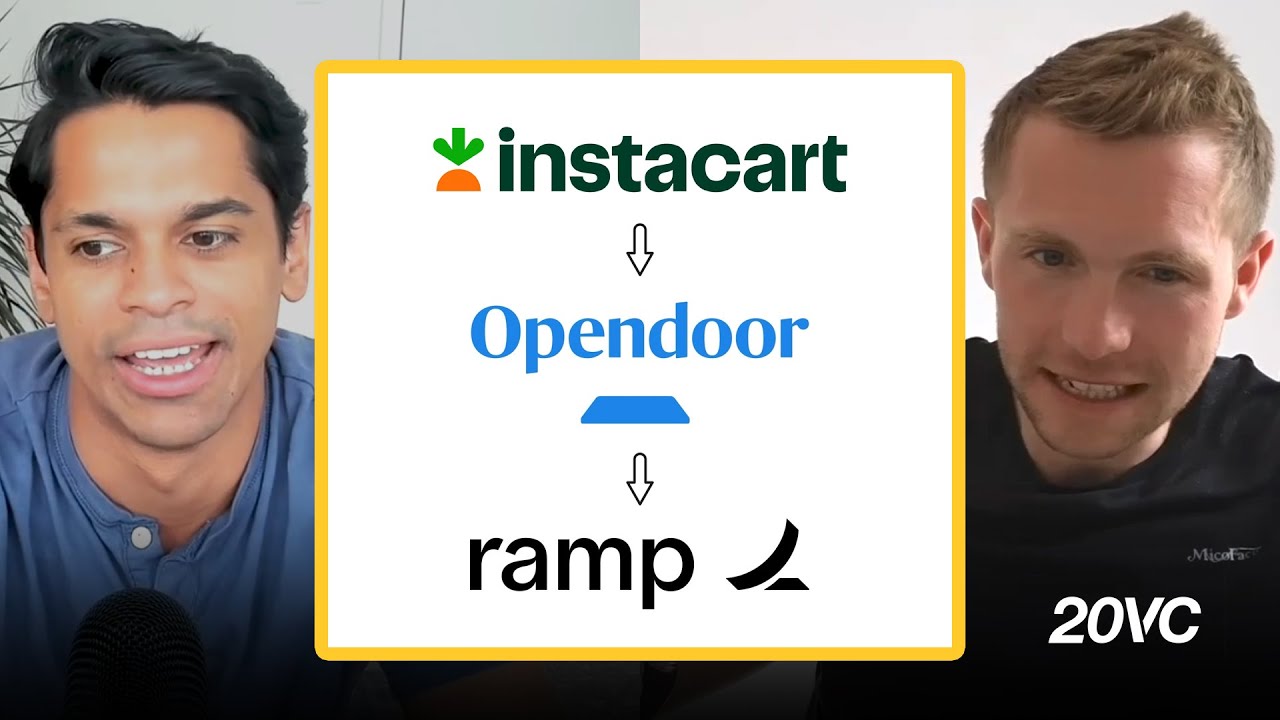

The Ultimate Guide to being an Operator-Investor -- Sri Batchu & Harry Stebbings

Sri Batchu: Biggest Growth Lesson from Instacart & Opendoor; 70% of Experiments Should Fail | E1040