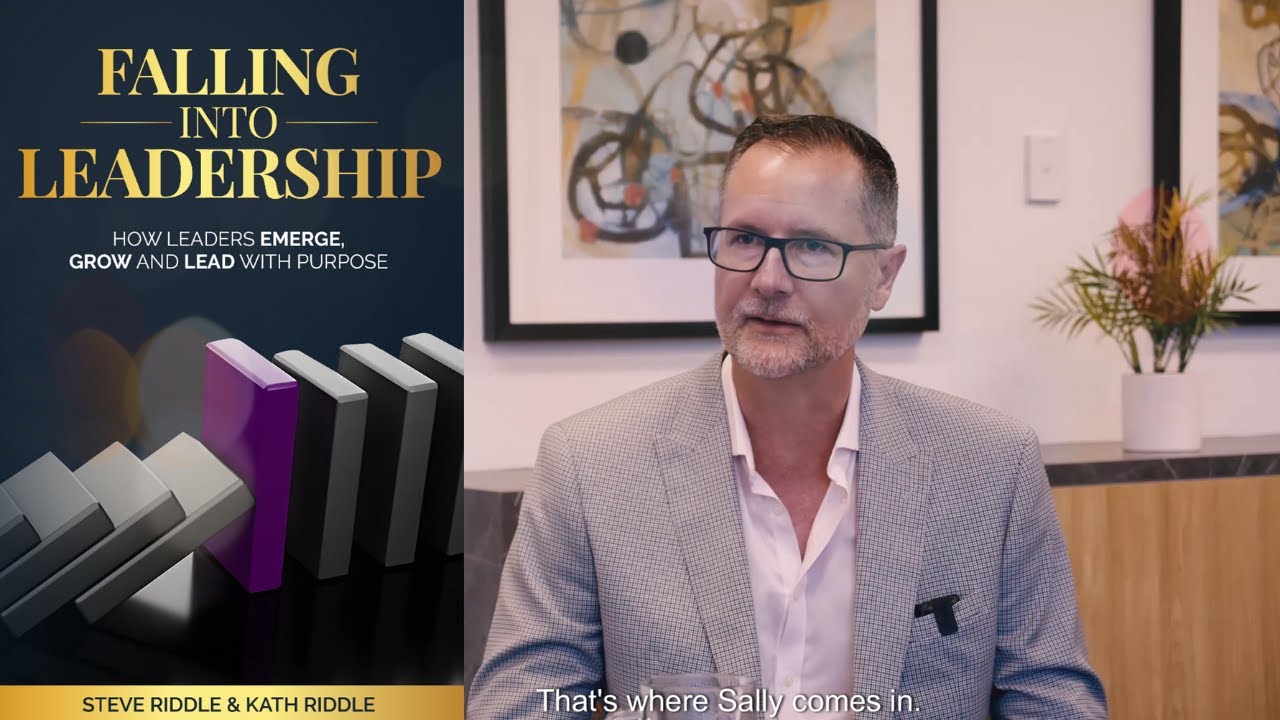
Steve Riddle presents emotional intelligence as the foundation of leadership, starting with self-awareness and managing emotional triggers like stress and ego. He argues that authentic leadership comes from aligning your values, words, and behaviors, and that a leader's legacy is measured by the emotional footprints left behind: confidence, clarity, and calm.
Chapters
Hi and welcome to Module 5 of the CoachStation Leadership Development Program. This module theme is close to my heart, and that's intentional. It's called The Inner Edge because in leadership, your greatest asset is not your title, your experience, or even your knowledge. It's your emotional intelligence. Your ability to understand yourself, manage your responses, and relate to others in ways that build trust, influence, and authenticity. Let's start with a simple truth: leadership begins within. Not with tools or templates or how many direct reports you have, but with clarity about who you are, what matters to you, and how you show up when things get difficult. That's where emotional intelligence, or EI, comes in. EI is the ability to be aware of your own emotions, understand the impact they have on others, and manage those emotions in a conscious, constructive way. Most of us don't lack intelligence, but many leaders struggle with emotional triggers— those moments where stress, ego, or fear hijack our best intentions. The key is learning to pause, to notice your internal state, and then choose how to respond. That ability is what separates reactive managers from intentional leaders. Self-awareness is the foundation. It helps you uncover the habits, biases, and patterns that drive your leadership, whether you're aware of them or not. When you're more aware of what triggers you, what energizes you, what you value, and what you stand for, you are better equipped to lead with intention and clarity. When you take the time to discover these points of difference in others, it is a powerful tool for influence. We often say we value trust, communication, or fairness, but here's the real test: do your actions align with those values in the way that you lead? Authentic leadership is not about being perfect. It's about being congruent, where your values, words, and behaviors line up. When people see that alignment, they trust you more. And when they trust you, your influence increases, not because of authority, but because of credibility and respect. Influence is one of the most misunderstood leadership skills. It's not about convincing people. It's about connecting, helping others feel seen, heard, and safe enough to follow your lead. That's where relational trust comes in. It's built through empathy, consistency, and the small but powerful act of being present. People don't want perfect leaders. They want leaders who are human, aware, and honest. Leaders who show up even when things are hard. And when things are uncertain, when change is swirling and pressures mount, emotional intelligence becomes even more important. It allows you to regulate your own stress, hold space for others, and lead through complexity without losing your centre. That's the inner edge we're talking about. So here's what I want you to reflect on as you move through this module. When do you feel most emotionally grounded as a leader? What triggers tend to knock you off course? Are your values visible in your day-to-day leadership? And how do you build trust, not just with others, but with yourself? Because the truth is, you cannot lead others well until you learn to lead yourself well. Your leadership legacy is not measured in tasks completed or deadlines met. It's measured in the emotional footprints you leave behind. The confidence you build in others, the clarity you bring in moments of doubt, the calm you create in times of stress. This module is your invitation to lead from the inside out, with emotional intelligence, with purpose, and with authenticity. Take your time with the reflection questions and activities. This is the kind of work that deepens over time. And remember, leadership is not what you do, it's how you influence, achieve results with and through others, and how you make people feel. Thanks for watching. We look forward to hearing how you translate this topic into your world, into what you do and how you do it.