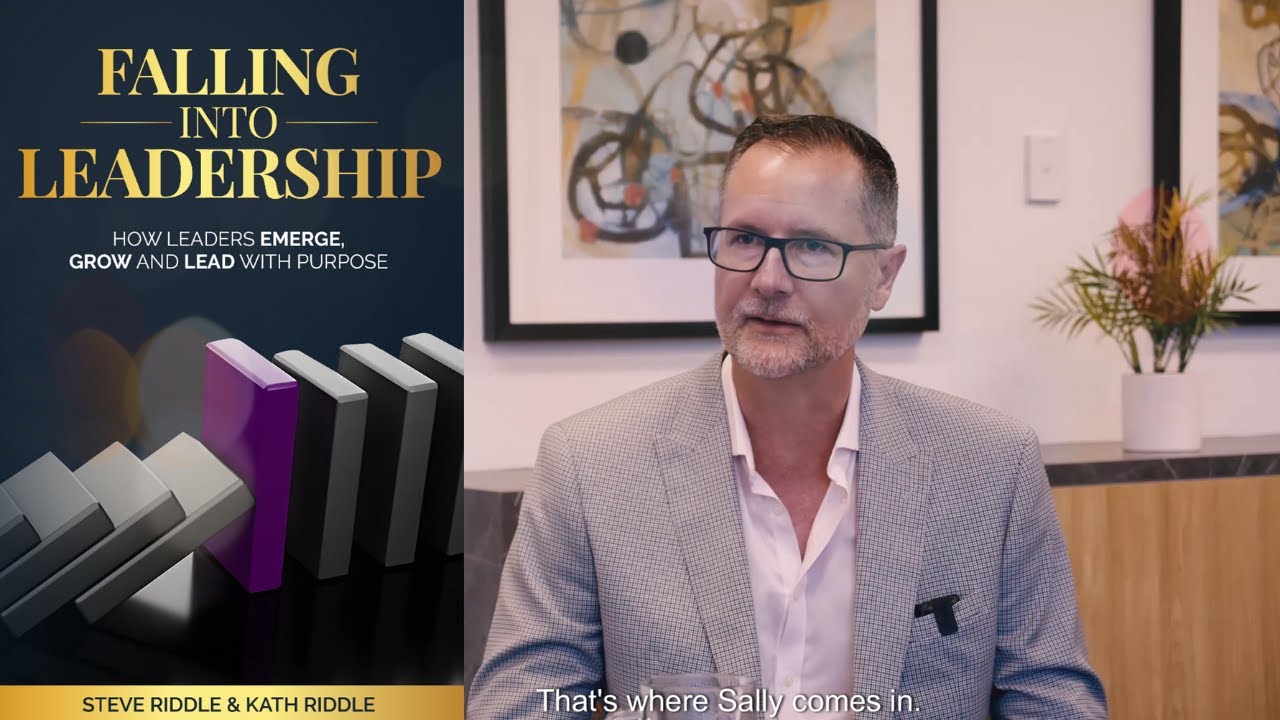
In Module 6 of the CoachStation Leadership Development Program, Steve Riddle explains why trust is the cornerstone of effective leadership, teams, and culture. He defines trust as the cumulative result of small, consistent actions—showing up on time, following through, and responding predictably. Riddle distinguishes between candour (honest, direct communication) and empathy, arguing that true trust requires both. He introduces the concept of a supported challenge (respectful, trust‑based feedback) versus an unsupported challenge (perceived threat). Psychological safety is described as the belief that interpersonal risk‑taking is safe, enabling people to ask questions, admit mistakes, and challenge ideas without fear. The module outlines how leaders can rebuild broken trust through acknowledgement, ownership, and sustained consistent behavior. Riddle offers four daily leader practices—be reliable, be open, be courageous, and be human (vulnerable)—and encourages learners to reflect on current trust levels, increase psychological safety, and commit to daily candour, consistency, and care. The overall message is that deliberate, small actions create lasting trust, which fuels high‑performing, innovative, and resilient teams.
Chapters
Welcome to Module 6 of the CoachStation Leadership Development Program, Developing Trust, Navigating Relationships, and Creating Psychological Safety. You're now more or less halfway through the modules, and we hope that you're enjoying the program overall and also finding it of great value. In terms of Module 6, It's about trust. Trust is the foundation of every strong relationship, every thriving team, and every healthy culture. Without trust, conversations remain surface level, conflict turns destructive, and collaboration never really takes hold. When trust is absent, people hold back their ideas, disengage from challenges, and focus more on self-preservation than collective success. But trust doesn't just happen by accident. Effective leaders know that trust must be built deliberately. It comes from consistent behaviour, clear communication, and the courage to lead authentically. In this module, we'll explore what it takes to create trust, how to maintain it in challenging times, and how to rebuild it when it falters. You'll also learn how to create the conditions for psychological safety, where people feel confident to speak up, challenge, and contribute, Knowing that they will be supported rather than shut down. Let's start with what trust really looks like in practice. Trust is built in the small things— showing up on time, following through on commitments, and being consistent in how you respond. Each action is like a drop in the bucket. Over time, those drops add up. But when trust is broken, it can spill out in an instant. That's why leaders must protect trust as one of their most valuable assets. Think about your own experiences. Who do you trust the most? Chances are it's someone who listens carefully, follows through on their word, and treats you with respect, even when the situation is tough. Those behaviours don't require special authority or position, but they do require discipline and self-awareness. Another critical element of trust is candour. Many leaders confuse trust with keeping the peace or avoiding difficult conversations. But true trust is not about comfort. It's about honesty. Teams grow stronger when leaders are willing to speak the truth respectfully and directly, and they deal with the reality of any situation. Candour without empathy can come across as harsh. Empathy without candour can feel like avoidance. Effective leaders bring both together. For example, in a performance conversation, trust is built not by sugarcoating or avoiding issues, but by addressing them openly while showing care for the individual. The message might be tough, but the intent is supportive. That balance creates space for growth rather than fear. I often find myself talking about challenges to many of my clients, coachees, and in that context I'll talk about a supported challenge versus an unsupported challenge. And a supported challenge is much of what we're talking about here. It comes from a position of respect and trust. It's an earned right, and people feel like that even though the message might be a difficult one to hear, they trust you and it enough to take it on board. An unsupported challenge feels a bit like a threat, whether overt or covert, but either way, people feel that it's not necessarily in their best interests. Psychological safety is the belief that a team is safe for interpersonal risk-taking It's when people feel comfortable asking questions, admitting mistakes, and challenging ideas without worrying about being embarrassed or punished. This doesn't mean lowering standards or avoiding accountability. In fact, psychological safety creates the environment where accountability thrives because people are confident enough to own mistakes and learn from them. They see those mistakes as part of the learning process rather than a fatal error. Research shows that teams with high psychological safety innovate more, learn faster, and sustain performance better. And as a leader, you set the tone. Do you invite input? Do you thank people for challenging you? Do you acknowledge your own mistakes? These behaviours signal that it's safe to contribute. Now let's talk about what happens when trust is broken. Every leader will experience moments where trust slips. Maybe through a missed deadline, inconsistent communication, or a poorly handled conversation. The question is not whether trust will be tested, but how you respond when it is. Rebuilding trust requires acknowledgement, ownership, and consistent action over time. It means saying, I got this wrong, and here's how I'll make it right. It also means being patient, because while trust can be lost quickly, it often takes time to restore. Remember, your team will forgive mistakes far more readily than they will forgive denial, avoidance, or blame shifting. So what can you do to build trust every day as a leader? First, be reliable. Follow through on what you say you will do. Small acts of consistency build big confidence over time. Second, be open. Share your reasoning, explain your decisions, and invite input. Transparency reduces uncertainty and strengthens credibility. Third, be courageous. Trust grows when you step into tough conversations with candour and empathy. Avoiding them may feel safer in the short term, but it erodes confidence in the long run. And fourth, be human. Admit your mistakes, share your learning, and show care for others. Vulnerability builds connection, and connection builds trust. As you work through this module, reflect on where trust currently feels strong in your leadership and where it may be fragile. Notice how your behaviours— your words, your follow-through, your openness— either build or diminish trust in each interaction. Consider how you can increase psychological safety in your team. This might mean explicitly encouraging questions, inviting challenge, or taking time to listen without judgment. Ask yourself, if I were in their shoes, would I feel safe to speak up? Finally, commit to a daily practice of candour, consistency, and care. Trust isn't built in grand gestures. It's built in the small, repeated actions that show people you are reliable, honest, and invested in their success. Trust is the cornerstone of leadership. When you deliberately create trust, you build teams and cultures that not only deliver results but also thrive long after individual tasks are complete. Keep practicing candour, consistency, and courage. By doing so, you will navigate relationships more effectively, create psychological safety, and lay the foundation for lasting leadership impact.