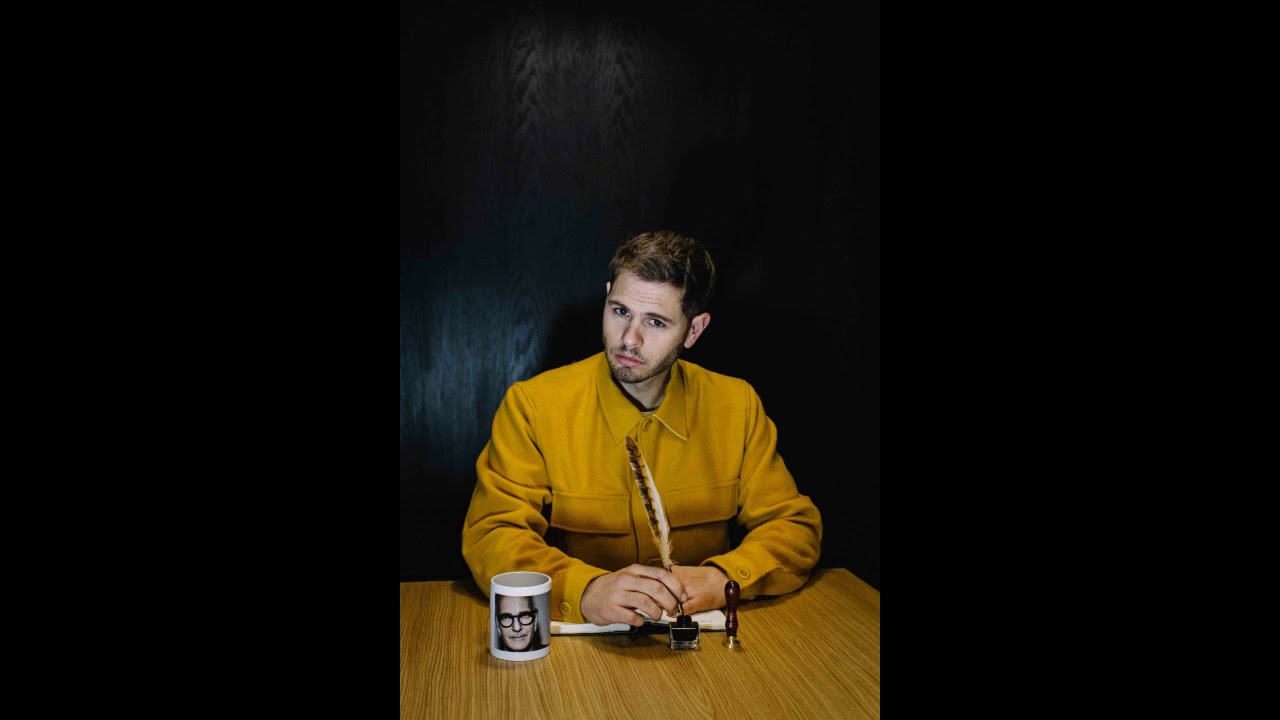
In this interview, comedian Anirban Dasgupta recounts his path from a part‑time stand‑up performer in Calcutta to a full‑time comic in Bombay. He describes looking up to early Indian comedy pioneers in Bombay and Delhi, especially the Comedy Store circuit, and setting a concrete financial goal: quitting his day‑job once his monthly comedy earnings matched his salary of roughly ₹30‑35,000. He explains how Calcutta’s first‑time audiences required a pre‑show briefing to teach them stand‑up etiquette, while Bombay audiences were already familiar with the format. Dasgupta shares his family’s supportive yet linguistically confused reaction, noting his mother’s difficulty understanding his Hindi‑English (Hinglish) performances. He discusses the strategic use of Hinglish on stage as a natural urban language and a comedic hack. The move to Bombay was facilitated by the legal fallout of the Comedy Store, leading to the emergence of Canvas Laugh Club, which opened doors for comedians from other cities. To sustain himself, Dasgupta took on various writing gigs—sketches, ads, collaborations—providing a financial safety net when stand‑up income was low. He observes that audiences across major Indian metros share similar media consumption habits, making the transition between cities smoother, though Bombay audiences required less education. Overall, the conversation highlights the practical, cultural, and economic factors shaping a comedian’s full‑time career in India.
Chapters
Who were the guys then that you looked up to? Who were the guys who you were looking at thinking, right, okay, this is, this is the kind of career that I want to aspire towards, these are the people that are inspiring me, if you were literally the only comedians in your own city?
Yeah, the guys we looked up to were the guys in Bombay and Delhi. Yeah, so these places, the comedy scene had evolved into into something. It was still very small, but we were kind of part of the circuit. So there were clubs in Bombay. So Comedy Store, Comedy Store, the UK Comedy Store had opened up a Bombay branch. It was called Comedy Store. And then it got into a lot of legal trouble. But that was the, that was the dream for us that, okay, we need to go and perform at the Comedy Store in Bombay. What the Comedy Store used to do during those days, this is 2010, they used to have 3 acts. flying down from UK, Australia, Canada. So those were the guys, like, you know, our first live experience of stand-up shows were looking at these guys. And that— so yeah, we started looking up to them. Then the batch of comics that came out from Bombay, they were pretty good and they gave us some kind of ambition. They gave us some direction. So yeah, the initial goal was to just able to do stand-up at The Comedy Store in Bombay.
Wow. And so were you— you were performing every night while you were doing your full-time job? And then, and then what? And if so, then what was the, uh, transition? How did it happen from you going from that to then quitting your job to go all in full-time?
Yeah, so the, the formula that I had in mind, uh, was that, uh, the day I make, uh, my salary, uh, from comedy in a month. So, uh, the day I make enough money from comedy, uh, like in a month that I earn from my job, I'll quit. And the first month, uh, it happened, I just resigned. And then there was like a 3-month notice period, and that was when I stopped getting gigs. So I resigned the day, like, my salary—
Classic.
Yeah, yeah, my salary wasn't like a big salary. It was like about, uh, Indian rupees, uh, 30,000, 35,000. So the day I made, uh, 35,000 from comedy in a month, I quit. And then the next 6 months I didn't even make ₹30,000 combined, all the 6 months combined. But, uh, yeah, I'm happy that I took that decision, uh, because I was in Calcutta. I still got some work because, uh, you know, any, any inquiry in Calcutta, anybody wanted a private gig or anybody wanted a show at a bar, like we used to always get a call, uh, because like literally there was nobody else. So that helped me like make some money and like, you know, survive. Uh, that year. And then I just moved to Bombay and, uh, took up some writing jobs to support standup.
And what was the audience like in Calcutta? If, you know, they'd never been to any live standup shows before, how did they respond?
Yeah, it's like, uh, yeah, yeah, yeah. They were all first-timers. And, uh, but the audience was good. Like, uh, the people, uh, over there, uh, who used to come to our shows have been exposed to some kind of comedy, uh, like, you know, uh, via YouTube. They have seen all the you know all the icons of stand-up, the Carlin's and the Seinfeld's. So like some of them knew what to expect, whereas the others you know we kind of had to educate them. So like early on like we used to actually like the first five minutes we used to actually explain to the audience. Okay, this is how it's gonna work. We are going to tell you jokes. Don't get offended. Laugh. Laughter is very important for you know. energy of the show, for you to have fun. So it used to be like a lecture up top and then you start the show. Yeah.
Wow. So you're really like starting from, you know, step one.
Yeah, yeah, absolutely.
Amazing.
Absolutely. Yeah. We, we, I'll tell you, I'll tell you, like, this will, uh, you know, uh, say a lot of things. So not just the audience, even the comics, like all of us, we didn't know shit about standup, right? We were also like figuring it out. So we didn't, at that point, we didn't even know that going up top is not good because you get a cold room. Because at that point we used to think, hey, let me just go up top, get done with my shit. And then I'll sit and enjoy the others. So we used to actually toss who will go first and whoever, who will go. Like we used to toss for the order and me and Vaibhav, who's another comic who's now in Bombay, um, uh, during those days, whoever won the toss used to go first. And it took us about 6 months to realize this is actually not a good deal. Like we are spoiling our own time.
And what was your family's reaction to you deciding to, you know, go all in on your comedy career?
My family was pretty positive. They're pretty supportive. They were like pretty stable in their own way. They were pretty financially stable. So they didn't really bother me with, you know, like have a job. They've always been— they actually did not want me to do a regular job. Like they wanted me to Yeah, yeah, yeah. When I was a kid, they wanted me to like, you know, play professional sports or something like, you know, out of the ordinary.
Okay.
So, uh, I did not have much trouble, uh, convincing them. They were quite happy. Although my mom still doesn't know what I do properly. Like, it's very difficult. Uh, like, she, uh, she doesn't understand Hindi and English like, you know, that well. Like, she converses mostly in Bengali and our stand-up is mostly in Hindi and English. Uh, so, you know, Yeah, she doesn't really like watch my shows and all, and she has a tough time explaining to relatives what I do.
But, uh, has she been to any of your gigs?
She has actually, and she's just laughed at anything because, you know, I'm her son. That's like what's more important.
It's interesting watching, um, your clips, which are, which are very funny, but how you jump between Hindi and English. Why is that? Why do you jump between the both when you're performing stand-up?
Um, I think that's, that's how we talk here.
Okay.
Uh, like, it's, it's the language is called Hinglish, you know, the, the combination of Hindi and English. And, uh, that, that's like kind of the urban language in India, uh, in all the cities. Uh, so, uh, yeah. And all like, yeah, so we just try to like, you know, take it to stage and, uh, You know, in the early days of standup, what used to happen a lot, and I've also done it a lot, that the setup used to be in English and the punchline, uh, which punchline would be just in raw Hindi. Right. And that would always get a reaction because it's relatable. The audience also speaks the same language.
I see. Yeah.
Some like colloquial phrase and also it was kind of a hack. Uh, we still do it, but, uh, yeah, it's, it's a natural transition from what we are in real life.
And then what was it like when you moved to Bombay and now suddenly you're in this environment where you've got an established comedy scene?
Hmm. Uh, they were, they were like, you know what happened, uh, during those days, uh, in, in Bombay, what really helped us accelerate our journey was, uh, The Comedy Store, uh, actually had a lot of legal troubles with their Indian partner. The case is probably still going on. And then The Comedy Store walked out of India, and then Canvas Laugh Club, like the Indian partner, basically took over that space, the same space. It's designed exactly as per The Comedy Store in London. It became Canvas Laugh Club, and they had not paid a lot of comics because they were in a lot of legal trouble. They had not paid a lot of comics for like 2 years. So all those big comics just refused to perform there till their dues were cleared. And just around that time, in came all, all comedians from outside Bombay, from Delhi, from Calcutta, from Bangalore. And we were like, yeah, yeah, we'll do that. We don't need the money, we just like want to perform, because that was the place to be. And that helped us like, you know, get an entry into the door, you know, in Bombay. And then we became the regulars in those clubs, and we also got paid. So that, that was, that was like, uh, big, like, unintentional kind of a thing that happened that helped us, you know, make some mark in Bombay. And otherwise, what we needed to do— money in stand-up was not that much, so we used to do a lot of writing gigs. Like, we will take up any kind of writing gig. It could be like writing a sketch, it could be writing an ad for a brand, it could be writing with another senior comic who's like, you know, doing a show on YouTube. So all these writing gigs paid really well, and it just gave us a little bit of a leeway. Okay, even if stand-up doesn't pay for the next couple of years, we are financially okay.
And in terms of the audience, were they just as receptive as the Kolkata audience, or were they harder to win round because they're more versed to comedy and seeing live, you know, gigs and stand-ups, and so they have a higher standard?
No, it was— so I feel that the demographics of audiences in the major cities of India like Bombay, Delhi, Calcutta, Bangalore are more or less the same because they're like consuming more or less the same media that we do, like YouTube, Twitter. Like Instagram wasn't there around that time. So I did not really feel a lot of difference between Calcutta crowd and Bombay crowd. The difference was that, yeah, they knew what to do, they knew what to expect, whereas in Calcutta we had to like little bit educate them before the show started. In Bombay, you could just hit the ground running.
I see. So do you feel like in a way getting into stand-up at this point of time, um, has been easier because of social media, etc., has meant that you've got more of a globalized audience?
Absolutely, absolutely. Like, you know, the education part is already covered now. Yeah, like, you know, they know what to expect, uh, Yeah, it's kind of like the audience and us, we have the same routine. Like we are on the same websites, we are following the same news, you know, in some way. So yeah, it has actually made it much simpler.