YouTube video (speaker: Susan Elizabeth Santsche of Clear Perfection) explaining how different LED/therapy light wavelengths (blue, red, amber, green) affect skin layers and are used in facial treatments. Blue light targets the epidermis/dermis to produce an antibacterial effect against P. acnes; red light penetrates deeper to support cell repair and scar-smoothing; amber and green are used for hyperpigmentation. The clip is an overview aimed at patients/clients describing practical benefits.
Chapters
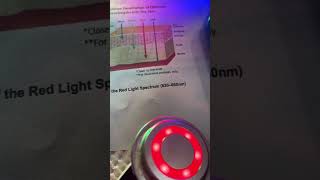
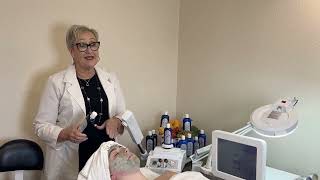
Susan Stanchi from Clear Perfection and the Spot Personal choice. I'm here in my facial room, and I thought I'd give you a little overview of why we use therapy lights in our treatment rooms. Different light waves actually do different things, and we are finding extremely amazing results with blue light and red light with acne patients. Here's a diagram of the skin, and each of the different colors generated here go to a different length in the skin. So you'll notice that the blue light penetrates the least amount of time, which is where you really want it to stay. It goes to the dermis and into the epidural layer, and those where all your hair follicles are, that's where it's getting clogged up and congested. So by using the blue light, it drops down through the. The epidermis into the dermal layer and. And it will actually create an antibacterial reaction, and it will kill the P bacteria, which is awesome. But red light is also good to be able to use into conjunction because it will go clear to the muscle. So it helps repair the cells. It will repair it, and it will actually start to smooth out the skin for scarring. The amber light is used for hyperpigmentation as well as the green light. So you will get a lot of great results by using lights in your treatments.