My top 5 ways to practice self care and BONUS how to do 2 of them @ the same time..

Tami Grgas shares five mistakes parents make with teens, drawn from her experience raising her 15-year-old son James. She connects with him through his interests like video games and Dungeons & Dragons, and uses Classical Conversations for homeschooling, where responsibility gradually shifts from parent to student.
Chapters
Oh, I'm live. Hello, Tami Grgas here. I wanted to share with you today, I've been, I don't know, some of you know, some of you don't know, I have a 15-year-old son and I'm always trying to figure out how to be a better parent to a teenager, if you will. There's good times and there's not so good times. It is what it is. But I came across this article and I wanted to share with you the 5 mistakes that parents are making with their teens and tweens. I thought this was very— Number 5 is the one that I need to work on, and I'll tell you about it once I get there. So Number 1, and I'm reading notes 'cause I wrote notes when I was reading this article. Number 1 is they expect the worst. If you think this way and verbalize it to your child, it could very easily become a self-fulfilling prophecy. Instead, focus on that child's interests. And hobbies, even if you don't understand. You can open a whole new path of communication, which is— this is something that I've done with James, which is really cool. So James and his friends, they play video games and they love Dungeons and Dragons. And I was kind of like, mm, However, I actually, for my birthday, which is coming up, I am getting a controller so that I can play Animal Crossing with James and connect with him with that a little bit. And also he and his friends are creating a character for me so that I can play Dungeons and Dragons with them. And we have had some wonderful conversations about this. It's just I'm trying to see things from his, his world point of view right now. So number 1, I think I'm doing okay on. Again, that was expecting the worst. Don't expect the worst. Try and get into whatever they're into. Try to understand it better. So number 2, and this one I kind of laughed at, reading too many parenting books. And then after I read through it, I kind of understood it. So they say, um, parents can tie themselves in knots trying to follow all the advice that they read in books, which is true. So they should learn to trust their instincts. Um, use books to get perspective on confusing behavior. And I've kind of done that. Like, I have a bunch of parenting books and there were certain things that I was concerned about. So I kind of skimmed through the book until I found relevant stuff to what we were going through and figured out what worked for our family. So that's— reading too many parenting books can be a mistake. The third one is sweating the small stuff. And, you know, they, they're saying like, if your kid has a haircut or a different hair color or they like to wear some weird clothes, kind of let it go. I mean, unless it's, um, like I have a boy and he, um, sometimes he needs to be reminded to have a shower and stuff like that. So that's kind of, you know, that's something that is more of a cleanliness thing and a you know, he gets smelly, okay? But if you have a girl that's maybe dressing a little too provocative, then I'd say that is something that you might need to step into. But if they're just wearing, you know, they're mixing purple and green and yellow and orange, they got polka dots, they got stripes, they have pink hair— well, I have pink hair— those kind of things, they're saying just kind of let it go. Let them show who they are. And even if you think that it's something that you're like, "Uh, you're gonna get teased about that, you're gonna get bugged about that," let them go through that. I don't know about you guys, but the best lessons I've learned in life are from doing things and then getting feedback that might not be so good. And it's like, "Oh, well, maybe that was a wrong thing to do." So these are kind of, you know, don't sweat the small stuff and let them learn from their mistakes. Now, um, the number 4 is ignoring the big stuff. So drugs and alcohol, don't look the other way. If you notice things like, um, their grades are slipping or they're, they're not connecting with the family as much as they used to, although that's kind of a fine line with a teenager. My son does spend a lot of time in his room now, just wants to be alone and doing his own thing and blah, blah, blah. But if you notice a drastic change in their behavior, and basically they're saying not to— like, I was a pretty naughty child, teenager, and I don't want James to be as naughty as I was. I did some things that were dangerous, and so I want to keep my eye out on that. I don't want to let it go because, well, I did that, you know? You know what they're saying? So the number 5 one, this is the one that I'm not— I just don't know if I am Okay. Too much or too little discipline. Um, some parents sensing loss of control over their teen's behavior crack down on every time their child steps out of line. That's not me. Others avoid all conflict for fear that their teen will push them away. I wonder if I'm not verging in that part. They're saying to find a balance between the two, which I've been trying to do. And this, this one thing, I'm going to start looking this up and I think I'm going to do this. They say, set family core values and then communicate them through your words and actions. And I, I think I'm going to, um, do something that I involve James in setting these core values so that we all have a piece of that. Um, and then when you do that, they say that's being an authoritative parent, an approach that helps children develop the skills they need to govern themselves in appropriate ways. Okay. Which we're supposed to be doing at this part, you know. So we homeschool, as some of you may know, some of you might not. And in the homeschooling journey, we're in— I know you Americans call it like freshman, senior, whatever. I still go by grade. So James is in 10th grade, which in Canada, at least where I went to school in Alberta, That was first year high school. In America, that's second year high school. So I think that's sophomore. Eh, I don't know. I'm still figuring all this American stuff out. You guys are, you know, you do things a little bit differently than we do up in Canada and that's okay. So anyways, the first, so we stepped up, we use a curriculum called Classical Conversations. And in the early years, it's a lot of memory work. So he was in Foundations. Then in 6th, 7th, I think it's 6th and 7th grade. No, no, 4th, 5th, and 6th grade, I think. He was in an afternoon class called Essentials, where he learned about writing papers and diving deeper into what he was learning. And then in 7th grade, they started what's called the challenge years. And I was told this in the beginning, 'cause I was afraid of challenge. I was like, "Oh, we're in the high school years. How am I gonna do this?" So basically the first year when they're in 7th grade, As a parent, you are still leading them in this learning journey. Okay. And then in 8th grade, so that was Challenge A, then Challenge B, which would be 8th grade, they start walking alongside you. They start, you know, you're doing a walking beside each other type of thing. Every once in a while, they're taking the lead. Every once in a while you're leading them to— on this learning journey, okay? Then in 8th grade— or was it— no, in 9th grade, that would be Challenge 1. Yeah, and he's in Challenge 2, 9th grade. Oh, whatever. He's in Challenge 2 now. In Challenge 1, he started pulling out front of me some more and taking some leadership in his learning. Challenge 2, he's 15 and he's supposed to be walking more ahead of me. However, this year I've had to, I let go a little too much and he didn't get some assignments done and just wasn't, being as self-disciplined as he should be in getting his schoolwork done. So I had to pull back and say, okay, we have a schedule, you need to do this, you need to do that, and be a little more authoritative, I guess, and tell him what he needs to do. So like, that's kind of the place that we're at with our kids is helping them to develop the skills to be able to teach themselves and to, um, like James does enjoy learning. He's just, um, maybe a little too much into gaming and stuff. And I'm not exactly sure how to walk this fine line. I think a part of it is going to be me being able to play a game with him and seeing a little more of that world with him and then being able to pull him back to get his schoolwork done. I don't know, people, it's hard being a parent to a teenager, um, but it's also fun. So I, I don't want anybody who's watching this and has little ones— don't be afraid of it. It has been, um, very eye-opening for me because I was always afraid of the teenage years. And now that we're here, it's still got these times that I question, but he's a wonderful young man and we have fantastic conversations. Ooh, ooh, ooh, ooh. Apparently there's somebody at the front door. So anyways, I digress. If you would like a copy of my notes about these 5 mistakes that parents make with teenagers, please just either send me a direct message or message below in this live video and I will get those to you. I think my next video or one of my next videos is going to be about how to, um, Set family core values and see how that works as a, as a tool to use to help keep our communication open and keep moving forward. So I gotta get going now because, uh, our family's been through a kind of a weird time. We, uh, packed up 98% of our house because we were going to move, and then the sale fell through, and now I'm unpacking my house to move back into my house, and we're staying. so decluttering, that's what I'm doing a lot of right now. I hope you all have a wonderful day. I want to wish all my Canadian friends a Happy Thanksgiving this weekend. I kind of miss having Thanksgiving in October because it gives you more time between turkeys, although we don't do turkey for Christmas now. I don't know. It's a little bit strange down here in the South. That's what we used to call it up in Canada. This is the South, but apparently I'm not in the South. But anyway, I digress again. Love y'all, have a great day, bye. Bye.
More from Tami
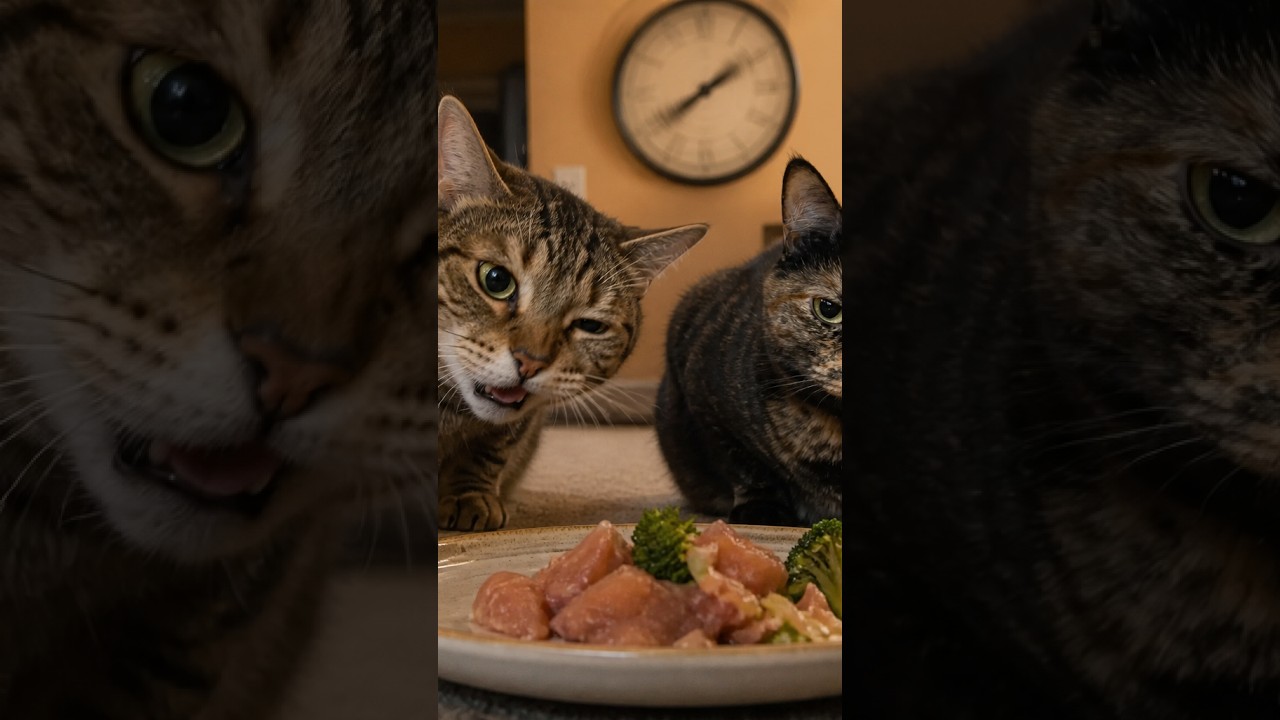
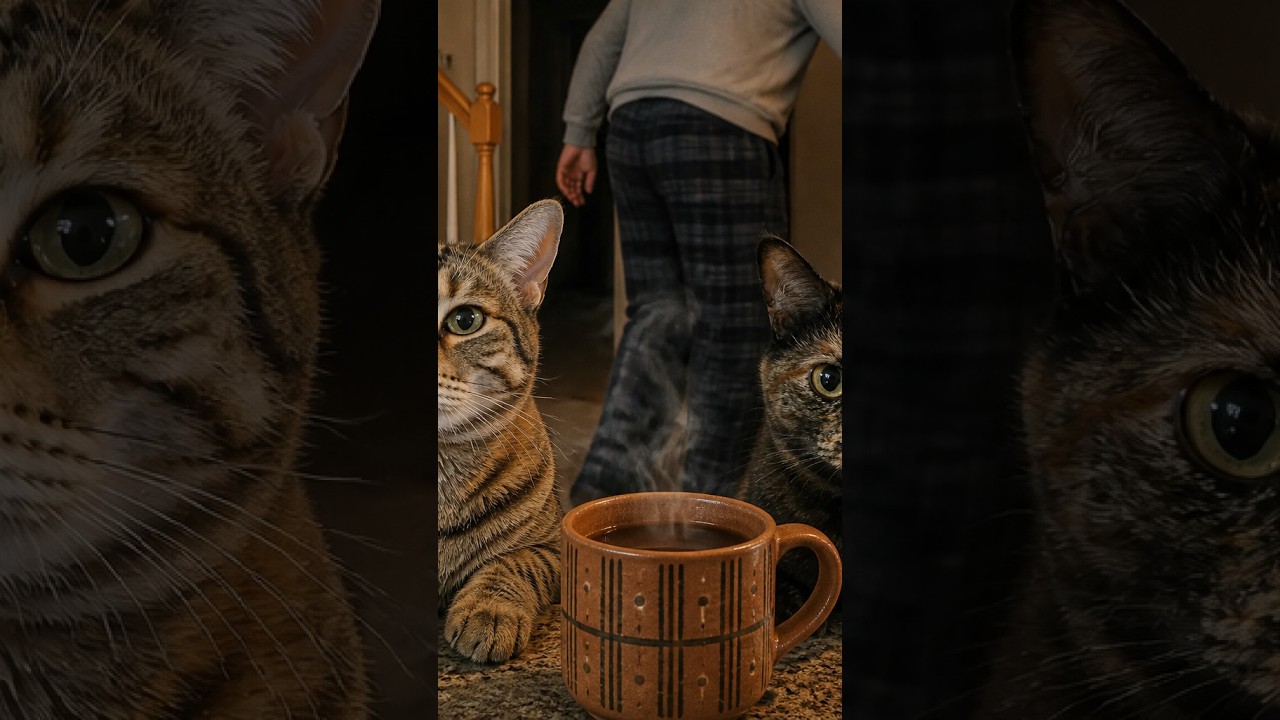
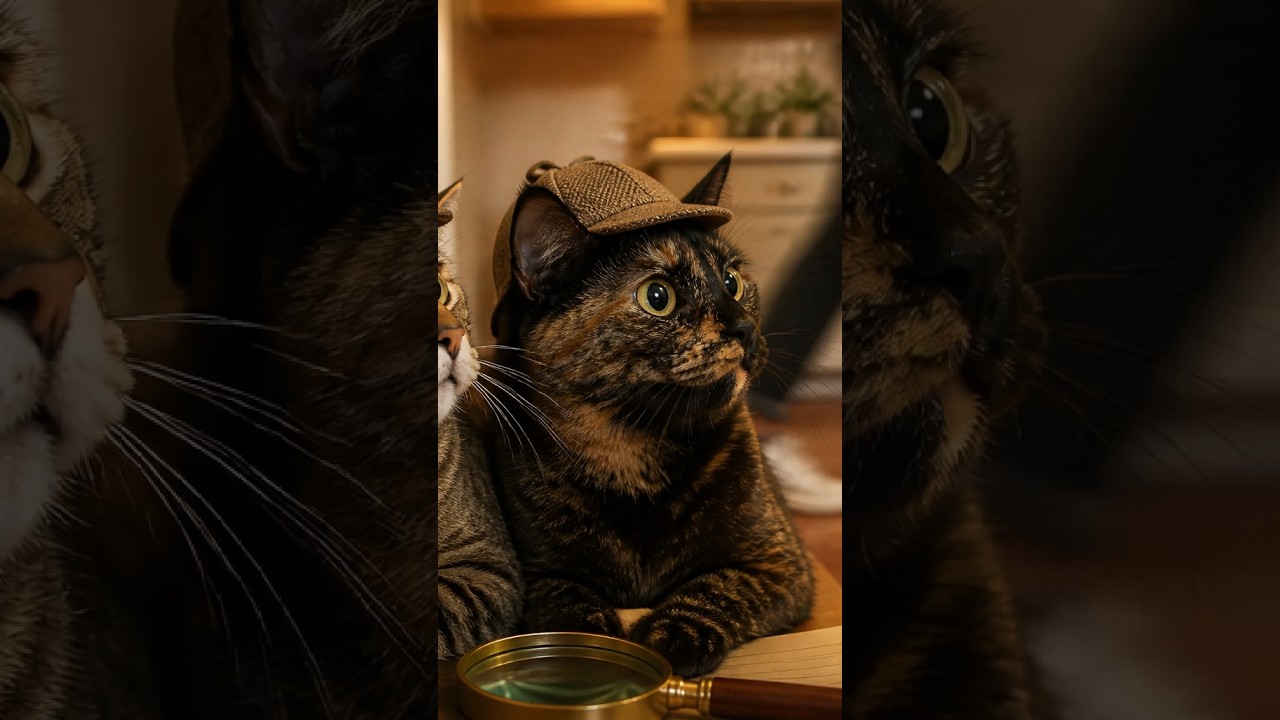
When you can't find your phone and your cats know why 😹 #catmemes #funny #fail


Rebel on Two Wheels 🤘#ADHD #ADHDWomen #adhdselfimprovement #relationship #ADHD #ADHDMom #RebelLife