February 12, 2026
12 Feb 2026 · 2 min
2:02
A physician argues that calling doctors
Chapters
More from Clay







youtube.com
#PatientExperience #HealthcareLeadership #HospitalAdministration #ExecutiveStrategy
1mo ago


See all content
A physician argues that calling doctors
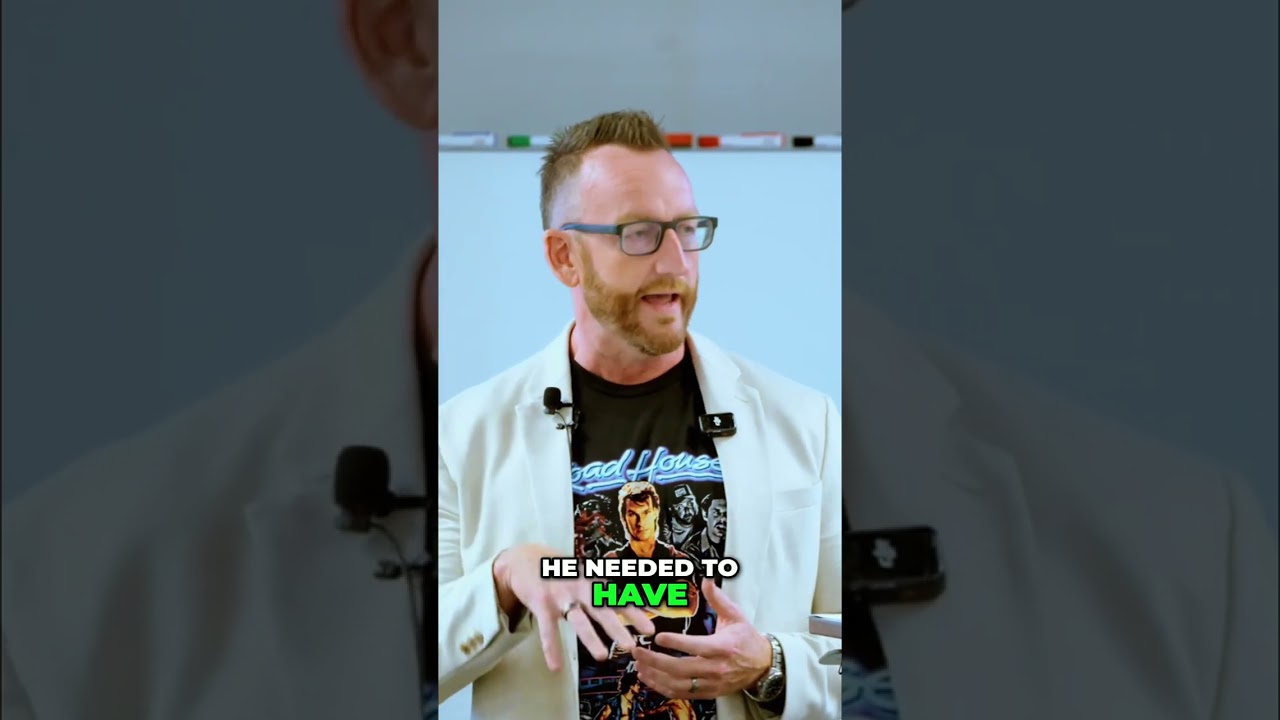
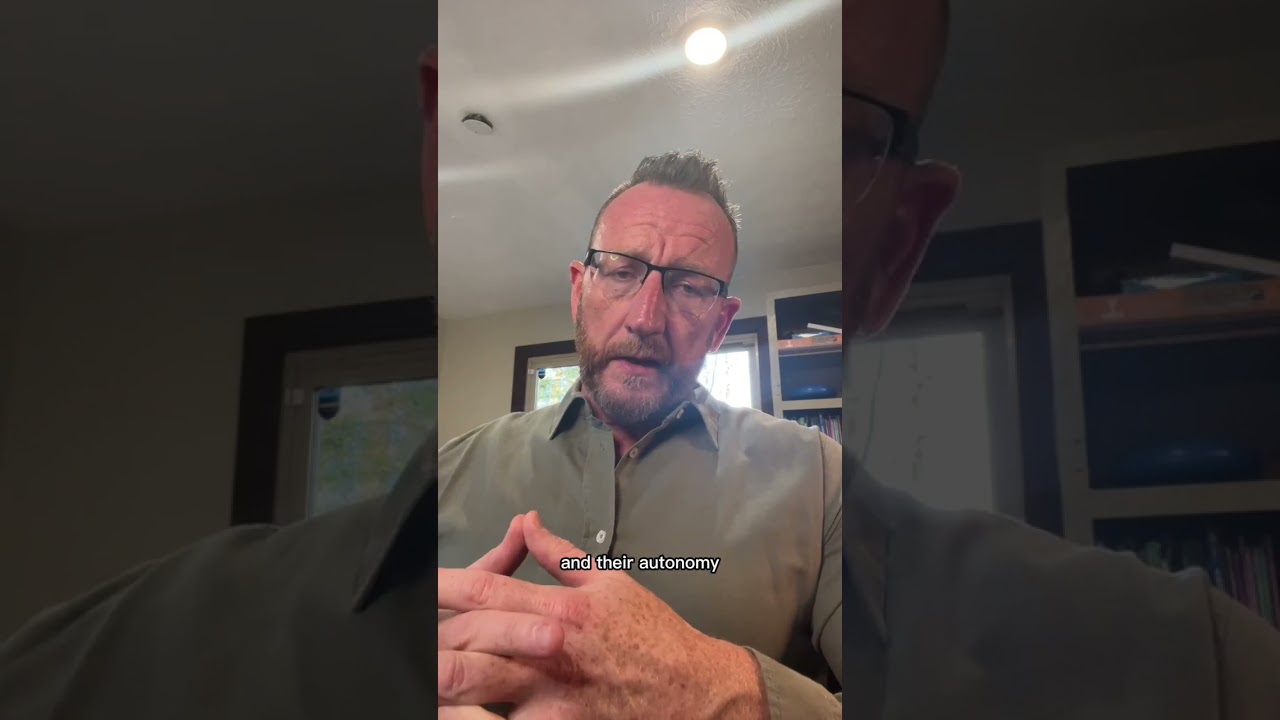
Let me challenge a word many of us use every day in healthcare. It's this word "provider." A new policy paper from the American College of Physicians and Annals of Internal Medicine argues that physicians are not providers, and that language actually has ethical consequences. Here's why this topic matters so much. The term "provider" came from administrative and billing systems, but over time it has reshaped how we think about physicians. It reduces a profession that's grounded in ethics and trust and human relationships into something that sounds very transactional. And when medicine becomes transactional, physician engagement suffers. The American College of Physicians calls this deprofessionalization. It's when systems, culture, and language begin to erode physicians' professional identity and their autonomy. So think about what that means for recruitment, for retention, for burnout and wellbeing. You know, physicians don't just want efficiency. They want meaning, purpose, and recognition of their unique role and their ethical responsibilities. Language signals our culture. Culture drives the experience of people that we work with and we serve. And our experience drives outcomes for clinicians, organizations, and our patients. So maybe the real question is this: if we want to improve the physician experience and rebuild trust in healthcare, What words and what systems need to change? I'd love to hear from you on this topic. What do you think about the word provider?

#PatientExperience #HealthcareLeadership #PsychologicalSafety #EmergencyMedicine
#PatientExperience #HealthcareLeadership #HospitalAdministration #ExecutiveStrategy