Operational Intelligence Podcast- Episode 1- The why
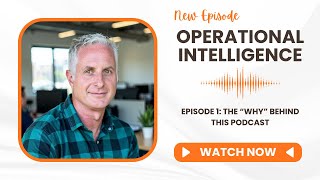
Morgan interviews Thomas Zoebelein about why he started this podcast and his journey from industrial design to building AI tools for collision shops. He sold his marketing agency to focus on Hero Group, an umbrella for AI products like Reclaimer, which automates estimate scrubbing. The show aims to solve real shop problems and spotlight people doing interesting work in the collision industry.
Chapters
Every body shop has something they do better than anybody else. Maybe it's customer satisfaction, maybe it's culture, maybe it's production flow. On operational Intelligence, we find out how they did it. Each episode, I sit down with one shop owner who's cracked the code on a defining element of their business. And we go deep. Why they chose to focus on it, what they tried that didn't work, how they refined it, and how it's changed everything since. This isn't another roundtable about the industry. It's a tactical look at the habits, decisions and insights that separate the good from the great ones. Operational intelligence. One shop, one solution. How they crack the code.
Welcome to Operational Intelligence, the only podcast in the collision industry that's laser focused on solutions, innovation and making your work easier. I'm your co host, Morgan, and every episode we'll talk with body shop owners, operators and industry experts who are doing things differently and share how you can bring their ideas to life in your own business. But before we dive into those interviews, we wanted to start with the why behind this show. So today I'm turning the mic around and interviewing our resident collision expert and co host, Tom. Tom spent over 15 years working with shops all across the country, helping them streamline operations, embrace technology and unlock new levels of performance. He's built companies, sold them, and now he's leading the charge at Hero Group, developing purpose built tools to bring AI and automation directly into the hands of collision repair professionals. Tom, welcome to your own show.
Thanks for having me.
Well, let's kick things off with the big picture. What is operational intelligence all about and why did you want to create this podcast to begin with?
This was an idea that I've had for a very long time. You know, as you know, I had my own marketing agency and I had it for a very long time. But honestly, I think talking about marketing stuff is kind of boring. It's really. You're kind of limited, you know, you're talking about ads and websites and SEO. And to me, that just wasn't enough to talk about to have a podcast, but I always wanted to do one. But so I had this idea about, you know, as I would get on sales calls with shop owners, we would talk for a few minutes about marketing and the marketing challenges and what my agency could do for them. But then the conversation would veer. Sometimes these conversations would go on four or five hours. We would talk about the industry, we would talk about their shop, we would talk about how they got into the shop, and they were almost like mini podcast episodes. And what I. What I would often take away from, or even after I went and visited shops, because I've been into, literally across the country, hundreds of shops at this point over 15 years, I always saw something that one shop owner did differently than another one that I thought maybe was better than what I had seen. You know, something that a particular owner, like, focused on or was passionate about or just was really skilled at, you know, and it could be anything like, you know, culture or how the front office operates or, you know, how they're blueprinting vehicles, you know, you name it, but just something that they did that was different. And then other people after I'd, you know, gone on tours of shops, and I thought, what a great idea to showcase that, to highlight that and to turn it into an actual podcast. So, you know, as I've transitioned away from the marketing agency side of things and we've launched Hero Group, it just seemed like the right thing to do now to launch this. There's a lot of podcasts out there. You know, most of them are kind of just general industry, collision industry. You know, they'll talk about collision industry things. But I wanted a place where shop owners could go to learn from other shop owners and to see what I see. Let me, you know, choose the people and pick what I. What I see that they do very well at. And then hopefully this will lead to discovering other people that I haven't even met before, you know, so, yeah, so that's. That's the goal.
I've heard you say before that that this show is for body shops by people who get body shops. So what kind of conversations do you expect to have here?
Yeah, I. It's probably going to go a lot. Like, my sales calls are hopefully not four hours long, but I think that we will, you know, we'll kind of talk a little bit about how they got into the business and, you know, what got them to step aside and become an owner versus, you know, a lot of the guys started out as technicians or, you know, maybe they inherited the shop from their parents and worked their way up. But, you know, once they took over the reins, you know, what they saw as what needed their focus and what they chose to really, you know, do well, you know, like. Or what they. What they focused on and that they've done very well. I. I want to learn more about that. That fascinates me.
And I think it sounds to me like it's not buzzwords, it's not trends, it's actually what works in the shop. What's Working for real people and. And could work for other body shops across the country.
Yeah, I think that all that other stuff is being covered by other people. You know, there's a lot of really great podcasts out for the collision industry. What I don't see is people kind of going deep on a specific topic and really uncovering, in the owner's own words, what they did, what they tried, what they, you know, what dead ends they ran into. So that the next guy may be trying to, like, what I would hope is that somebody that, you know, a year from now, we've got a ton of episodes. Like, maybe there's like, four on parts and like five on culture and three on front office things. And if you're a shop owner that's kind of struggling with the thing, maybe you might go here and listen to three other shop owners that we've had on the show talk about how what they did, what they struggled with, what they tried and didn't, what didn't work. Maybe there's some. Some common ground there. So that if you're a shop owner struggling with topic X, you can kind of skip ahead and get ahead of things by learning from the experience of multiple shop owners who have mastered this thing.
That sounds great. And I think it really is going to make the show stand out from what's already out there. You're different, and what you want to do is different than what anybody else is doing.
Yeah, that's the hope.
Let's rewind a little bit and help people understand a little bit more about you. How did you get into the collision industry? And, you know, why collision. Why is it something that you've really drawn you to it?
Yeah. So I think, like a lot of men in the collision industry, men and women, I've just born a passionate car guy. I have, like, I restore cars. I've been doing it since I got my first car when I was 13 years old. I still have it. It's a 66 Mustang. And I. I restored that car. I bought it literally in the summer between eighth grade and freshman year of high school. That's a whole nother story, but how I came to own a car at that age. But it was just basically, it was a bet that my father lost about my grades. So anyway, so, yeah, so we bought this car. The intent was that I would, you know, 14, 15, restore it, and then by 16, be able to drive it. And so that's. That's. That got me really, really into it, you know, but I've always been, you know, Drawing cars and, and just fascinating with cars. And just this just was all I thought about still to this day. So I'm still restoring cars right now. I'm in the middle of doing two model A's hot rods. And so it just doesn't stop. So that's my. But you know, that's mechanical, body, all that stuff. Not just, not just body shop stuff. So then, you know, I went to school, try to figure out how to do something automotive. My parents insisted that I go to college. I don't think that, had it not been for them, I would have gone to college. I think I really would have been better off to just go and start working. But anyway, they forced me to go to college and so I did. And I had to try to figure out, well, what could I do that would be car related. And so everyone's like, oh, mechanical engineering, go to mechanical engineering. So I did that for two years. I flunked out, couldn't do the math. And then I stumbled into industrial design. So actually it was, I was working one summer and I got a call from the dean of engineering to, to tell me that I have flunked out of engineering and that I need to find a new major. And so, and this was, you know, Auburn, you know, university in Alabama. And so the Southern guy picks up the phone, he's like asked me, you know, what, what, you know, why did I choose mechanical engineering? And I said, I want to work with cars, I want to design cars. And he said, oh hell, son, you don't want to be an engineer, you want to be an industrial designer. And so I had never heard that phrase before. And so, so he gives me the number to the dean of industrial design. I apply, get into the program and, and from that day on I was just like, this is, this is where I belong. I belong here. So I did very well there. And in industrial design you do these corporate projects, they're sponsored by companies. And one of them was an exhibit design, like corporate sponsored thing where we had to design a booth for the exhibit Designers and Producers Association. It was a contest, national contest. So it was a team project. I ended up winning first and second place. There's two categories. I won in both categories. And that was, that got me into trade shows. So I did trade shows for, you know, from the time I graduated college till the time I started my agency. So, so from 98 to 2011, and so I was working at a trade show company. Next door was a body shop. And so, you know, I was like 24, 25 years old, working and, you know, hanging out with the owner of this body shop next door because, you know, it was just. I would just wander into the shop, see what they were doing, and we became friends. So one day, Jay. Well, Jay Ward, that owns Bel Air Auto Body still to this day, he would have me design stuff for him. Like, you know, so I would always be working on a car. You know, like, at the time, I had a 49 Ford coupe I was doing. And he said, you know, I really hate this logo. Would you mind redesigning it? And so I designed his logo, and then logo became business cards, brochures, and, you know, just always design stuff for him. And in exchange for, like, hey, can you weld these patch panels in for me? And stuff like that. So it was a barter system. So one day, Jay comes across into the office, and he has a friend with him. His name is Dave nistro. He owns 3D auto body, 3D collision centers in Philadelphia. They got. Well, now they're up to about 10 locations, but at the time, it was just two going on three. And so he asked. He walked Dave through the office, and he was like, you know, Dave's really interested in what you guys are doing over here. So I, you know, I walked him through because. So it was an exhibit. It was an exhibit design and production place. So we were, you know, designing and building exhibits. And so I walked him through the design center. I walked him through, you know, the. Where we built the stuff and everything. And he turns to me and he said, hey, I'm building a third location, and I need someone to design it. Are you interested in doing that? And I said, sure. I said, when I'm done with this car needs to get painted. How about I design the interior for your shop? If you paint this, his model A from. I mean, this 49 coupe for me. And so we did, and I designed that office and then the next three. And working with Dave and Jay, Dave really taught me the collision repair business, the business side of it. I was in that shop all the time, you know, because we were designing everything. Like, Dave's real particular. Like the fixtures, the finishes, that he wanted it to be space ag because it's in Lancaster Penns, right in the middle of Amish country. I mean, literally, horse and buggies. Dr. He said, when I. When people come to this shop, I want them to think they're like, into the future. So we designed this really futuristic thing. So. So anyway, so. So that. That Dave really kind of taught me the business of collision Repair, you know how you work with insurance companies, Customer satisfaction. He, he's a very, at the time especially he was a very forward thinking guy. He was always operating way into the future. For example, he had the first, he had a fax machine when they first came out so that he could, he figured that would be a faster way to order parts. The only problem was that the dealerships didn't have him to receive the fax. So he's like, he's like always way ahead of the curve. And I really like that, you know, so, so anyway, so one day, fast forward many years, Dave calls me up and he goes, hey, you're on the auto, you're on the National Auto Body Council trade show Committee. And I was like, okay. He goes, and our call is in 5min. So I was like, all right. So I get on this call and not having any idea what this was about. And so I became the trade show guy for the National Auto Body Council. And this was around like 2010 or something like that. And at the time it was Chuck Sokolow was running it. George Avery was the president of the Collision Industry Council and was also on the NABC board. And just, just a lot of, a lot of people were, I got to meet a lot of people beyond, you know, there was, you know, executives at State. Well, George Avery was an executive at State Farm. There were people at some of the first MSOs like Sterling Collision, Nick Naughty. And so I got to really know those guys and I was, I was. So when I had, when I was in the trade show world, I was always doing automotive. I had automotive clients. So like SEMA Show, I did it every year. I've been at sema for like 20 something years. So my clients tended to be automotive but not collision. And so, so that kind of got me on the collision side. So I was at that. Around 2010 I started getting burned out from all the trade show travel. You know, when you're in the trade show business you travel non stop. And I got tired of missing you know, father's days and Halloween's and stuff like that. So I, so I, I was looking for a way out of the trade show world but didn't know where to go next. And so I, I was interested in digital marketing because it was kind of like a new thing at, you know, like businesses were just trying to figure out how to get websites and, and, and like how to get like an online presence and stuff like that. And so that's when a couple of people like Liz Stein and a couple George Avery kind of pulled me aside and they're like, listen, if you. If you're interested in this and, you know, you're looking for, like, a new direction, you should consider opening an agency maybe for the collision industry, because you really understand this business. And so that's kind of where that. How I started my agency. So that's kind of how I got into Collision. It was like this weird kind of backdoor way in, literally just from hanging out with shop owners and then just kind of just following along and. And then, you know, so I've spent, like I said, the last 15 years now with the agency and did all that. So. So that's. That's kind of a long way of going. Yeah.
Out of interest in cars and. And, you know, something that you started at 13 years old tinkering with the car that turned into, you know, this. This big agency that. I assume that when you started the agency, you were no longer accepting barter as. As payment.
Well, yeah, definitely. Yeah. Like Liz Stein at. She was at Fix Auto at the time. She was my first paying customer. And. And then I got a, you know, I got one body shop to let me do their marketing, and then one became two, two became five, you know, and, you know, at one point, you know, we were doing. We would have. When I launched. Launched Capture the Keys was when it really, really took off after Covid, and, you know, we'd have 50, 60 clients, you know. So at a time, what problems were.
You helping these shops solve?
Yeah, so that's a. That's a good question. At the time, it was getting cars. You know, the marketing is to get in front of customers and get cars and get the brand story out. That's. I'm pretty good at branding. I'm pretty good at brand story. So. And then, you know, when I stumbled on this technology, this Geo fencing technology, and we experimented with it and it was successful. And so that kind of brought in this technical, technological aspect to marketing, where I didn't have it at first in the agency. We were doing like, website design and blogging and things like that. So that's when we started doing like, like paid ads, definitely.
And you, you know, you ramped up really quickly. Especially you just said after Covid, you had a really thriving business, but then you sold it. So what led you to that decision? How'd you get there?
Yeah, so why did I sell the business? That's a great question. And you're not the first one to ask that. You know, if I'm being straight with you, I Think I took the agency about as far as I could take it. I didn't really have a lot of interest in moving into other verticals. You know, there's some adjacent ones. Mechanical, auto, mechanical. We did commercial truck and we did auto body. You know, could I have gone into credit unions? Could I have worked with personal injury attorneys? Things that are kind of somewhat related to, you know, Collision in a way, because they're in that kind of broader sphere of. Of, you know, the business, I suppose. But it just didn't really interest me. You know, I wanted to stick with Collision. And, you know, there's a lot of DRPs out there. They don't need marketing because the DRP is their marketing. So, you know, you're kind of limited on. On size of growth if you're going to stick to just Collision. So. So. And, you know, it's just far as maybe it's like skill set. And I think I took it as far as I could take it. You know, there was not a lot more room to innovate in that space. You know, it just. It just became kind of, you know, I just kind of started to feel my limitations in the space. You know, I just want you to know I love the work and I love the clients, you know, but my heart's always in building things. Like, the most exciting time ever for me in my agency was when we were building this Capture the Keys sub brand, you know, and then once we. Once we achieved it, we kind of achieved it. And then, you know, so. So I. What gets me up is this kind of this constant building, you know, so that's where I get fired up and growing and, you know, constantly reinventing a service model that just wasn't really where my passions were anymore. What mattered most to me was making sure that our clients ended up with a team that could take even better care of them than I could. So I got approached several times to buy the agency. I came really close a couple years ago, had a solid offer on the table. They wanted to buy Vault on with it, and I wasn't ready to sell that. I was just kind of getting it to a sellable form. So I felt like I was selling it too soon. And so I backed out of that deal. But people come along and I had a lot of people inquire about the agency. And I always took a call. You never know what's on the other end of this. And then finally the right guy appeared at the right time, and he had a great vision. He was a tech guy, so he was A tech guy that was kind of getting burned out on the tech side of things and wanted to get in the agency side of things in the service business. So it was kind of a good. It was a good transition. He had the right vision for the company, and he had the right background, I think, to grow it and to add the kinds of things that. It's kind of interesting when you sell a business and you see the new owner come in. The stuff that they change, it's just like, God, why didn't I think of that? And so the kinds of things that he thought about, he was telling me prior to the sale in the negotiation phase. And I thought, this guy's the right guy to take this company to the next level. You know, the name stratosphere. The whole idea is that it's, you know, always aiming, aiming high. Right? And so, you know, so he was the right guy. He embraced that whole stratosphere, you know, kind of mindset. And so, yeah, so that's why I sold it to him. So I still believe shops need great marketing partners, especially now, and I'm really glad that they'll have that. But actually, I want to circle back really quick to the product side, because that's where this journey really shifted for me. This was kind of the thing that really started making me take seriously the idea of selling the company.
To me, it sounds like you've got this, you know, real passion for cars developed, you know, starting as probably when you were a toddler and playing with, you know, little toy cars and then, you know, enhanced at 13 when you bought your first car. But you're combining it with this real strong desire to help body shops and help body shop owners. So you're not just building software products that work for you. You're taking into account these pain points that these shop owners have and actually taking the feedback. I mean, to me, the one thing that you just said about, you know, somebody, you'd show it to somebody and they'd say, well, what about this? This is a problem. And you go and solve that problem for them, too. To me, it's this whole. You are trying to give these shop owners the superpowers that they need to solve the problems that they have. And so you're not just building software, but you are listening to the shop owners. You are, you know, going into their shops and hearing what their problems are and really trying to build something that has a lasting impact and really, honestly makes their lives better. Makes them. Helps them make more money, but also makes their lives better, too.
Yeah. So I'm passionate about that. So for those that don't know what industrial design is, industrial designers are the guy that it sits between the middle, between art and engineering. So like any product, like, I'm holding, if you're listening, but I'm holding up in the camera like a remote control. Like, this was designed by an industrial designer, myself. Phone by an industrial designer, my laptop, an industrial designer. So what you learn in design is some of the first classes you take, like human factors, like how the body works and how it changes over time. And, you know, like, you know, I have to read Use Readers now because I'm in my 50s and my eyes aren't, you know, as good as they used to be. Like, you learn about that kind of stuff. And so industrial design is about solving people problems, you know, solving technical. Technical challenges for people, right? So you have engineering and people and, and. And then, then there's like the prettiness of it, you know, this shade of blue and this rounded shape and all that stuff. But at the heart of it, it's, you know, they say form follows function. It's about studying the needs of the person, how they're going to interact with this product and how they're going to get this thing that they need done. Done. Right? You know, changing channels or making a phone call or whatever. So the designing software scratches that itch for me in a way that marketing agency never did. And so I have, like, all my friends are body shop owners and I just, I don't know, I just, they're just my. I just gravitate towards those guys, right? And so, so I have friends that have that tell me all the time about their challenges that they have in their shop. I have this design background. I now have a whole development team and it's honestly one of the coolest things in the world to build something that, you know, helps my friends out and AI is just blowing the doors open on what's possible now. You know, it's cut development time dramatically. To give you an example, Vault Onic took us four years to build, and I had teams in multiple countries and some working on the app, some working on this piece of it, some working on this piece of it Today, with what our team knows and all the AI tools we're using, we could build that same platform probably in about six months. And while that doesn't help us retroactively, it means everything for the new tools that we're putting out. Got one developer that's cranking out an entire solution in about two months. Time, you know, so that, and that's called reclaimer. So whether it's reclaimer or tools for cycle time or for repair planning, you know, we can bring incredibly powerful tools to the market in just months, not years. So if, you know, we stumble across the idea, you know, the old way of doing software is kind of out the door with some of the AI development we can, you know, kind of, I can call a bunch of shops, kind of get a, get a sense of what the thing needs to do. We can put together a quick model of it and let people start testing it out and then get it into the market, which is kind of the path that we're taking now, you know, and because development is so much faster now, we can build solutions for very specific parts of the industry too, which, that really excites me as well. You know, whether where there's nothing today, like for example, we're looking at PDR and glass companies and adas, you know, management system for adas. Centers will be heavy in, will be big into heavy duty trucks early next year. And so that brings me to Hero Group.
Hero Group, you founded it. Can you tell us the mission behind it? I mean, times are bad and I think Hero Group offers some opportunity for body shop owners that need to make all those changes. You just mentioned, now that I've sold.
The agency and Vault Tonic has some real momentum, I finally have the space to do what I've always wanted and that's to build a whole set of solutions and create a real community around them. Wouldn't it be great instead of just having a product that you sold, you had a suite of products and you had a community that you were supporting around that. And so that's what the Hero Group is. It's not just a holding company for these software products, these AI tools that we're building, but we're intent on building like a whole community around that. So I've been building software for what, five, six years now. And you know, and I've got over 20 years in industrial design. So my business partner and our team have decades of experience in software and startups. And so now we're starting to attract leaders who've actually owned shops, you know, and that's a, that's a pretty rare and powerful combo to have people on your team that have run shops, sold them, and now they're, they're looking to get, get into the industry and get involved in new ways. You know, AI being a wonderful new way to kind of get involved and break new ground in the industry. So we're building this with this culture of generosity. What does that mean? So we see the shop owners and the techs as the heroes themselves. Right. And so, you know, our job is to equip them with the tools that they need to make their lives easier. Yeah. So, as you know, your husband Raj has been an advisor to me on the Vultonic side for about two years now. And through that he's learned about the collision industry. And, you know, Raj kind of was like, do, let's do this. And then let's take Vault Onic and let's take these other product ideas, take this guy Kardicky that we have as our developer, and let's start making these products and bringing them out to market in rapid succession to start knocking them out. And so we were thinking about, how do we. What do we name it? How do we architect the company and the products so each product is its own company. And then it needed a master umbrella brand. Because last thing I want is to have 10 Facebook pages that I have to update and 10 blogs I have to write. And so we just, we needed a place where all this stuff could live and a place where I could get on a microphone and I could shoot a blog post or I could get on a camera and shoot a video. Like all these things that I want to do. I've had this ide. This AI Labs for a couple of years and we always talk about, oh, we should just start filming this stuff. When we get experimental like this. This would be great content. This. So, so selling agency freed me up to finally do all this kind of stuff. And we were kicking around names and, you know, I was like, you know, the, the. The shop owners are the superheroes. I want to be like, I forget what this name is now. The, the guy that, that. The butler for Batman. That. The one that Alfred. I want to be Alfred to Batman, where I know you know where the Batarang is and I know where all the stuff is. But. And you're just equipping Batman to just go out and do his thing. So that's when we came with this idea of the hero group and where the shop owners are the heroes and we're the support. Were the Alfred behind the scenes building the OR Q for, you know, 007 or whatever. Right. So we're building these tools that are going to solve challenges. So. But what I want is that for it to be a two way street, I need, I need people to keep telling me what they need and then I need them to test them. Like that's the challenge I'm running right now is when we build this stuff, we need to get it into beta and I need guys to just embrace this thing and say I want to test all your stuff. And you know, knowing that in the very first phase of it it may be a little bit buggy. Although Cartechy built some really good stuff and I don't think it's going to be all that buggy. But I need shop owners to tell me, hey Tom, I've always had this challenge of blank. Do you think AI could solve it? And then just let us find, let us figure it out. And you know what, it may become a free tool. We may build something and maybe something that we can knock out a couple weeks and we're like this doesn't need to be a paid for thing, let's just put it out there. We have a list of things that we want to do but, and a lot of them are free pieces like an automatic, you know, proposal maker. Right. So something that when you, a customer comes through as a lead form, like this is one, one thing I always wanted with, with my marketing agency. Like I would get leads to customers but then they wouldn't call them, you know, and there wouldn't be any follow up. There's, there's things that I see that happen shop after shop that just kind of really irk me that I think need to be fixed. And so like we're going to build a, an automatic proposal thing that AI just auto fills the customer information and sends out a PDF of your shop and you know like a, like a brochure, stuff like that that'll be free stuff. The bigger things that require a lot of development and support will be paid products. But so, so what I want is to, to create through the HERO Group like this community where it's a two way street. So shop owners come in, they, we talk about what the challenges are from shop owner to shop owner. Forget the insurance companies, forget the parts suppliers, forget all those guys. Like where did, where do shop owners go to talk about, hey, here's what we need and where, where there would be somebody that's listening and not only listening but able to do something about it. Yeah, to help.
I think that's, yeah, that's the Hero Group community as you just called it. We've got the Hero Group AI labs where you actually don a lab coat and goggles.
That's right, my lab coat right here.
Oh, there's your lab coat. And really dig in and answer the questions and Help people figure things out. We've also given you the title our chief experimenter in the AI labs. So yeah, yeah, I think it's a pretty open door. If you're listening, send Tom your questions because he really, truly does want to help and answer those questions and build this into a community, not just a one way conversation.
Right.
Well, I was going to sort of move us along a little bit in getting us into the nuts and bolts of Hero group and some of the things that you're addressing. What are some of the biggest problems that you're going to tackle first? You mentioned a few products, but what can we expect to come out first?
Yeah, so the first one is with our design partners right now, and that is Reclaimer. So Reclaimer is a product that, you know, it's like so many challenges. Where do you start in the business right now? One of the ones that we thought where I've seen shop owners spend a lot of time and you know, so after Covid, basically, you know, they fired all the insurance adjusters. They've hired these people that sit behind a monitor that are just trained to basically deny everything. There's, you know, you're not, you're not dealing with people anymore. You're dealing with, you are dealing with people, but it's removed, you know, so you don't have the adjuster in your shop anymore. So, so there's all this pushback and so what, what's a way that can help shop owners handle the volume of that? So that's what Reclaimer does. So Reclaimer will take your first, it'll take your estimate, you upload your OEM procedures and it'll do a scrub. Now I know there's other estimate scrubbers out there, but this one's really looking at the OEM procedures, it's looking at the P pages, it's looking at a bunch of different sources and it's finding anything that you may have left off the estimate. So the idea is you're getting ready to send this estimate off to the insurance company. But before you do, you just kind of throw it through Reclaimer really fast to see if you miss anything and then add that, then send it. The hope is that you start with a much higher estimate. You know, if they're going to cut, cut, cut, start with the highest estimate you can get. Right. So, so that it does that, then, then you get your short pay. Whether that's a, if you're a DRP shop, it's a change request or if you're a non DRP and it's a, just another estimate with a much lower amount. You put that in there and the AI will look at it and it will tell you exactly where they cut, you know, what they denied or what they replaced. So you don't have to spend a second doing that, you know, printing out one version, the other version and a highlighter trying to figure out what's changed.
Yeah.
And then it immediately starts to write rebuttals like, no, it has to be done this way. The manufacturer says this and so it writes all that stuff. So you just copy paste that in an email or in a supplement. You just put it in as a line item. And then there's other things that it'll do, like it's going to create that PDF, you know, those sales tools. So you get that lead in, it generates a PDF automatically to them. It will take your estimate and, and explain it in plain English so you're not just handing some gobbledygook estimate over and things like that. So there's, there's some tools around that. But that's, that's the basics of Reclaimer then.
That sounds like a, you know, a game changer for a body shop to me. And I think the one question I have for you here is a lot of shop owners might still feel like AI is this mysterious black box. You know, Reclaimer helps, you know, help like Reclaimer is, has a very clear value proposition for them, but they might not quite understand how the AI is going to work there and it might just feel really mysterious to them. What do you say to those body shop owners that just feel a little intimidated by the idea that AI might do some of this work for them?
Yeah. So I say give it a shot, you know, try it and see. But it's, it's a controlled model. It's not just pulling from like chat, GPTs, whatever knowledge base. It's a, it's a knowledge base that we built for it. So it's looking at industry specific things. It's. So it's a black box, but it's not a black box. It's a box that they already are aware of that's pulling from the same thing they're doing. It's just doing it for them. So we put some real tight controls on it. So it won't hallucinate, it won't do this and that.
Yeah.
And then, you know, even if you're using AI yourself, you know, we found that you have to run it multiple times. And so it's, it's auto Running the queries multiple times. And there's a lot going on in the back end. It'll feel very seamless and quick, but it's a lot. That's deep research that's doing on the back end. So what I would say is, like, don't knock it. To try it. Like, try it. We're gonna make it free to try, so there will be no reason why you can't try it. Yeah, that's what I would say is, you know, I understand it's a black box. Just know that we are aware of that, and we built the black box out of it. It's pulling from standard industry. It's pulling from all the stuff that they're pulling from now.
Yeah. And the goal isn't just to use AI for the sake of AI because everybody else is right now. It really is using AI to make life easier, smoother, more profitable. And you've built this with that goal in mind in talking to shop owners about what their problems are. So to me, it seems like a really specific. If you're going to bite, if you're going to. If you're going to start using AI, this is the place to do it.
Exactly. In fact, all the hero group products will have AI component to them. You know, that'll be like the central thing. Like, how can we use AI to solve this challenge?
So let's look ahead now a little bit. When you think about the future of collision repair, what excites you the most? We know, I mean, you said earlier it's a dark time out there. It's difficult. Where are the bright spots? What are you most excited about?
Yeah, I do think that the car count thing is cyclical. I just don't know how long it's going to be in the low times. So I do know that it'll come back. But what excites me is so when Covid hit shops, capture the keys took off because shops finally had time to stop and rethink things like they were. They got experimental. They're like, listen, you know, we've cleaned the paint booth for the eighth time today, you know, this week. And just trying to keep the guys busy. We need cars. Let's try anything. So I'd been talking about geofencing for years. Nobody would listen to me. Now they started trying it, and it took off. So what excites me is that maybe this is kind of a pause or a reset or a moment where the industry starts to say, hey, you know, this is not sustainable. We need to find better ways of Doing things. One thing, it may come across as kind of a negative, but it's a human nature thing. We tend to stick to the things that we know work. So when the collision industry is going gangbusters, there's not as willingness to try things to get experimental at least, at least at scale like where a lot of people are. You always have your forward thinking, like the Dave Nistroy. You have the people that are going to try anything new just because it's new. There's not a big chunk of them in the collision industry, you know, as far as owners, it's a lot of, you know, there's a lot of 20 groups and a lot of group meetings. And so everyone tends to do what everyone else is doing. So I think that this moment in the collision business, for those that want to survive it, I think that they will hopefully take this opportunity to challenge their thinking about how things have always been and be open to how things could be and trying things and then embracing technology because the headcount pressure of all this front office staff is not going to be sustainable. So there will be a, I think they'll be forced to try to figure out how to do more with less. And so the way you do more with less in my opinion is you use technology, but not just any technology because like I said, the, the technology and the software as we're comfortable with and know still requires people to do it. All this technology, this AI technology is one where it equals people if it's built right and, and it works all the time and it's non, you know, 24, seven. And so what excites me maybe is the, the, the industry kind of maybe going through a change moment and coming out on the other end leaner and meaner and, and embracing technology in ways that they hadn't and understanding that, I mean look, the cars are changing, they're super technological. How you fix them has changed, you know, and the technician of today has to be a lot more technical. The shop of today has to be more technological. And so, and what excites me though at the end of the day is maybe being the company that delivers all that, you know, like, and you've got.
The products, you know, the, the AI based products that are going to help these, these body shop owners. You, you've also launched the hero groups, AI labs and here we're, we're talking on a podcast. So we've got operational intelligence here. What role do you see operational intelligence play playing in the future and in just your, your goals for, for Hero Group and for Hero Group Community.
Yeah, I, I would like Operational Intelligence, the podcast to be a way to showcase the heroes to, to the industry. You know, like, I mean the other podcasts out there, they do get guests on and they talk about the industry stuff. I want to make the, what they do really well shine. You know, like we all have that talent, we all, that thing that we do better than everybody else. I don't know. That's what fascinates me. Like, if I'm going to get on here and put all the effort into doing a podcast, it needs to be something that I want to do and talk about. And so to me it's, you know, like, I'll give you some examples. I have one of my clients from my marketing agency has been in business since, I don't know, late 80s and they've never gotten less than a five star review. Like, how, how amazing is that? Like, how do you do that? I want to know, I want to drill down into that. I've seen shops that have some of the best culture that I have ever seen where the owner could probably leave for six months and go to Europe and the thing will still keep running the way as if they're right there. Like, how did you get there? How did you do that? So, so that's, that's what I, I hope the Hero group uncovers those kinds of things, starts those conversations and just becomes a place where you can escape the negativity and the sky is falling ism that happens right now in the collision business and just focus on what's working, lean into that and just have the conversation about, okay, well this is working, but how can we make it better? Hey Tom, how could maybe technology and make this better for us? And that's what I, what I would hope is that, you know, six months, 12 months from now, there's more of this kind of stuff. Like there's, you know, a lot more stories being told. A lot of, you know, there's always, there's always a thing like a great story well told, right? That's, you know, it's kind of the recipe for like a blockbuster movie is a great story well told. I want to do that. So that's, that's what I hope. I hope that we can actually build a community. I hope that we can, you know, find people that will, that are looking for a different way, that are interested in experimenting and changing and trying things and talking about it. That's what I'm, that's the hope.
That's great. So you're looking for the heroes in the industry and you're going to shine a light on the good news and the good solutions that people are making. And I think to me that is the critical part of this podcast and I think will make it really interesting to listen to.
Yeah, that's my hope.
Thanks for letting me turn the mic around on you to kick off Operational Intelligence to everyone listening, this is just the beginning. Every other week Tom will sit down with shop owners and industry leaders who found their own superpowers and break down how you can bring those same ideas into your shop. If you've got a challenge you're trying to solve or an idea you'd like to hear us tackle or maybe you've mastered something in your shop and you'd just like to be a guest, please reach out to tom@tomeherogrogroup AI until next time, keep finding those solutions and we'll see you in the next episode of Operational Intelligence.
Thanks everybody.
More from Thomas

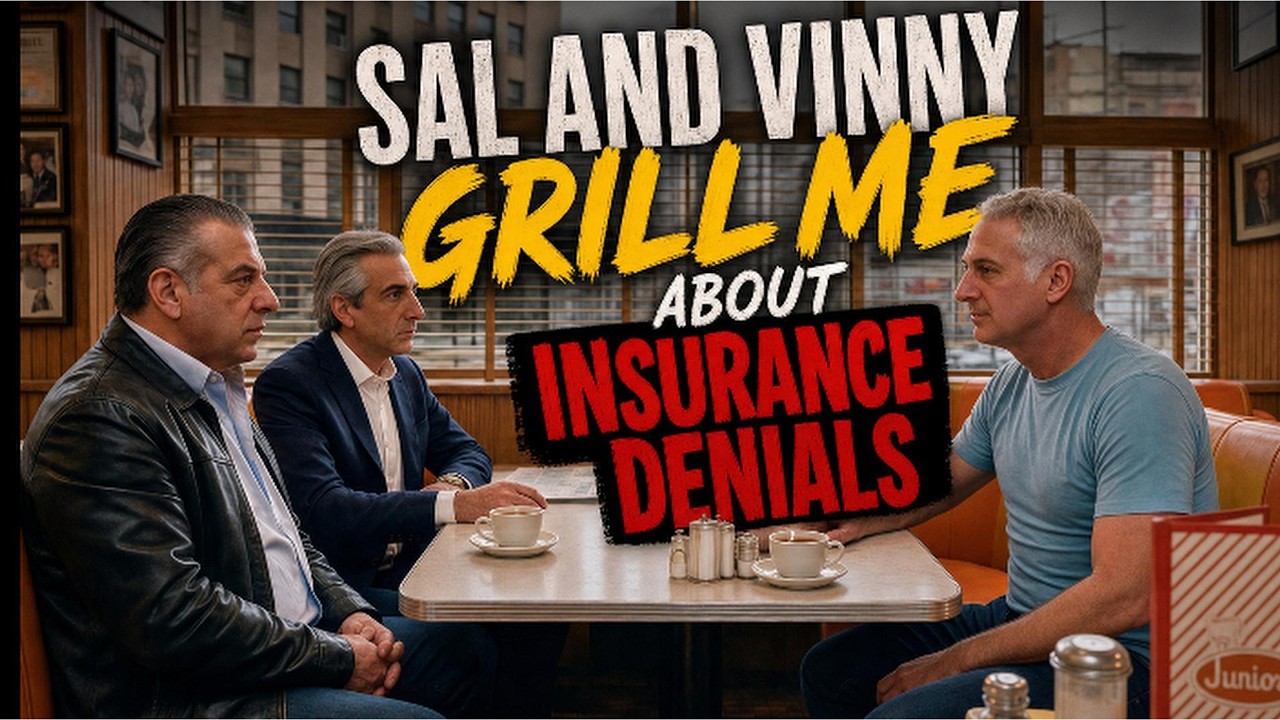
Sal and Vinny Grill me about Insurance company estimate denials at body shops


Customer Service as a Competitive Advantage - Dan Bernier - Moay Collision Episode 10
How to Build a Daily Competitor Report With Claude Episode 13 Hero Group AI Labs
These 3 Free AI Tools Can Help Collision Shops Hire, Sell, and Grow Hero Labs Episode 12
