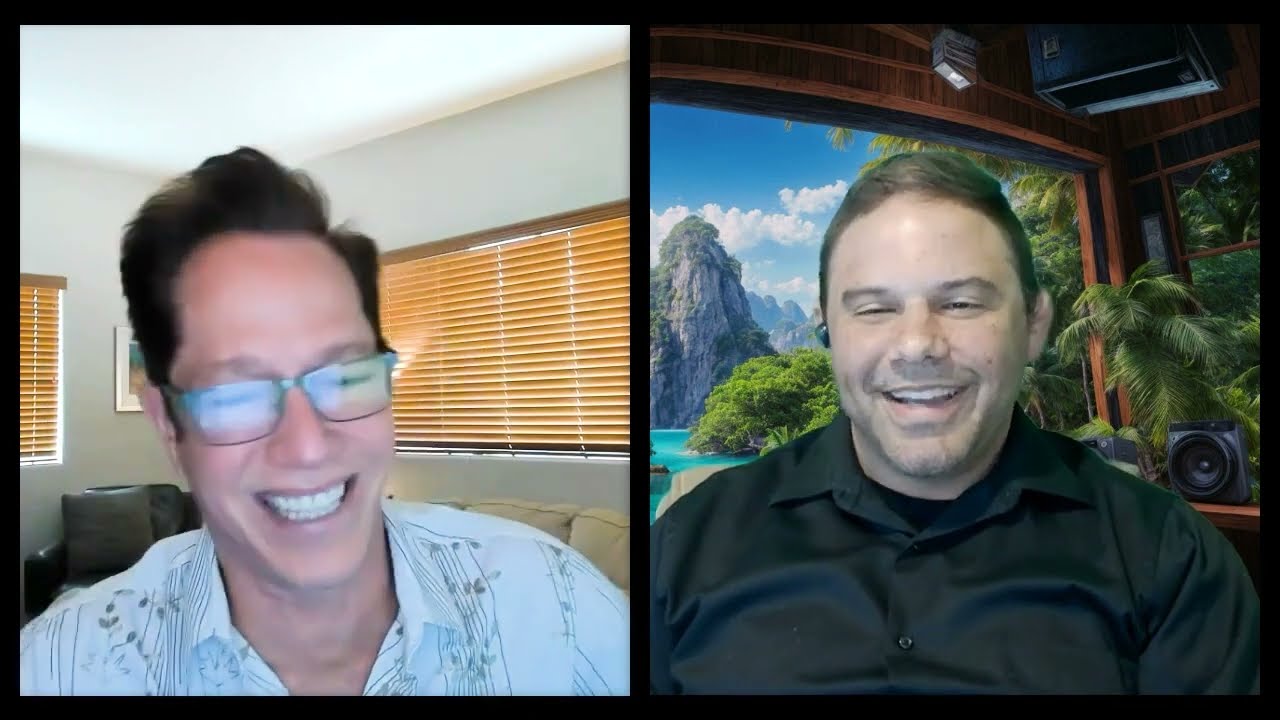
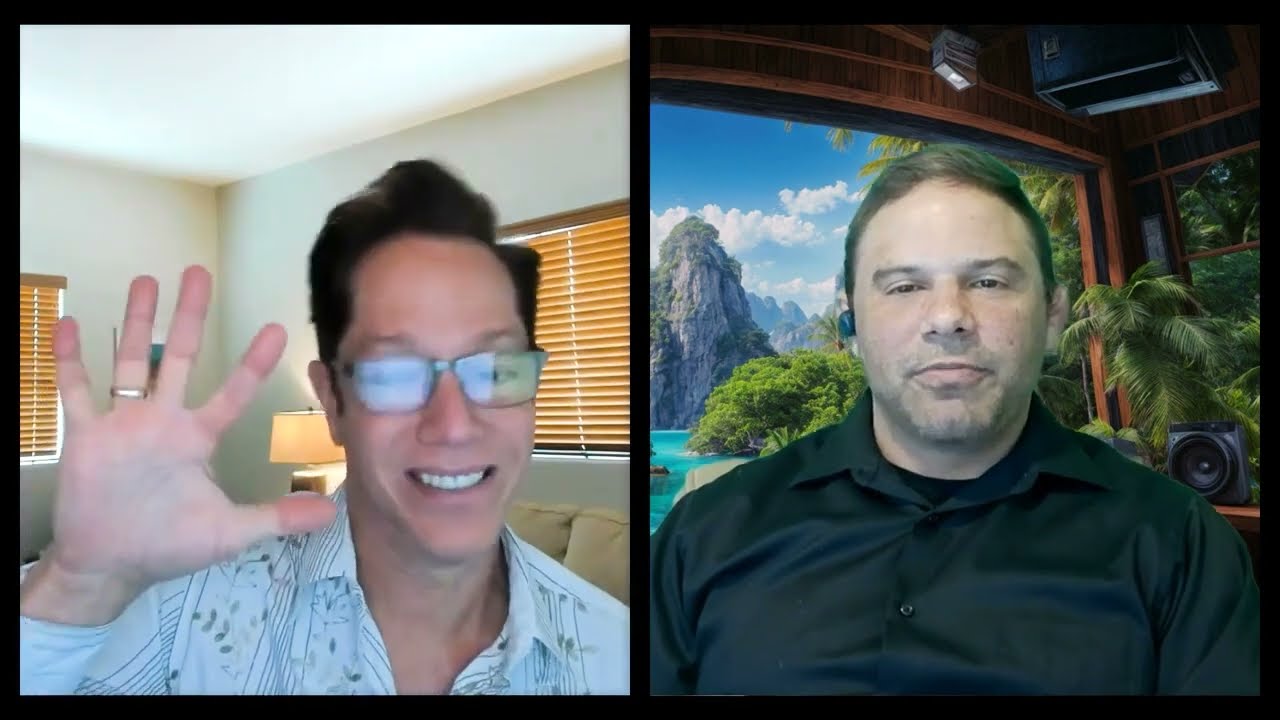
This content was created by Tony Ray Baker, REALTOR®, ABR, CRS, GRI, CLHMS Guild Luxury. This content was uploaded by Tony Ray Baker, REALTOR®, ABR, CRS, GRI, CLHMS Guild Luxury. This is a YouTube interview titled "Kukai - Darren Jones Interviews Michael McCormick" (created 2021-06-21). The excerpt is an English on-location interview in Tucson, Arizona (MSA Annox) in which host/interviewer Darren Jones (with an opening by an unidentified speaker and a mention of another interviewer, Marta) speaks with Michael McCormick, owner of Kukai ramen. They discuss McCormick’s background (moving from Los Angeles and learning Japanese cooking), his ramen-making process and 24-hour broth technique, his favorite mentai ramen, a recommended starter dish (Mount Fuji Don), and the local “red lantern” tradition used to signal when pork broth is available. Metadata: YouTube video, thumbnail available at the provided URL.
Chapters
Okay, so here we are in front of Kukai, which is one of my— well, not one of my— it's like my absolute favorite place for ramen. There's nothing like it. It's divine. And our special guest today is Michael McCormick, who is the owner of Kukai, and he's here today. And you're going to get to see Marta and Darren interview him, which is amazing. And you're going to get to know the story of this little red lantern, which is, uh, all the locals know about it. And if you're not a local, now you're on the in. So have have fun with the interviews. Yes.
Now, Michael, I've never had a broth that's anywhere near what you're doing here, and I know you have a really interesting story as to what brought you here and got you into making your incredible food. So tell us a little bit about that.
All right, well, I'm from originally Los Angeles, um, I was in sales doing, uh, logistical stuff, getting customers, and, uh, decided to move here with my then-girlfriend, my partner's daughter, And he brought me in and taught me how to do Japanese food. That was about 12 years ago. And as I was learning that, I picked up more crafts, how to do ramens and the broth. And yeah, I came here 'cause the beautiful location and I thought, hey, this would be one of the best spots for a Japanese fusion mix of different things, or street foods, if you will. That's—
It's like a giant warm hug. So now, you told us one time, what does it take to make this broth?
A lot of patience, time, but yeah. So, uh, going in early in the morning, uh, get the bones, boil them up, clean them, boil them up again, and then it's just sitting and adding things to let it keep boiling down until you get to the, that creamy, uh, the marrow and everything to go right into the broth, the water, if you will.
Well, it's, it's worth it to us. Thank you so much. Now, uh, do you have a favorite?
My favorite? Yeah, yeah, actually, uh, the mentai, my mentai ramen with the the spice and then the cod roe. Those are— that's my favorite. So when I first opened, that was the first thing I did. We did a quick, uh, what do you call that, like a soft opening. And I wasn't gonna do it, but my family came from LA and they're like, hey, you know what, you need to open the store. But I was afraid to, so they came and they came and helped me make— get everything ready, opened up, and all I did was ramen broth. I did the ramen, which was the mentai. It was the only ramen I did and it was a hit. It worked out. So then from then on, I started adding more to it. I feel like I have a little too many, but, uh, I mean, everyone likes different types, right?
Now, if somebody isn't particularly familiar with the type of ramen and the type of food that you do, what would you recommend for a starter?
For starter? Well, the one everyone would always recommend, the Mount Fuji Don, which is going to be the sushi bowl, sushi rice with, uh, spicy tuna and all the fixings, if you will. It's got a lot of different flavors.
So it's got—
you get the You get the sweet, you get the spice, and obviously the fish, so it all works out.
That's fantastic. So now, if you had to invite somebody to Tucson and tell them what's so great about Tucson, what do you love?
The people. Actually, coming from LA, everyone is very— I don't wanna say self-absorbed, obviously, 'cause that's not the case, but everyone was very— I don't know how to explain it. It wasn't very easy to just go, "Hey, how you doing?" and someone wave back. It was kind of a standoffish. And, you know, everyone's doing their thing. It's like, okay, leave me alone, I'm, I'm busy. Well, here I came here and people are like, hey, how's your day? It's like, oh wow, this is the feeling, just nice. Everyone is, everyone's helpful. Everyone's saying, you know what, I know this guy, you should go check them out. Everyone's trying to make sure everyone's going forward, so it's really nice.
I agree, I agree. So Michael, tell us the story about the red lantern.
Ah yes, so here at Kukai, uh, when I first started, the broth takes a long time, so I didn't do it every day. So what I would do is when I started the broth, like obviously it takes 24 hours or whatnot. I would then go outside and put a red lantern up in the corner, which was originally on the side, but then I since moved it here so people would see that, hey, right now I have my pork broth, so if anyone wants ramen, this is the day to get it. Which became a big thing, I hear, that people like to see this.
Absolutely. Every time you come here, we look for the red lantern.
Yeah.
Or face light up when he's out. So yeah, so I've been doing that, and it's nice. Trying to get a big one so I can put up to the top top, but we'll see how that Well, we'll look forward to that.
So, Michael, thank you for joining us today. I recommend anybody stopping by, uh, even if you're not familiar with Japanese food, this is a great jumping off point. So come to Kukai at the MSA Annox in Tucson, Arizona.