Stuart from Iron John's Brewery Teaches You How They Craft Amazing Beers
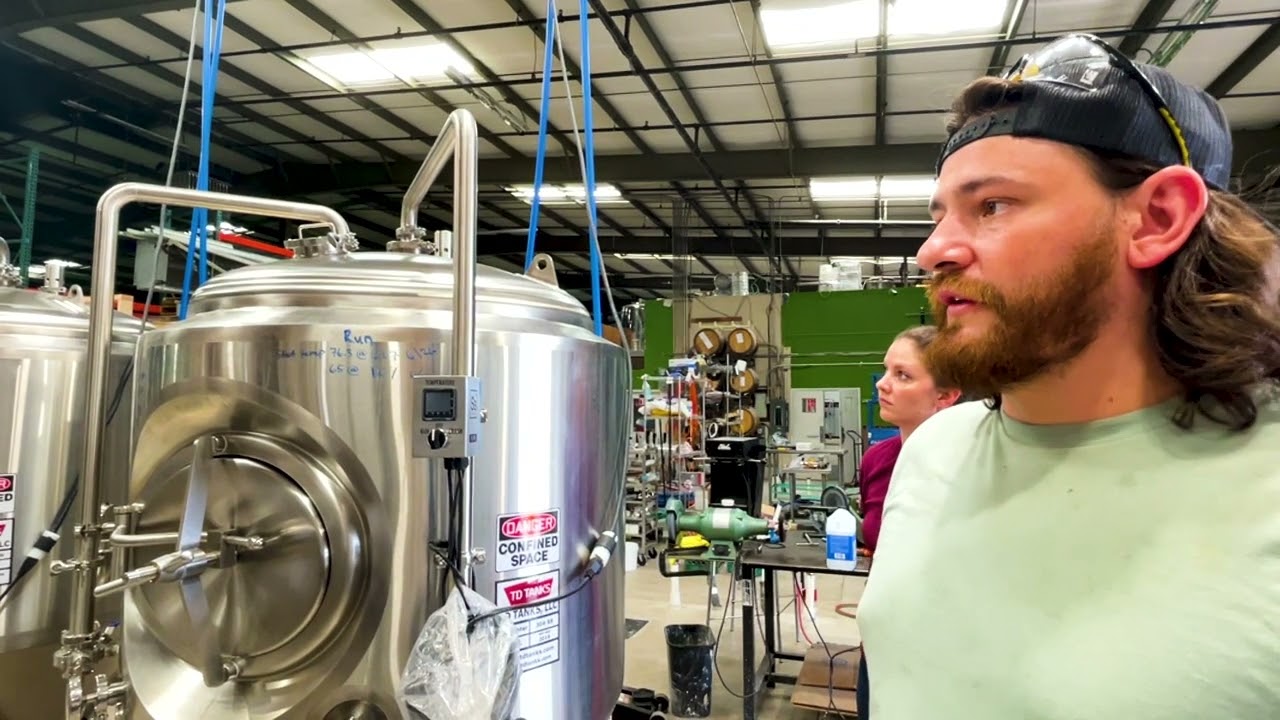
In this concise walkthrough, Stuart from Iron John's Brewery details the end‑to‑end brewing workflow used at their facility. He begins with grain milling and mash tun operation, describing how milled malt is mixed with water, forms a grain bed, and is recirculated to maximize flavor extraction. After about 45 minutes the wort is transferred to a boiling kettle where it cooks for roughly an hour, with temperature and boil time monitored. The hot wort is then cooled rapidly through a glycol‑driven heat exchanger to around 70 °F, making it safe for fermentation. Fermenters are jacketed with glycol‑controlled temperature loops; ale fermentations run at 65‑68 °F while lagers and pilsners ferment at 30‑34 °F, each tank independently regulated. The fermented beer moves to bright tanks for final carbonation, where CO₂ is applied up to 15 psi. Finally, the beer is either filtered into kegs or sent to a newly installed canning line for packaging. The second speaker reacts with amazement, highlighting the brevity and completeness of the explanation.
Chapters
More from Tony

🏡 Stylish Updated Golf Course Home with Scenic Views | 6864 E Vía Dorado, Tucson, AZ 85715

Live the Resort Lifestyle in a Premier 55+ Gated Community - 7278 E Maritime Drive, Tucson, AZ 85756
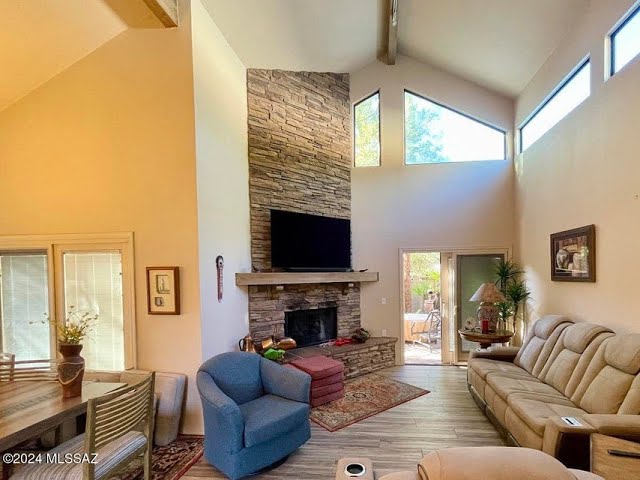
Luxury Living in Ventana Canyon | Modern Southwestern Elegance in Tucson, AZ Gated Community


Real Estate Investment Basics: A Journey to Financial Freedom | Mastering Real Estate Investment

Legal and Tax Considerations in Real Estate Investment | Mastering Real Estate Ep. 6


Unlocking Real Estate Success: Down Payments, Loans, and Smart Strategies | Master Real Estate Ep. 4

Maximizing Real Estate Investment Profits: Strategies and Analysis | Mastering Real Estate Ep. 3

How to Retire a Millionaire with Real Estate | Introduction to Mastering Real Estate Investment

Financing Commercial Real Estate: Leveraging Other People's Money | Mastering Real Estate Ep. 2