
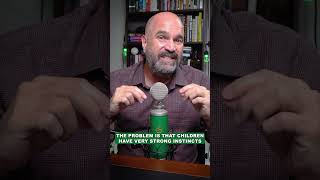
Building Resilient Kids: Parenting Strategies That Work #transformativeparenting #parentingtips
18 Dec 2023 · 1 min
0:56
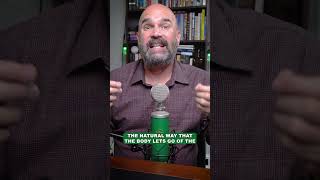
Short parenting-advice transcript arguing that unprocessed childhood frustration leads to aggression (physical and non-physical). Speaker recommends allowing children to process feelings—including crying—and parents setting firm, clear, loving limits to reduce acting out and build resilience and adaptability.
Chapters
More from AI


youtube.com
Top Mistakes Parents Make #parentinginsights #transformativeparenting #parentingtips #shorts
2y ago
youtube.com
Stop Yelling at Your Kids: The Harmful Discipline Mistake #transformativeparenting #parentingtips
2y ago
youtube.com
How to discipline without causing more problems #transformativeparenting #parentingtips #shorts
2y ago
youtube.com
Unlocking the Hidden Stories Behind Your Childhood Photos #transformativeparenting #storytelling
2y ago