BTS - I Hosted a Live Event!
Tanner Smith breaks down hosting a live marketing event, from logistics and high-energy delivery to analyzing competitors and building a repeatable funnel. He uses a dollar-bill icebreaker to show ROI on ads, stresses that performance beats pretty design, and offers one-on-one audits of ads and funnels.
Chapters
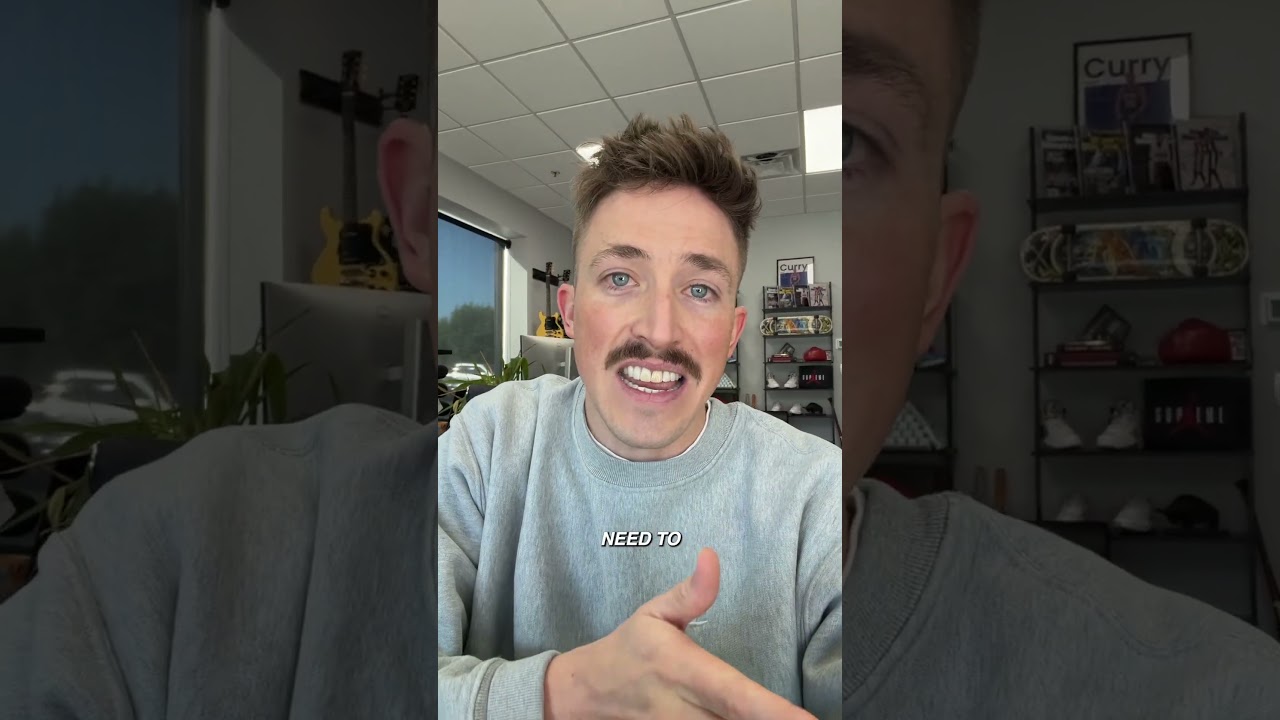
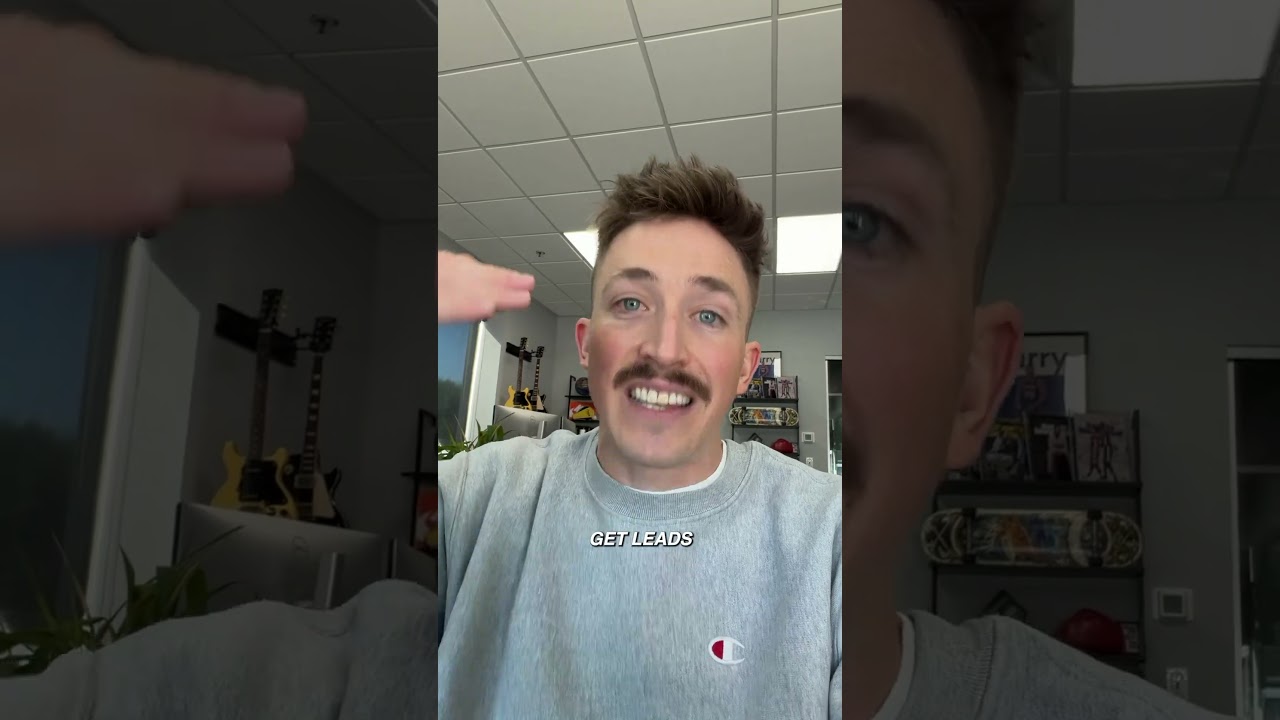
So this week we're actually hosting an event here in our offices with one of our marketing partners, Tax Hive. This is actually the Tax Hive building. We occupy the south part of it. And what's really cool about this in-person event, we've been doing this now for like 3 years. Every single month, Tax Hive customers come to this office. We actually brainstorm and have a bunch of different topics and speakers. I'm speaking at the event talking about marketing. And for those of you that have never hosted an in-person event before, and you just wanna maybe see what it would look like, we're gonna take you behind the scenes, show you what we're doing this week. Also, maybe some new clients that we're onboarding. Should be a fun time. Alright, so, couple things about having a successful event. Number 1, you gotta have food. You can't give them a reason to leave the event. So you wanna make sure you're catering mills and containing all the excitement as much as possible. Which by the way, I'm not some professional speaker. Like I honestly kinda suck. The thing I do well though is I have a really good object lesson that I'll do with cash, which you guys will see. Okay, so she just gave me a dollar. I've got a fat stack of ones right here. What I'm gonna do is I'm gonna give her 1, 2, 3, 4, $5 back. "Who else wants to play? Who else has a dollar?" And that just breaks the ice. Gives people a reason to be engaged. So, you got to have some sort of an object lesson and get people hooked early. The other thing you got to do is you got to make sure you're speaking with energy, okay? I would challenge that notion. It's hard. But there's money to be made in figuring it out. A lot of money. If you say the exact same thing and it's really valuable information but you deliver it like this. Hey guys, I'm excited to be here today. No one's gonna listen. It's gotta be over the top. So your natural way of speaking, like, it's kinda the same way on camera. You wanna make sure you're doing it like 2 times, 3 times as over the top energetic as you probably normally would. And then yes, absolutely, if you're the right fit and you wanna work with us, you don't wanna do it yourself, you're like, Tanner, I don't wanna even touch this, I just wanna hand it over to you guys, great, we can have that conversation. Any other questions? Thank you for your time, you guys have been great. That's gonna naturally help you, I think, have more success than anybody else. The other thing, and it's a fine line, is trying to provide a ton of value and kind of solidify your authority and your expertise, but not overwhelming people, because if they feel totally overwhelmed, it's just gonna be demotivating. So you gotta give them just enough information that they're really excited, they believe you, you're credible, they have all the authority, that way you can actually tee up a really effective backend and sell them something so you can actually make money. Because ultimately, doing in-person events is great, but it costs money to throw the event. You have to have a predictable way and an engine to generate revenue and create solid offers. So what I'm gonna walk you through is my presentation that I give. I won't show the whole thing because it's super long, it's about an hour. You'll see snippets of it, how we do it, how we tee it up, and you'll actually see after I give people the opportunity to book appointments with me here in my office, me and my team physically meet with them, We walk through their businesses and ultimately we're selling our marketing services to support them. So hopefully this is valuable and helpful. And if you want to do this to grow your own business, give it a shot.
This is who saved my business. This is what made me 3 locations instead of, oh yeah, they went out of business and shut their doors 8 or 9 months in. Right. So I can't give this guy enough credit and applause. He's a dear friend of mine now. And the business partnership is thriving with Club Pickleball and with Syndicate. And so many other partnerships that Syndicate does the marketing for. And so, will you guys give a very warm welcome, put your hands together for my friend Tanner Smith.
Awesome, well thanks for having me, I'm excited. Devin gave me some simple instructions, you ready for it? Teach these guys everything you know about marketing in 45 minutes.
Ah.
So I'm gonna do my absolute best that I can do here. We're gonna talk really, really fast. I'm gonna try to give as much value as I possibly can. If there are questions, write them down. We'll actually have dedicated time for Q&A afterwards. Now, what I wanna do is ask a quick question here. Who here has a dollar bill? Single dollar bill? I'm gonna make it worth your while. Let's see, Debbie's gonna give me a dollar here. Here we go. Perfect, yeah, single dollar bill.
Single.
Yep. Okay, so she just gave me a dollar. I've got a fat stack of ones right here. What I'm gonna do is I'm gonna give her one, 2, 3, 4, $5 back. Who else wants to play? Who else has a dollar? He's gonna give me a dollar here. Perfect! Chad from Oklahoma just gave me a dollar. I'm gonna take that dollar, I'm gonna give him back 1, 2, 3, 4, 5, 6. Now we can keep playing that. He's got a dollar here, I got a $20, I got a $100. Listen, my stack is gonna run out if we keep playing, but the moral of the story is that this is— 5. This is advertising. This is marketing, okay? It's as simple as this. We wanna try to create a system, a process, a machine where we can put $1 in and get $2, $3, $4, $5, $10 back. So in this game, okay, what does this represent? Well, I represent an advertising platform. I'm Facebook, I'm Instagram, I'm Google. You guys represent the dollars you're giving me or your hard-earned advertising dollars. Okay, and if you learn how to play what I call the game of digital marketing or the game of digital real estate at a high level, that's all we're doing. We're trading our ad dollars for revenue. And if you feel overwhelmed with doing this for your business, that's okay. It's not your fault. Things are changing all the time. What I wanna walk you through are principles and laws where if you really internalize them, you really learn it, okay, you're gonna be able to take those laws and apply them to any platform, any system, at any point in time in the future. What you have to have is this entire process figured out. Okay, so let's dive into it. Talk about messaging. Messaging is the foundational pillar of all of this. There are 4 things you have to consider to make sure your messaging is on point. The first thing is what we call understanding the competitive landscape. So if you're a competitive tax business, you're thinking to yourself, man, Tax Hive is a competitor of mine, they're running all of these ads, they got all these customers, right?
Yeah.
"How am I gonna start to compete with them?" Well, at a minimum, you should go see exactly what they're doing. So you can rip off and duplicate parts of their process, their funnel, their messaging, their ad creatives that are working. And if an ad has been running for an extended period of time on Facebook Ad Library, let's see, let's say the average is like a week to 2 weeks, and there's an ad that's been running for 6 months. What does that tell us?
It works.
It's working. So rather than try to reinvent the wheel, why not just let your competitors tell you exactly what's working well, And that way you can go and customize it to your offer, your product, your service, and have a much higher probability of success. We've understood the competitive landscape. Now what? Well, we've got to decide on our unique selling proposition. Once I understand exactly what everybody else is doing, how am I going to create competition? How am I going to be more attractive? So ultimately, a unique selling proposition is a marketing statement that differentiates yourself from all the competition out there. Same thing with— McDonald's, okay? Say it's $7 for the meal. They're gonna ask you a famous question that they don't ask you anymore, but we all naturally know what that question is. Do you wanna supersize that?
Mm-hmm.
What does supersize mean? I'm gonna upgrade my meal, I'm gonna get a large drink and a large fry for a dollar. So which one am I gonna do? No wonder we're all obese, it's a no-brainer offer. I get basically double, triple, quadruple the value for an extra buck. So that's something that you guys need to think through is how am I gonna steer people down the right path? How are they gonna take action with the right offer? And I don't wanna create a dichotomy of choice here where people have to think about it. And maybe you want people to make the no-brainer decision to go with the lower ticket package 'cause it's easier to fulfill for you. That's okay. Make it easier to make that decision. Eliminate the friction. And so what we've been able to see with all of our advertising, the hundreds of millions of dollars we've managed and been responsible for, is that if you can speak really clearly and succinctly to a specific vertical or specific avatar, you're going to get a better result. If somebody can communicate to us our exact pain that we're feeling so clearly that it's almost like they've been listening to us talk to ourselves, we're naturally going to assume they can solve it. You simply ask yourself these questions and you answer them as if you're the avatar. So first question is, what do I need? Okay, what do I fear? What do I feel is a priority? What am I willing to pay for? Now here's the main takeaway: what typically looks good doesn't perform well. What looks good doesn't perform well. I'll give you an example. There's a landing page that we ran ads to from Tax Hive that we've been running ads to for like 3 years. Most of you might have come through that landing page if you remember it. It's white, it's got a video of Kevin O'Leary on it, it's got a headline, and it's got some testimonials. It looks like it was built in 2001. Do you think Tax Hive has the budget to build something that looks better? Yes, and we have, and we've tested it against that landing page over and over and over again, and guess what? We do not care. That it performs better than all the other stuff that looks fancy. We do not care because for us, we wanna put $1 in and get as many dollars back on the other side. That's the only thing that we care about. If you do this one time, you just do this one example, it's not gonna work. This is an ongoing discipline, right? Which is what you've all gotta internalize. You have to fall in love with this process, right? Here's what went well, here's what didn't go well. Let's maybe test this, let's try this. All of these things are gonna help you be successful, right? And ultimately as a business owner, you can't just expect to hire somebody, completely remove yourself, and hope that that person's gonna do a good job for you. Okay, you gotta give that person the right tools, training, access that they need, and the accountability they need to be successful. So there you have it, the digital—
Really good.
Real estate system. Messaging, website, funnel, repeat. And the more you do that, the more you repeat it, the better you're gonna get. The more it's gonna become like second nature.
Whew!
That was a quick 45 minutes. Who here feels like this a little bit?
Tanner.
Tanner, I thought you made a promise to me that you were gonna give us more clarity on our marketing and our advertising, not give me more questions. Well, if that's the case, I got a little proposition for you. My invitation is to let me and my team help you. Our offices are right here next door, over, you know, This afternoon and tomorrow, I've got me and my team, we've set aside time to meet with you guys for 20 minutes to talk about your business. Go over your ads, your funnels, your website, your messaging. Ask you questions on how you can improve it. And then yes, absolutely, if you're the right fit and you wanna work with us, you don't wanna do it yourself, you're like, Tanner, I don't wanna even touch this, I just wanna hand it over to you guys, great, we can have that conversation. But while you're here at this event, come and speak with me and my team and let's help you guys improve and play the game of digital real estate a little bit better.
It's all so overwhelming as a business owner and trying to do all of this, and I've hired multiple companies to do it. It's very overwhelming to keep up with all of this, and I even have a CRM which took me about a year in the child care industry to knock it down. You agree that if you don't have a CRM, don't waste your money without CRM, right?
Like, you have You don't have to have a CRM, but you have to have a way to track it. Some clients we've worked with don't have a CRM, but they have Google Sheets. Google Sheets is free. How are you tracking the leads? How are you putting notes in that Google Sheet? How are you tracking those? You have to have something, so yes. Now let me say one thing on this before we move on. It's so overwhelming, it's so hard, I don't know what to do as a business owner. Guess what? You can either look at it like, it's so hard, I'm getting burned out, or, you can change your approach. Guess what? If it's hard for you, it's hard for everyone. Guess where the money is made? In figuring it out. That's your moat. As a business owner, if you can figure it out when other people aren't willing to do so, so much easier to make money. Simple as that. Guess what? I make my money, all of my money with my agency because business owners don't wanna figure out how to run ads. I have the exact same access that you have. I just figured out how to run ads. Simple as that. So I would challenge that notion. It's hard, but there's money to be made in figuring it out. A lot of money.
Hey Tanner, listen, this is full disclosure. We signed up with Syndicate, what, 2 months ago?
Uh-huh. You're not a plant.
I'm not.
Okay.
I am not a plant. We literally, we just signed up for the API.
When we got on the call, you said you were coming to this event.
Yes, and I shot you guys an email, so I'm checking you in real time. You're saying, Well, not everybody's happy with our first thing, but it's changed. It's going to change. We're working on it and we're going to find out what works. Biggest profit margin in our business is blinds. We've never had a big blinds— in 6 years, we've never had people come off the website for blinds for us. I put in Blinds Tillamook and we are number 1 against Budget Blinds, which I am freaking out. Honestly, I didn't think I heard a word you said because as soon as I pulled that up, I lost all consciousness.
I'm going to give you guys some context with Kurt. I did lace my presentation to go after him a little bit because—
I don't care about the minutia.
Yeah.
But Google is way too complicated. You have to have pieces that you have to have tentacles everywhere to get Google to play ball with you. We learned that through everybody we went with. And I'm just, I mean, I just had the last conversation before we went with you. We needed more. We kept begging for 3 years. We need more blinds. Attention and there we—
and I can't believe— And I will say this about Kurt too. Kurt is a perfectionist, which I love working with perfectionists, but he is learning that it doesn't matter how something looks, it matters how something performs. And so as we keep rolling that out, his results are even better. His results are gonna be even better. Okay, any other questions? Thank you for your time. You guys have been great.