STOP the BS with BRUTAL honesty and become emotionally smart.

The creator moved from harsh, ego-driven honesty to radical honesty: full transparency paired with kindness and empathy. She shares how assuming you can read your partner's mind damages relationships, and offers concrete tools like pausing before speaking and filtering truth through empathy.
Chapters
Hi guys and welcome back. I am happy to have you here again in my channel. This is the third episode of the Saint Valentine series. The topic today, I actually love it because it's about how to go from brutal honesty to radical honesty and why it's so important to realize that we can't and we shouldn't try to read our partner's mind. It just— it's not possible, and it's very exhausting to get into this dynamic of guessing in relationships. So I'm gonna start talking a little bit about my experience with brutal honesty and how I did the shift from one thing to another through kindness and mindfulness and awareness, and also give you a little bit like tools, things that I did that you might find helpful. So I hope you enjoy it, and let's get started then. So what happened to me in my personal experience is I used to think sometimes that avoiding certain details or lying was the way to protect my loved ones. Like this insight that they don't have to know everything, right? And I will in a way sugarcoat things or avoid telling the truth altogether, thinking it will spare them from pain or hurt. And I soon realized that was nothing that I was doing come from a very, a very constructive, and it was actually coming from a really manipulative and bad place. And I was being brutally honest also. It was like the way I was doing this, it was to control the situationship in a way. So I, I was being very combative and reactive. If the person asked me something, I was avoiding the whole truth. And at the same time, I was like very harsh on the person. And because it was like, I need to give you my point of view and I need to defend myself, even if I know inside that I'm not telling you the whole truth. And I think that's awful, I know. And by now you're gonna say like, you are such a shitty person, but I think we all go through that, um, and I think I've been talking a lot about how, how sometimes we can be unintentionally toxic. Over time, I realized, and I transitioned from being brutally honest and avoid telling the whole truth to be radical honest. It was like, hey, actually there's a way I can be 100% transparent using things like kindness and thought instead of like just shouting things to the person, right? And I realized that I needed to approach honesty with this, with exactly these, like, okay, I need to be aware of, conscious of what I'm going to say and maybe how I'm gonna say it. It's not about hiding the truth, it's about how are you gonna filter it and understand that sometimes we might not share the same wounds that the other person have. And for what but for you is like whatever, for the other person might mean something totally opposite or different, or maybe they take it very personally according to their personal, uh, experience and, you know, history and everything. So saying the truth with a gentle and analytic touch might be 100% better than just saying what we think because we think we have the right and just telling the truth in someone else's face. I did the transition by, you know, this was hard because when I think about this and when I was writing the script for the episode, it was like, this is not something that happened overnight. And I want to be very clear with this because it takes a lot of awareness, a self-consciousness to go from being brutally honest to be radical honest. You know, there's, there's a lot of people that are out there and that say like, well, you want me to lie at your face? It's not about lying. And I went through that from this. It's about— how can I say it and be more assertive with it? And I started my spiritual journey in 2017, and it took me a while to realize that I needed to change that, that I, I didn't want to be that because my ego was so sick and out of place, that it was controlling almost 80% of everything I was doing, the way I was relating to people, the way I was communicating, thinking that everyone was below, right? Um, they were not my equals. And this is awful. Like, your, your ego sometimes is so sick that you actually believe the story in your mind that you're better than others just because you know more, just because you are very honest and you can say people things to their faces. And actually, that makes you a jerk. Or a bitch. Uh, and I, you know, the funniest part of this is that I said that my ego was sick, but I was actually hurting. Normally when people act through their ego that much, it's because you, you were being raised, and the way you relate to your reality and were in relationships, it's in a survival mode. So I was treating people like they were not people. Just because I was hurting and I felt all this anger and rage inside of me that everyone was stupid. And it's just like such a bad way of actually relating with yourself because I think you're gonna do is you're gonna, you know, you're gonna avoid facing the problem and people's gonna stay out of your life and people that maybe were very valuable. So I think it was only when I realized, I said to myself one day like, I can't, I can't, I can't keep doing this. I can't keep relating with people like this. I cannot be this harsh. What am I— what am I feeling like this? It was only when I learned to hold space and stand back that I started to truly communicate from a place of caring. So if you, if you understand what I'm saying, I, I, I came from this manipulative and control— control their— like control freak person to go through that understanding in that way, that okay, in being— from being manipulative and harsh to be caring and kind, I need to understand what is in the middle. And in the middle for me was my ego that was like acting from a survival mode. And it's okay, but you have to be really aware from— if you want to go to this point, to this point, you have to face this and also giving the ego a place that is not here, right? And I'm talking about the instructor, which is like super me, right? Me, uh, ego, me and my ego. Um, and ego goes below, you know, where you need to know how to positionate your ego to avoid it become who you are and the relationship you have with reality. I don't know if makes sense. In the same train of thought, even with this approach, right, even with this experience that I have, I realized that my truth might never match with someone else's truth and the way I am seeing the world. And this is why this is important, is because sometimes we get so attached that we were this person. And yes, we were this person, we were fucked up, we were very egocentric. We were very sick because we couldn't see the truth, but we were in our path. And yes, I'm sorry if in a way I've hurt someone, but I decided to be a better version. So the truth that you had— you have of me in your mind might be totally different from the person I am right now, and you shouldn't apologize. I mean, once you realize and once you maybe talk to the person and explain the reason why, of course the person has all the rights to tell you, fuck you, I don't want you in my life, because you might hurt them in a way that it's not fixable, right? And it's fine. But I think that it takes a lot of energy and hard work to realize that sometimes honesty is not well received. And even if we tell the person the reason why we acted that way, they might just not want to believe us. And that's totally fine. At the end, I think communication and emotional intelligence and the way we relate to people, it's is also a skill, and empathy is a skill too. Uh, we need to approach honesty with kindness and understanding, and sometimes we need to let go who we were and the way we reacted to circumstances in that reality that we were living in, right? Radical honesty now is one of the main values and it's a non-negotiable thing for me in any type of relationships because I work so hard to be the person I am right now and to go through that radical honesty that it's also being radical honesty— honest with myself and the things I need to heal and the things I need to process and the way I'm relating to people that I cannot accept someone just being fake. It's just— I I just can't. If we have a conversation, an open conversation, and what are your intentions in any type of relationship— I'm not talking just about romantic relationships— you shouldn't lie about how do you feel, but how are you feeling in the relationship. And why it's so important to tell you when you don't like something— to tell me, sorry, to tell me when you don't like something. And at the same time, I can tell you when I just don't feel like, I'm comfortable with the things you're doing. Honesty is always the best policy, and it's very— but it's very— like, again, it's very important to do it with a lot of empathy. And radical honesty means at the end being trustful, trustful with others and with, you know, and also understanding that certain actions might seem small in the moment for certain lies, like white lies, but they have the potential to cause a lot of stress in the future in any relationships. And I wanna connect this with why so important then for both, yeah, if you're in a relationship, I'm gonna connect it with a romantic relationship, to practice radical honesty, like from the beginning. Even if you're like starting hanging out or dating with someone, or it's so important to say with clarity what I was looking for. And not just like, hey, you want— just want to hook up or just have a serious romantic relationship. It's like, there's a lot of things you need to be honest about. Are you ready? Are you emotionally capable, available? Uh, did you know how to hold space for me? Do you know how to hold space for yourself? So you have to be radical honest with these things, and also the things you don't like during the process of getting to know someone in any type of relationship. And I will say this, absolutely assuming that our partner is thinking or feeling something is a recipe for disaster in any type of relationship. We can't and shouldn't read or try to read our partner's mind. If we don't communicate what we want and vice versa, it's just extremely hard to establish a healthy dynamic with the other person. At least that's what I think, you know. Even if we know the person so well, we are not them. We cannot feel what they're feeling. We have no idea what their trauma is, how that— or how does that make them feel. And we do not— we don't know everything that is going on inside of their head, making assumptions about what are they thinking, or why are they thinking that, or why they don't like this, or they like that, they do like it, whatever. We can know certain superficial things like, oh, I think this person rather chocolate than vanilla, and whatever. But it's just like, you have no idea what's going on in your partner's mind. Because we have to embrace the idea that our partner and we are constantly evolving and constantly changing and constantly transcending to another version of ourselves. Instead, I think it's important to have an open, again, an honest communication with our partner. We should share our thoughts and feelings and ask them to do the same. It's not a, it's not a bad thing to ask for that. And I used to believe that I was too needy or too demanding if I just asked for clarity and Fuck it, it's not something so bad, something so complicated. It's just like a basic thing in a relationship. Like, I just— that non-negotiable thing for me, that's it. That's one of my healthy boundaries and my highest standards when I talk about a romantic relationship nowadays. And because basically, because this can actually help us, uh, to better understand each other and build a strong relationship based on trust and mutual respect. Of our— what, what do we need and what are we looking for? And it's also important to be kind and empathetic in our communication with our partner. This means, you know, speaking in a way that is respectful and considerate of their feelings, because they can be totally different of our, of our feelings. And I think I just said that. We can express our own thoughts and feelings without attacking I'm going to say it again. We can express our feelings and thoughts without attacking or bleeding our partner. It's not— I hate, brother, I hate drama. I hate it. And by doing so, by doing that like that, you know, with openness and assertiveness, we can actually create a safe space for both ourselves and our partner to be honest and vulnerable. Fuck, see how amazing this is? So assuming our partner again is thinking or feeling is not helpful for a relationship. Instead, we should prioritize openness and communication as the main thing in a relationship, if that makes sense, because I think that can help us to build a healthier, again, relationship with them. So I don't need to be brutal honest, so I can maybe open myself to discover another way of being honest without destroying people's self-esteem. I learned how to be kind. I was not kind, not humble at all. But being kind is actually a key component of radical honesty. When you communicate with others, do it with empathy and understanding. Consider how the other person might feel and choose your words very carefully. Speak the truth with gentleness and thoughtfulness. Basically, take time to evaluate the truth, because before speaking, take a moment to evaluate what you are about to say is true and helpful, or ask yourself if it's necessary to say it. Think about how you can communicate it with empathy, like in an empathetic way. Again, it's not hiding the truth, it's filtering the truth. Is the truth what I'm saying, or am I projecting something that it's about me? That is very, very important. We all go through moments that we hate the person we were and the way we approached the world and We just couldn't love our version, that version of ourselves. But sometimes, even when you're radical honest with kindness and empathy, the other person might not be ready to receive that. And it's okay. And we have to let go of, of that, because the person might have their own through in their head. And it's totally fine if they don't want to open space for you. You have to respect that. It's not our job to change or control someone else's perspective about what happened, but rather to communicate our own with kindness and understanding. And that's it. Learn the difference between your perspective and the other person's perspective, and the relationship with yourself and the relationship with others. There's a difference between being stupid and being honest. And, um, take time, take time to evaluate your motivation for communicating with people. Choose again your words carefully. Be willing to let go of the outcome. You know, by practicing radical honesty, you can communicate more effectively and build relationship with those around you that come from a very genuine place and a very constructive place. If you are having problems with this right now, just take time to think about the way you're relating to your partner, to your friends, to your reality, even with yourself. And because it takes a lot to actually have consciousness and awareness to stop projecting our things in others. And I think this series of San Valentín is the way I started my channel, because most of my content is a lot about consciousness, of self-awareness. And the only— the first step to go into this path of self-awareness is healing, is basically going to that through radical care and radical honesty. And yeah, I think that that's it. Treat yourself with kindness. You don't have to be brutal honest with yourself or with others to be a transparent and very trustworthy person. I hope you have a great day. I hope you can share it, like, and if you like this video, you can subscribe, of course. Also, if you are navigating how to let go of a friendship or whatever, my last episode I talk about how to deal with toxic friendships, so you can maybe check that. Also, you don't forget that you could go and check my podcast, and on Spotify and Apple Podcasts, you have the link down here. You also have the link of my Linktree here, so if you want to connect, collab, whatever you want, just feel free to do it and contact me. I hope you have, again, a great day, and this actually was helpful.
More from Valeria
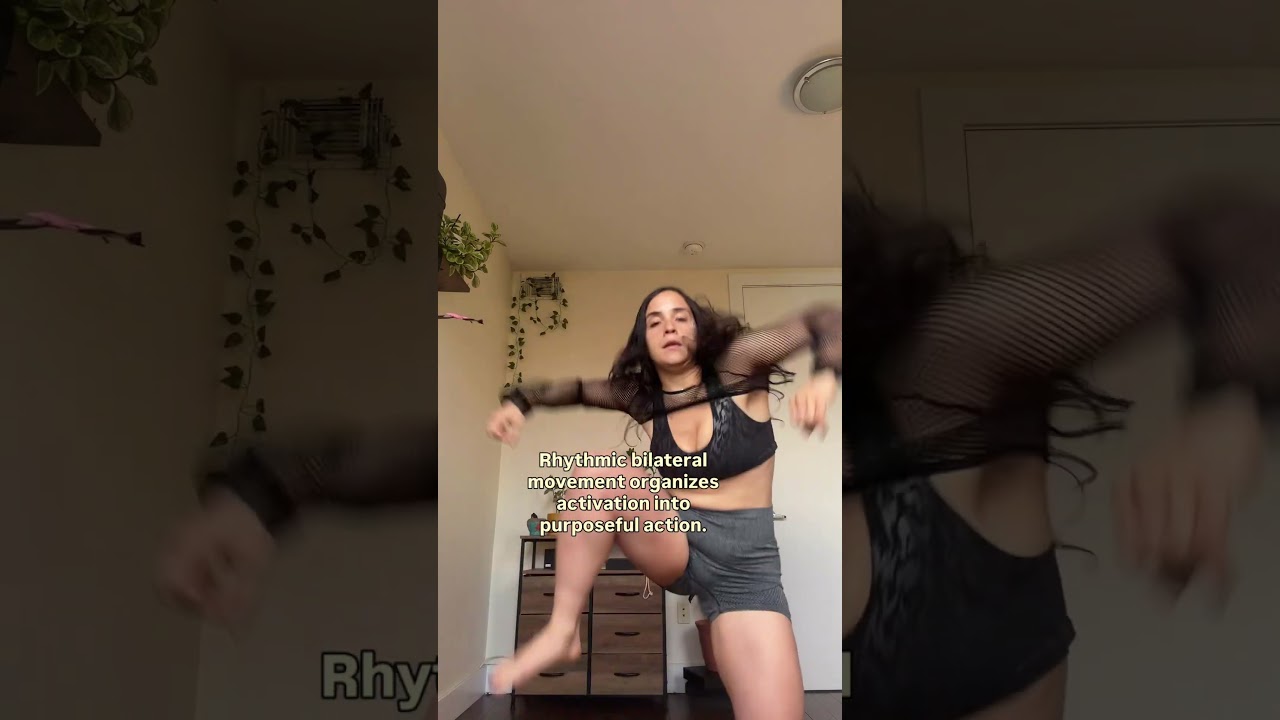
Feeling that you can’t access anger? Move with me #nervoussystem #samadkimovement




Expressing anger and frustration can be done without hurting others, let’s get out of the fight.
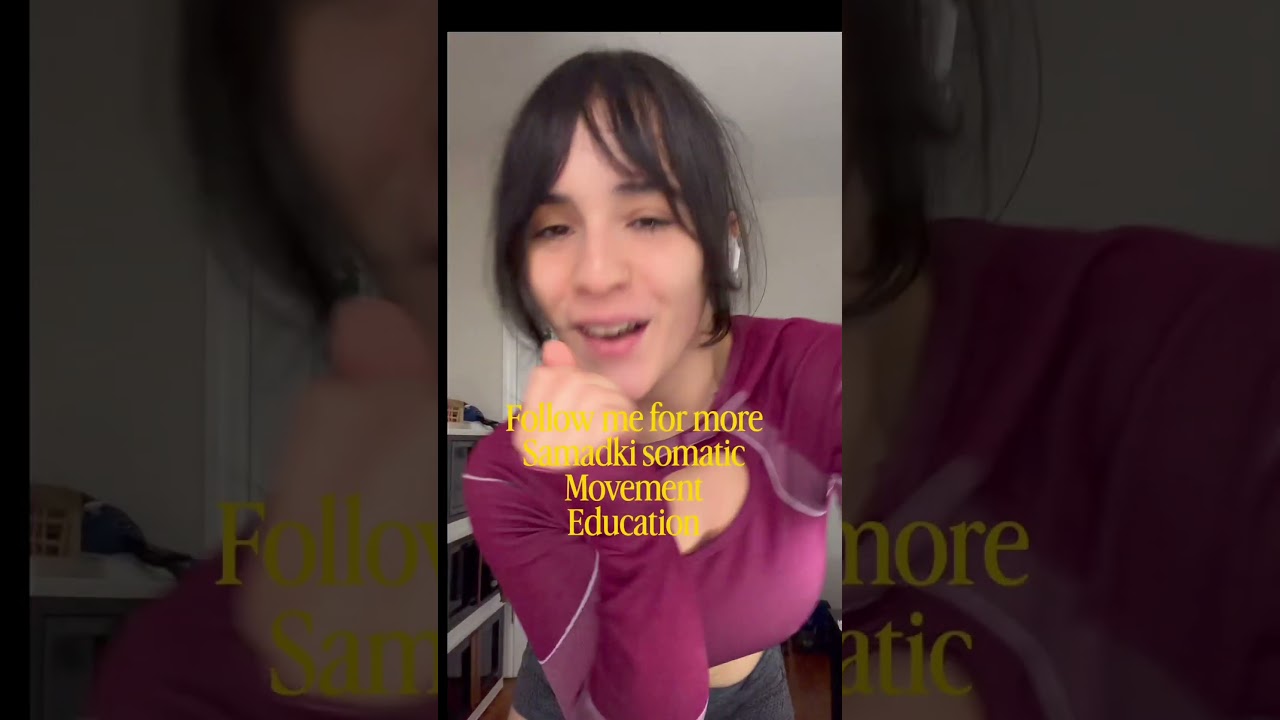

Release anger with me. #somaticexperiencing #somaticmovement #somaticcoaching


Navigating the hardest season for me as an immigrant and an entrepreneur in NYC #motivational

What happened needs to be felt so it will stop chasing you #somatichealing #somaticexperiencing