The three step formula to never run out content- Beginner Content Creator edition

A three-step system for beginner creators: Listen (brain-dump your interests and why they matter), Identify (research ideas and ask how, can, should), then Create (turn them into Notion articles, podcasts, YouTube, or TikTok). The speaker, who is neurodivergent and ADHD-identified, emphasizes sustainable workflow over burnout.
Chapters
I know, I know that as a new content creator you can get really overwhelmed by the fact that 1) you don't necessarily know what to write about because you have a lot of ideas, or 2) you're just burned out because you think you've run out of ideas. So today we're gonna share the 3-step formula that I've been using with all my productivity skills that I've been getting with this process of becoming a content creator to never run out of content. I tried a bunch, a bunch of methods and resources to build a coherent and functional way of how to create content. The truth is, like, after practice, and this is something I like to tell everyone that is starting with this or any type of business, you, you don't fail because you have a lot or a little. You fail because you don't have a sustainable system that can let— that can lead you to create more content more consistently without losing your mental sanity. This might not work for you, but it really worked for me and it was great. And what I do is basically it's— I'm going to explain it in parts. There are 3 things I do when I go to create, when I sit down and I do my brainstorm, my creative brainstorm with my social media manager to create content, or even myself. The first couple of months I didn't have anyone to help me. So this is what I did: listen, identify, and create. And the reason why I wanted to talk about this is because I think when I want to create my digital products in the future and everything, I understood that productivity and how I create, it's so important. But the process I, I use to get into that creation mood and that mindset, like hacking my mindset and hacking the way I feel, is way more important because at the end is what's going to make me create good content and content that I feel good and vulnerable and, um, comfortable creating, right? So the first one, which is listen, it's who you're going to listen? Yourself. It's easy. I'm going to tell you a little bit about my experience with this particular step as someone that has ADHD and is very active, and I'm a neurodivergent person. I think I mentioned before. So for me, sometimes it's just really hard to get things together and make it short. And I think my main problem is that I like too many things. I like too many things. I love technology. I love psychology. I love neuroscience, fitness. I have a healthy and fitness life. And a lot— I like a lot of shit. And the worst part of this is like everything I like, I normally consume content. So I read a lot, I watch a lot of videos, I, I like to know the things I, I like in a way. So I, I never stop. I'm a nerdy with things. I'm always learning, I'm always reading, I'm always like trying to update everything I know, whatever I can know about, because I think I'm a very curious person and I love it, but that's my biggest burden. Then, oh, I want to talk about fitness, I want to talk about psychology, so I want to do this, and maybe I can do this, and maybe I can create a newsletter, and maybe I can do an ebook, and maybe— and he was like, bro, stop, stop, because you're gonna get burned out like in a week. I was doing a bunch of things, and when I just checked my books or my, my notes on Notion, it was like I have a bunch of information of a topic, and it was like just not functional. So what I did is like, I realized that sometimes what we need the most is that mental space to really think, what is our mind, brain, and spirit telling us about that topic? Why are we so interested in knowing more about that topic? And let me tell you something, when you don't listen to yourself, the process of creation is tedious. It's just like, it's a total burden. Because maybe you're doing something just because you want to go viral or you want people's validation, which is okay. I think we all go through that, and it's okay if that's what you want. I'm not criticizing anyone, but I can assure you that it will be so much easier for you to run out of ideas if you are not passionate what you're— of what you're talking about, and if you are not enjoying just the process of making the content and not get attached to the output of validation and get views and whatever. I will tell you, like, don't limit yourself at the beginning, right? And this is important also. Do a brain dump to get an overview of everything that's going on in your head, you know? And you can say, okay, what's my tip with this? Choose a minimum of 3 to 5 max ideas of things that are going in your head. Oh, well, I want to talk about fitness, mental health, relationships productivity skills I use, and blogging, right? So you have 5 things in your head. So then once you have that, you're gonna go to the second step. You have— you listen to yourself again, you have clarity of what it's on top of your mind, and you want your content to go around that, those ideas, and you want to connect them. But the second thing will be identify. And you know what you want to talk about. Good, amazing, great. Now you have two options, and this is the identifying part. If you don't know enough about one of those topics or the topics, make sure you fill your mind with more information about it. With this, I'm not saying do a week and a month research about these things, and no, that's not what I'm saying. What I'm saying is read a Medium article, go to a podcast episode, watch a YouTube channel you watched before maybe, and you didn't watch it with the same consciousness of like present that you might be doing it now because you're actively choosing to listen. Now you're trying to identify what things around there serves you to create content. But don't get saturated, don't invest a lot of time doing this because if it's something that you, you know, in the past went through, you just have to like see this like I'm gonna refresh my knowledge. For example, you want to talk again about fitness, so you're going to do 3 questions that I do and serve me to understand more. Okay, I like this, and I identified that these are the things I like about this topic. So the first question I do is, how can I keep consistency when I work out? How I get the same results if I work out at home? How should I split my workouts? So you have can and how, which is about it's applicable in my life or it's not applicable in my life. If I were that person looking for content, what would I look for? Someone that is starting a fitness routine will look things like, how can I create a fitness workout that I can do every day? If you, for example, if you don't have time every day to work out, but you can work out 10 minutes. This question might help you to answer not just yourself, but people. You have to think of yourself as if you were your niche at the beginning, because at the beginning, like me, I don't have a niche. I'm just discovering a niche, but I just do the questions to myself. The second thing, someone that is doing like fitness or whatever, it will be, um, can I get the same results if I, if I work out at home instead of working at the gym? Maybe you don't have time to work in the gym. Maybe you're super busy, you have two jobs, you have in real life, a real life job, and also you have this part-time of content creator that you are not sure if you're gonna follow. You can answer that to yourself and you will be answering that to maybe someone that is just a beginner and they want to start working out at home. So pros and cons about working at home and how can you have the same success working at home, that will be a question I will do if I want to tell people about that topic. And the third question that I told you is like, how should I split my workouts? These are just examples, right? So think, okay, I listen to myself. I really like to talk about fitness, but I don't want to do workouts for people. So I can give tips of what helped me to create a healthy lifestyle or whatever with fitness. The second option is like, okay, I listen to myself, I identify these topics, but I really feel comfortable with the amount of information I have, and I know enough to talk about this topic. So if that's the case, what I do is I make a roadmap with these questions. The first question I do is, do I realistically see myself running— writing about this at this moment? The second question is, am I integrating this topic, hashtag, subject into my daily life now? Now? 3, does this add value to my content strategy, to my whole content strategy? And the 4th one and the last one will be, do my community will benefit, benefit from it? I think those questions gave me a lot of clarity and connection with my content because I do believe it's really important that everything that you're doing, if you do this in the, like, in the identify flying part, when you think you know enough about the topic and you just want to start doing content about it, is like, that should match your planning, your general planning. So if your main point, your main goal, again, is fitness, I have to ask these questions. I know enough, I'm a personal trainer, and I would— I want to start talking about this. So it's like, okay, but how are you gonna transform that into content and avoid that that becomes a burden? Because I got overwhelmed a lot Till I said, okay, so the way I create content must be done under a system that allows me to chill and enjoy. So that's what listening for me is so important. Self-awareness, have those moments of just thinking like, okay, how am I feeling about this? And then once you do that, you identify then how you want to talk about this. Should I do more research or I know enough? What questions should I answer and how that connects with my whole content strategy. And the last one, once I did that, so I listen, I identify, and then create, which is the last part, is creation. And I'm going to tell you this because it happened to me. Creating can be translated into many things. Creation for me, for example, means that you transform that, that I've been listening, that listening process at the beginning, like the first part, in journaling. So every day I wake up and I journal and I put my ideas in a journal. Meditation, or even going for a walk, right? I take time to listen to myself to know what are the topics I want to talk about. Then I identify what is on my top of mind. Oh, I have that idea, but this is the top of mind about that, that idea. Maybe I was talking about fitness, but I want to talk about myth— debunking myth of starting a fitness routine, and it's basically explain to people that it's not going to be a linear path, or there's some days that it's going to be harder than others, or you have to work in your being compassionate when you're doing this because there's some days that you don't want to eat well, you don't want to work out, and it's part of the process. So I did my listening, I did my identifying process, and now, okay, how can I make these usable? And in a— like, how I'm going to create content about this? So I create writing a Notion article about it, or a Medium article, or recording my podcast episode about it, or sending a newsletter through an email marketing. It can look whatever, it can be whatever you want. And I can tell you this because it happened to me, it's a domino effect. So every time you're thinking about— once you open Pandora, and that's the way I like to see content creation, With a topic, you have subtopics that are a part of that topic, and it's gonna be like a very fluent movement of content creation because, oh, I have this idea about fitness. I meditate and I think, oh, fitness is very important in my life. What are the lessons I've gotten from fitness that someone that is starting doing workouts at home take advantage of that, those lessons? And I'm going to give you another example, which is like, if you're talking about quitting your Friday night job you will have subtopics. So, okay, I want to quit my 9-to-5 job because I'm just like, I see myself with another type of life. It's just, I, it's taking a lot of time away from my family or my friends or my social life, whatever. Okay, now you have that clear. You did the listening, then you identify the topic. What's gonna come with it are subtopics. How to connect with my life purpose. Financial freedom, digital entrepreneurship, and becoming my own boss. So basically you have all the flow from the main idea. You did the listening, you identify the topic, you see, okay, this is what is happening in my life, this is the way I'm going to communicate it to my community. So you have subtopics from a main topic that it was just quitting a 9-to-5 job. So you have a bunch of content to produce, like every bullet point is a YouTube video. So you can do a YouTube video about— you have how to connect with my life purpose. Then you can do a newsletter, you can do a Notion article, you can do a Twitter thread, you can also do a post on Instagram like Life Lately and show people I'm done, I'm quit, and show them like do a storytelling about it. Or a series on TikTok, uh, why did I decide to quit my 9-to-5 job. And then you can talk about financial freedom. I'm not like— financial freedom for me is so important because I don't want to get attached a company for the rest of my life. And I want to travel a lot. So I want to be a nomad, which is also like I'm telling you about my case, right? My experience. Or I just want to, I just want to get into digital entrepreneurship and digital products, and I want to become my own boss and be the owner of my life. Boom, you have a bunch of content of a main idea. But the important thing about this is you went through the process of listening and identifying what you want with that content. Between those lines, you will also have things such as how to avoid burnout, how to be self-aware, how to create balance in my life and professional life. And why am I telling you this? Because when you are creating content, don't forget that you're still a human being. And yes, you want to help people and you want to give people important tips about how to create content, how to be productive, how to be whatever, but people also want to know about you. About who you are, how you deal with self-doubt, how you deal with putting yourself out in front of a camera, how to build confidence, which are things that for me, for example, are not as easy as people think because I go through that process too. So you have content for the algorithm, which is content for social media, and you have content for your audience and for yourself. It's a beautiful process, and that's the reason why I decided to be a content creator, because You have the capacity of sharing your life to help and helping people at the same time, but healing. And I think that's a great part of creation. And that was— that's the third step of my content strategy, um, and everything, like every process I go through now, it's like this in my personal life. Even like, I can get triggered if I'm on a date or if I had like a problem with my boyfriend. And I will be like, okay, I need to listen to myself first to know what's going on and why am I feeling like this. Identify that this is what I'm feeling, and then I create that communication. It's like, hey, can we talk about this? But before ending this video, uh, I want to say something that I consider is very important. You need to remember this, and this is something I tell myself every day, every video I record, every podcast I record. Like there are many people creating content out there, all kinds of topics. And I don't want this to be too cheesy, but no one, no one is ever going to make content like you do, because when you are you and you understand you have your process, clarity and connection comes with your content. So this is the signal for you to start creating. Use a very easy process. To hack your mind, to hack your content, to hack your productivity tools, to hack everything you're doing. But from the beginner I am right now, I can tell you that sometimes it might feel like no one sees you, but it's beautiful to know that you are going through that process of self-discovering by create— like, through content creation, and you are improving every day. Even if it's just 1%, you are gradually fulfilling your dream of being a content creator, and there's someone out there that's going to connect with your content. I haven't found that community yet, and I am talking like this, and maybe one person watches this video. Building community and networking are things and skills for me that will come with patience and constant effort, and you have to be very engaged with your process. Never forget again that you're human, and your workflow and the way you create content should allow you to have space for everything. I am not saying you won't sacrifice things at the beginning. I am sacrificing things at the beginning. I am sacrificing sometimes hanging with friends to stay home and create content. But things eventually will, will, will make sense. And your ultimate goal will be to design your life to match your content with your life, like with everything, because it's too hard to create content that is totally seperate from your lifestyle. And that's something that I think— that's my opinion. So you have to make it sustainable and enjoyable. Thanks for watching, and I will see you in the next video.
More from Valeria
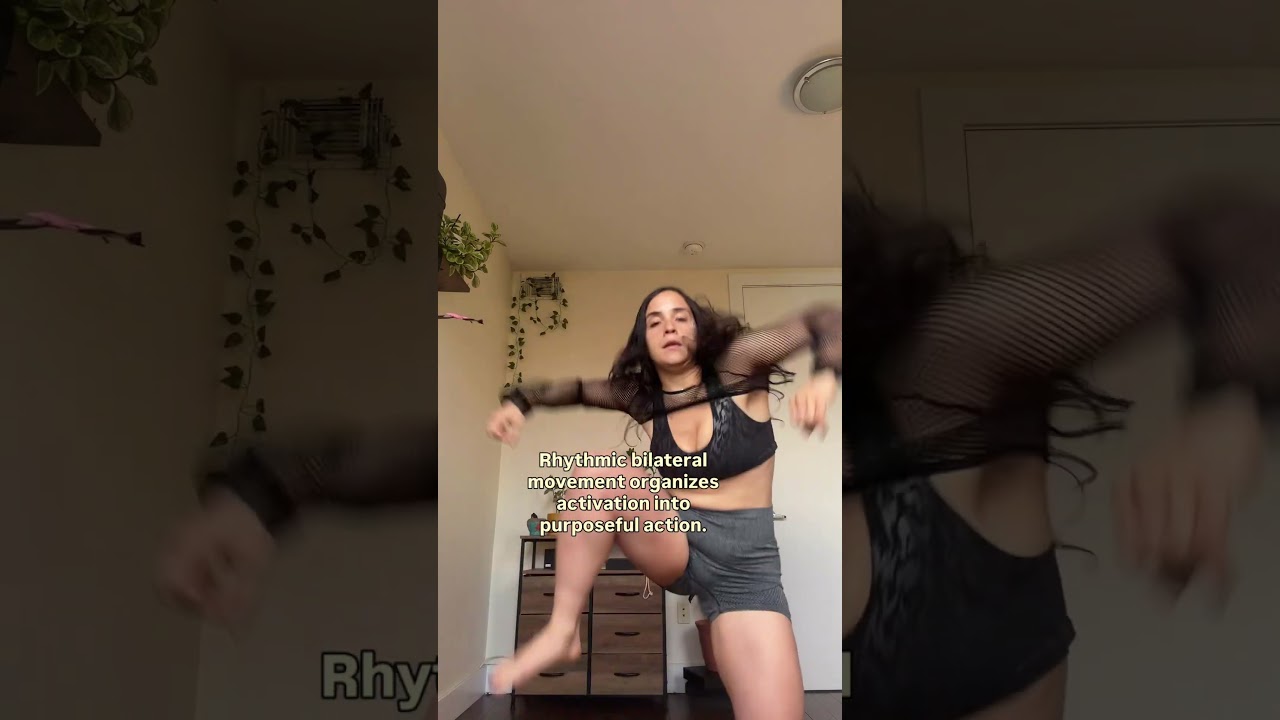
Feeling that you can’t access anger? Move with me #nervoussystem #samadkimovement




Expressing anger and frustration can be done without hurting others, let’s get out of the fight.
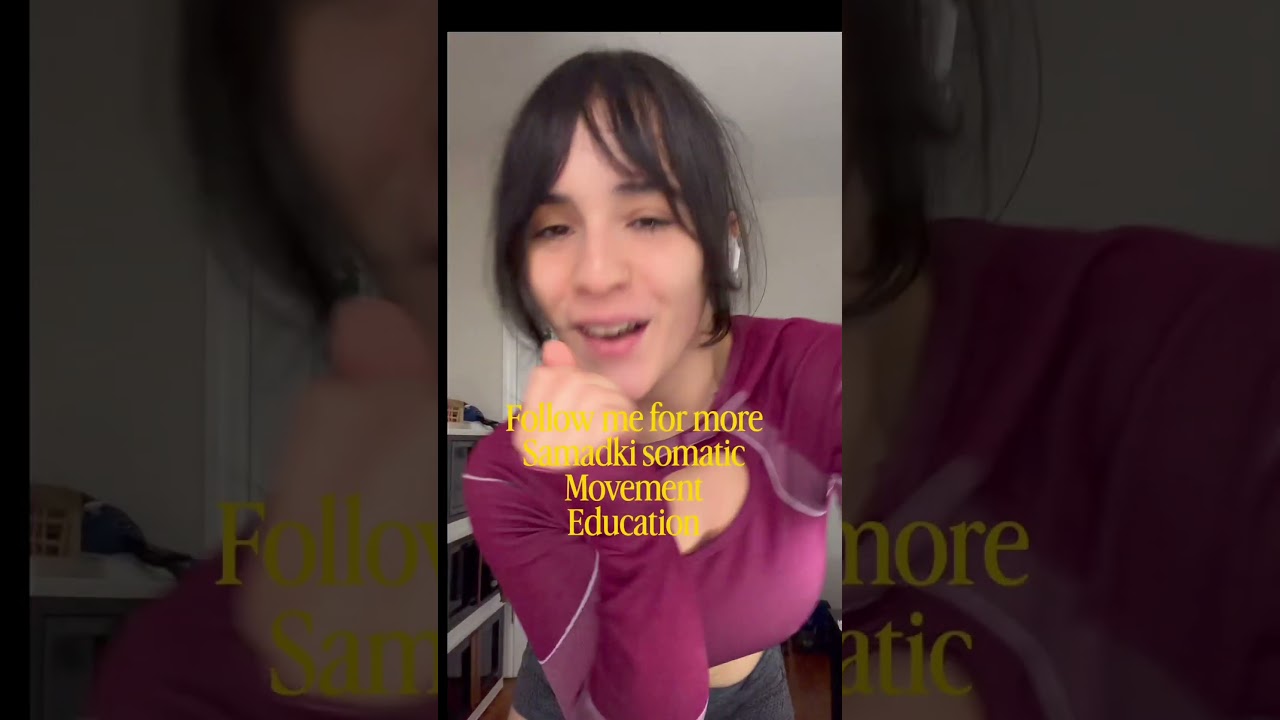

Release anger with me. #somaticexperiencing #somaticmovement #somaticcoaching


Navigating the hardest season for me as an immigrant and an entrepreneur in NYC #motivational

What happened needs to be felt so it will stop chasing you #somatichealing #somaticexperiencing