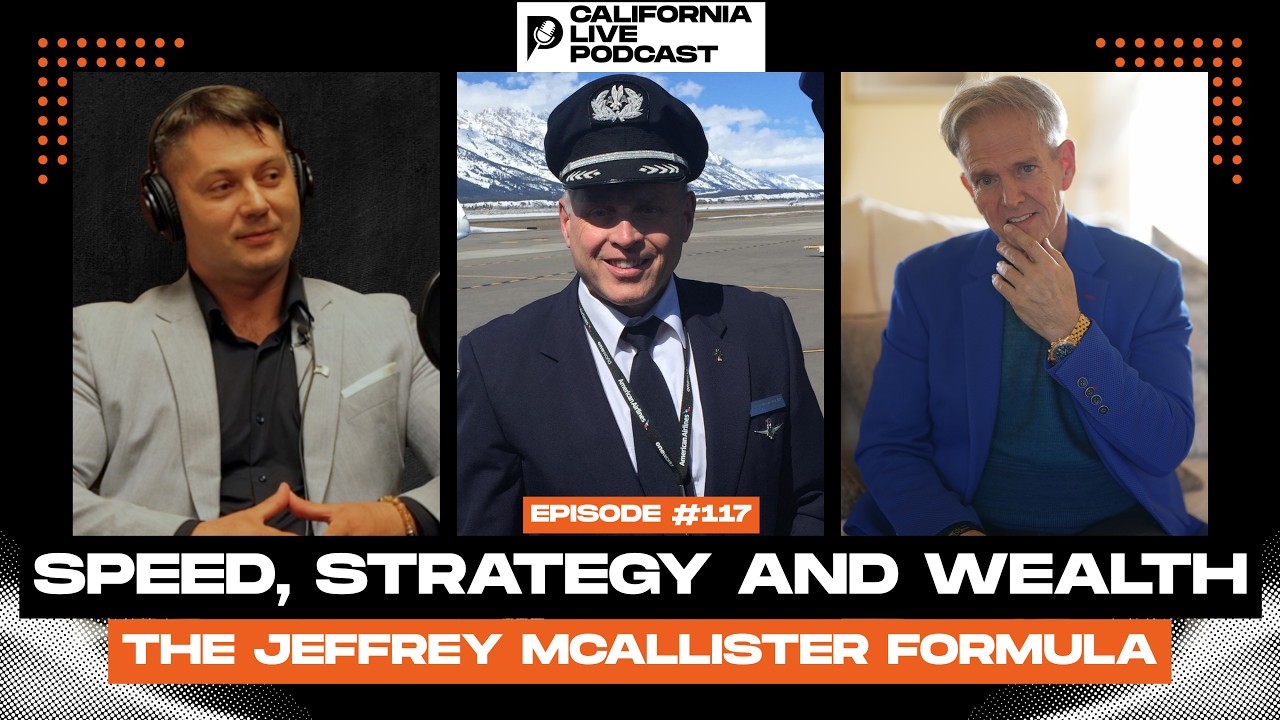
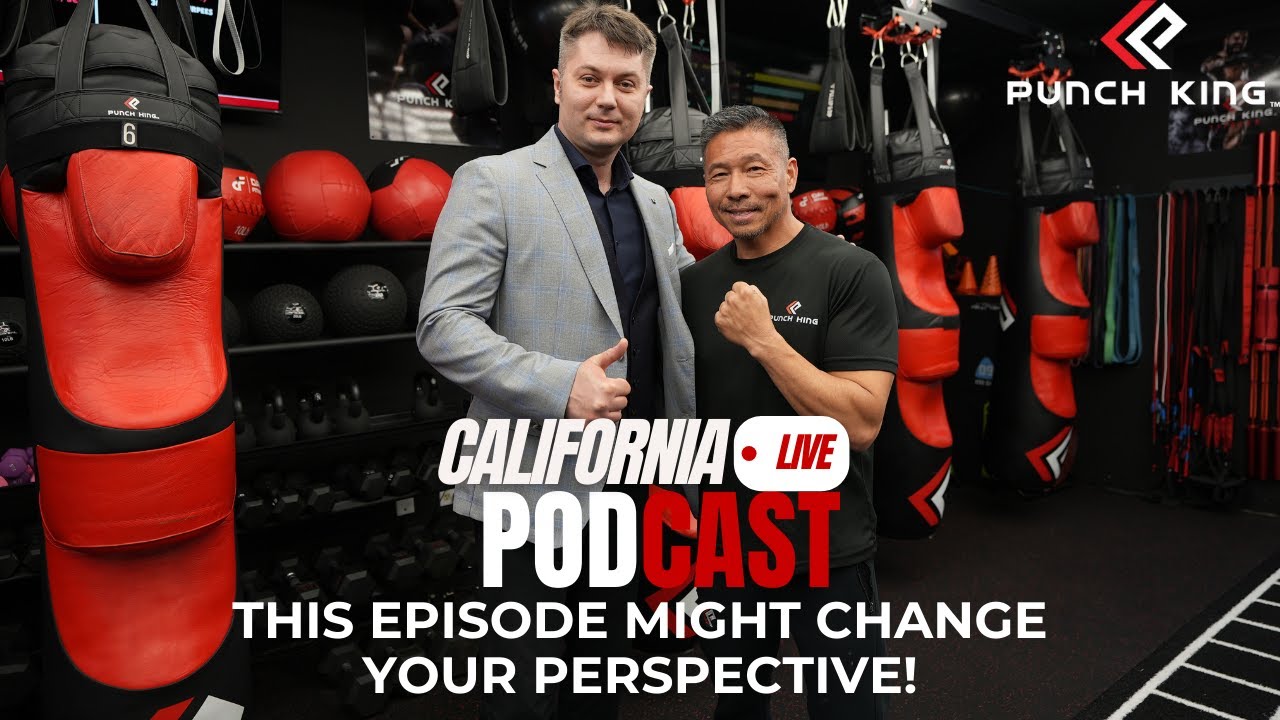
In this California Life podcast episode, host Sergei Ivanikov interviews former California Assembly member and County Supervisor Roger Dickinson, who is now running for Sacramento City Council District 2. The conversation begins with a recollection of Dickinson’s role in establishing International Kids Day in California, highlighting his long‑standing commitment to youth and cultural events. Dickinson then outlines his three core campaign priorities: (1) reviving economic development in North Sacramento by upgrading basic infrastructure such as curbs, sidewalks, streetlights, and utility lines—using Del Paso Boulevard as a flagship example; (2) tackling homelessness through prevention (rent‑assistance), treatment (mental‑health and addiction services), emergency shelter, and expanding the regional housing supply (noting a 66,000‑unit shortfall); and (3) expanding early‑childhood and youth programs, drawing on his decade‑long experience chairing the Sacramento First 5 Commission, including initiatives like the New Baby Kit, Birth and Beyond home‑visitation, the Yes‑to‑Youth coalition, and after‑school arts and basketball programs. He also emphasizes support for recent immigrants, especially those from the former USSR, through trade‑education pathways and English‑language services. The interview shifts to practical political advice, urging listeners to start by volunteering with local organizations, learning campaign logistics, fundraising, and media engagement. Dickinson repeatedly calls for voter participation, volunteerism, and donations via his campaign website rogerdickinson.com, stressing that civic engagement is essential for community prosperity.
Chapters
Welcome to California Life podcast. I'm your host Sergei Ivanikov, and today we invited special person in our studio, Roger Dickinson. Roger, thank you very much for coming.
It's great to be here, Sergei.
I have a little bit story about Roger. When I came to United States and we started one of the most popular festival in California region, International Kids Festival. So Roger was actually first politician who attended this event because he was interested about youth education, youth development. So thank you very much, Roger, for your interest. By this time you were assembly member.
Yeah.
I know that before you were county supervisor, but I didn't know you by this time. So when you became assembly member, it was very honorable for us, for our event. when you visited. And one of the first things you asked me, Sergey, what you doing? Why you doing this event? And I told you stories that in the former Russia, USSR, we did International Kids Day. And actually, I didn't know that America doesn't have this day.
No.
So I say, okay, let's do it together. So with your help, we actually proclaimed International Kids Day in California. So thank you very much, Roger. We still have your resolution on our wall. And I always show to our potential clients, new clients, existing clients that we're proud actually that our region has this beautiful festival for already for 20 years. So this year it's 20 years celebration. And thanks to you, we have International Kid Day in California that we celebrate on this event.
Well, it was terrific that you brought that festival to us. And it's part of, I think, the reflection of What a great place Sacramento is because we have people like you and others who bring their culture, their heritage, their festivals to Sacramento. We all get to enjoy those, and there was nothing better than celebrating International Kids' Day. What could be possibly better than that? But you have done a wonderful job with that festival and have built it over the years. I know it gets thousands of people.
Yes.
And it's always Memorial Day weekend.
Saturday, last Saturday.
Yeah, so it's a great— it's a great addition to that time of year, and I know people have a terrific time when they go to the festival.
Yes, I remember when you, Larissa Ganchard, by this time she was principal of largest Russian school, and today is actually— she's a director, she's promoted, and they have more than, I think, 7 schools right now, so thousands of people, thousands of teachers and educated schoolers. So we were on stage and actually you brought for us this special resolution and I still have a photo with this in our archive. So thank you very much, Roger, for always looking how you can develop something new in community, how you can build it. But today I would like to talk about different things. I know that you finished with your assembly career. and you started something new. So let's talk about today, Dave. What is your mission? What is your vision? And what you would like— because you never stay on the same time, right? Same place. You're always moving. What your goal and mission right now?
Well, you know, Sergey, when I left the Assembly in 2014, I didn't really imagine that I would run for office again. But over the years, I have watched, especially in the last half dozen, 10 years, our part of the city in North Sacramento not get the resources or the attention that we need and deserve. And so last year, a number of people said, we would really— help us if you would run for the City Council. Hmm. And so I saw the same things that they did and said, yes, I will take that on. I will run for the City Council because we We need someone with experience, we need someone with the relationships at the local, state, and federal levels who can bring the resources to our part of the city that we need in order to prosper.
Right. So right now you're basically running for Sacramento City Council, correct?
Correct, in District 2.
District 2. And obviously you're running because you want to make positive changes. in this community.
Absolutely.
So can you give us like 3 of your priorities?
Sure.
Let's talk about this. What do you want to change and how? Because many people talking what they want to change, but they're not explaining how it can be done.
Sure, yeah. With respect to the highest priority for me, that's bringing economic development or economic investment to our part of the city, which has really suffered from disinvestment over the years. And the way we can do that actually is to develop and improve the infrastructure in our part of the city. In some cases, it's as basic as curbs, gutters, sidewalks, streetlights. In other places, it's upgrading sewer lines and water lines so that we can build more intensely in certain areas. So if we were talking about Del Paso Boulevard, for example, which is part of the heart of the district— Right. We can improve that infrastructure on the boulevard that then makes it more attractive for private investment to come to our part of the city. And I know that we have people who are interested in doing that, so we just have to lay the stage, to set the stage, lay the foundation to make that possible. We certainly need to address homelessness. That's a big issue throughout the region, but particularly in our part of the city. Indeed. I think we can do that by helping people who are at risk of housing stabilize, stay where they're housed. There was a study last year from the University of California, San Francisco, which found that the biggest driver of homelessness is inability to pay rent. Right. So we have to help people before they become homeless because that's a lot less expensive than it is to get them off the street once they're there. We have to work at helping those who are already on the street get the kind of mental health and addiction treatment that they need, to provide emergency shelter for them. But we also need to expand the supply of housing to moderate the price of housing, the cost of housing. We're about 66,000 housing units short of where we should be in the Sacramento region, that means rents go up as a result. Right. So there are a number of things we can do that I think can help us reduce homelessness. And when we reduce homelessness, then that creates a more inviting environment too for that private investment that I referred to a moment ago. I think thirdly, I've always been a strong— and we were talking about this really at the outset with the the International Children's Festival, Children's Day. I've always been a very strong advocate of investing in young people and in child development. I spent 10 years, the first 10 years of the existence of Sacramento First 5 as the chair of the First 5 Commission. I see your shirt. I've got my shirt on today. The logo. Yes, I'm very proud of that. And we invested money that— it comes from tobacco taxes into programs to help children 0 to 5 and their families. So just as one example, we developed something called a New Baby Kit, and that kit was given to each expectant mom and dad, which gave them information and illustrations, guidance on how to go about raising their new baby. Right. taking care of their new baby because a lot of new parents don't really know much about how to do that. Right. But we invested in neighborhood organizations too that created environments for young children to get together and thrive and use those to build the strength of neighborhoods. I was very involved in creating a program called Birth and Beyond, which is an at-home visitation program by paraprofessionals to help at-risk families who might otherwise end up with children suffering child abuse or neglect. Right. And created a coalition called Yes to Youth, which worked at providing alternatives for especially teenagers, but young people, instead of getting involved in illegal activity or gangs, we provided them with positive alternatives. And I established a Friday night arts and basketball program in North Highlands for teenagers that helped give them, again, someplace to be that was very positive, good activities, good environment, but it gave them a chance also to get out of the house too. Yeah.
Very nice programs. And by the way, we invite all these organizations to join our International Kids Festival on last Saturday of May, Memorial Day weekend.
Absolutely. So those are a few of the things. I think we need to continue to invest in our young people. We have to give them multiple paths, provide them with the opportunity as they grow up if they want to go to college to do that. But if they want to learn a trade or Go into a vocation or technical field. We have to give them the opportunity to do that, to find a way to a good, solid career that will help them have a
get skill
successful. Yeah, a successful life and career.
That's great. Yeah, thank you very much. And I think trade education it's very important for us because especially right now we have a lot of immigrants who came from former USSR. It's, I think, about 25,000 came just to our region. So even schools like Highlands Community Charter, you know, provide this trade education and help people to find a job by building their skills. And it's free, paid by government.
Yeah.
So these programs obviously help a lot.
And we especially want to, want to help those who are recent arrivals here become fluent in English. be able to navigate the ins and outs of our community so that they can succeed and thrive. You know, we have so many people who come as immigrants with an idea, a dream, a vision. Right. And because that's the history of America, of the United States, we want to make sure that We give people the support and the help they need so that they can realize those dreams because they are hard workers and if they're given a chance, they will add so much and have, not just in the future, but have in the past added so much to our community. One of the great things I like about Sacramento is we embrace the people who come here from other places in the world. The heritage, the culture, the food, the festivals, all of those make us—
Bring color, right, to our region.
Yeah, it makes us a more interesting community.
Yes.
Absolutely.
That's true. And that's why we're doing all these festivals and events. Thank you very much for supporting every activity that we're doing. So, Roger, you professional politicians, For— I know you're running right now for city, but your experience is huge and unbelievable and very successful. So for people who would like actually to go through political career,
yes,
can you give advice how to start? What is first steps and what is con and pros in this?
I think, yeah, I think for, for most people, uh, the, the way to become involved in politics is to become active in a local organization or in a neighborhood organization, to become active on campaigns of people who are running for office, to volunteer. You know, I've been out knocking on doors for my campaign. A lot of people volunteer to help me with that. That's a good way to get involved. Start at the base. To support people who are running for office. And it also provides an opportunity to begin to learn what it's like, what it takes. What do you have to know if someone is thinking, gee, someday I might like to run for office?
Right.
Then there's a lot to learn before one can do that and be a viable candidate. It's how do you raise money? How do you develop the relationships with people that give you the opportunity to raise money? How do you interact with the media? How do you interact with people, potential voters in neighborhoods? Or how do you—
It's the best way to be insider and see actually what these campaign managers are doing, right? Right. And learn from inside than outside.
Yes. And then what are the details of how campaigns run? How do you— How do you set a calendar, so to speak, so you have planned out what you're going to do at different points in the campaign? And what resources do you need in order to have the materials that you need? Right. You need written materials or call people on the phone or now text people or send mail to people, but all of that takes getting more sophisticated. It's not intuitive, it's something you have to learn.
For sure, yes.
Yeah,
so probably if somebody would like actually to run through this career, Roger always very helpful with advices. So please let us know and Roger would love to help you to navigate your path in political career. So talking about your career, What particular are you expecting from our viewers? How they can support what you're doing?
Well, I hope first and foremost that, that your viewers will vote. If they live in North Sacramento, that they'll vote for me for the, for the City Council. Voting is, is the linchpin, it's the foundation of our democratic system. We can't, we can't function well unless people vote, first of all. Secondly, anyone who would like to help, we always love to have help. People can put up signs at their homes or on their property. They can volunteer. We make phone calls. We go out and knock on doors. We send text messages to potential voters. So if someone wants to volunteer for the campaign, there's lots of ways to do that. And I have a website which is rogerdickinson.com.
Easy to remember.
Yeah, it's easy to remember. So people can go to that website. They can sign up to volunteer. They can make a donation if they want money to help the campaign because campaigns take money. And they can see material about me, the views I have on different issues and priorities, the endorsements I have, things of that kind. But we'd love to have people get involved.
Yes, please, rogerdickinson.com, very easy email— sorry, website— and you can get more information about this campaign. So what else, Roger, you want to say for our viewers, especially for newcomers to this country?
Well, what I would say is it's critically important for everyone to become involved, and sometimes it seems mysterious or intimidating, but it's really quite simple. And find someone if you need to who can help you understand the ballot. You get registered to vote first of all, of course, but then have someone if you need help. And there are, there are resources available to explain issues, to explain candidates. The Sacramento League of Women Voters provides information, nonpartisan information, on ballot measures and on what's on the ballot. Become educated as best you can, and then, as I said a moment ago, vote, because we can't survive in our system of government without people participating. We are founded on the principle Long, long said of of the people, by the people, and for the people. And we can't be those things if people aren't voting and participating in the in the elective system.
Plus, if people don't vote, they actually automatically give vote their vote to another person that they don't want to vote for, right?
That's right.
So please be proactive, participate, visit rogerdickinson.com. There's a website that explains all goals, missions, and priorities.
That's right.
And be part of community, be part of our success.
Yeah, and people will find, I think, that as they become involved and as they participate, they'll get to know their neighbors, they'll get to know other people in the community. That will lead them to all sorts of different connections that Sometimes can be social, sometimes can relate to business, but they can be connections that can, can be quite helpful to people as they settle in and become part of the community.
I think it's more important connection with real people, right?
Yes.
It's more important than any another campaign or social media or advertisement. It doesn't matter what you're doing, right?
Absolutely.
You want to be successful person, you want to be business owner, you want to be politician, please make more friends by personally connecting with people.
You, you have that personal experience.
I learned it from you, from CCE, and other leaders of our community. So thank you very much for teaching. Again, it was California Life Podcast. Thank you, Roger, for coming to our studio.
Thanks so much.
Please go to rogerdickinson.com and be proactive member of our community.