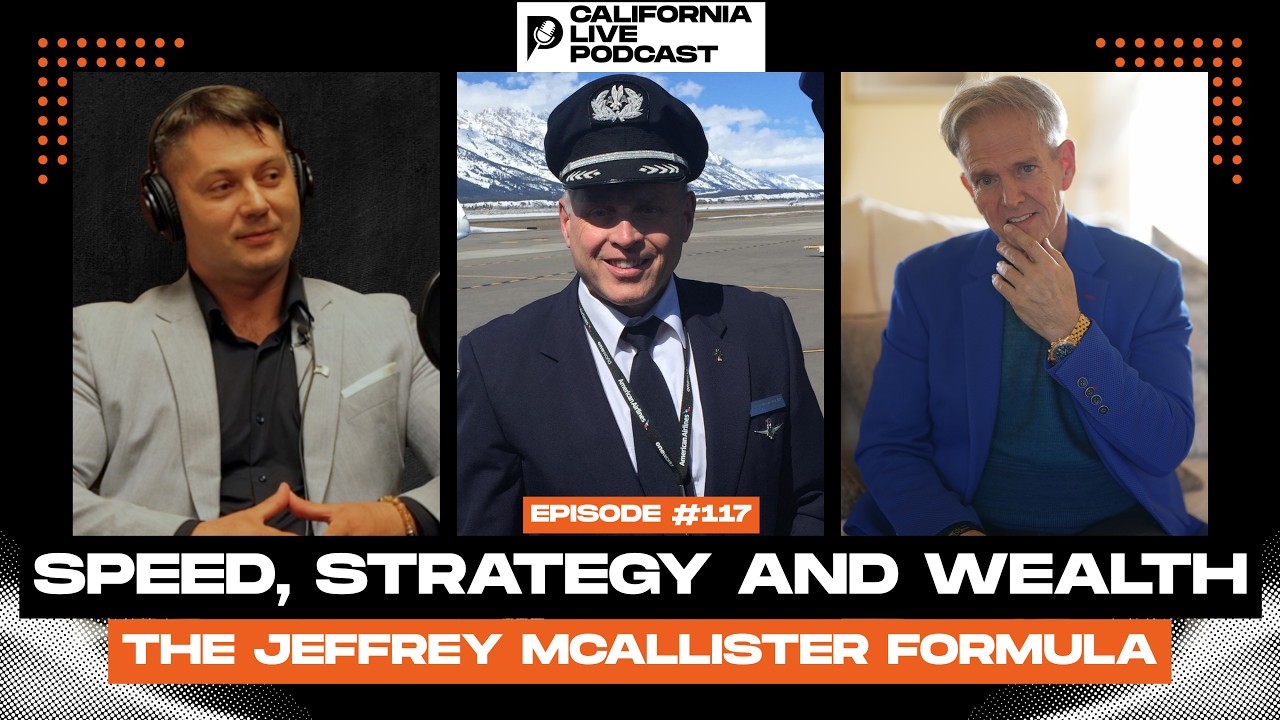
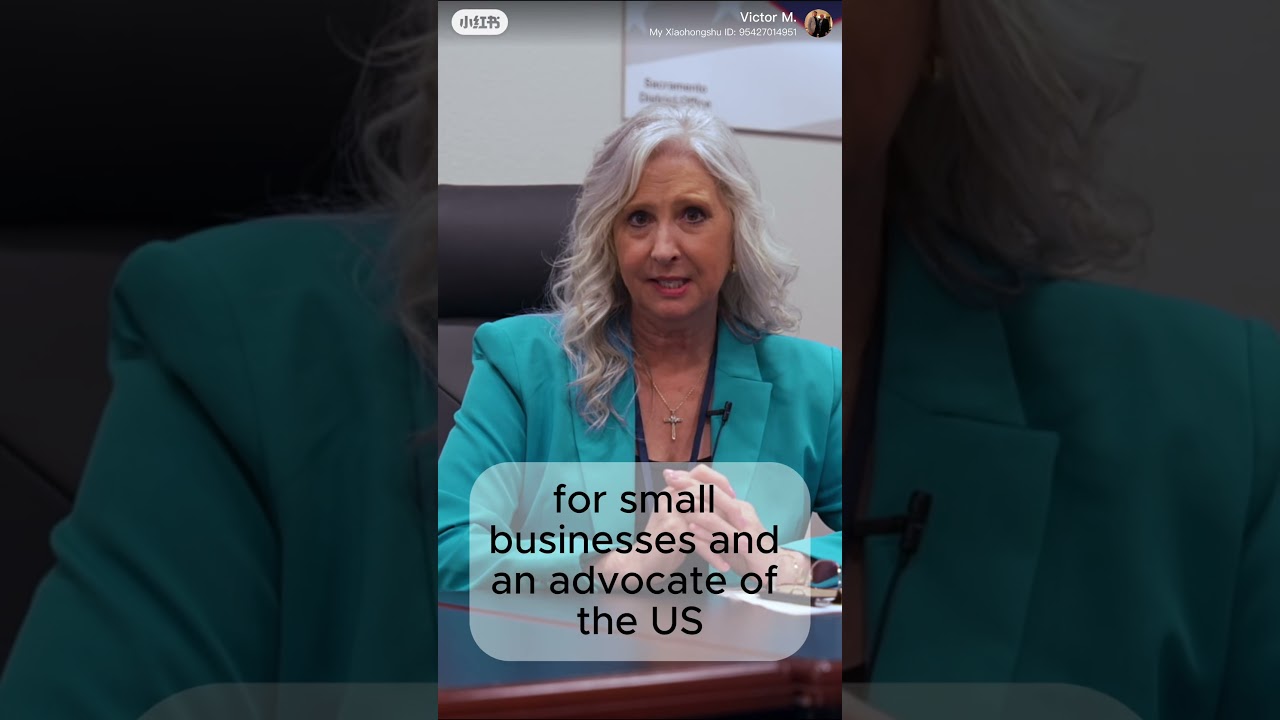
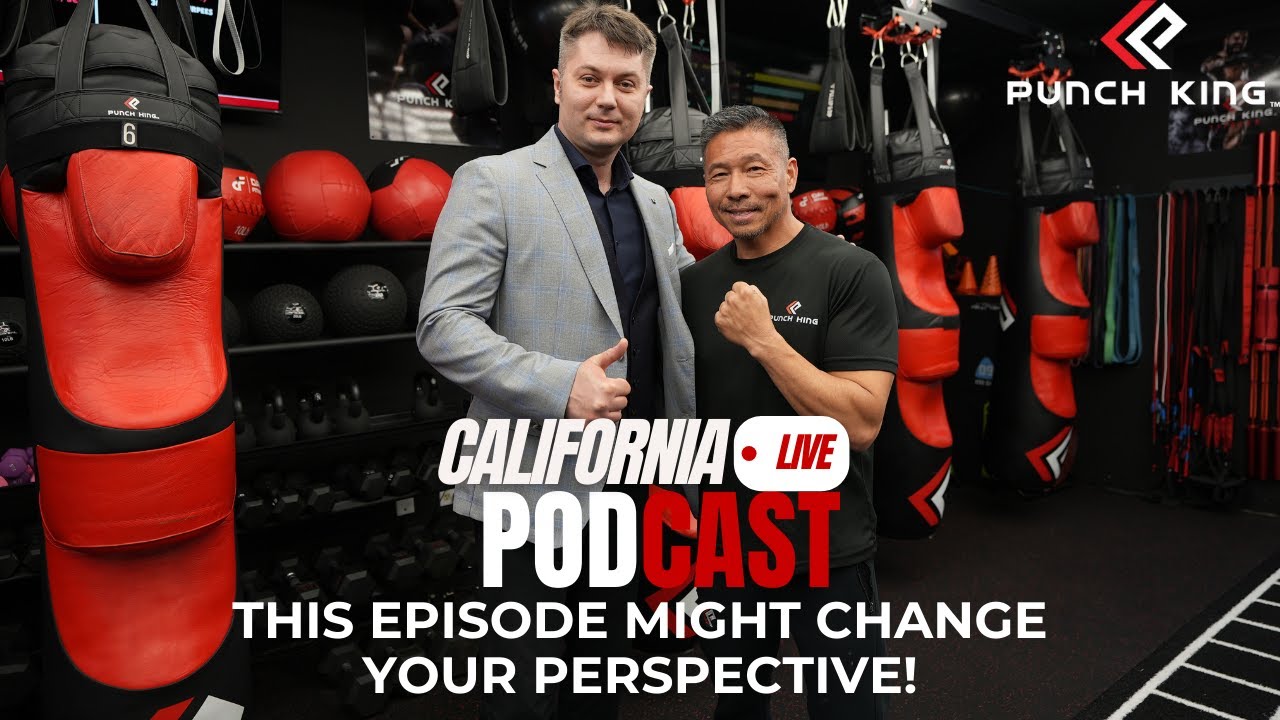
In this California Life Podcast interview, legendary female boxing advocate Jill Diamond discusses her current work and the broader challenges facing women in combat sports. She outlines her ongoing involvement in boxing and philanthropy, emphasizing the persistent issues of gender equality, financial support, and representation for female athletes. Diamond articulates a firm stance that only cis‑born women should compete against each other in boxing, citing safety, health, and fairness concerns, and explains how the World Boxing Council (WBC) and her own Green Belt amateur league enforce this policy. She describes the Green Belt Challenge, an amateur program operating in 176 countries that provides structured training and competition for disadvantaged youth without pushing them toward professional careers. Diamond critiques recent high‑profile celebrity bouts such as Mike Tyson vs. Jake Paul, acknowledging their promotional value but warning that lax safety standards and one‑round formats risk serious injury or death, and she expresses overall opposition to celebrity boxing. The interview concludes with a call for listeners to follow her work via social media and contact channels for boxing‑related inquiries.
Chapters
Welcome to California Life Podcast. We are with Ms. Jill Diamond.
Correct.
The living legend of female boxing and the lady who fought for the female boxers throughout your career. Ma'am, thank you so much for coming to the show, for joining us, for your time. It's a pleasure. It's an honor. Well, let's begin with what are you busy with right now? Are you still involved in sports, in boxing?
Yes, I'm still involved with women's boxing. And all boxing, actually. I started with women's boxing because I felt they needed more representation. But now I'm involved with boxing in general and philanthropy.
Okay. Which, let's say, issues in the sports are you dealing with? What problems are you trying to solve now?
Women have the same problem in and out of the sport, which is equality, finances, being supported. It's the same issues whether you're a banker or a boxer. But of course, boxing is a smaller arena and less opportunity. But we're still dealing with the same issues. But we've come quite a way since I started being involved in it. There are more and more women involved, good women, smart women, and some good purses. And they're selling out arenas now.
We had quite a few controversial moments during the Olympics in France, in Paris. What is your personal perspective on what was happening and what is happening in female sports right now with
Are you talking about transgender?
Yeah.
I personally believe that only a cis-born woman should fight a cis-born woman. XX versus XX, XY versus XY, and vice versa. I think that there are unfair advantages, particularly if someone transitioned after puberty, and I would never encourage anyone to transition before. I just think in a combat sport, you have to be particularly careful. Because a lot of serious injury can happen and it's not fair to the women. So no, I'm against transgender boxing mixed in with female boxing.
You as a public speaker, you as a public person, especially in the domain of sports, how do you personally try to facilitate the fight against this injustice situation?
It's very difficult because In all other levels, I think that there should be total equality. Mine is just simply a safety and health issue.
Right.
So all I can do is not sanction a fight like that.
Right.
That's all I can say and speak out my mind as to why. You know, there's a lot of scientific evidence to say why this is an unfair playing field, and particularly in college and high school sports where women are losing a lot of scholarships to people who are gender identification. So, you know, all I can do is not support matches that are like that.
What do we need to do to have this threat to female sports eliminated ideally?
Well, you know, again, as someone with the World Boxing Council, we just don't sanction those fights. And people have to speak out for what they believe in, you know, so Again, it's nothing to do with gender identification. It's scientific. And I believe in equal rights for everyone and everything, except when it comes to competition in sports.
Absolutely. We are expecting the Olympics in Los Angeles in a few years. Will you be involved and will you be standing to protect female sports against this injustice? How is it going to be happening?
I'm not personally involved in the IOC or what's happening. They don't— they know that the group that seems to be taking over world boxing is very aware of our viewpoint. We have our own amateur sports that we support, and in our thing called the Green Belt Challenge, we don't allow that. We don't allow transgender versus cis-born, male or female. Yeah. So there's nothing, you know, we just try to influence by trying to put out scientific information, but we can't tell people what to do. Neither do we want to shine a negative light on people who are transgender because they have absolutely the right to do everything they want to do. I mean, we're all equal. It's just, as I said, when it comes particularly to combat sports, I think that there's a safety issue.
Absolutely. Well, getting a punch from a gentleman or a lady definitely feels sometimes differently. Sometimes it doesn't. If it's Ronda Rousey punching me, I probably will go to sleep.
I don't want her punching me either.
Yeah. You mentioned about your own league, the Green
Belt.
Could you please share with us a little bit about what is it? What is the goal of this project?
Well, we started an amateur league called the Green Belt, and we do it all over. We're in 176 countries. We don't, you know, it just was given another way for kids to have an outlet and a competition. It is not competitive with, obviously, with the Olympics or anything like that, but doing this gives them just one more way to express themselves. We have very strict rules, and they love fighting for what they consider to be a precursor to getting the real green belt. But we don't encourage amateurs to go professional, but we are there for advice and help if they need it.
Why you're not encouraging amateurs to go professional?
Because, because that's not the point of it. Mhm. The point of our doing this is to give kids, particularly kids from disadvantaged areas, to give them structure, gym, family, an outlet, not to make them professional boxers. That's a whole different thing. That's a passion that you have to have. There's other kinds of dangers involved in that. So if they decide to go professional, great, we're there. But it's not the point of doing amateur.
Right. I have another, a little bit controversial question to you. Sure. A few months ago, we all witnessed a very interesting fight between Mike Tyson and Jake Paul. What comment could you give us about this event?
I thought it was disappointing. Part of me says you're bringing new eyes and new people to the sport, And that's a good thing. But I did feel sad for Mike, who obviously in his prime would have been a lot different. But I can't be against— again, as long as the safety aspects are met, the physical tests are done, they're cleared medically, I can't say anything negative about it other than it didn't please me personally.
The controversial message in the media, at least, in the media world which we are involved was that people which— who are not professional boxers are challenging professional boxers, especially social media influencers are trying to punch their world into the real world. And is it somehow degrading the value of the sport of boxing?
See, that's a double-edged sword because again, Jake Paul is a real boxer. He would not have gotten to the level he got to so quickly had he not been an influencer. But if they pass the standards that they have to pass and are equally matched, what can you do? Will somebody eventually get seriously hurt? Probably. I'm personally not for celebrity boxing. The other side of it, it has brought a younger audience and new eyes to the sport so that on the one of the first Jake Paul cards, there were also 6 very hardworking professional athletes. Who got noticed and got a paycheck who might not have had he not been there. So it's a very, very complicated situation. But I'm not really in favor of celebrity boxing. I think eventually someone again will get hurt. And there are other things like the one-round boxing where people have gotten hurt. Some— somebody has actually died doing that. They're not adhering to the standards. They don't have insurance for their boxers. And I think that's just completely wrong.
Well, thank you very much for your comments. My last question, since you are a public person, where can we and our audience follow you, maybe get in touch with you if someone has questions boxing-related or any else?
On my Instagram, I also represent the World Boxing Council's nonprofit, which is WBC Cares, so it's @wbccares. On Instagram, the website is WBC Boxing, World Boxing, and also Jill Diamond Chess State at Jill Diamond Chess State.