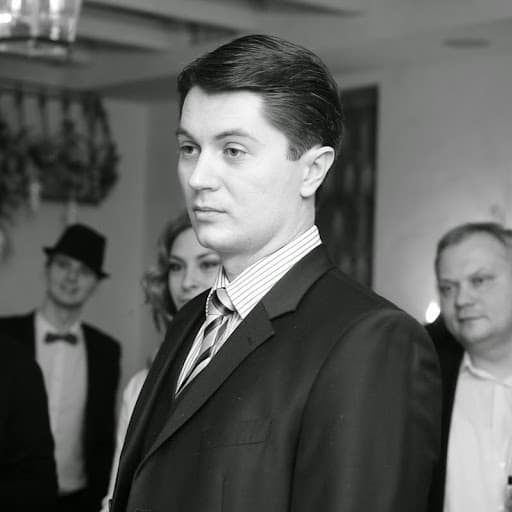
Episode 48 with Jennah "The Gem" Creason on her "Fighter Journey" and Hollywood ambitions

In this episode of the California Life podcast, host Victor Migalchan interviews 18‑year‑old Jennah “The Gem” Creason about her evolution from a wrestling‑obsessed child in a large fighting family to a multi‑disciplinary martial artist preparing for her first professional boxing bout on April 27 at the Save Mart Center. Jennah recounts starting training at age four, mastering wrestling (freestyle, folkstyle, Greco‑Roman), boxing, karate, jiu‑jitsu, Muay Thai (traditional style), no‑gi grappling, and judo, and explains that her current strongest weapon is her punching power, honed through core activation work. She highlights the Brandenburg Cup in Germany as a pivotal international competition that tested her faith and independence. The conversation shifts to her personal philosophy: a deep relationship with God guides her daily life, dating choices (waiting for marriage), and moral standards. Jennah discusses the business side of fighting—marketing, opponent selection, and the rise of social‑media‑driven exhibition fights—while emphasizing that quality competition and authentic showmanship are essential for a good fight. Influential figures such as Bas Rutten, Kung Le, Mike Tyson, Ronda Rousey, Holly Holm, and Michelle Waterson are named, with Jennah offering tactical thoughts on how she would approach each. Finally, she shares three success tips: consistency, surrounding herself with the right people, and maintaining a strong relationship with God. The interview blends personal anecdotes, technical insights, and forward‑looking goals, painting a portrait of a young athlete who balances competitive ambition with faith‑driven values.
Chapters
Welcome back to California Life podcast, and today I'm excited to introduce to you, I want to say a good friend of mine, but it's the first time we've actually met in person, Jenna DeGem. And Jenna, thank you for coming to the studio today.
Thank you for having me.
I've been following your exciting career for quite a bit, and I think we've connected on social media thanks to Brother Keng Lee and his family. Yes. How and why did you decide to become a fighter? You're not just a martial artist, you don't dance in the dojo, you actually beat up people. Why?
So I have 6 older siblings. They all fought. They did wrestling, boxing, karate. All that. And so growing up, I kind of saw that, and me being the youngest, want to be the most competitive and the favorite, of course. And so we started off with wrestling because my older, my older brother, he was wrestling at the time at a club. And so I was like, you know what, let's do it. You know, I want to do it. I bugged my dad. He was, he was planning on me wrestling but not competing or doing anything like that. I just decided to take it to a whole nother level with All the martial arts and going into MMA and boxing and all that.
So how long have you been in this martial arts world?
About 14 years now.
Okay, wow. And you are?
18.
So you started when you were 4?
Yes.
Do you remember your first punch?
Yeah, so basically for boxing, they usually don't really work with the kids until after a little bit. I kind of showed up in my little jean skirt with like little pink flowers on it and my Tinkerbell shirt. And the coach was like, oh, well, you know, it takes a couple weeks before we even put them in the ring to do mitts or anything like that. After like 10, 15 minutes of talking me, we ended up starting doing mitts. And a couple months after that, they decided to let me spar. My dad did not want his little girl to box. That was the last thing he wanted to happen. And so he was like, okay, cool. Once she gets hit in the face, we're done. We could go back to normal. It'd be over. I ended up— they lined up like 3 or 4 guys on the side of the ring and kind of just rotated me through. First one, I busted his nose in the first round. Second one, busted his lip in the second round because it went a little longer. Third one, decided to go all 3 rounds, but I busted his nose too. And I just— it was exciting for me. I enjoyed it, you know. I figured there's a lot of thinking in it as well, and so I had a blast with it. My dad wasn't too happy that I ended up enjoying it, but, you know, here we are.
Well, your dad is here with us. And, uh, well, thank you, sir. Thank you. Before I continue with other questions regarding your career, since you've mentioned that you, you've beaten up all the guys, how's dating?
Um, we are not focused on that right now. Right now we're just working on my relationship with God and also training, competing, and kind of working my way up the ladder in the fighting world.
Well, obviously that's the, the best way to go, but still, I mean, For the guys, I want to say in a very diplomatic way, that's going to be extremely challenging.
Yeah, I tend to scare guys too, especially at school. So, I mean, it works out great for my dad,
but— Oh yeah, I bet. I love seeing your dad smiling. So you started at 4, you've beaten up the guys in the ring. Which of the martial arts do you do? Do you practice?
So I do wrestling, boxing, karate, jiu-jitsu, Muay Thai, no-gi, and judo.
Okay, let's start with wrestling. I know that there are different types of wrestling— Greek, Roman, you name it. Which ones or which one do you do?
So I do the freestyle, folkstyle, and Greco. The ones I've been focusing on mostly lately was the freestyle folkstyle because for high school sports it's folkstyle. But I really love freestyle, especially in the offseason, so.
Okay, and you obviously do a lot of punching, kicking techniques. Which of the techniques do you believe are your strongest? Punching, kicking, or wrestling?
Probably I would say right now, definitely my punching. That's something we worked on a lot lately, and I have a core training coach, so learning how to activate the TVA and kind of connect to the whole body of muscle and stuff has definitely brought my punching power to the next level, and so I'm super excited to kind of I get to use that now at the professional level.
Okay, and you've done karate, kickboxing, Muay Thai. Which of these different but still not too different punching, kicking techniques or martial arts do you find more close to yourself, your identity?
Personally, oh, that's a good one. I feel like all of them, they all, something about them connect to me and that's why I enjoy what I do. I like the fact that they're all, there's something new all the time. You always have to learn. There's like new techniques, there's different fighters, different styles you have to adjust to. And so really just being able to be comfortable in the gym, being comfortable on the mat, it's kind of like a safe space for me, I guess you could say. And so when I'm fighting, nothing else is on my mind but that.
Right, but like, if we dive into the stylistic, right, let's say just kicking. Karate has one type of kicking, Taekwondo has kind of different, close to karate. Muay Thai has completely different. Chinese martial arts, wushu or kung fu, they have different. Which ones do you like more?
I would definitely say for kicking and stuff like that would be Muay Thai. I really like hitting hard. That's one thing. I really like growing strength over the years, and I've been working with Coach Jasper this last couple years, I want to say, for Muay Thai now. And super traditional. I love it. I love the traditional Muay Thai style. It's incredible. And so really honing in on my kicks and how to make them stronger. I've been doing the karate kicks. I did other Muay Thai kicks, but really just learning how to get them perfected has been something I really enjoyed. this past year. So I would definitely say probably the Muay Thai for that.
You just mentioned that you've been practicing traditional Muay Thai. I am not sure if our audience knows exactly what it means. If you could elaborate a little bit, what is traditional Muay Thai versus, I don't know, modern?
Yeah, so there's, I guess, different styles of Muay Thai. There's some coaches that teach a traditional style where they kind of go through the same motions straight from like Thailand and stuff like that. And then there's some that are like more modernized where they have like A little bit of everything. Some have a little bit of kickboxing style but Muay Thai. So that's kind of what I consider it. I'm not sure if that's what it is considered actually, but that's the way we look at it.
If, again, for our audience, if you could maybe compare and elaborate a little bit kickboxing techniques and kicking versus Muay Thai, which are for you main differences?
For me, since I haven't really done too much kickboxing, I fought kickboxers before, but Muay Thai, I feel like there's A little bit more, I guess, I don't want to say it that way, but like harder technique for myself. When it comes to the Muay Thai, there's more moves when it comes to it, like elbows, knees. I believe kickboxing is just punches and kicks.
Yeah.
And so I feel like there's more things you have to be aware of when you're doing Muay Thai and more things you have to really be well-rounded in.
Right. Today when we met, you mentioned that you definitely are exceeding in your punching, your boxing, and you're prepping for your— if I'm— please correct me if I'm wrong, it's your first official professional fight.
Yes, I'm making my pro debut April 27th at the Save Mart Center on the Jose Ramirez card.
Well, we'll make sure to make it happen and be there for you. Before this professional fight, your debut, which of the fights would you say that were the most significant in your career?
Um, for boxing especially, would definitely be, um, the Brandenburg Cup. That was my first international competition, and that was with Team USA. We flew to Germany to fight, and so that was the very first time I was away from coaches, from family, teammates, all of that. And I was kind of felt like I was completely on my own over there. That's something that we really had to rely on my faith to kind of be able to not only perform well but also kind of keep the same state of mind I usually have at home and feel comfortable. Again, although we were training together all year, you know, these people are still new to me and, you know, I didn't really know them well. And then being in a different country, even that, it was amazing. I loved it. It was definitely a new experience for myself, but I definitely say that fight, it really grew not only In boxing, but also as a person. You know, it was definitely a big step. It was outside my comfort zone, and other than that, it was amazing. And, you know, that's one experience that I'm always going to remember.
Yeah, it's good that you mentioned that the faith was with you, because even if you are away from the actual family, our God the Father is with you. How did you— you just mentioned you grew personally. Let's talk about the personal growth. What was the impact and how did you change? What was the growth that you just mentioned?
Um, definitely a lot on the maturity side. Um, I've been fighting forever. I train with a lot of grown men. Most of my training partners are high-level fighters and stuff like that. But so I already had kind of that more than most of the kids at high school and stuff like that. But going this way in another country was definitely something where I had to be like, okay, you have to be able to handle yourself completely, which is something that my dad always Kind of worked with me on is know how to defend myself, of course, with the martial arts, but also know how to hold myself in different circumstances with different people, be able to be aware of my surroundings at all times. And that's something he grew me up with and like taught me. And so just really being able to put that into action and not have him there as like a backup or something like that. And so really just being able to not only live in the moment but also be aware. You know, and that was something that I've used but never really had to use it like to that extent of it. And so it just made me more confident in myself coming back from that, knowing that I was able to do that. I stayed strong. My coach was worried about me in the ring. He's like, I don't know how this is gonna go. He's always been with me. And so just being like that all the way over there and still being able to be myself, be comfortable. and compete at that level was incredible. And so I felt like that affected me in many different ways. So personally, I would definitely just say it affected my characteristics and the way I handle myself now, especially being back home. And so, yeah.
Well, that's a fantastic story. Thank you for sharing. You fought at this tournament in Germany, you won. How would you describe your competitors and your fights? Were they easy for you, or maybe you've had some challenges?
Definitely, they were bigger opponents. You know, we had to go up a couple weight classes just because of the weight classes weren't always full for there. I was expecting a little bit more, if I'm being honest. I knew the international level was hard, but I was really surprised myself that I was able to kind of step up to the plate, kind of. And be able to adjust to the different styles. So we fought a couple different girls there, and they both kind of had the very forward style, and I like to be the one who's putting the pressure, being the attacker. And so them being able to do that to me and them being bigger, you know, it was really good for me to learn how to adjust to that. And so at the national level, usually I'm always the one who's attacking, so no one's ever really had the chance to come back at me. So It was definitely different, but I felt like I handled it very well. It wasn't super exerting. I know my finals, I did get sick after the semifinals match. Got sick off the food or something, and so that one was definitely harder. But other than that, it wasn't too bad.
That sounds fantastic. Seems like we don't have any serious opponents to put against you.
Hopefully at the professional level, you know, there is some really great fighters. And so now going into that level, I'm super excited.
When you go into professional career as a martial artist, as a fighter, whether it's boxing or future MMA, um, you do understand it's business and it's about winning, making the show, and making money. Are you looking for this, or you're looking for a stronger opponent, which might not necessarily be a money-making thing? Uh, where are you in terms of these 2?
Um, I'm looking at being able to do both of that solely because, of course, fighting is a business. You have to be able to market yourself but also be able to perform in the ring or cage or whatever it is. Um, I know for the first couple of fights they definitely want to just get me going, get my name out there. Um, but I— they— I— they picked a better opponent experience. We're still waiting for confirmation, but they've I pick someone with a little bit of experience so it'll give me enough of a challenge to step into it and kind of realize like, hey, this is legit, you know, like this is kind of where you have to be at. And so I think that's perfect for me, you know. For some reason, I always end up doing better with better opponents, like training or competitive. If my opponent's better, somehow my level gets better while I'm in the ring. And so I just know once I get out, there's things we could fix and get better. Either way, whether it's more business, I guess, pointed or just competing kind of thing, I'm gonna— I want to work my way up the ladder. And, you know, however that is, that's going to be how it is. But I do want to compete with the best because the only way to be the best is to beat the best. And to beat the best, you have to meet the best. And so that's definitely something that I'm planning on doing, and hopefully in the soon future. So.
That's very well said. I remember Quentin Tarantino, he said that it's better to be the last running with the best than be the best running with the worst.
Yeah.
So, very well said. If we step aside from this growth, that you compete with better opponents and you grow, obviously, for you as a professional, what makes What makes a fight into a good show?
Mm, I would say just the intensity of a fight, you know, picking the— other than the, like, the levels of the fighters, but the way the fighters handle themselves, not only in the ring but out of the ring. There are some fighters who like to talk smack and kind of have a show before the actual show. That can make a fight, because that's how— what— that's what gets people to tune in. They're like, oh, I want to see what happens. Personally, I like the fact that when certain fighters will kind of show what they got, what they got going for like their moves and stuff like that, but not in a showboating way. Kind of show that when they're in the ring, they're thinking things through, they're having IQ, they're being involved in the fight. And so I really enjoy when fighters show that, and not in more of a cocky way, but more of like, this is my sport, this is my craft, and you know, These are all the things that I've done to perfect it, and they're kind of showing that. Because I feel like that makes the martial art world look better, and it really brings more eyes to it.
Right. Well, let's step aside from serious topics and let's, you know, have some fun. I would assume that you were influenced, impacted by different fighters, by different martial artists. If so, who were they?
Definitely one of the biggest ones would be Bas Rutten. He was one of the fighters that I met at a Bellator fight. It was my very first MMA fight I ever went to watch. I went with my dad and he was there. I was super excited. I ran all the way up to the front. You know, I had to meet him real quick. I always made business cards for myself when I was younger. They were hot pink. They had my little handwritten, like, oh, follow me on this, email me on this. And then I cut out pictures from my competitions and glued them on. They were very tacky as a kid, but I was super excited to meet him and I kind of gave him my card. And, you know, him being a great role model for myself and other fighters, he ended up sending me some stuff, some gear with his stuff. And now I use his O2 trainer. And yeah, he's just been a fighter that I followed for a long time. My dad as well, because he's always been into the fighting because of my older siblings, because of all that. So, him, of course, Kung Le. We watched him in movies, watched him in fights. I remember meeting him at one of my PMT fights I went to as a kid. I think it was my very first one. And we saw him like walking across the parking lot and I like completely freaked out, had a fangirl moment. It was so bad. I like busted my dad's eardrums. It was so funny. I remember warming up for the fight and I saw him walk by. I was like, Dad, I need a photo. I need a photo. Like, I like freaked out. And that's where I met him and his sons and all that stuff. And we just— I've always been a fan.
Well, that's great to know. Have you ever tried to contact Master Kung Le and maybe, I don't know, have him train you, get some experience?
Yeah, eventually, especially because we're going in the MMA world, you know, that'd be amazing. Kind of learn from the best. You know, his kicks are phenomenal. I love rewatching his fights over and over. He's an incredible fighter, and even meeting him in person, you know, him and his whole family, they're just really down-to-earth people, and they're super sweet, and they will talk to you, and they're— the way they praise the Lord, you could just tell, you know, they kind of— you just see the light in them, and I just admire that so much.
Yeah, that's one of the reasons why we connected so well as well, and we've been such a— I would say not even friends, a real family together. Whenever we meet, it's a blessing. I call it a blessing. What about the boxers, for example, Mike Tyson, Evander Holyfield? Did these gentlemen influence your love, passion to martial arts, or maybe even your career in a way?
Yeah, so Tyson for sure, you know, he was definitely a heavy hitter and I enjoyed that. You know, even with his career, again, from the business standpoint, you know, there's a lot of ups and downs. And, you know, when you're new to something, you have to be picky with who you have around me and— or around you as that. And so learning that from them was kind of good because I saw that at a young age. So growing up, I'm like, okay, this is what we're aware of, this is what we need to look for. But as fighter standpoints, I love rewatching especially fighters like that because then I could like, oh, they use this, that's why that worked for them. This person promotes them this way and that's why it works for them. And kind of just taking pieces and parts from all their games and their, I guess, careers and kind of using it to hopefully make mine flourish.
Right. Now, today you also mentioned that you had Ronda Rousey's impact on your decisions and I assume other fighters as well. If you were to fight Ronda Rousey, which techniques would you use to beat her?
Um, I would definitely say I do not want to grapple her. Her judo is way better than mine. But definitely kind of, kind of do what Holly Holm did and kind of keep it with striking. She's a great fighter, she's really good, but every fighter has certain things that they're stronger at, and going into a fight like that, I know it's Judo, arm bars. Those are like the kind of known for her. And so I would say just kind of keep it standing, use my boxing, kind of use what I know I'm good at. But that would definitely be a really fun but difficult fight. Um, I hope that kind of doesn't happen. I kind of do. Like, that would be fun. Um, but yeah, I loved her. She is the reason that I got into the MMA part of it, you know, seeing her in the UFC and being like the first woman to fight. really just changing Dana's mind at that, that was something I was like, okay, Dad, that's what I want to do. Right. Like, and he didn't let any of my older siblings do MMA just because when they were in MMA, it wasn't very like safe, I guess. There wasn't that many rules at the time. And so he kind of told them all no. And so now I'm the one being able to do that. I'm like, yeah, that's me, I get to do it. Like bragging because I'm the youngest out of all of them, of course. But Yeah,
that's fun. Now you mentioned Holly Holm, and that was my next question. If you were to fight Holly Holm, which techniques would you use to beat her?
Oh, um, definitely wouldn't want to be in her distance. She has, of course, the great kicks, and she has very strong punches because she did— she was a boxer as well. She did really good in that. I would say definitely take her down on the ground because I do not want to stand up with her. That was something that I would not want to do. Again, she's one of the fighters I grew up loving, watching with my dad. Her, Karate Hottie, like all those fighters. So it was, I don't know, I feel like probably be safer on the ground for myself. I would have a better chance. Not saying I necessarily would beat them, but I would have better hope of winning.
Right. You just mentioned Michelle Waterson, aka Karate Hottie. How would you, what would you use to not lose the fight. I mean, I love Michelle, so I can't say beat her up, obviously, but, you know.
Oh no, you're gonna have all these fighters coming at me now.
That's the point. That's called PR.
Yeah. Ooh, I don't know.
The best way to me, I think, is run.
I think that's probably the first option. I think that'd be a great—
Okay, so Michelle, You see, we fight Ronda Rousey with punches, kicks. We fight Holly Holm with wrestling. And if you are on the rank we run, it means a lot.
Yeah.
If you were to fight Mike Tyson?
Ooh.
You see, these fights, they happen right now. Even YouTubers, they can pretend to be boxers. I don't know. By the way, it's a question what I wanted to discuss with you. You are a professional. You started at 4. You're going straight forward. How do you take it when people from not even professional TV and film world, from I would say it's amateur social media kind of content creation world, they fight with these icons? They challenge them and they create these shows. What's your take on it?
For that, I would definitely say That's definitely a business move, I guess. I mean, props to them. They definitely made themselves bigger and they made themselves more money from that. Going into a sport, especially like any sort of martial arts, that's definitely hard to do. But they were doing it more for a promo reason and kind of just to make money off a fight, which, I mean, they're definitely accomplishing. So, I mean, they set a goal for themselves and, I mean, definitely did it. But— I would definitely like to see them grow more in the sport, not more just to show off in the big show and be like, oh, I fought so-and-so, but more of just growing to know the sport and growing in the sport and kind of enjoy it better. I think that would be better. But I mean, yeah, I'm hoping— yeah, I'm hoping it comes out more for the fighters in it and not so much the YouTube and stuff like that.
Well, that's a great point. Now, except for all the professional things that you share, I still want to get back to the dating thing, dating question. Okay. I know that it's not in your agenda right now. I think it's a great choice. I didn't go on dates until I was past 22, I think. Go on dates, not dating. To me, it's different also. But still, what You are a young lady, and, you know, we have a lot of different views in the society. What are your views on dating, on dates, on developing personal life, personal relationship with your potential future significant other? What are your values? What are your views on that?
Definitely, I don't settle for less. That's for sure. My dad has taught me to I have high standards not only for myself but also for the people around me.
Right.
And, you know, bringing into a significant other, that would be super important. I'm waiting until marriage, so if I'm dating someone, it's with the intent of marrying them one day and that being a whole thing. I don't really see any point of wasting time with anyone who's not really close with God. Again, if they don't know how to love God, they're not gonna know how to love me. Exactly. And so that's super important. Other than that, I mean, as long as they're working for something in their life, having goals, and actually being consistent with it and not kind of slacking off, you know, I work very hard myself and I don't have the time to have something either slow me down or be a distraction, you know. The whole point of relationship is to build each other up and build each other closer to God and with each other. And so I find that super important.
I think that having you sharing these views alongside with your professional career is very important. And why? Because I think 2 or 3 years ago, I met 2 girls. Their parents brought them to my office in Los Angeles, and they were 12 and 14. Mm-hmm. They both had gone through 2 suicidal attempts, and major reasons were the boys. And, you know, what we see in the media, it's— and in whole society and schools, it's all pretty low. Like, when I came to the US from Europe, I said, well, that's pretty crazy, right? Mm-hmm. And I think that you, your voice as a young girl versus, like, me saying, like, hey, keep up with high standards, they would hear, they would listen to you way better and I, I'm more than sure that they need this, this light to, um, to adhere to. Do you have any thoughts, any plans to do so, or not at the moment?
Um, I mean, yeah, boys, definitely when you get into the whole realm of dating and being with somebody else, is something that my dad really wanted to push on me as younger because He was one of the dumb guys who kind of didn't really do nothing that was the right thing. And so he taught me, he was like, you have to pick the right one. And I mean, of course you're not going to get Mr. Right the first time, at least not in all cases. And so really being careful with your— what you're doing, because when you're in a relationship, you're being very vulnerable.
Right.
And so that could either go in a good way or a bad way. And so just being careful with who you're being vulnerable around.
The last question, Jenna, your 3 tips for success that you could share with our audience?
Um, I would definitely say consistency. Um, being consistent with whatever it is. You could start something really strong, but if you're not consistent with it, there's going to be bad days. There's going to be times where it doesn't go your way or you fall out of line, but just picking yourself back up and being consistent with it. Surrounding yourself with the right people. If you're having Bad friends who don't have the same goals and mindsets and drive as you, then that can also mess you up. And that's also something that can mess up your work ethic and being hard and strong with it the way you want to be at, you know, training super hard, being ready for whatever it is you're doing, whether it's competition or big business meeting, things like that. And number one for me is having a good relationship with God. That is something that I've seen in my career, whether it's when you're at the highest points, if you kind of lose sight of that, that could also throw you off really bad. You know, there's like, of course there's highs and lows with that where you're really good with them, then there's going to be more doors opening. There's more opportunities.
Right.
You're going to most of the time be in a better mood. And I feel like that's the number one thing for me. And that's something I've experienced in my career already. Is, you know, the closer you are with the Lord, the better opportunities you're going to get because you are going to be reflecting, hopefully reflecting his light and reflecting his message and really just showing that at whatever it is you're doing.
It's really, really rare for me to find a person in the US and a young person in the US who develops such a strong relationship with our Father. It's, to me, it was always more European thing. And maybe in the south, the southern states, it's a little bit better, a lot better, I would say. But in California, I think you are probably a very rare breed. That's why you are the gem.
Thank you.
Jenna, thank you so much for coming today to the studio. We will keep our eye and we'll keep following your career. We'll be sharing with our audience and we'll make sure to visit you when your fight Uh, happens, and, um, it will be great to have another episode with you after the fight. We hope that your opponent lives, and we wish them good luck.
Thank you.
Thank you.
More from Victor

Episode 117: Options Trading, Risk Management & Financial Discipline with Jeff McAllister

Episode 99: The Jeweler of the People: Mahmud Sharif’s Story of Legacy, Grit, and Community

Episode 95: Excellence, Innovation & Impact with King Lei, Founder of Punch King World

Episode 93: Celebrating 15th Anniversary of MLC with Celebrity Doctor Chiropractor Marwan Chahayed
