Episode 21 - Yusef Wiley's show
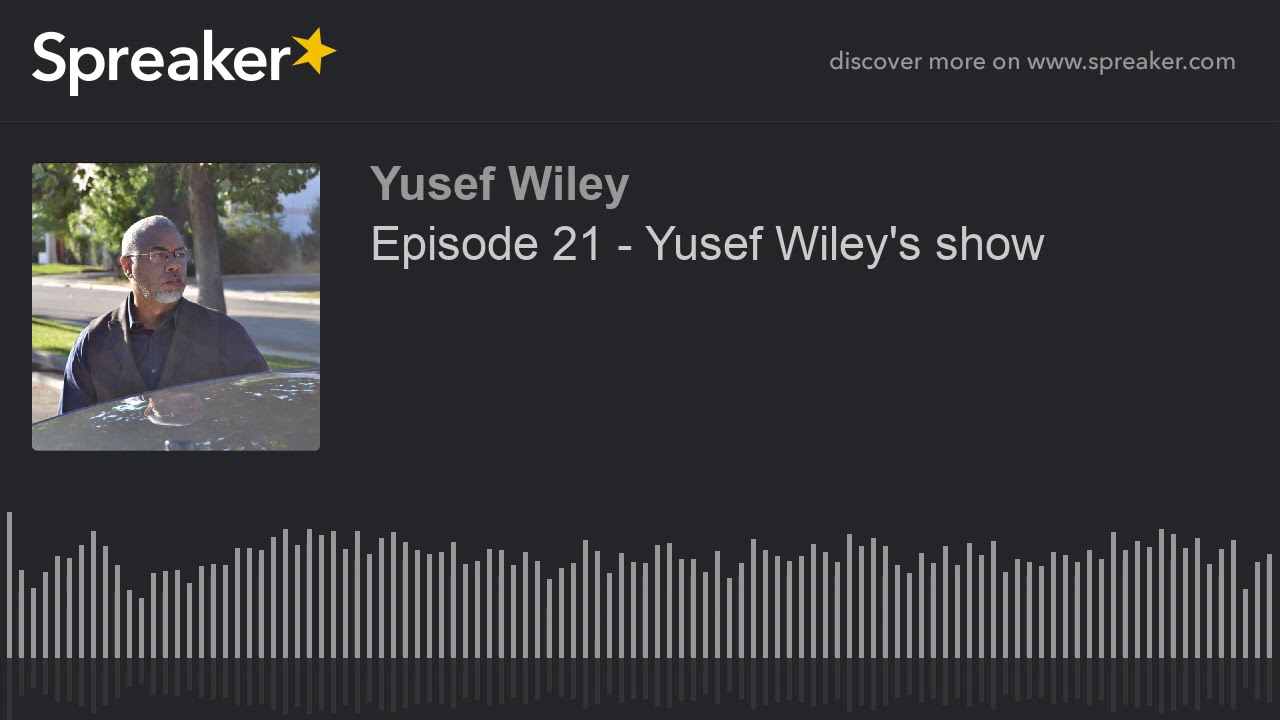
Yusef Wiley coaches a group on building an arsenal for success by combining ideas with disciplined execution. He draws from John Maxwell and Napoleon Hill to show how lacking discipline kills good ideas, then has participants share three past ideas they never completed to spark accountability.
Chapters
Alright then. Welcome, welcome, welcome. Glad to see everybody on board. How's everybody doing on this Thursday? Ah, the Mystic Thursday evening in the world of the living, trying to get somewhere in life, trying to be better than we were yesterday or 5 minutes ago, right? So, uh, The topic today is, um, going to be a little bit, a little curve, a little bit, but I think it's going to be worth our time to try to get back on track since we missed a week last week. I have a few areas that I want to share, uh, as it relates to business models and some of the natural business models that I think many of you probably would be equipped to follow through on. So I want to touch on that a little bit today. But just with— if you were to describe your day in maybe 2 words, how would you describe your day in 2 words? Get that to me. You cut out. Go ahead, Stacy. Highly favored. Highly favored. Okay. That's right. Earl? Blessed. And there was a little bit of trouble with it. A little bit too many. All right. That's right. Okay, AJ, ready and go. Ready and go. All right, Cat, what do you say? Bless Beyond. Bless Beyond, I like that. All right, and, uh, Anthony Nicks, what do you say? Fulfilling. Okay, that's what's up. And Russell, what do you say? I see a background, but I don't see Russell. I'll go. All right, go for it. Growth and understanding. Growth and understanding. All right, all right. So, um, All right, we're gonna get started here. We got a, we got a few things happening, you know. Um, like I said, I want to cover a few areas. Um, what I like to do also is give you some things to think about, um, based on what we discussed in our last, uh, leadership training. And I want to look at that and, you know, just kind of see where we're at. Because if you recall, we're talking about the 21 qualities, right, or indispensable qualities of a leader. The 21 indispensable qualities of a leader. I don't know how many of you have been able to obtain or acquire any of the material, but, uh, again, I'll just show it to you, uh, the John Maxwell piece, um, which is a very actually short book, not that thick, but it's very packed with information, valuable information. Um, so we're talking about the 21 indispensable characters or qualities of a leader. And then the other one is Think and Grow Rich, uh, which is another very important item. Uh, this book— I like to call it a textbook. As you see, it was actually designed like a textbook, uh, almost like a Bible, right? Um, Uh, but you know, The Think and Grow Rich by Napoleon Hill has been around for ages. Um, just so many of us, you know, that come from different backgrounds and lifestyles just was never exposed to it. So we're going to be looking at that again. So y'all can put y'all, put y'all mics on mute at this time, and, um, we'll kind of dig in, okay? I don't know if all of you can see the board, but I can always— I can read it off to you. Um, building your arsenal. So we're— so that's what I want you to put at the top of your paper if you are taking notes. We're talking about building your arsenal. You might find more things to put in that arsenal that I'm going to give you, but there are some key things that literally has to be in that arsenal. In order for you to succeed in life on whatever level, whether it's moving up in your organization or institution, whether it's building your own institution or business, or even building your family life. These things are critical. So we're talking about that's your highlight, that's your theme, is building your arsenal. So building your arsenal. Um, some of the key things that is needed for that arsenal in order for you to survive through the gauntlet of living life and being amongst the living is character and that trust factor that we talked about in our last meeting. We talked about the character and we talked about how it leads to to that trust factor, right? And then it also amounts to that credibility that you would gain as a result. You know, that credibility. Just imagine, you know, just think about it. It's a really thing is when you really just put your mind to it. I'm credible. Just tell yourself that, right? Just really tell yourself that. Literally tell yourself, I am credible. When you tell yourself I'm credible, you're actually incorporating some of the principles, or really the entirety, or the, the theme principle that you're going to find in this book, Think and Grow Rich, because it's all about how you think, how you think of yourself. Where do you see yourself? So just tell yourself that, you know, just tell yourself right now, I am credible, right? I am credible. Um, so credibility leads to relevant ideas because it naturally supports your ability to come up with relevant ideas because of the fact that you are credible. When you become a person that has credibility, you're naturally going to be able to produce relevant ideas. That's a very key thing. Relevant ideas is good, right? But it has to be supported by discipline. Discipline to follow through. Discipline to follow through or to carry out whatever it is you're trying to achieve, right? So you have to have that. So you can have— because after a while, even if you get through this entire arsenal that you see and you get to that point of reaching relevant ideas, right? You get to that point of reaching relevant ideas, but if there's no discipline to follow through, over time people gonna say, okay, the ideas are great, but I don't see nothing, right? I don't— I don't— what do you got? You ain't build nothing, you know. Build some labels. You ain't even build a label to go on this bottle, right? A little label. That don't take a whole lot of rocket science to create, but you ain't even did that, right? So the relevant ideas are there, but there's no discipline to follow through. So a good example of that is when you're talking and you're like, yeah man, you know, I'm about to put it down, I'm about to do the thing, right? I'm about to do the thing. And, um, you know, and you go to people, important people that can actually move your ideas forward. You, you, you approach them like, yeah man, I'm about to, you know, I'm about to build me a, uh, uh, you know, a car lot. I'm about to open up a car, used car lot, you know. Relevant idea, that might be a relevant idea, right? Might be the right time for it, everything. But you don't have a discipline to follow through because where's the business plan? Where— I don't see— what, you don't have a business plan? You don't have no documents, nothing that shows that you're trying to get to point A to point B? You see what I'm saying? So now you have relevant ideas but no discipline to follow through, and that's usually what it is. You just lack the discipline to sit down and get that pen out and start writing or typing. See, so it all stopped. You hit that roadblock. Now you at a point where, man, I got all this stuff I'm trying to do. And you— then you guess what happens? Because you haven't— you failed to realize you haven't reached the discipline to follow through. You don't realize that's the problem. Right? So guess what happens? You start blaming the system. Oh man, Trump been tripping, you know. Uh, we Black, so we can't make it. We ain't— they never did nothing for us. And you know, all this other stuff start coming up to compensate for what you failed to do yourself, actually. So you're trying to compensate the lack of getting to that next level by putting forth all of those different excuses, you know what I'm saying? I don't have internet, right? You know, Verizon is too high. You know, uh, I've been having problems with my internet. You know, it keep going out on me when I— as soon as I start doing something, right? This is the stuff we come up with. But there's no excuse to do what I just described. All right, so this is why we're talking about this arsenal in the first place. I see folks still coming in. Um, I shared a couple of things, you know, at the beginning, and I was just hoping those of you that are slowly— I'm gonna just repeat it a little bit. Um, and I was just talking about the book again. We talking about The 21 Indispensable Qualities of a Leader. I want to make sure you guys, uh, try to acquire this book, you know, try to get this book. It's going to help. Um, and again, Think and Grow Rich by Napoleon Hill. So you will find these books on Amazon Kindle, you can find audio versions and things like that, but I'm just giving you something from them, uh, little pieces, little jewels we trying to drop, right? And what, what's going to happen after this meeting tonight, I guarantee when you're done with this meeting, you're going to be thinking about all the ideas you had that you didn't complete, right? It's in the archive, right? I'm not necessarily talking about the archive, you know, out in the storage unit in the back of your house. But I'm talking about the archive of your mind, right? You just pushed it back to— it's all the way back there, you know. It's so far back, it's so much dust on it, you can hardly see, you know, what it was supposed to do, what it was supposed to— how it was supposed to move and impact community and lives and bank account and all that good stuff, right? So you got to figure out how do you get to that point of follow-through, follow-through, follow-through. You could take something that you've written down and do something with it. Give you a good example. Y'all know that I wrote a book. I have an autobiography right now. I could have talked about it. I could have been like, you know, because people been telling me forever. The last meeting we had last week, somebody said, man, you need to write a book. You need to have an autobiography.. And, uh, my partner that was in the meeting was like, hey, he actually got one already. Oh, let me— send me the link to that. And follow through, right? Don't just talk about it, follow through, you know, make it happen. And I actually wrote that book in 30 days during the month of Ramadan when I was fasting. That's when I wrote that book. I wrote it in that 30 days that I'm fasting You know, can't do no chewing and drinking. So I'mma do some writing, right? So it's times that you can pick in your life. That's one simple task that I want you guys to do, right? So for our breakout session today, this is what I want from you. And I want you to share it. And the key in breakout section— uh, sessions is listening, hearing your partner, hearing the folks that's in your group and what they're saying. And, uh, you know, being able to kind of have that person that's going to speak up for you guys, for the group, your captain, if you would, uh, when we return. Okay, so here's the assignment for the breakout session. And I don't care what time in your life when it happened, you know, you could have been 8 years old, right? Uh, 10 years old, or yesterday, or whenever you thought of it. I want to hear 3 ideas that you once had in your life that you wanted to achieve, whether it was a business idea, you know, entrepreneur idea, organization building, organization idea, or you know, just, you know, a certain skill set. Like, I wanted to be a— I give you one of mine. I used to want to be a, um, biochemist. I don't know why I wanted to be a biochemist. I think I was fascinated at, you know, formulas and different things, you know, vitamins, how they do all that, you know. It was certain things like that that intrigued me growing up. So I wanted to be like a chemist. I wanted to be some kind of chemist. Right? And I ended up biochemist, and that's what I wanted to do. That's just an idea. But also, of course, business ideas that I've had. Like, I wanted to turn a bowling alley in my neighborhood that ended up becoming a hood spot, the Sk8land USA. Some of y'all know about Sk8land on Central, you know, in the hood, right? And, um, I actually was 9 years old riding with my dad and it was closed. It was shut down. It used to be a bowling alley, and it was shut down, but it was for sale. It was a sale sign. And I told my pops— I was like 8, 9 years old— I said, we should buy that and turn it into a gym, a workout gym, you know, a sport gym, you know. But it ended up becoming the Sk8land, right? So even as a kid, I had ideas. So I want you guys to give 3 ideas to your group that you once had. But obviously, you know, you probably work for time, and so you probably didn't, uh, follow through. So, um, that's, that's the breakout group. All right, so y'all gonna have the same amount of time as the last. Uh, I don't think you need that much, but if y'all want to have a little bit of discussion, y'all can. So we're going to do 7 minutes. So we're going to do 7 minutes, y'all. Okay.
More from Yusef-Andre

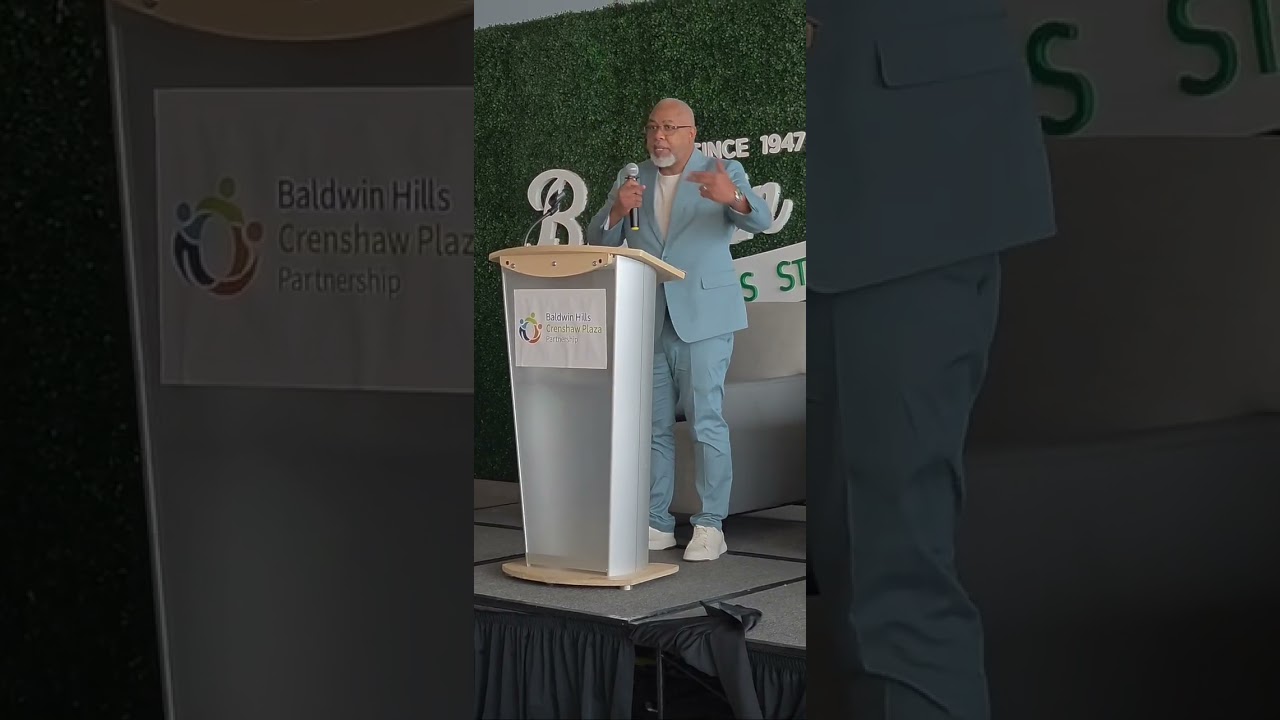
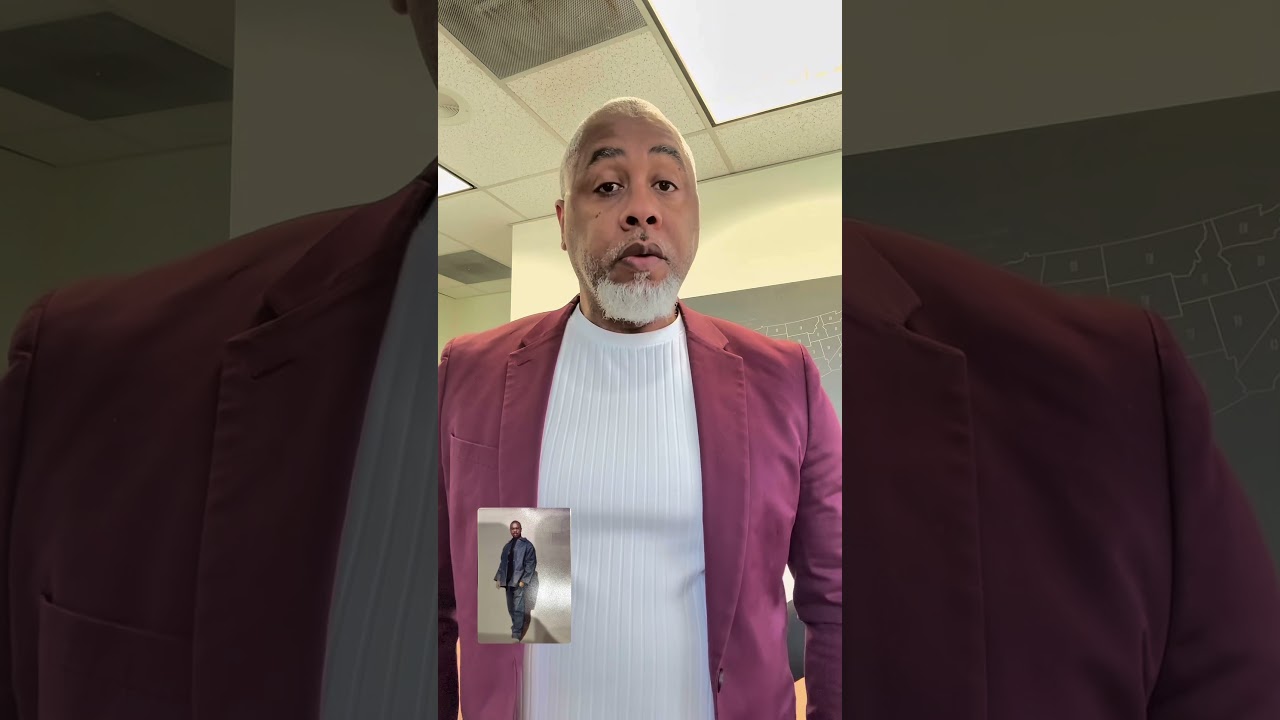


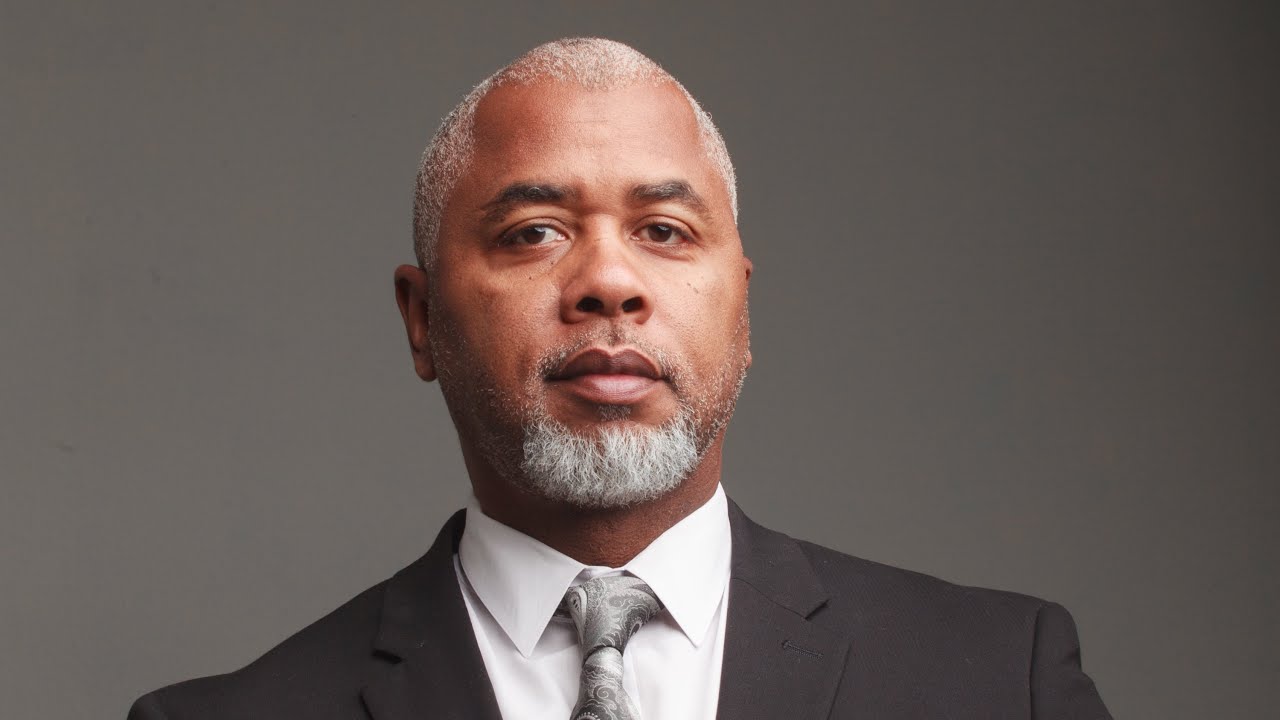
Are you a Democrat or a Republican? How do you feel about adding a third party? #democracy

Luxury Fragrance Store coming soon. Dukhan Khafif #ould #luxurylifestyle #luxuryfragrances