Faith Leaders Forum

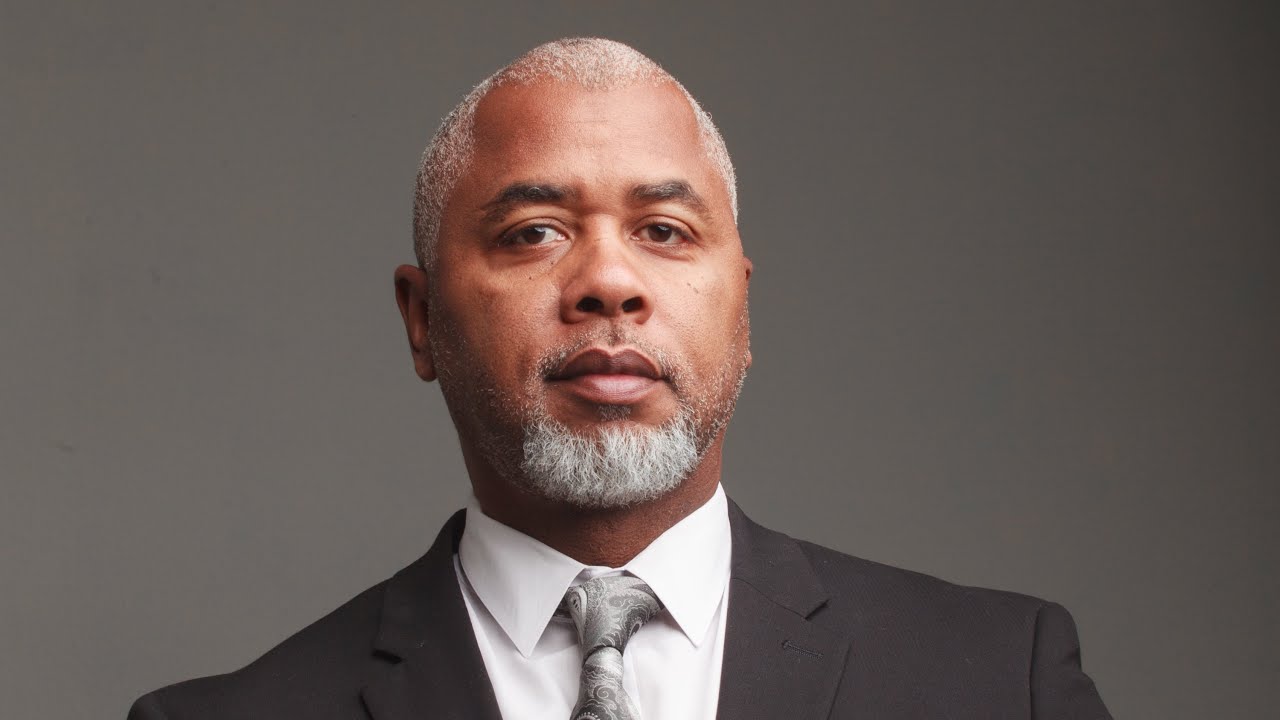
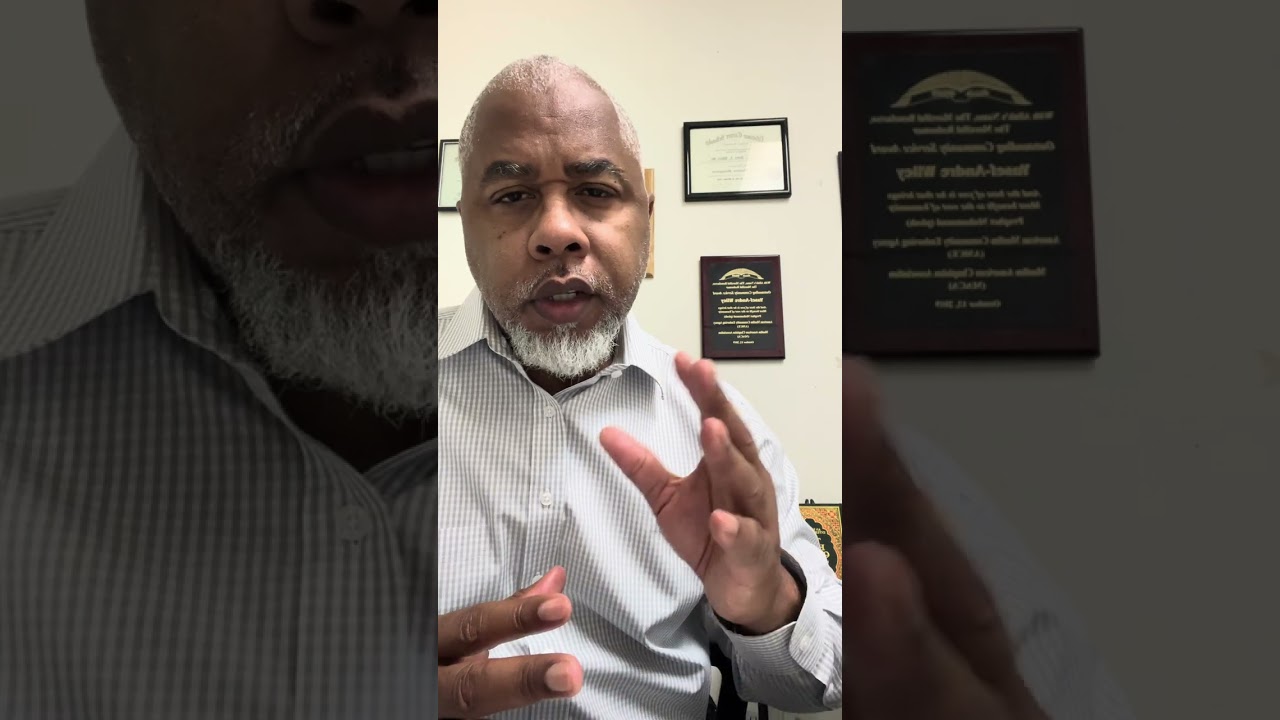
Yusef-Andre Wiley describes attending interfaith meetings that claim to be inclusive but default to Christian prayers, excluding Muslim participants. He proposes concrete fixes: start with silence instead of prayers, use readings from any tradition, and set explicit inclusion guidelines upfront. Without these changes, he argues, genuine collaboration on issues like homelessness and reentry is impossible.
Chapters
So, you know, I was invited to a meeting today, one of many meetings. I'm invited to meetings like this often, and I don't always accept these type of meetings. The type of meeting that I'm referring to is a meeting that is told to me at least that, hey, we want to invite you to a meeting. Of faith leaders that are talking about a particular subject, whether that subject is reentry, whether it's our Tay Youth, homelessness, whatever the subject may be. But what I, what I'm trying to direct your attention to in this is faith leaders. So when someone says to you faith leaders, what are you thinking about? Are you thinking in terms of my faith? Are you thinking in terms of one faith? When someone tells me faith leaders, I have to assume that they're including my faith, as I'm a Muslim. I'm a Muslim, practicing Muslim. And, you know, you have other faiths, uh, Buddhist faith, you have the Jewish faith, you have the Catholic tradition, and other, other faith groups. So when somebody invites me to something and they say faith leaders, I'm assuming that they have made diversity and inclusion a part of that recipe, uh, you know, because you're going to invite me to something that, you know, I will also feel comfortable at, as well as yourself and your colleagues. So I just think it's very interesting when I, when I find myself in these meetings, um, it's actually not, uh, a faith thing. It's a Christian faith thing maybe, or, you know, a Catholic faith thing or whatever. But whoever's leading that meeting or leading that initiative typically are inviting folks that they know. I get it. I mean, you're inviting people that are within your, uh, sphere of influence, you know, your, your network. And oftentimes your network is folks that you are related to or connected to by your faith, right? So when you invite someone like myself that's a Muslim, um, I'm not going to be very comfortable in that space because number one, when we open up the meeting in our introductions, the first things that's asked from the facilitator or the host of this meeting is, hey, let's open up in a prayer. Now we know that that prayer is not going to include the dua, or what we call dua, supplication, in which Muslims typically open up with, which for us would be Al-Fatiha in some instances, right? The opening, the opening of the Quran, the Holy Quran, our holy book. Um, and for a Christian, they have different ways that they pray and But typically, or traditionally, they end that prayer with "In Jesus' name," which is totally, for the Muslim, uh, is not, uh, the way we pray. And we're not, and shouldn't be included in that type of a prayer. Um, so again, to my point around faith leaders being called to something in which we all can agree there is a need that faith leaders come together, unite around the issues of homelessness and, uh, serving our TAY population, our transitional age youth population, and our reentry populations, and so forth and so on. Um, but you're not going to get good results with diversity an inclusion if these type of parameters are not laid out from the onset. Now granted, I, I, I take full responsibility for my, my fault in not pointing these things out before I even decided to attend a meeting like this. I should have, I should have told the organizers, I should have told those that are leading this effort, the host or whoever that, hey man, you know, um, these are some of the parameters that I would be willing to participate in. If these parameters are there, then of course I would be more than happy and willing and excited to participate in a faith leader, uh, forum that are going to be addressing these particular topics that are so, so important to our community. And it literally, um, aligns with the work that we're doing in the community. So I'm just— I'm speaking to you today, you know, this is Yusef-Andre Wiley coming at you. Um, you know, I haven't been talking much at— to you in this podcast format, but today I just— I was compelled, uh, you know, and oftentimes I will be compelled by some occurrence or events to come to you and speak, you know. And I hope that you're listening, and I hope that what I'm saying, you know, speaks to you and your circle of influence. And I hope that it creates new dialogue, and dialogue that is wholesome and that's beneficial to the overall objective, which I believe is serving those populations in unity with our faith groups and faith leadership. I truly hope that it does present a springboard for us to speak about this topic, how often we have to look at— and for me, I literally have to look at the true motivation. Um, you know, maybe it's ignorance, I don't know, or just, you know, maybe it's evangelical. You just, you want to evangelize someone like me, or maybe, I mean, in, in the case if the turn, if the tables were turned and I was hosting something like this with faith leaders, you know, maybe it would be a predominantly presence of Muslims there and a few Christians feeling uncomfortable. But I doubt it. I mean, just because I've done these forums before and I understand and I respect other faith groups and I know And I give you an example how I would open up a forum like this where I know that we're trying to promote and create a safe space for all faith leaders. I would, instead of saying, let's open up with a fatiha, as a Muslim would typically do, I would say, let's all take a moment of prayer in accordance with our own tradition. And I would tell them to take that moment in silence so that they can do their opening prayer to themselves, to themselves, so that there's no disrespect, so that there is consideration that we are from different faith groups. Because my faith may not be one that says, "Let's pray for everyone." in one unison, one voice, nor in many other traditions is that allowed for one to pray over other people of other traditions. So I'm just— the safest way to open up a forum like this, in my opinion, would obviously be— and it may not be obvious, but, you know, it would be to open up with moment of silence, which, you know, would give that time for folks to pray based on their own tradition, number one. So, and then if there's a reading perhaps that someone may want to read from their tradition, maybe it's a Bible verse or something like that, then that should be open to any tradition or any faith that's in the room to open up with that if they want to share Maybe it's a relevant content to the subject at hand of service. Maybe it's a verse or scripture from the Bible as it relates to service, which should also be open to a Muslim that's opening up the Holy Quran, that is reading a chapter from Quran or a verse or section that's relative to the subject at hand. And then we see a warming up of, of being in the same shared space, different faith leaders able to come together, able to be in one accord. And now let's talk about the subject and the real issue of serving our transitional age youth and our homeless folks and reentry population. And, and this is how I think things should go. And if leaders are not doing that, then they're in the wrong space. I, I mean, this is my opinion. I just think that maybe either they need to be trained and adopt a practice that is conducive to the whole, uh, uh, idea of diversity and inclusion, inclusion, um, as it relates to faith, when we're talking about faith leadership or faith leaders coming together, or just be— or, or be silent, or, you know, you shouldn't be in those spaces leading. And, and that's just my take on it, and I appreciate Um, y'all listening to me today, this is Yusef-Andre Wiley coming at you.
More from Yusef-Andre


Are you a Democrat or a Republican? How do you feel about adding a third party? #democracy
Luxury Fragrance Store coming soon. Dukhan Khafif #ould #luxurylifestyle #luxuryfragrances