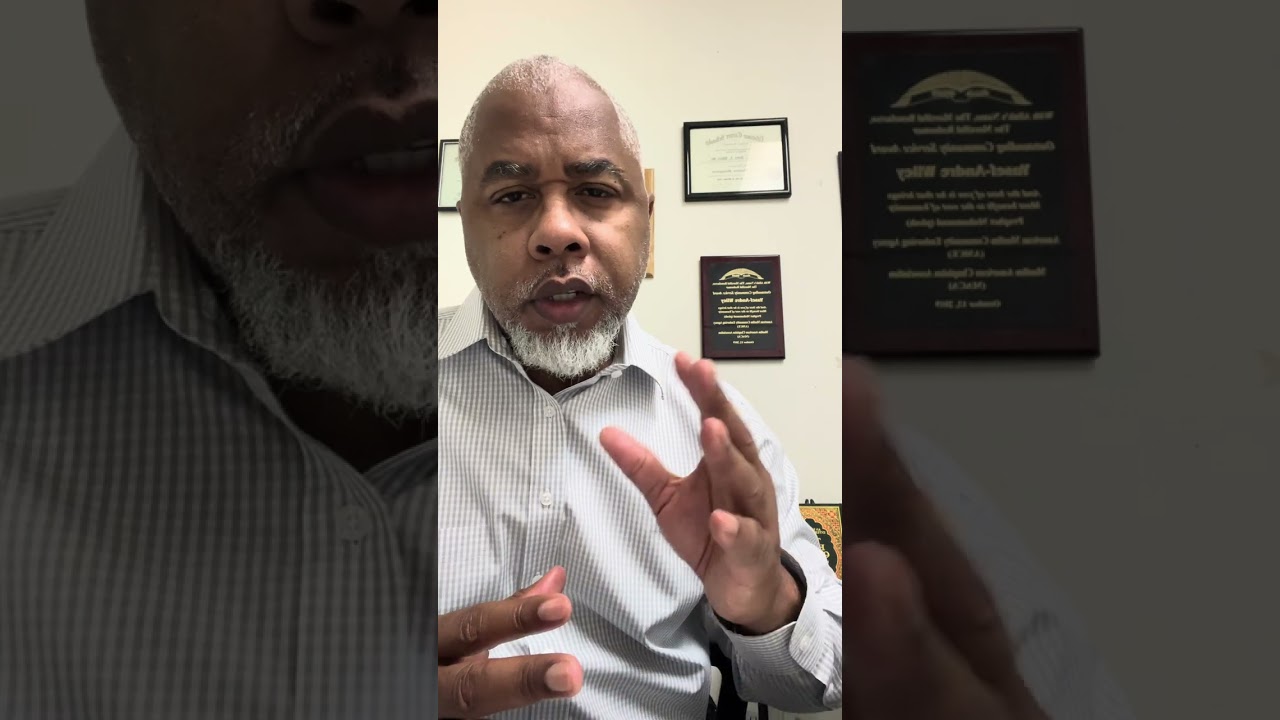
In this solo monologue, Andre Wiley (also known as Dre Dogg, Buck, Buckwild) recounts his teenage years in 1980s South Central Los Angeles, detailing how a single act—drawing a weapon on a neighborhood lifeguard—marked an irreversible turn toward criminal activity. He explains how he adopted the nickname “Buck” from a jacket, using it as a mask for his emerging street identity. Wiley describes the role of car ownership in escalating gang involvement, the arcade as a gang hangout, and the shift from melee weapons to pervasive gunplay and drive‑by shootings. He critiques the militarized policing and the Reagan‑era war on drugs that treated Black neighborhoods as combat zones. Wiley reflects on the paradoxical honor bestowed upon youth who spent time in juvenile detention, noting community celebrations of his return (“Back on the Block”) rather than encouragement toward rehabilitation, education, or employment. He mentions missed opportunities such as Job Corps and military recruitment, his early marriage at 18, and hints at future discussion of his attempts to change his life. The narrative serves as a personal case study of systemic failures, cultural glorification of gang status, and the challenges of breaking the cycle of violence.
Chapters
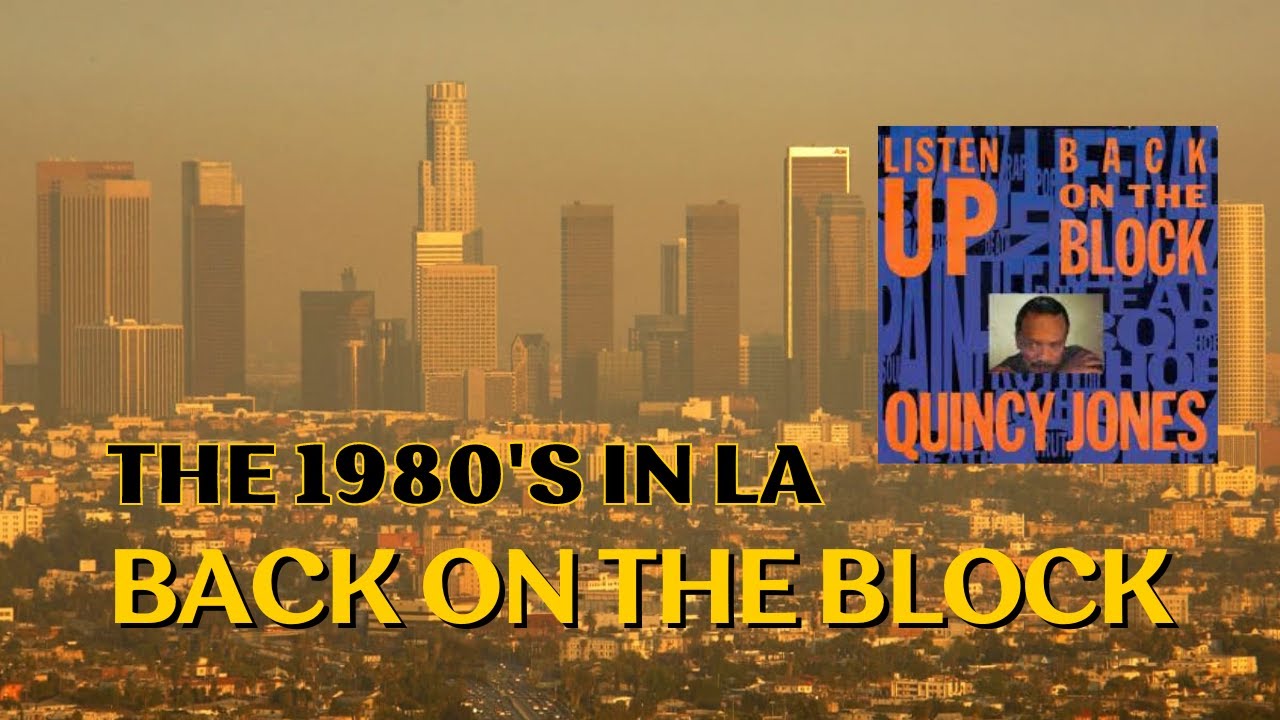
Hey folks, welcome to episode 6, Unleashing the Best from the Worst. Um, I changed locations in my house. I'm, I'm normally in the front room. Today I'm actually in the, um, our family room or den. So talk to y'all a little bit about this journey that we're on. I hope that you've been enjoying the previous videos about this process of life, this process of trial and error and struggle and youth violence and development. And I mean, all of that stuff, you know, pay attention, really pay attention to, um, the content, the things that I'm sharing with you. This journey, as I've said before, is a journey that many people, uh, will and have experienced. And as an adult, you know, you realize these things because, you know, hey, you have a whole life to look back and say, what could I have done different? Okay, so coming in contact with law enforcement, realizing that you're involved in a lifestyle of criminal activity, criminal behavior, that it's going to lead you to a very bad place— jail, juvenile hall, juvenile detention— and it's going to happen. It's literally going to happen. And for myself, after drawing a weapon on the lifeguard at my park, neighborhood park, um, the click inside of the brain realizes it. It is this interesting thing that happens when you cross that line, when you realize that you've done something that literally can't be taken back. It's not the same as, um, snatching a toy from your sibling and, you know, slapping your sibling across the face and pouring his cereal bowl out. And, you know, adolescent behavior that comes with growing up and be— being a teenager. It's nothing like that. The feeling is totally nothing like that. Um, this feeling of, okay, I messed up, what do I do now? It's not about what do I do now, it's like, how do I adapt to this change that I'm going through in life that's going to put me in a different environment, that's going to put me among a different group of individuals? That are also caught up in life's, um, trials, life's errors and mistakes. You're there. Years too late, you're there. Um, what do you do? For me, the, the life continued on, you know. Young Andre Wiley Now I'm going by nicknames: Dre Dogg, Buck. Buck was like a code name, you know. It came from, uh, it was a jacket in my house and I don't know who it belonged to. It was a, it was like a basketball, uh, sweat jacket, and on the back of it it had Buck. And I looked at it, I didn't know who it belonged to. It probably one of my sister's boyfriends or something like that, I don't know., and I start wearing this jacket, and I just took on the name Buck just based on, uh, this, this, uh, jacket that I started wearing around the neighborhood. And I was like, hmm, I kind of took it as I can hide, I can hide Andre Wiley, I can hide, um, the person that I've become. I can hide behind this new code name that these family members and friends to the family, people like that, would know. People would know that name. So I accepted it, you know, when people started referring to me and saying, hey, Buck. Um, then they added Wiley to the back of that name. They started calling me Buck Wiley. Then it became Buck Wow. Buckwild. I was called Buckwild. Uh, that's Buckwild because I was a— I was wild. I did crazy things as a youth and didn't serve a lot of time for pulling the weapon on the lifeguard. I was back released to the custody of my parents, and I think they may have slapped probation or something like that on me because it was my first offense. But as life continued, now that I'm able to operate a vehicle, I got my driving permit and I'm getting older, I'm driving around the neighborhood. Now I'm starting to get into more and more trouble because I have a car. Back in those days, in the '80s of South Central Los Angeles, you know, if you had a car and you were a gang member Many times those, those cars were known to be involved in gang activity, whether it was drive-by shootings, whether it was, uh, uh, melees, big brawls that happening inside shopping malls and the arcades. You know, arcades were big back in the '80s. People still went to arcades. You know, we had video games, you know, we had Atari and Nintendo was just starting to come out, but we had a game called Atari, um, but that wasn't that big. It was— people were still going to arcades, um, and that's where a lot of gang members found themselves just to hang out. It became like a hangout for gangs in South Central. So any of the arcades, you know, was potentially a place where gang members would either encounter each other, rival gang members, and they would end up in a big fight. Um, and the fights led to eventually weapons. And the type of weapons initially were baseball bats and pipes and crowbars and knives. Knives. And later, you know, the gunplay came. You know, the gunplay came. Especially when we get more to the mid-'80s, later '80s, '85, '86. Gunplay became a little bit more rampant and it got really bad. And that's when you begin to see in the news in the '80s, drive-by shooting, this, this coined phrase, drive-by shootings. Um, and it was, it, it coincided with the fact that, you know, many of us were driving now. We had cars. We were— whether we were driving those cars legally or illegal, we called them G-Rides. We called them— many of the cars were called G-Rides because they were stolen. Uh, Grand Theft Auto, G-Ride, right? And we, we, we would, you know, we would steal cars and commit crimes, which they still do today. You still seeing that today. And it became a big problem. And the war on gangs, the war on drugs that was launched during the Reagan administration, um, and then later into the Bush era, um, many of the things that were happening, um, things were beginning to happen in the, uh Middle East as well. And you would see military-style law enforcement in the community, in working as law enforcement officers, working for the sheriff's department. Many of the recruits, the recruits during those time were people that was either, um, ex-military coming out of these valleys that didn't know us. The people that, uh, wore the uniform didn't know who we were, so they— it was almost like they were coming to combat. It was— they were coming into a Black community, Black and brown communities, for combat. And it was really wild. The, the days of, you know, gangs and gang activity, the Crips and the Bloods of the '80s was a really, uh, crazy time. Eventually, as a youth, um, when I was closer to 16, 17, 18 years old, I landed back in juvenile, uh, detention. And this time I stayed longer. I stayed for almost a year in juvenile detention before I was released. And in those times, what was sad was that you— that was a badge of honor. You go to juvenile hall, it was a badge of honor. When you came home, people looked at you differently. You got a few more stripes on your sleeve, as though you, you just left the Gulf War or something like that. That's how we were treated. We were treated like heroes when we got out of juvenile detention, juvenile camps, YA, uh, Youth Authority, these different juvenile detention facilities. The community treated us like heroes, like we were these big shots that are now back on the streets And I'll never forget, for me, when I was released from juvenile, the song Quincy Jones had, a song called Back on the Block. Y'all remember that? You know, you older people, I'm sure, remember. Go, go look it up, you know, Google it or go on YouTube and search up Quincy Jones, Black, Back on the Block. Very popular song back then, and I would go into parties and go into people's homes, and that song would be playing, Back on the Block. And they celebrated me. They didn't celebrate any change in me. They celebrated the fact that I was back on the block, and maybe I'm going to be just that more notorious, that more crazy, because I served a little bit of time inside of juvenile detention facility. This is the mindset of community that associated with the street and gang culture. This is the mentality. So how does that help a young teenager that really needs to find rehabilitation and change? How does that help this person when myself, Dre Dog, Buck returns to the community and he's celebrated. He's not talked to in a way that, you know, hey man, you need to get a job, maybe a career. Hey, there's something going on, maybe Job Corps. You know, these things were existed then. You know, you had the Job Corps was a big deal, and you know, people were being recruited in the military. Um, I, I recall having one, uh, situation where a recruiter came to my parents' home to try to recruit me, and I told him, hey, I just got out of jail and I wasn't really interested in all of that. And he said, well, you're a juvenile, maybe we can get your, your record sealed once you turn 18. So they were really on me trying to get me, and this was again during the time of the Persian Gulf War. Had began to happen. I think it was like '90 or '91 when that war started, or '89. It probably began, you know, some of the buildup in '89, '88, '89, um, around that time period. Um, and that would have been the time I would have been actually in the military if I had to join. Um, so, but my mindset was I was treated as a hero. And that me being a gang member has been reinforced, not just by my fellow gang comrades, but by community members that associate gang members with tough guys, with guys that had status, with guys that were hip, that were— that, that had money, that was hustlers, that had fun, that had nice parties, great parties, that drove nice and fancy cars, that the girls flocked to, that liked and had the connections to get things— drugs, guns, you name it. This is, this is what was being formed, and this is the culture that was being developed in the '80s, in the late mid-'80s, that did not discourage gang activity, that did not discourage gangbanging, that did not encourage people like me to go back to school, get a college education, get a degree, do something with yourself, change your life. Be better, do better. It just wasn't happening. Though I got married at the age of 18 after being released from juvenile, I, I, I was married at the age of 18 with, you know, uh, teenage love of my life at the time, uh, Andrea, um, that I could save that for the next, uh, video. But you know, I'm turning 18. I turned 18, got married. But has this been worked on in the way that it should? Have I been working to get this together? Let's talk about that in the next episode. Peace. If you haven't subscribed Please subscribe. Follow the journey, unleashing the best from the worst. One love.