The Best Time is Now!

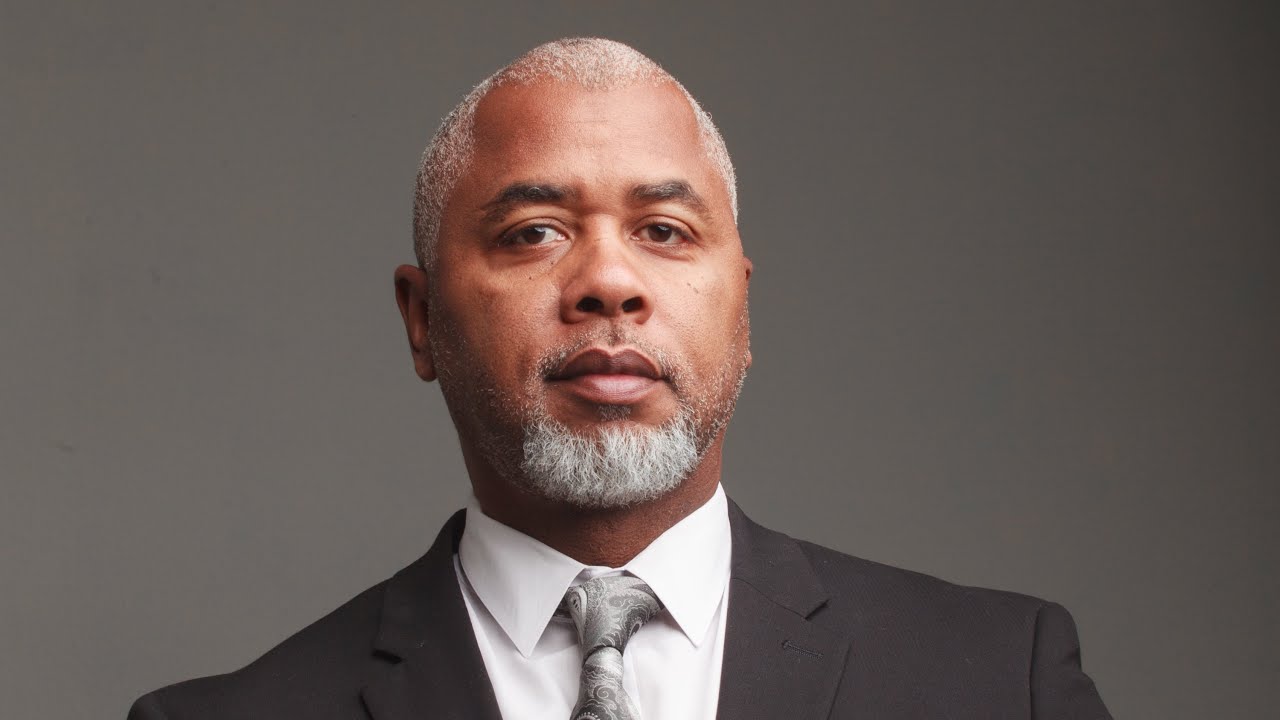
Yusef‑Andre Wiley and Cortez Chandler, both formerly incarcerated, discuss building wealth outside traditional jobs through fractional stocks, bonds, and e‑commerce. They address why many African‑Americans hesitate to invest, warn against crypto and Forex scams, and stress starting now with free resources and mentorship.
Chapters
Let's record this. Yeah, so, um, you know, like what you said, man, you know, uh, passive income, um, you know, I'ma just speak right here. Us African-American folks, we, we're, we're a little afraid. We're afraid of, uh, anything that is not coming from directly from a 9 to 5, you know. It's like, it's almost like the two extremes, right? So those of us that don't work, we don't have a problem, you know, committing crimes. I did it as a youth, you know. We go out, we want money, but it's either Imma go out and sell drugs or do something illegal to make money, or I'm gonna get a job working on a 9-to-5. You know, it's like, it's interesting, but what about these other opportunities like business investment, um, opportunities? What about, uh, you know, stock— the stock market? Now, one of the reasons we already know why our people, Black people in particular, don't go after this type of wealth or income is because it's intimidating, or we didn't learn it growing up in school. Think about it, you know, we, we wasn't taught how to work in the stock exchange. That was so far removed from our pursuit of knowledge that it's like— and then the folks that raised us, you know, our people unfortunately wasn't taught these things either. So When today, as full-grown adults, when somebody come to us and say, hey, invest in the stock market, you know, get involved, open up an E-Trade account or TD Ameritrade or Acorn or Stash or any of this stuff, we get intimidated by that. We're afraid. We don't want to. It's like gambling almost. It's like, um, and even with gambling, think about that. We'll go to Las Vegas and we'll put money and change in a machine and pull the slot machine down. But somebody will come to you with an opportunity and say, look, man, take this $100, take this $200, and invest it here. And, and I'm gonna show you, and I'm gonna teach you, and I'm gonna train you how to do it. And we afraid. We're afraid. What you think about that?
Right.
No, that's interesting stuff, man.
It's, it's— I always say We never were educated on it, you know. And we knew how to do personal finance, we knew how to add our bills up, and we knew how to take care of our families. But when it comes to passive incomes, it's something that we can't see, you know. And it's like, they want to believe, but I can't see it. I hear about it on and watch it on CNN, I see what's going on in the trade, but I can't believe in it because I've never been taught that kind of wealth. I've never been taught, I've never been educated in that form. So to do that, I mean, now it's different. I can see certain things, I can feel certain things, but I'm like, and I'm still hesitant. So like, a lot of times, like my dad, he— one thing he did invest in because he worked for the military was, uh, bonds. Every check he'd get, you know, it'd be $35 taken out of his check for a $50 bond, you know. And down the line, it cashed in, you know. But that's down the line. People right now in this immediate lifestyle We want it now, you know? We want it right now.
We can't wait. We can't wait. That's a good point, man. You know, we don't wanna wait for it, right? 'Cause you know, investing takes patience. It requires discipline and it requires patience, but we need it, man. We need this stuff. We can't, as people in general, and then not just African Americans, people in general that work 9 to 5s, we can't totally rely on a 401. So when we retire, we could have this 401. We can't just totally rely on that, folks. Um, we have to look at other ways to have multiple streams of revenue. Multiple streams of revenue. Be encouraged, literally be encouraged, because there is a lot of opportunities out there to have multiple streams of income. And for whatever reason we haven't decided right now today to do it, I'm telling you, do it today. I'm encouraging you as Yusef-Andre Wiley, as Cortez Chandler, talking to you today on this Monday, get out there and try it. Now, in most of this situation, Cortez, you know, they have ways now where they train you. You know, most of these platforms have like trainings and instruction on how to even use like the app. Like, for example, with whether it's Acorn Stash. If you just want to get started with something small, they actually teach you. You can go on YouTube and find everything now too, right? Just go on YouTube and, and find out how to use Stash, find out how to use Acorn, right? And all of these different things, and, and just start there. And even if it's $5 here, $10 there, and you— and, and And just so people can understand that it's never done this before, I'll give you examples. Uh, stock— one stock can cost you anywhere upwards, like good stock, that good stock like Apple stock, Microsoft, Netflix, Amazon, those good stock that we know, companies that are not going anywhere. They may run you anywhere from $300 to— now some of them are as high as $3,400, $4,000 for Amazon stock. I don't know exactly what it is now, but Obviously you're not going to buy a share of Amazon if you're just getting started, but with these new, uh, apps like Stash and Acorn— well, not necessarily Acorn, but like Stash or Robinhood— you can buy a portion. You can, you can use— take your $5 here and there that you could spend on a cup of coffee at Starbucks and take that $5, $10 and, and, and trade on those platforms, and, and it works. I mean, you literally see, um, the income, you know, the, the trading of those small portions, uh, benefit from that. So I just tell folks, until they learn more and more about it, um, try small. Just start off small, and you'll be surprised what you come up with. So we're talking about passive income, you know, to I mean, to time— the time is now to get and find different ways. Another is e-commerce, um, you know, like through Shopify. Open up a Shopify account. These things can be intimidating, they can be like hard. If you're not really good on using a computer or getting on a laptop, then that may not necessarily be for you. But I suggest if you have the time, if maybe you're out of work, maybe you're a stay-at-home mom, or stay-at-home dad and you have the time, you know, um, learn how to use Shopify. Open up an account on Shopify, get a— pay for the minimal, uh, account, uh, $29 or something like that, and learn how to use that. And again, here's a platform that's pretty much teaching you everything. It's teaching you how to use Oberlo and, you know, all of these different, uh, apps that you connect to Shopify, which allows you to ship you know, products. This is dropshipping. As they— you probably heard the term dropshipping. That's, you know, I've got involved with it, uh, about a year ago, or during COVID when COVID first hit. And it's paying off right now. It's actually paying off right now. So I'm telling you, these are things that I suggest you jump in there and take a shot at it. Take a shot at it. It's worth it. Um, multiple streams of income is absolutely necessary, necessary in our time. And if you're not doing it already, it's not too late. Please try, try it out.
So basically what you're telling our listeners, invest into yourself, you know, take that chance to invest in yourself, man.
Look, you're not just investing in yourself, you're investing in your family, right? Yes. Shoot, you know, you got miles to feed. You know, we started saying I got to feed, you know, about that, you know, um, Total— what was that, Total Recall back in the day, the old one, when the old boy kept saying I got miles to feed. I got— he kept changing how many number of kids he had, right?
Yeah, he went from 3 to 7, right?
He went from like 3 to 7. And, you know, I mean, honestly, um, we do— we have, we have things to do, we have things we want to achieve. We want to be homeowners. We want to be, um, you know, we want to be able to take vacations. We want to be able to, uh, even if we're working a 9-to-5, in some instances we want to be able to at some point retire young and tell our employer, hey, look, you know, um, it was nice working for you, but I'm, I'm moving on to do something for myself. You know, nice knowing you, I appreciate the opportunity, but I'm going to start something here. So, you know, I like helping people, uh, become independent. You know, that, that's very important, but it requires a lot. It requires discipline. It requires— I always talk about discipline because that's one of the key things. If you don't have discipline, you know, that's where we start. Now let me teach you discipline. You know, let me show you how to become more disciplined. That's very important. And I wish we could start with our youth, start with our young people that's, you know, still in school and, and, and middle school age to high school and then college, right? You know, the discipline comes first with this business. Um, if you go into any one of those things that I mentioned, whether it's e-commerce, whether it's, um, you know, the stock market, uh, even the cryptocurrency— I'm not totally convinced on it, even though, even though it's a good platform and I use it to a certain extent. I'm not all the way sold on it, but I do like the, the, in theory, you know, the, the unregulated, you know, that all of that good stuff. We already know people don't like to be monitored and regulated. So I mean, the philosophy is there and it's great. Um, there's people making money. I make money using cryptocurrency, but I'm not totally sold. I wouldn't invest in the same way I invest through normal stock trades, whether TD Ameritrade Merrill Lynch or Merrill Edge, um, uh, I said TD Ameritrade, um, E-Trade, those bigger, um, places like that, um, that are insured, um, and, you know, go for it right there. Um, and I also tell folks, if they not— if they don't want to have open up like a— because we talk about stocks, right? Buying stocks. If you're not good at it, if you don't think you'll be good at it, then I always suggest a managed portfolio. So most major banks, even smaller banks, you can go tell them, hey, I want to open up, you know, uh, you know, I want to start trading and I want to open up a— not a self-directed account, but a managed portfolio. And now it's easier to get in. I think some banks allow you in with $1,000 deposit. It used to be like $5,000. I think maybe, um, Charles Schwab was about that much. So if you don't want to be the one constantly handling that business of trying to figure out which stocks, you know, I want to buy and all this stuff, mutual funds or what have you, then go for the managed portfolio. Uh, go for it. And, and that should be Uh, get you at least where you have, again, not just a savings account. What is a savings account doing for you? Nothing, hardly nothing. Um, if you're able to save money, then you should be able to trade, you should be able to invest in the stock market. So that's where it's at, that for me, you know, and I'm just speaking from a basic level at it, and I'm doing it and I have been doing it and it's paying off well for me. And so I think it's important that we understand that and not be afraid, not be afraid to go out there and try it.
I, I had that fear, especially when I first started doing it. But I look at, uh, I started with Cash App, you know how you can make investments on—
oh yeah, yeah, Cash App.
I did Cash App just to learn how to, how to do it. So when I started looking at and I've seen the trail and the, the time and the effort that they put into it and it gives you a lot of data. So that's one thing I always— I'm, I'm strong on that, trying to figure out what's going on. So I use Cash App just as a starting point. And so I don't know what would be the best thing for our listeners to do, go that way. Which way would you recommend for— because I know you talked about Stash and you talked about a few other apps.
Yeah, well, first of all, you know, the first thing is to know, number one, where you want to start, like as far as how much money are you willing to put to aside, put to the side, whether it's once a week, once a month. Um, and then you figure out, yeah, you know what, I'm willing to put up $50 or $100 a month on, on a stock app like that, like Robinhood. I would say Robinhood, you know, Robinhood is a good place to start. You know, or Stash, either one of those two, and set up your account with, with those, those. And, um, and if you're able to give up, you know, like I said, $50, $100 a week or a month, or it could be $10 a week, you know, uh, then start there and see how your money grow. It's going to give you suggestions, it's going to show you top movers, meaning what, what's doing good out there on exchange, what's looking good, and you know what to buy. And then it's good to do research on companies, like figure out more about the companies that you're investing in. Like, is it worth it? Um, like Walmart or Target, you know, these companies that's been here, gonna be here, doing well. Uh, looking at how they're structured as companies and if they're growing. Um, you know, I know Tesla got into some issues recently, but, um, for a long— for a little while now, it's been a good, uh, company to, to invest in, and, and people have gotten nice dividends as a, as a result of that. And, um, you know, all companies don't necessarily pay a dividend, but you just have to look into that as well. It's just how you trade and sell, buy and sell. I'm looking at that that aspect of the stock market. And yeah, just start there at least, 'cause that's basic, that's real basic. And it's not that hard. And I'm helping folks all the time with that. You know, I'm actually, I told my family, you know, we was hanging out at my mom's and pop's house for my dad. I think it was right after, no, right before my dad passed away actually. We were all over there and I was saying, you know, I should do a family thing, you know, just have all the family come by and I just teach them all how to use it. And, you know, a few of them down with it, but, you know, people had a feel-good moments and they feeling good right now to talk about it and do it. But then, you know, a few days go by, if you don't follow up, you know, they lose interest and they don't want to do it. But it's really prevalent. Especially amongst our people, amongst African Americans, where things like this are, are really, you know, hard for them to really get into. Um, our people have been abused and misused and treated, marginalized so much, it just makes it hard for us to trust folks or to trust things or new ideas. And, you know, we have an issue with trust. Trust is big with us. And if we don't trust something, we're not gonna, we're not gonna do it. All right, I'm not gonna do it.
So, so how do you feel about—
I would—
you said trades. What do you feel about stocks? You know, I mean bonds. Excuse me, bonds. What do you feel about bonds? It's a slower pace, but it's a little slower pace, and I haven't really—
I haven't really got into that one myself that much. But what's been said about it, you know, from what I know and what I understand, is that when you get closer to that retirement, you know, like I had said before, and it's like, you know what, I'm ready to kind of— this is something that you know you're not going to touch for a while, you know. And once you get older and you can go back and, and grab hold of those things, that's something that you want to consider, you know, those bonds. Um, and I would suggest whoever, uh, is assigned to you as an agent, like if you go through your bank or if you go through financial institution that's helping you with your portfolio to actually ask, you know, about the bonds and how you can set aside some bonds specifically for retirement, you know, similar how you would use an IRA. And yeah, just start there. But definitely that's something that you want to look at for long term. Definitely long term, you know.
So would you say if somebody was younger and they started, uh, like started bonds, started getting bonds— like my dad, he started the military, he was in the military. Yeah, he started, I think it was at that time, like I said, $35. I think he actually got a $100 bond for $35. But right, I think it's 10 years and they get higher as they, you know, you go in the years.
Yeah, that's why— yeah, if you— that's something you definitely want to go into and you have plans long term for it and just sitting on it. But it goes back to discipline again. A lot of people don't have discipline. And, you know, what I say about that is, I— it's all about setting yourself up for success. It's all about setting yourself up for success. So one of the strategies that I, that I often share with folks, and I'm just scratching the surface right now because, you know, you can't cover all this in a podcast, But what I would say is, um, start by first of all setting aside your bills. You know, have your bills set aside, have your, your monies that, that you pay your bills with. Look a little bit at your leisure, a little money that you can put to the side for leisure. Put a little money aside that you're going to save. Now the money that you plan to save split that in half. When you first start, split that money in half that you're gonna save and go towards the stocks, buying stocks, right? Investing, right? Put— whether it's invested in the stock market, whether it's whatever kind of investing you're planning to do, set aside that. Eventually you're going to realize, you're going to say, man, wait a minute, why am I just splitting my savings in half? When all I'm doing is dipping that, that savings account money just sitting there and I'm looking at it and I can go pull it whenever I feel like it. Ain't no restrictions. Whereas when you take that money and, and put it in an investment account, it's going to look a little different. It's going to grow. It may be some fluctuation here and there, but for the most part, if you do a good job, you know, or you got help You're gonna, you're gonna, it's gonna pay off, and you're not gonna want a whole lot of money in those savings account. You're not even going to open, want to open up a savings account. It's okay to have money in a savings account, don't get me wrong, but I'm saying that why not let your money grow? Why not let your money grow?
You know, here's something that our listeners have brought up, okay? What about the taxes? Like, you know, when you got that kind of money, you invest in it do you get taxed for that money?
Yes, when you pull it— when you pull the money out, yes. What happens is at the end of every tax year, they send you a statement, they send you tax documents, and, um, and those tax documents should be handed over to your CPA, whoever, uh, file your taxes for you, or if you do it yourself, then you would upload it to TurboTax or whatever, um, or H&R Block, whoever you use, and it will calculate that money that you drew off of those investment accounts. Because I know that's— people are going to think about that. So that's why it's good to sit on it, sit on your money at least a year sometime. You know, if you're just pulling out a little bit here and there, no problem, but the bulk of your money, you want to sit on it for some years, or at least that full year before you start nipping on it, right? And, um, and just after that year, and then you want to pull a little out or put more in, you know, it helps. It literally helps. It actually makes sure when you actually file your taxes, you know, if you have— depending on what kind of account you have set up, you can actually get, uh, you can probably get some, um, uh, some breaks, some tax breaks.
So yeah, that's, that's one thing I'm looking at is tax breaks because they may get theirs, but you know, I like to keep a little mine too, especially money that's already been taxed and now I'm investing it into something, I don't want to just pull it out. So a lot of times people are like, oh, I made $400, let me pull this out. You know, I made $1,000, let me pull it out. No, we can't have that. That's why I said you got to have— know the times and the moments to do that. You feel what I'm saying? I mean, I don't know. Is that—
you got me? You still hear me, right? Yeah, I still— okay, so yeah, so just basically, you know, the thing is, man, Um, just, you can't give up, man. You just, you got to keep it, you got to keep it going. And, and, you know, how to discipline, how to restrain to maintain it. And don't worry about, you know, if it's growing or not growing. If you keep looking at it and you worried about pulling it, then, you know, you don't need to be looking at it too often, right? But if you got the discipline where you can look at it daily and, and keep track and watch Bloomberg News, read your Motley Fool, uh, journals and all that stuff, and, and be okay and not constantly want to pull it because you worry because you've seen a dip, then you fine. You know, me personally, I'm able to look at it, I'm able to look at it daily, you know, and not be impacted or affected by that. But it also, you know, depends on You know, your, the way you've been developed as a person, that as an investor, how, how, who's mentoring you? Who's talking to you? Who's helping you to develop this sense of, uh, of discipline? Who's helping you develop this patience and this way to view the world, this way to look at multiple streams of income, to look at passive, how, who's developing you, who's coaching you and training you, um, to do that. Because if you're doing it on your own just based on seeing an ad or somebody, you know, on Facebook telling you, oh man, I'm investing, and they flashing money and all that, and you decide to go and get involved in investing, then it's not for you because you're going to make mistakes. You're going to make terrible mistakes, and you're going to be wondering like, what did I do wrong? But you need to be around folks that are doing it, that are in it, that's getting results positive out of it and know what they're doing. So, um, that way you don't find yourself, you know, stressed out and like, man, why did I do this? And, you know, Yusef-Andre Wiley, I'm tripping talking about I need to invest, and, you know, I've lost this money. No, don't blame Yusef.
Yeah, you're using Instagram for your—
yeah, yeah, stay off of Instagram and Facebook trying to figure out how to, come up, right? Because that's, you know, that rabbit hole.
So yeah, I get them, uh, Bitcoins all the time. They're— everybody's trying to get on my— hey, I got a private message for you, it's about Bitcoin.
Yeah, Forex.
Yeah, you know, if you don't know nothing, right?
Trader, they say that they professional Forex traders, right? Yeah, they want to get you going and send them $500. Send me $500, man. And, uh All right, you gonna be— you go, I'm gonna turn— I'm gonna flip that into 10 G's next week. You know, you go get 10 G's in your account deposited next week. There's so many scams out there, man. And I'm not suggesting all forex traders are scammers. I'm just saying it's a lot of scammers out there, y'all. So, uh, be safe with that. We, we approaching that 30-minute break. Um, I just wanted to, you know, take this time to say this is the Yusef-Andre Wiley Show. And we're coming at you on this Monday at 3 o'clock live, and we're doing this every Monday, 3 o'clock. If you don't get a chance to check us out live, you can always go back and, and download from Spotify or Apple, Amazon, or any of the known podcast apps on your mobile device and check us out. So we're here to support folks up-and-coming entrepreneurs, up-and-coming leaders. And, you know, we here to support, you know, positive game in that success mindset. We on that success mindset, man, you know. And if we can get you to that success mindset, come on with it, come on with it. Join us, join us, please join us. That's it. So the proof is in the pudding, as they say, right? The proof is in the pudding. You know where we come from, you know, they don't want to know how we met and during a, uh, a prison riot, right? Yeah, you know, that's that juicy stuff, right? We don't always talk about— they like to hear the juicy stuff, you know, the blood and the guts. And, you know, we talk about making money right now in a, in a right way. But, you know, we tell them that one of them ride stories, you know, a lot of people want to hear that. But, you know, in all truth, man, we, we once upon a time was in on the other side of all that we're discussing. And now we're here talking today to you, those that are listening, that, man, you, you could do it. If we've done it, you can do it. And, you know, here it is sitting between you You got myself, Yusef-Andre Wiley, you know, I served 22 years in the California Department of Corrections. And Cortez Chandler, you know, serving 24 years. And here it is, we are back in free society, served our time, discharged our parole number, gave it back to 'em, said, "You can have this," and building business, man. That's what we doing, building business, homeowners, driving nice cars and taking care of families, man. That's what it's about. Loving on our families, loving on our kids and grandkids, and loving on the community. And that's what it's about. And we really wanna be engaged with you to show you that you could do exactly just that. Maybe you got a son, maybe you got a nephew, you know, little brother, somebody that's struggling out there in society. It's tough, it's rough. Out there, you know, not just in LA, all across the streets of, of the United States, you know, here in America, man. It's, it's, it's not easy to survive, right? But there's folks out there like us that we do care about folks' survival. We do have solutions. We do have remedies. We do have techniques, right, that we use. We have tools to help you get ahead. And it's just all about— and it's not just the stuff we've been talking about today about Robinhood and Acorn and all that. We're talking about practical steps that you could take as a human being to put you on a path to success. And if you want that, then, you know, you need to give us a call. Check us out, uh, online. You can hit me up at my website as well at www. Yusef-andre-wiley.com, or you can find us at ywconsultants.com. Yeah, and you know, we, we here to support our people and all people for that matter. I mean, anybody that find themselves marginalized or have good ideas, have good intentions, have that heart and desire to do better, then we're here to help you do better. That's what— that's our job. That's what we do. I mean, look, our day job is just that. I mean, helping people, you know. We built a nonprofit organization, a multi-million dollar nonprofit here in, uh, LA County, and it's doing well. We have over 80, uh, employees, and we're hiring from within the community. And that's our day job. We have time now to do podcasts, right, Cortez? We wanna, you know, we wanna bring other folks in just the same way we brought other members from our community in that currently work for us now across LA and in the Bay Area. So, uh, we love y'all, you know, it's— we really just want to see y'all get ahead, you know. We talking about this, um, passive income and e-commerce and trading and the stock market and cryptocurrency stuff, but really it's deeper than that. And it's about the discipline, it's about the training. It's about the state of mind. It's about having mentors and surrounding yourself around people that's going to put you in the right state of mind, that's going to help your state of mind. I mean, like, I— there's a story I just like to share, an ancient story that was told, and it was told to me about a man who was poor, and someone noticed him poor on the streets, and he said, you know, I don't want you to be in this state, I want you to have better for yourself, right? And he said, teach me. That's deep, you know what I'm saying? And then another part to that story is this: You place a man from anywhere, any walk of life, and you put him in a perfume merchant shop, you put him in a shop of a perfume merchant, eventually he's going to start smelling like perfume, right? Eventually he's going to learn how to barter and trade. So it's all about surrounding yourself with people that's going to help take you to the next level. If you're around fleas, you go get fleas. If you're around dogs with fleas, you're going to get fleas, you know. So you just have to understand that and really want better for yourself. You just have to want better for yourself. And if you don't want better for yourself, how do you expect others to want better for you? How do we get you there? How do we grab you and put you there?
All right, like you talk about, uh, where we came from, and that environment, and that's considered the end of the world. That's— you ain't gonna learn nothing, you ain't gonna get nothing, right? That's how society sees it. But at the same time, we gathered and learned something that we continue to give to the community right now. And that was, you know, that's unimaginable to anybody in the regular society, to see somebody come out of them walls and do something different to create better, and not just get it for themselves but to give it to other people, right? We're about giving it to other people, you know.
That's right. Yeah, it's profound, man. And when you really think about it, it's like, um, You know, I looked at myself growing up as a youth in LA back in the days when the gang, gang banging started, got real tough. And I used to ask myself here and there, I would, you know, the, the switch would get turned on here. And, you know, I would, I would have this thought like, am I supposed to be doing this? Yeah, am I supposed to be doing this? Is this a career? Is this a lifetime thing, right? And that's one of the questions we have to ask ourselves. How do you want to be remembered when you go in the ground? What are you going to have to offer the world before you go in the ground, right?
Yeah.
Is this something that's going to set me up for my future and the future of my family? What I'm doing right now, if everybody was to just, you know, look at themselves right now and say, where I'm at right now, is this going to set me up for my future, for the future of my family? Am I good? Is this going to put me where I need to be? So when I can't work, eyes bad, and, you know, ear can't hear, memory go bad, and all that other stuff start happening Did you— what did you do before it got to that? How did you set that up, right? Yeah, that's the question.
It's deep.
So I mean, you know, it's a lot for us to— we could sit here and talk all day long, and you know, I'm hoping if we do still have folks that's listening that, hey, What are your thoughts about this subject today?
I believe in just us talking about investment, something that we've— as our community has never really invested, or, or invested in other things that they can't see or don't understand. We have to keep educating. We have to— I mean, when you're teaching somebody, you're learning yourself. So I learned a lot just from this conversation and how we, we can adapt to certain situations and our communities, you know, how we going to build them, you know. And we talk about somebody taking our communities, but at the same time, what did we invest into our communities, you know?
Right.
You have to look at both sides of that, you know.
Yeah, you can't be mad at the Asian cultures and the Mexican-American, Guatemalan, you know, uh, cultures, these different cultures that's come to America and made it better for themselves. You can— don't be looking at them mad and hating on them, um, because you have every opportunity that they did. Now don't get me wrong, systemic racism exists in America, right? All of the barriers that we know that's there are there, but look how many years of experience we have. We already been here. We've had time to get through that. We've had time to understand these, these dilemmas that we found ourselves in as a people in this country. We know how America has treated us. We know the history. So we've had a lot of time to work through those issues around systemic racism, around the barriers that have been placed in front of us as a people, as a culture. So we should be doing better, and we're living examples of that better. You and I, bro. Yeah, we're living examples of that better, and what that better looks like. Someone that was at the bottom of the barrel, if you want to describe us that way, in the pits of prison in California, and now, you know, committing crimes with felonies. We had more odds against us than the average person. The average person that's struggling to get ahead in life, we use drugs too. We've used alcohol. We've done all those things. We had it stacked high against us. So there's really, you know, the trauma and all that stuff. We've been through all of that, but we have to start somewhere healing. We have to start somewhere building bridges. We have to start somewhere reeducating ourselves. We have to start somewhere adopting the mentors and surrounding ourselves around people with the mindsets that we need to take us to the next level. So, you know, we ask you to join our network. Join the network, get with this, and it's easy. Just go online, like I said, follow us on Facebook Instagram, or go to our websites, follow us, send us messages, see how we can help you, and, you know, we go from there. That's how it's done, man, you know.
So yeah, you touched on a lot of points today. You on fire, boy. You dropping them dimes.
I'm actually, man, I'm sober right now, honestly. I'm, I mean, usually I exude a lot more energy, but I'm just really sober right now because You know, we winding down this year and a lot of things are happening out there, man. It's kind of got me in a reflective state of mind of, you know, like, man, there is hope for us as a people. And even in spite of things that are happening, you know, with the rappers that's been killed recently, um, uh, uh, Dolph and now, uh, Slim 400. And, you know, I'm like It's a lot going on, and it's a lot of it is with us, with our folks. And, you know, I'm just wondering, we really have to go out there and get after it and as a people and take the advice, take the guidance that we need. And some of these rappers need it too, you know, some of these entertainers need it. And even though they on social media, they look good, they look like they don't have any problems, you know, um, because they have wealth or what looks like wealth. But at the end of the day, do they understand financial management? Do they understand, you know, how to protect themselves from the IRS? These things are still happening to our folks. We just heard recently— who was that? Chris Tucker being, uh, scrutinized by the IRS, right? So, um, these things is deep. And, and our people are not surrounding themselves with the right people to avoid these problems, you know. And I don't know, what do you think, man? I mean, it's a lot going on.
Yeah, I, I feel you. Uh, I look at, uh, you know, what you said about surrounding ourselves with right people, you know. Every neighborhood I ever met, been in, and I knew, or I've met people from prison, there's always a pookie. Okay, and I ain't just trying to be funny, but there's always a Pookie. So if you stay with Pookie, you hang out with Pookie, you're gonna become Pookie, you know. So you might be a Pookie and you don't even know it because you, you've been hanging around Pookie all this time. You take on his traits. So I always try to surround myself by positive people, like people that we work with, people that we deal with. It's always positive. So whatever input we want to give to our community, we're we have to have that same attributes to give back to the community. So if we take something in, I'm not gonna give you the garbage. That's why I said, like, when you're talking about trading and trust, you said this at the beginning, trust is key. And a lot of times we won't invest in something, we won't apply ourselves to something because we don't trust it, you know? And one thing about it, you have to be able to trust that the environment, the situation, you know, where we came from, we're not supposed to be here. You know, I always remind myself of that every day. I'm not supposed to be here. By their laws, by their rules. But I'm here because we broke the chain and broke the rules that they had, and we set our own rules and our own guidelines to be better people, you know, and to invest in our own selves. And when we invest in ourselves, like you said, we're investing into our family, into our communities, you know. When they always talk about Black dollars, okay, we spend a lot of Black dollars, but where are the Black dollars going, you know?
Right.
That's what we have to understand. Where's the Black dollar going? Once we get the Black dollar, what we doing with it? You know, so I'm gonna let you answer that one.
Man, shoot. Yeah, I like that. No, actually, I like how you started it about the trust, man. Digging into that, you know, why don't our people trust? You know, that's something to really look at and dig into. Why don't our people trust? And I mentioned earlier some of the reasons why we don't trust, and because the way we've been treated, you know, over these centuries that we've been here. And, um, and it's something that's passed down not just through, uh, people telling us stories, but, you know, we are impacted, uh, through our genetics, you know, in some way. We just mentioned this on Straight Talk On Point, how genetics— we are, we're passing this disease of mistrust and trauma through our family. And then the way we're manifesting much of this in our household, the way we raise our children, the way we raise them to trust or distrust, right? You know, these things are impactful. What our kids see, what our kids hear us say about the system, about trusting folks, about money, about how to save, how to make money. All this stuff is coming into their space, and they're wrestling with how they supposed to internalize it and use it to their best interest. And if they don't use it right, it's on us, because that's where they received it, right? But if we were properly training them, how to vet right? How to vet people, how to vet, you know, products, how to vet, um, ideas, right? This is what we should be doing and teaching them. Like, say our son come to us, hey, little Jamal, what you— what's going on? Uh, I want to learn how to, uh, do this or do that, or how to become you know, build a computer, or how to join this group or this company. Okay, little, uh, Jamal, we gonna study that, we gonna look into this company, or we, you know, teach them how to vet when they're gonna invest in something or get involved. Show them how to vet that thing that they're interested in, right? And if we show them how to vet it to see if it's good, and I can give you simple stuff that I do. Like with mine, like, I like when Malik, for example, if he asks me something and he like, hey, I want this, even it's something as simple as a keyboard that he want to use for gaming, right? Did you check out the company? You know, is it a good company? Do they— what's their reviews?
What are they—
what kind of reviews do they get? You know, how many, you know, uh, what's the Hertz, megahertz, whatever, all that kind of stuff. I asked them those questions. Before you just see something that's flashy and it got your attention, you want to buy it, vet it. So the same way we vet products and everything else when we about to get involved, it's an— if it's an idea, vet the idea. It's a group you want to join, they seem like they got some good stuff going on, they're a group that's, that, that's going to be doing crypto. And, you know, they're— they already making— it's about 10 of them and they already making money. Okay, vet that group. Vet the company that they claim that they built or that they work for. Vet the leader. Find out as much as you can about that leader, right? This is what we should be teaching our children, and then they'll be able to avoid a lot of the pitfalls and mistakes that we've made. Growing up. Yeah, it's, it's a process. Everything has a process, and we have to stop skipping and jumping over the process. See something flash, gimme gimme and grab. No, see something, hmm, interesting, let me investigate. We have to change our whole— we need a totally, uh, a shift. You know, in our thinking, in a way we process information, all of that has to be done. And this is a part of the discipline, this is a part of the training that we've been talking about. And if you see that shift, once that shift happened, it's going to happen in everything. You'll see it happening in everything.
Like, if it's too good to be true, remember that, what's, what's 9 times out of 10, right?
It's too good to be true, right?
It's too good to be true.
So I mean, we have to teach them these things, and if we're not, we're failing. We are failing them. So, um, and it's all a part of what we're talking about today. It's all about, uh, what we trying to get, where we trying to go. And the best time is now. It ain't about waiting. The best time is actually now. And I mean, even, I mean, it goes deep, man. It even goes into as far as our relationships, the impact that our relationships have on our decision-making, you know, whether or not we're going to invest in this or invest in that, or whether or not I want to join this group or that group, or, you know, become a millionaire with this team of folks or that team of— relationships have a major play in that. And I'm talking to Mike now, to us adult uh, that have partners. You know, we in relationships when we have a partner that's telling us, no, I don't trust that, don't do it. And it creates a friction, and they mad because you took some of the money to do this or do that. Like, I invest in a Nagic, you know what I'm saying? The water, the machine, right? And I drink the water. It's really what it said. It does what it says it's going to do, right?. And, um, but other people, oh, it's too much money and this and that. But the benefits of not only for you, health, then wealth, and the residual income that come as a result of buying a machine and then others buying the machine and things of that nature. Not a pyramid scheme, just a, it's another structure, which I'm not gonna get into right now. But that's just one area that I could show you. Many of the people that I've talked to about Enagic® The main reason that they didn't choose to join the group or join the network of Enagic, because their relationships— somebody within that partnership of that relationship said no, or we can't afford it, or not sure about it. But this product has been in, uh We talking about vetting? It's been vetted. It's definitely been vetted. It took me 3 years. It took me 3 years before I went full-fledged. Yeah, but that's how long it took me to vet it because I had other things going on. But, um, these are the type of things that I'm talking about. Again, another what? Multiple streams of income. Another stream of income. And health, because, you know, you drink it, you know, and it's nothing like no other water that you can drink. And I don't have to go buy bottles of water and spend hundreds of dollars a month on buying water from, you know, Vons and Albertsons.
It's good, it's real good, you know what I'm saying?
I don't ever— you know what's crazy about it? I don't have to drink it cold either. It's really good. You don't even have to drink it cold, but that's another subject, right? But we were talking about multiple streams of income, right? Yeah, and that's another one. So I mean, it's— that's what it's about, because at the end of the day, it's about taking care of the home front, taking care of the family, leaving some legacy behind for them so that when you long gone, you know, they have something to fall back on. They ain't doing a GoFundMe, uh, uh, or Facebook standing out on the corner at Walmart asking for money for your funeral, the better bit to bury you, right? Yeah. So, you know, we need to understand that. And if, if we understand that and, and appreciate what's being said here today, drop us a line. Um, you know, we have a YouTube channel, also Instagram, Facebook, Yusef-Andre Wiley, uh, on Facebook, Instagram, and Twitter. And on Spotify, you could download the Yusef-Andre Wiley Show and follow us there as well. So, you know, this is my, my boy right here, Cortez Challer, uh, my VP. We actually did time together. We was up in there together, um, you know, wearing state blues, walking around a prison yard, right? And now we hiring folks. To work for us. So I mean, that's the story in it of itself. So obviously we got something to offer, right? We got something to offer, right? You know what I mean? So felonies with felonies, and I mean, we have something to offer obviously if we've done this, if we've gotten this far. So, uh, you know, you just have to vet us. So I wouldn't, I wouldn't tell you to vet others and other things and ideas without asking you to vet us, so vet us as well. So, and, um, we go from there. We got— we running up on these 5 minutes, uh, for our listeners. We, we appreciate y'all being here again for Yusef-Andre Wiley Show. And, you know, share with your family and friends and loved ones, you know, relatives, whoever, and, you know, co-workers, um, fellow entrepreneurs, folks that are out there that's trying to ditch the 9 to 5 and, and get out there and do, do it they way and live their best life. Um, we have a lot to say, you know, we have a lot to say about all of that, all about, um, developing that success mindset. And, you know, this is one of those days, it's a Monday, I'm trying to get in the gear. I figured by Friday, Straight Talk On Point, I'm gonna be in full swing, right? Full blast, right? So we just talking and we just trying to drop a few gems here and there. About this subject, it's not too late. It's, you know, get in. It's the best time is now, and, um, you, you won't regret it. You won't regret it. You need mentors. You need life coaches. Uh, both Cortez and I are life coaches and mentors, and we help folks all the time, and we're available to you at your leisure. So, um, feel free to give us a, uh, give us a line. You can also reach me by email at yusefandrewiley.com. That's Y-U-S-E-F-Andre, A-N-D-R-E, @me.com. So, um, you know, um, that's it, man. You got any last things, last words?
And if this was a cup, I'd be all the way full. You filled me up with it.
I only gave a little bit today, man. Man, you still—
but every time you get me, I don't I don't be thirsty.
Yeah, I mean, this stuff, we just got to take it to heart, man. And, um, you know, I'm hoping that this environment— I'll just tell our listeners this, those that are listening, we're here. We had our— we have an office here in Lancaster, California, and we would love for you to come and spend some time with us here. Also, we doing workshops here and a lot of entrepreneur training and, you know, leadership building here on site at our location here in Lancaster. So, uh, look us up and you'll find us here, um, as well. If you want direct information about our location, you can reach out to me or Cortez directly. Um, you know, you can find Cortez as well at Cortez M Chandler on Facebook, Instagram.
Yes.
And, uh, I don't know, you got Twitter too, right, bro?
Same thing. That's right.
Yeah, so yeah, we, we appreciate the time that we had with y'all today, and, um, we definitely want to keep it going. And, you know, give us some comments, give you your thoughts. And you can also pick up my autobiography, uh, on Amazon. You can find it, uh, it's never too— uh, If I Knew Then: It's Never Too Late to Change, you know. Um, and this is my autobiography, so check it out. Is, uh, If I Knew Then. If I knew then what I know now, what gives you an idea, uh, what this is about. So check it out on Amazon and pick you up a copy.
And the key thing, the key thing I live by is never too late to change.
Oh yeah.
So no matter where your structure was and how you carry your life, it's never too late to change. Understand that, people.
Never too late. Because, you know, people like to say, you know, I'm getting too old and You know, I, I, you know, I'm, I'm an old— can't teach a dog— an old dog new tricks, all that stuff, man. It's never too late to change, you remember that. So yeah, that's what we believe in and that's what we live by. So me and Cortez signing off today, the Yusef-Andre Wiley Show. You know, uh, show some love next week at Monday, same time.
Peace. Peace.
More from Yusef-Andre


Are you a Democrat or a Republican? How do you feel about adding a third party? #democracy
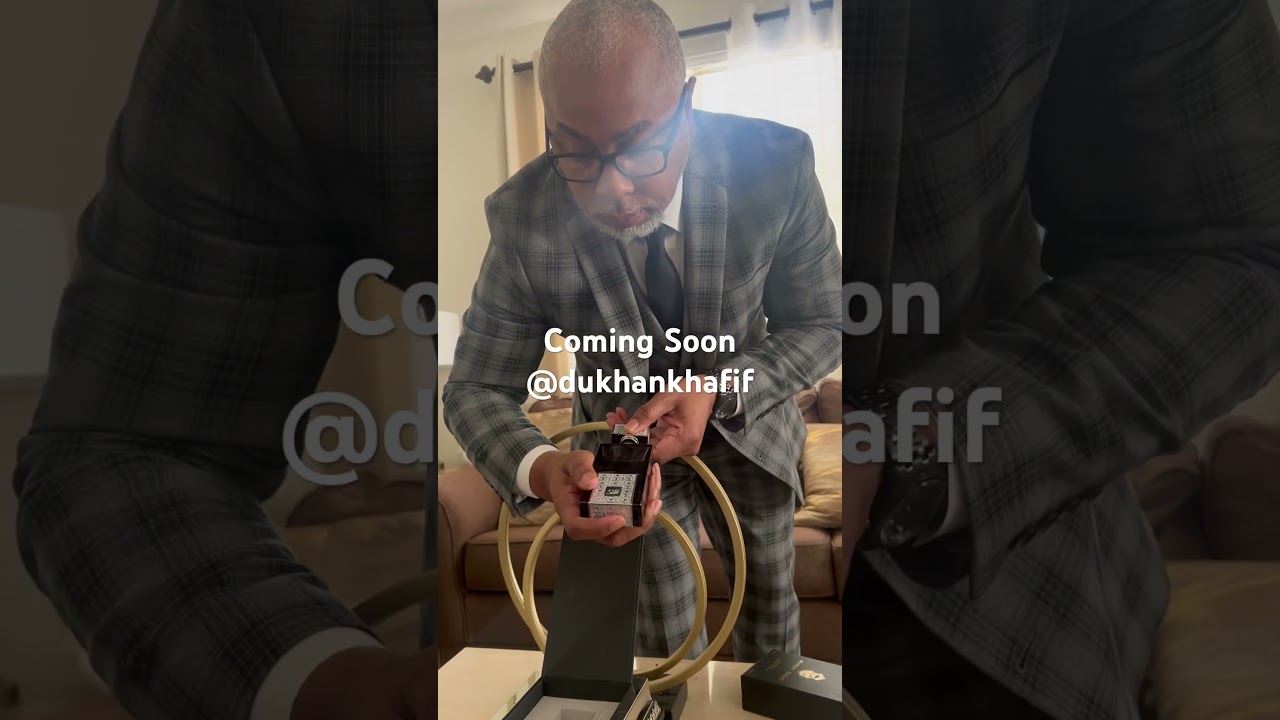
Luxury Fragrance Store coming soon. Dukhan Khafif #ould #luxurylifestyle #luxuryfragrances